Product Description
Bioclimatic pergolas from CHINAMFG are the perfect way to bring the comfort of indoors to your garden or patio. Available with rotating louvred ,
these all-weather aluminium pergolas are durable, luxurious and give you complete control over ventilation, light and shade.
Customize an exclusive aluminum pergola for your home !!!
| Material | Aluminium alloy 6005 T5 |
| Finish | Powder coated (warranty 5 years) & PVDF (waranty 10 years) |
| Sizes | Customized |
| Colors | Standard color RAL7012, 7016, 9005, 9016, also other colors is available |
| Rainfall intensity | 0.04 to 0.05 l/s/m2 |
| Snow load | Up to 180 kg/m2 or more |
| Wind resistance | Up to 180-240 km/h for closed blades |
| Delivery time | Usual 15-20 days after payment received and drawings confirmed |
| Optional accessories | Electric Side curtain/Sliding Glass Door/LED Light/Wind and rain sensor/Heater, etc |
FAQ
1. WHAT IS MATERIAL OF YOUR PERGOLA MADE OF?
The material of beam, post and beam are all aluminium alloy 6005 T5
The material of accessories are all stainless steel 304 and brass h59
2. WHAT IS THE LONGEST SPAN OF YOUR LOUVRE BLADES?
The maximum span of our louver blades is 5m without any sagging.
3. CAN IT BE MOUNTED TO THE WALL OF HOUSE?
Yes, our aluminum pergola can be attached to an existing wall
4. WHAT’S COLORS DO YOU HAVE ?
Usual 4 standard color of RAL 7012, 7016, 9005, 9016
Also it is available custom colours from RAL color or customers’ sample color.
5. WHAT’S THE SIZE OF PERGOLA DO YOU DO ?
We are the factory, so usual we custom made any sizes according to customers’ request.
6. WHAT’S THE RAINFALL INTENSITY, SNOW LOAD AND WIND RESISTANCE ?
Rainfall intensity: 0.04 to 0.05 l/s/m2
Snow load: Up to 180 kg/m2
Wind resistance: Up to 180-240 km/h for closed blades
| Shape: | Square |
|---|---|
| Frame Material: | Aluminum Alloy |
| Sail Material: | Aluminum Alloy |
| Sail Finishing: | PVC Coated |
| Condition: | New |
| Customized: | Customized |
| Customization: |
Available
|
|
|---|
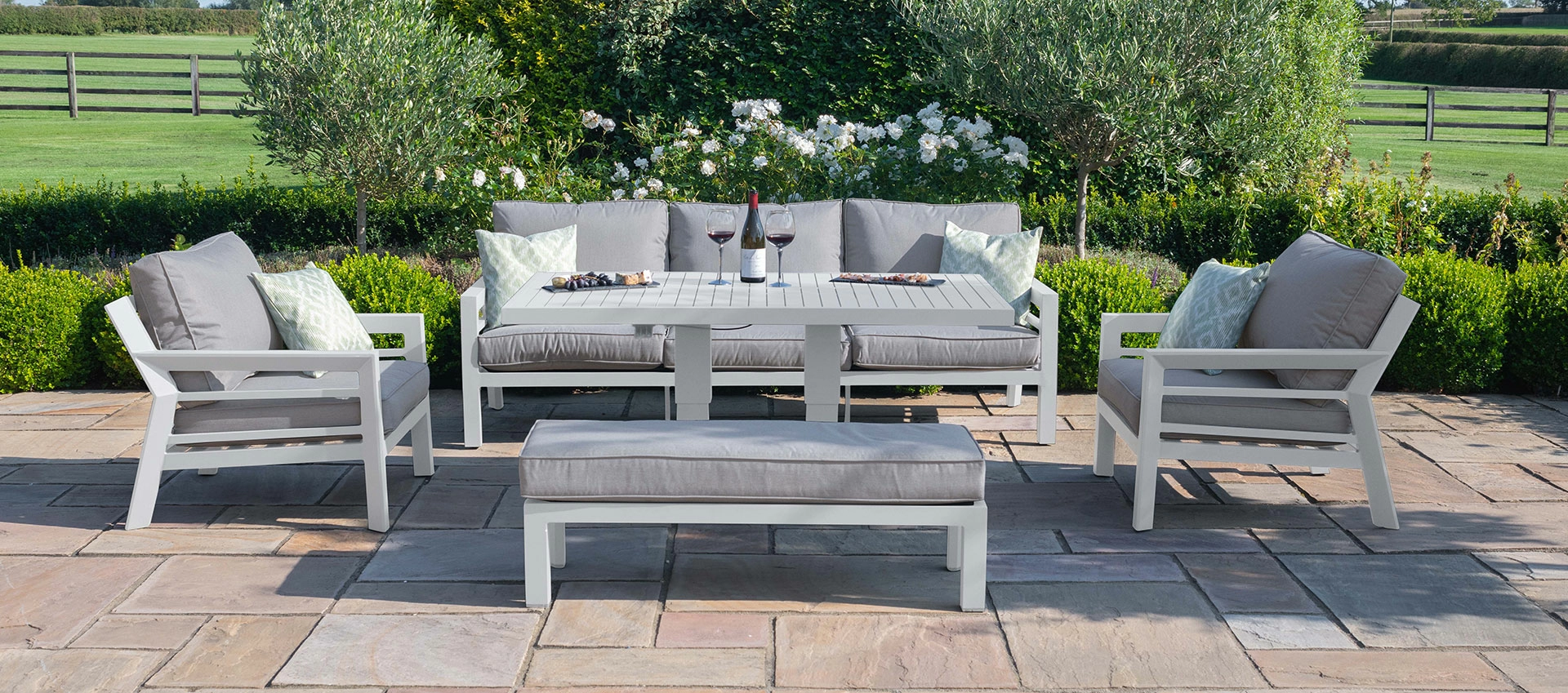
How do I choose the right size and dimensions for aluminum furniture for my space?
Choosing the right size and dimensions for aluminum furniture is crucial to ensure a comfortable and visually appealing arrangement in your space. Here are some steps to help you make the right choice:
- Measure Your Space: Begin by measuring the area where you plan to place the aluminum furniture. Take accurate measurements of the length, width, and height of the space. Consider any architectural features, such as windows, doorways, or columns, that may impact the placement and dimensions of the furniture.
- Consider Function and Purpose: Determine how you plan to use the aluminum furniture in your space. Will it be for dining, lounging, or a combination of both? Consider the number of people who will typically use the furniture and any specific functionality requirements, such as the need for extra seating or workspace.
- Allow for Adequate Clearance: Ensure that there is enough space around the aluminum furniture for comfortable movement. Leave sufficient clearance for people to walk around and pull out chairs without obstruction. Aim for at least 36 inches (91 cm) of clearance around dining tables and 18-24 inches (46-61 cm) of clearance around seating areas.
- Proportion and Scale: Consider the scale and proportion of the furniture in relation to the size of your space. Large furniture in a small area can make the space feel cramped, while small furniture in a large area can make it appear disproportionate. Strive for a balance that suits the overall size of your space and complements the surrounding elements.
- Visual Impact: Think about the visual impact you want the aluminum furniture to have in your space. For example, if you have a small patio or balcony, choosing slimmer and more streamlined designs can create an illusion of more space. On the other hand, larger and more substantial furniture pieces can make a statement in larger outdoor areas.
- Consider Multi-Functional Pieces: If you have limited space, consider multi-functional aluminum furniture pieces that can serve multiple purposes. For example, look for dining tables with extensions or folding chairs that can be easily stored when not in use. This allows you to maximize functionality while minimizing the footprint of the furniture.
- Visualize and Experiment: Use visualization tools or physical placeholders to help you envision how the aluminum furniture will fit in your space. Consider creating a scaled floor plan or use masking tape on the floor to outline the dimensions of the furniture. This can help you visualize the arrangement and ensure it works well within the available space.
By following these steps and considering factors such as measurements, function, clearance, proportion, and visual impact, you can choose the right size and dimensions for your aluminum furniture that will enhance your space and create a comfortable and visually pleasing environment.
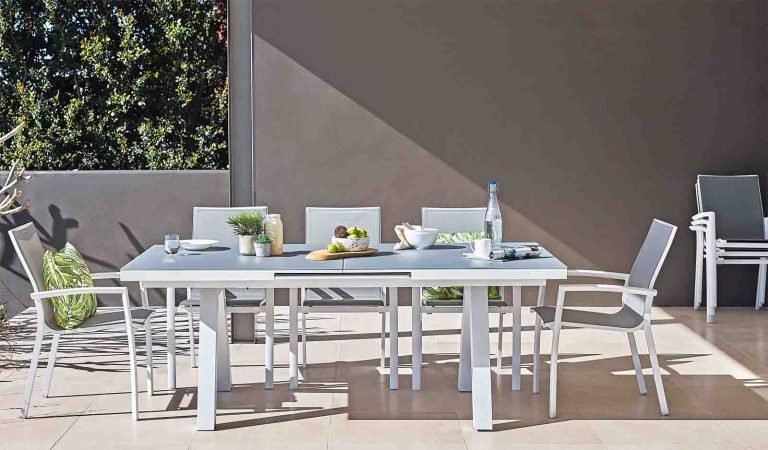
How can I maximize the lifespan of my aluminum furniture in high-humidity environments?
In high-humidity environments, it’s important to take certain measures to maximize the lifespan of your aluminum furniture. High humidity can contribute to corrosion, mold, and mildew growth, and other forms of damage. Here are some tips to help you protect and prolong the lifespan of your aluminum furniture:
1. Choose Powder-Coated Aluminum:
When purchasing aluminum furniture, opt for pieces that are powder-coated. Powder coating creates a protective layer on the surface of the aluminum, making it more resistant to corrosion and damage caused by high humidity. The powder coating helps to seal the aluminum and prevent moisture from reaching the metal, thereby extending its lifespan.
2. Clean Regularly:
Regular cleaning is essential to prevent the buildup of dirt, dust, and moisture on your aluminum furniture. Use a mild detergent or soap and water solution to clean the surfaces. Gently scrub the aluminum with a soft brush or sponge, paying attention to crevices and hard-to-reach areas. Rinse thoroughly with clean water and wipe dry to prevent water from sitting on the surface.
3. Apply Protective Wax or Sealant:
Consider applying a protective wax or sealant to the aluminum furniture. These products create an additional barrier against moisture and help to maintain the appearance and integrity of the metal. Follow the manufacturer’s instructions for application and reapplication intervals. Protective waxes and sealants can provide an extra layer of defense against the effects of high humidity.
4. Provide Adequate Ventilation:
In high-humidity environments, it’s important to ensure that your aluminum furniture has adequate ventilation. Avoid placing the furniture in enclosed areas with poor airflow or in areas where moisture tends to accumulate. Good ventilation helps to dissipate moisture and reduce the risk of mold and mildew growth. If possible, position the furniture in areas with good air circulation.
5. Use Furniture Covers:
When your aluminum furniture is not in use, consider covering it with weatherproof furniture covers. Furniture covers provide an additional layer of protection against moisture, dust, and other environmental factors. Look for covers specifically designed for outdoor furniture and ensure they are breathable to prevent condensation from forming underneath. Remove the covers periodically to allow the furniture to air out.
6. Avoid Direct Contact with Wet Surfaces:
Avoid placing aluminum furniture directly on wet surfaces, such as wet grass or damp concrete, as this can increase the exposure to moisture. Use furniture pads or place the furniture on a dry surface to minimize contact with moisture. By keeping the furniture elevated and away from wet areas, you can reduce the risk of corrosion and damage.
7. Inspect and Address Any Signs of Damage:
Regularly inspect your aluminum furniture for any signs of damage, corrosion, or wear. If you notice any issues, such as chipped or scratched powder coating, address them promptly. Repair or touch up the damaged areas to prevent further deterioration. Additionally, replace any worn-out or damaged cushions or fabric to maintain the overall quality and appearance of the furniture.
8. Store Indoors During Extreme Weather:
If possible, consider storing your aluminum furniture indoors during periods of extreme weather or when not in use for extended periods. Storing the furniture in a dry and controlled environment can help protect it from the excessive moisture and humidity that can occur during heavy rain or prolonged wet seasons.
By following these tips, you can help maximize the lifespan of your aluminum furniture in high-humidity environments. Regular cleaning, protective coatings, proper ventilation, and storage practices can all contribute to keeping your furniture in good condition and minimizing the effects of high humidity. With proper care, your aluminum furniture can continue to enhance your outdoor space for many years to come.
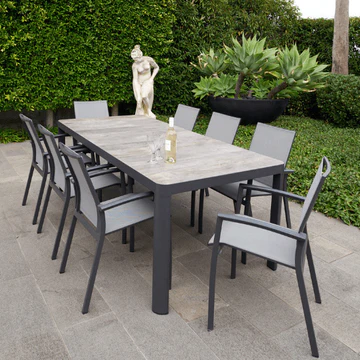
What types of cushions and fabrics pair well with aluminum furniture?
When selecting cushions and fabrics to pair with aluminum furniture, it’s important to consider both aesthetic appeal and practicality. Here are some types of cushions and fabrics that work well with aluminum furniture:
- Outdoor-Specific Fabrics: Since aluminum furniture is often used outdoors, it’s advisable to choose cushions and fabrics specifically designed for outdoor use. These fabrics are typically made to withstand exposure to the elements, including UV rays, moisture, and mildew. Outdoor-specific fabrics are often water-resistant or water-repellent, making them easier to clean and maintain.
- Sunbrella: Sunbrella is a popular brand known for its high-performance outdoor fabrics. Sunbrella fabrics are fade-resistant, durable, and easy to clean. They offer a wide range of colors, patterns, and textures to complement various aluminum furniture styles.
- Olefin: Olefin is another synthetic fabric that is commonly used for outdoor cushions. It is resistant to fading, moisture, and mildew. Olefin fabrics are often solution-dyed, which means the color is embedded in the fibers during manufacturing, making them highly colorfast.
- Acrylic: Acrylic fabrics are often used for outdoor cushions due to their durability and resistance to fading and mildew. They are soft, comfortable, and come in a variety of colors and patterns. Acrylic fabrics are also easy to clean and maintain.
- Quick-Drying Foam: When choosing cushions for outdoor aluminum furniture, consider cushions with quick-drying foam inserts. This type of foam allows water to drain and evaporate more easily, preventing the cushions from becoming waterlogged and reducing the risk of mildew formation.
- Neutral Tones: Neutral-colored cushions and fabrics are versatile and tend to pair well with aluminum furniture. Shades like beige, gray, taupe, or white can create a clean and modern look. They also provide a neutral backdrop that allows the aluminum furniture to stand out or be complemented by other decorative elements.
When selecting cushions and fabrics, it’s important to consider your personal style preferences, the overall aesthetic you want to achieve, and the level of comfort you desire. Additionally, ensure that the cushions and fabrics you choose are compatible with outdoor use and can withstand the specific environmental conditions in your area.
Remember to follow the manufacturer’s care instructions for cleaning and maintenance to keep your cushions and fabrics looking their best and to ensure their longevity.
editor by CX 2023-11-03