Product Description
| Item | Value |
| Material | Stainless Steel |
The length and width of the stretcher can be folded for easy transportation and storage
Fabric is fireproof, waterproof, crack-proof and easy to clean
With safety belt, stirring feet and hinged deployment bar.
Mainly suitable for serious accidents, the main structure is made of stainless steel and can be quickly and easily accessed to different rescue sites.
Suitable for all kinds of distress and rescue personnel, the stretcher can be stacked to provide the most compact storage space, and the stretcher surface is durable while avoiding contamination of blood and body fluids.
Simple folding stretchers are the basic type, with 1 or more hinge points that allow the stretcher to be folded into a more compact form for easy handling or storage They are lightweight and portable, and many are stored as disaster relief supplies
FAQ
A:Can you accept FOB, CFR, and CIF?
Q:Yes, we can accept any of these for any quantity.
A:Can the products be customized?
Q:Yes, customization is available for features, materials, and specifications.
A:Do you have stock available?
Q:Yes, we have stock for standard medical beds under 200 pieces. For customized orders, please allow a 15-day waiting period.
| Color: | Green |
|---|---|
| Folded: | Folded |
| Certification: | ISO, CE, ISO 9001 |
| Material: | Plastic |
| Number of Belts: | Six |
| Type: | Foldaway Stretcher |
| Samples: |
US$ 40/Piece
1 Piece(Min.Order) | |
|---|
| Customization: |
Available
|
|
|---|
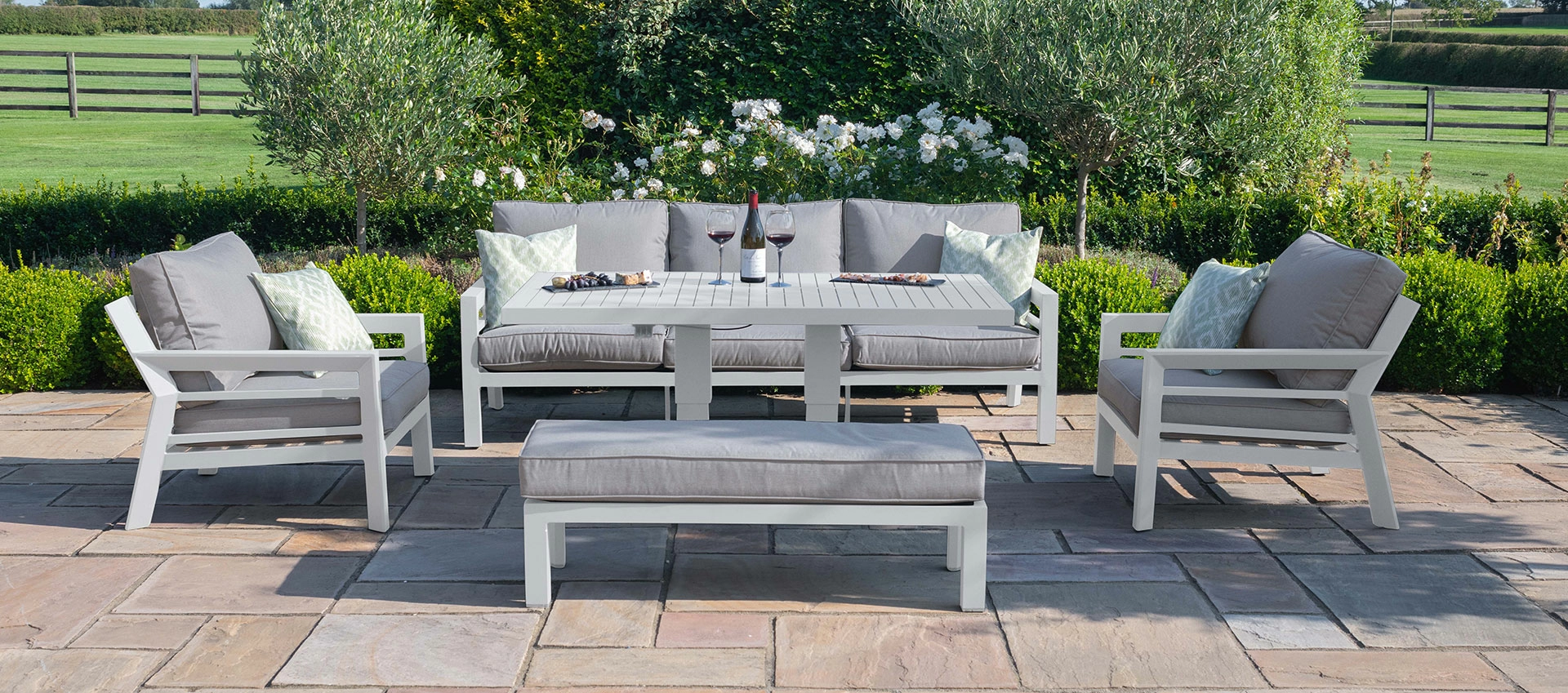
How do I choose the right size and dimensions for aluminum furniture for my space?
Choosing the right size and dimensions for aluminum furniture is crucial to ensure a comfortable and visually appealing arrangement in your space. Here are some steps to help you make the right choice:
- Measure Your Space: Begin by measuring the area where you plan to place the aluminum furniture. Take accurate measurements of the length, width, and height of the space. Consider any architectural features, such as windows, doorways, or columns, that may impact the placement and dimensions of the furniture.
- Consider Function and Purpose: Determine how you plan to use the aluminum furniture in your space. Will it be for dining, lounging, or a combination of both? Consider the number of people who will typically use the furniture and any specific functionality requirements, such as the need for extra seating or workspace.
- Allow for Adequate Clearance: Ensure that there is enough space around the aluminum furniture for comfortable movement. Leave sufficient clearance for people to walk around and pull out chairs without obstruction. Aim for at least 36 inches (91 cm) of clearance around dining tables and 18-24 inches (46-61 cm) of clearance around seating areas.
- Proportion and Scale: Consider the scale and proportion of the furniture in relation to the size of your space. Large furniture in a small area can make the space feel cramped, while small furniture in a large area can make it appear disproportionate. Strive for a balance that suits the overall size of your space and complements the surrounding elements.
- Visual Impact: Think about the visual impact you want the aluminum furniture to have in your space. For example, if you have a small patio or balcony, choosing slimmer and more streamlined designs can create an illusion of more space. On the other hand, larger and more substantial furniture pieces can make a statement in larger outdoor areas.
- Consider Multi-Functional Pieces: If you have limited space, consider multi-functional aluminum furniture pieces that can serve multiple purposes. For example, look for dining tables with extensions or folding chairs that can be easily stored when not in use. This allows you to maximize functionality while minimizing the footprint of the furniture.
- Visualize and Experiment: Use visualization tools or physical placeholders to help you envision how the aluminum furniture will fit in your space. Consider creating a scaled floor plan or use masking tape on the floor to outline the dimensions of the furniture. This can help you visualize the arrangement and ensure it works well within the available space.
By following these steps and considering factors such as measurements, function, clearance, proportion, and visual impact, you can choose the right size and dimensions for your aluminum furniture that will enhance your space and create a comfortable and visually pleasing environment.
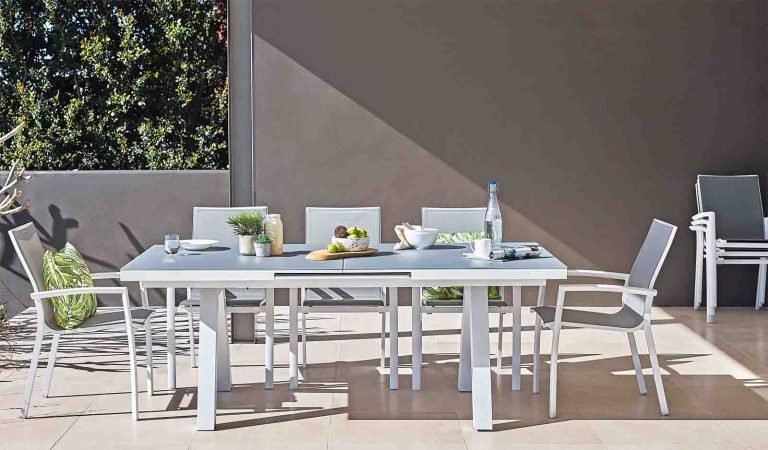
How can I maximize the lifespan of my aluminum furniture in high-humidity environments?
In high-humidity environments, it’s important to take certain measures to maximize the lifespan of your aluminum furniture. High humidity can contribute to corrosion, mold, and mildew growth, and other forms of damage. Here are some tips to help you protect and prolong the lifespan of your aluminum furniture:
1. Choose Powder-Coated Aluminum:
When purchasing aluminum furniture, opt for pieces that are powder-coated. Powder coating creates a protective layer on the surface of the aluminum, making it more resistant to corrosion and damage caused by high humidity. The powder coating helps to seal the aluminum and prevent moisture from reaching the metal, thereby extending its lifespan.
2. Clean Regularly:
Regular cleaning is essential to prevent the buildup of dirt, dust, and moisture on your aluminum furniture. Use a mild detergent or soap and water solution to clean the surfaces. Gently scrub the aluminum with a soft brush or sponge, paying attention to crevices and hard-to-reach areas. Rinse thoroughly with clean water and wipe dry to prevent water from sitting on the surface.
3. Apply Protective Wax or Sealant:
Consider applying a protective wax or sealant to the aluminum furniture. These products create an additional barrier against moisture and help to maintain the appearance and integrity of the metal. Follow the manufacturer’s instructions for application and reapplication intervals. Protective waxes and sealants can provide an extra layer of defense against the effects of high humidity.
4. Provide Adequate Ventilation:
In high-humidity environments, it’s important to ensure that your aluminum furniture has adequate ventilation. Avoid placing the furniture in enclosed areas with poor airflow or in areas where moisture tends to accumulate. Good ventilation helps to dissipate moisture and reduce the risk of mold and mildew growth. If possible, position the furniture in areas with good air circulation.
5. Use Furniture Covers:
When your aluminum furniture is not in use, consider covering it with weatherproof furniture covers. Furniture covers provide an additional layer of protection against moisture, dust, and other environmental factors. Look for covers specifically designed for outdoor furniture and ensure they are breathable to prevent condensation from forming underneath. Remove the covers periodically to allow the furniture to air out.
6. Avoid Direct Contact with Wet Surfaces:
Avoid placing aluminum furniture directly on wet surfaces, such as wet grass or damp concrete, as this can increase the exposure to moisture. Use furniture pads or place the furniture on a dry surface to minimize contact with moisture. By keeping the furniture elevated and away from wet areas, you can reduce the risk of corrosion and damage.
7. Inspect and Address Any Signs of Damage:
Regularly inspect your aluminum furniture for any signs of damage, corrosion, or wear. If you notice any issues, such as chipped or scratched powder coating, address them promptly. Repair or touch up the damaged areas to prevent further deterioration. Additionally, replace any worn-out or damaged cushions or fabric to maintain the overall quality and appearance of the furniture.
8. Store Indoors During Extreme Weather:
If possible, consider storing your aluminum furniture indoors during periods of extreme weather or when not in use for extended periods. Storing the furniture in a dry and controlled environment can help protect it from the excessive moisture and humidity that can occur during heavy rain or prolonged wet seasons.
By following these tips, you can help maximize the lifespan of your aluminum furniture in high-humidity environments. Regular cleaning, protective coatings, proper ventilation, and storage practices can all contribute to keeping your furniture in good condition and minimizing the effects of high humidity. With proper care, your aluminum furniture can continue to enhance your outdoor space for many years to come.
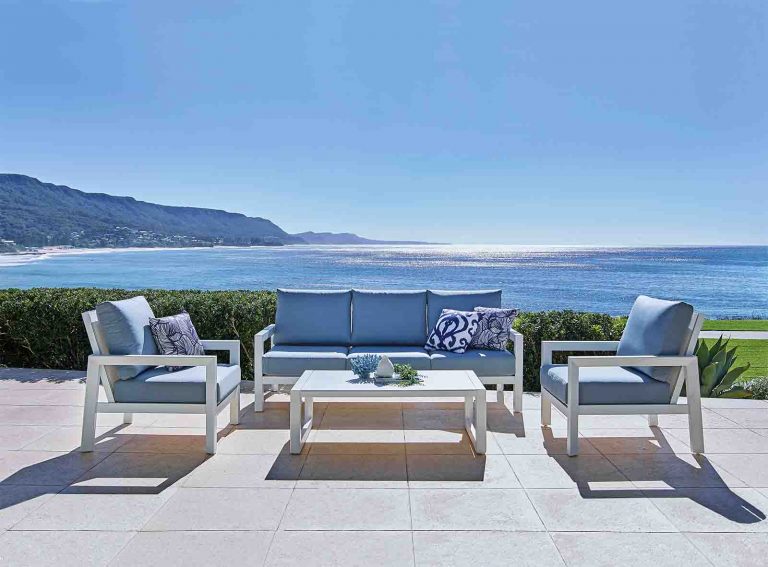
How does aluminum furniture compare to other materials like wood or steel?
When comparing aluminum furniture to other materials like wood or steel, there are several factors to consider. Let’s explore each material and how they stack up against each other:
1. Aluminum Furniture:
Aluminum furniture offers several advantages:
- Durability: Aluminum is known for its durability and resistance to rust and corrosion. It is well-suited for outdoor furniture as it can withstand exposure to various weather conditions.
- Lightweight: Aluminum is lightweight, making it easy to move and rearrange furniture as needed.
- Low Maintenance: Aluminum furniture requires minimal maintenance. It can be easily cleaned with soap and water, and it does not require regular sealing or staining like wood.
- Aesthetic Appeal: Aluminum furniture often has a sleek and modern look, which can complement different styles of outdoor or indoor spaces.
2. Wood Furniture:
Wood furniture has its own set of advantages:
- Natural Beauty: Wood furniture has a warm and natural aesthetic appeal. It can add a touch of elegance and sophistication to any space.
- Durability: High-quality wood furniture, such as teak or cedar, can be highly durable and resistant to decay and insects.
- Customization: Wood furniture can be easily customized, stained, or painted to match specific design preferences.
- Environmental Considerations: Wood is a renewable resource, and furniture made from sustainably sourced wood can be an eco-friendly choice.
3. Steel Furniture:
Steel furniture also offers its own unique benefits:
- Strength: Steel is known for its strength and durability, making it suitable for heavy-duty applications.
- Stability: Steel furniture tends to be sturdy and stable, which can be particularly important for items like tables and chairs.
- Weather Resistance: Steel furniture can withstand exposure to harsh weather conditions without warping or deteriorating.
- Industrial Look: Steel furniture often has a sleek and industrial aesthetic that works well in contemporary or minimalist design schemes.
Ultimately, the choice between aluminum, wood, or steel furniture depends on individual preferences, intended use, and the specific requirements of the space. Consider factors such as durability, maintenance, aesthetic appeal, and environmental impact to make an informed decision.
editor by CX 2023-11-09