Product Description
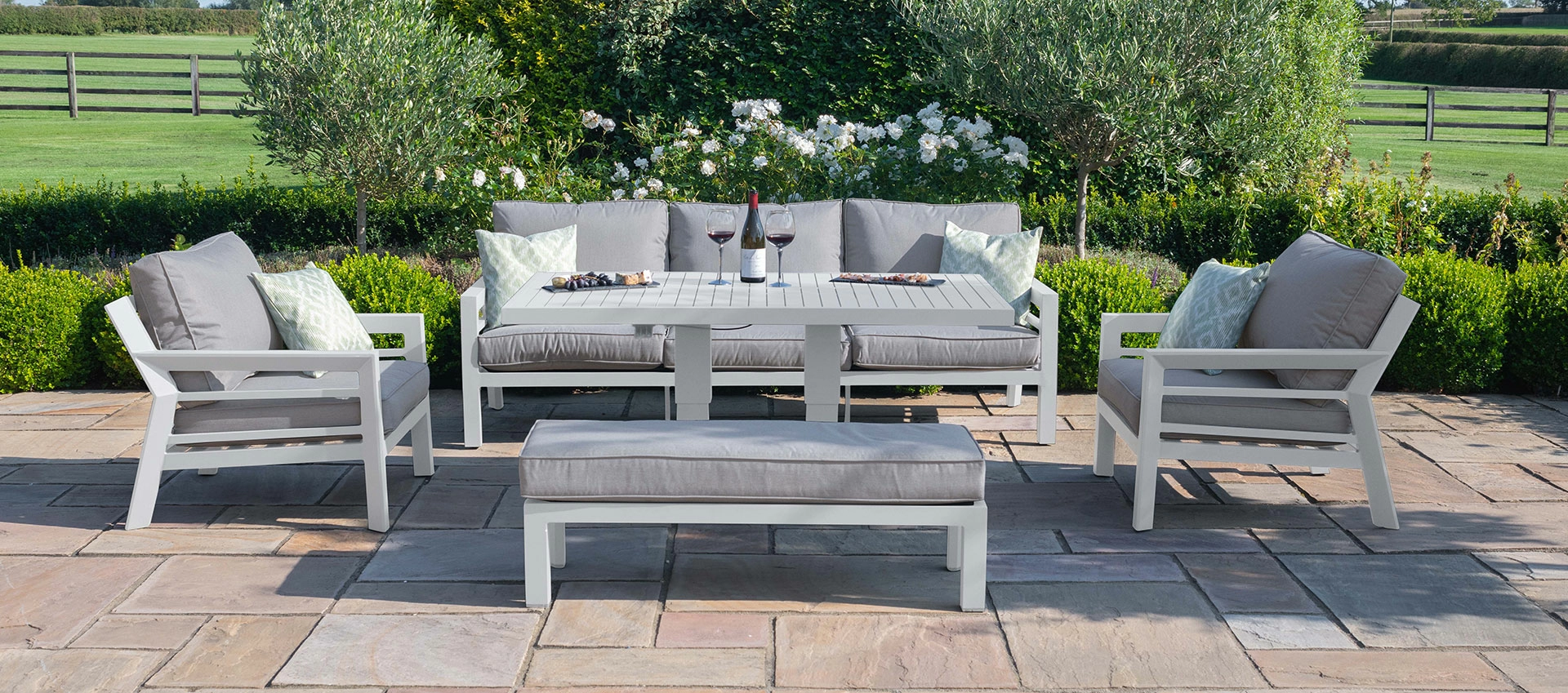
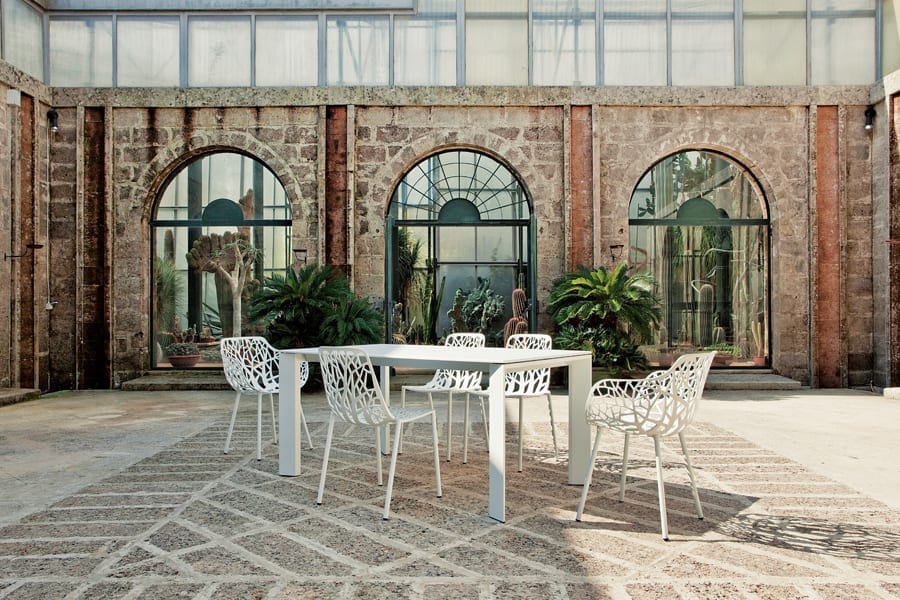
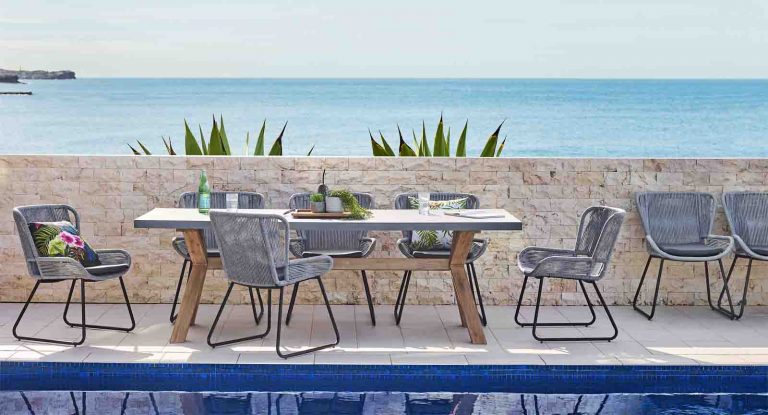
Modern Custom aluminum truss bar table and chair on sale
Aluminum Cocktail table bar table coffee table bar furniture
Welcome contact us by 24hours hot line:
sgaiertruss sgaiertruss
Production Description:
SgaierStage offer different size bleachers for options:
|
Material |
Main: aluminum 6061 / board: wood |
||||||||||||||||
|
Main tubes |
diameter 50mm |
||||||||||||||||
|
Brace Tube |
diameter 20mm |
||||||||||||||||
|
Table top |
diameter 8
What finishes and treatments are available for aluminum furniture parts?Aluminum furniture parts can be finished and treated in various ways to enhance their appearance, durability, and protection. Here is a detailed explanation of the finishes and treatments available for aluminum furniture parts:
Powder coating is a popular finish for aluminum furniture parts. It involves applying a dry powder to the surface of the aluminum and then curing it through a heating process. Powder coating provides a durable and even finish that is resistant to chipping, scratching, and fading. It is available in a wide range of colors and textures, allowing for customization and versatility in design. Anodizing is an electrochemical process that creates a protective oxide layer on the surface of aluminum furniture parts. This treatment enhances the natural corrosion resistance of aluminum and provides a durable finish. Anodized aluminum can have a variety of colors, ranging from clear or natural to bronze, black, or other custom shades. It also maintains the metallic appearance of the aluminum while offering improved resistance to scratches and wear. Polishing is a surface treatment that gives aluminum furniture parts a smooth and reflective finish. Through the use of polishing compounds and abrasive materials, the aluminum surface is buffed to remove imperfections and create a high-gloss shine. Polished aluminum parts can add a touch of elegance and sophistication to furniture designs. Brushed or satin finishes are achieved by brushing the aluminum surface with abrasive materials in a consistent pattern. This creates a textured, matte finish that diffuses light and hides fingerprints or minor scratches. Brushed or satin finishes are commonly used in contemporary or industrial-style furniture, offering a sleek and modern look. Clear coating involves applying a transparent protective layer on the aluminum surface. This treatment helps preserve the natural appearance of the aluminum while providing a barrier against oxidation, corrosion, and UV damage. Clear coatings can be combined with other treatments or used on their own to maintain the metallic look of aluminum furniture parts. Lacquering is a process of applying a clear or colored coating to aluminum furniture parts to protect the surface and enhance its visual appeal. Lacquers can provide a glossy or matte finish, depending on the desired effect. They offer protection against scratches, moisture, and fading, and are available in a wide range of colors to suit different design preferences. Custom finishes for aluminum furniture parts are also available, allowing for unique and personalized designs. These can include specialized paint applications, patterns, textures, or other decorative treatments. Custom finishes provide the opportunity to match specific design themes, incorporate branding elements, or achieve a one-of-a-kind look for your furniture. When selecting finishes and treatments for aluminum furniture parts, consider the desired aesthetic, functionality, and durability requirements. Additionally, follow the manufacturer’s recommendations and proper maintenance practices to ensure the longevity and performance of the finished aluminum parts. With the variety of finishes and treatments available, aluminum furniture parts can be customized to suit different design styles and functional needs, providing both visual appeal and long-lasting performance.
How do I secure aluminum parts for furniture to prevent damage or loss?Securing aluminum parts for furniture is essential to prevent damage or loss. Here is a detailed explanation: 1. Proper Assembly: Ensure that the aluminum parts are properly assembled according to the manufacturer’s instructions. Follow the recommended steps and use the appropriate tools to securely attach the aluminum parts to the furniture. This will help prevent wobbling or loosening of the parts over time. 2. Reinforced Joints: Pay attention to the joints where the aluminum parts connect with other components of the furniture. Use reinforcements such as brackets, screws, or bolts to strengthen these joints. This will provide additional stability and prevent the parts from coming loose or detaching. 3. Weight Distribution: Consider the weight distribution of the furniture and the stress it places on the aluminum parts. Ensure that the weight is evenly distributed across the entire structure to avoid putting excessive strain on specific parts. This will help prevent warping, bending, or breaking of the aluminum components. 4. Proper Placement: Place the furniture in a suitable location where it is less likely to be subjected to excessive force, impact, or environmental hazards. Avoid placing the furniture in areas with high foot traffic or where it can be easily bumped or knocked over. Proper placement will minimize the risk of damage to the aluminum parts. 5. Secure Mounting: If the furniture has aluminum parts that need to be mounted to a wall or floor, ensure that the mounting is done correctly and securely. Use appropriate hardware such as wall anchors, brackets, or fasteners to firmly attach the aluminum parts to the mounting surface. This will prevent the parts from becoming loose or falling off. 6. Regular Maintenance: Perform regular maintenance on the furniture to ensure that the aluminum parts remain in good condition. Inspect the parts for any signs of damage, wear, or loosening. Tighten any screws or bolts as necessary. Clean the aluminum parts regularly to remove dirt, dust, or debris that can cause deterioration over time. 7. Protective Measures: Consider using protective measures to safeguard the aluminum parts. For example, you can use furniture pads or felt pads on the bottom of chair legs or table feet to prevent scratches on the floor. You can also use protective covers or cushions on aluminum frames to protect them from scratches or impact. By following these guidelines, you can effectively secure aluminum parts for furniture and minimize the risk of damage or loss. Proper assembly, reinforced joints, weight distribution, and regular maintenance are key factors in ensuring the longevity and stability of the aluminum components. Taking these precautions will help you enjoy your furniture for years to come.
What are the advantages of using lightweight aluminum parts for furniture?Using lightweight aluminum parts for furniture offers several advantages. Here is a detailed explanation of the benefits of utilizing lightweight aluminum parts in furniture construction:
Aluminum is a lightweight material, making furniture with aluminum parts easier to handle and transport. Compared to furniture made from heavier materials, aluminum furniture is often more portable and can be moved around with greater convenience. This is particularly beneficial for outdoor furniture or furniture that needs to be frequently rearranged. The lightweight nature of aluminum allows for greater design versatility. Aluminum furniture parts can be easily shaped, bent, or extruded into various profiles and forms. This flexibility in design enables the creation of furniture with unique shapes, curves, and intricate details that may not be achievable with other materials. It opens up possibilities for innovative and contemporary furniture designs. Despite being lightweight, aluminum is a durable and robust material. It offers good resistance to corrosion, making it suitable for both indoor and outdoor furniture. Aluminum furniture parts are less prone to rust or degradation over time, ensuring longevity and reducing the need for frequent maintenance. Aluminum is an energy-efficient material. Its lightweight nature requires less energy for transportation and handling compared to furniture made from heavier materials. Additionally, aluminum has excellent thermal conductivity, which means it can quickly absorb and dissipate heat. This property contributes to energy efficiency in furniture by minimizing heat buildup and reducing the need for additional insulation. Aluminum is a highly recyclable material. Using lightweight aluminum parts in furniture contributes to environmental sustainability. Aluminum can be recycled repeatedly without losing its properties, reducing the demand for virgin materials and minimizing waste. Additionally, the energy required for recycling aluminum is considerably lower compared to the production of new aluminum, resulting in reduced carbon emissions. Aluminum is naturally resistant to insects, pests, and moisture. Unlike wood, which can be susceptible to rot or termite damage, aluminum furniture parts are not prone to these issues. This makes aluminum a suitable choice for outdoor furniture or furniture placed in humid environments. These advantages make lightweight aluminum parts an attractive option for furniture construction. The combination of ease of handling, design versatility, durability, energy efficiency, environmental friendliness, and resistance to insects and moisture makes aluminum an ideal material for various types of furniture, including indoor and outdoor pieces. editor by CX 2024-01-11 |