Product Description
Waterproof Hollow CHINAMFG embossed Garden WPC Decking Park WPC Plank Outdoor Furniture wood Plastic Composite deck flooring tiles
What’s is WPC Decking
wood plastic composite decking (WPC decking) is formed of a combination of 30% of recycled plastic and 60% of wood fibers + 10% additives.
decking is suitable for every need. Elegant colours, combined with different surface finishes, results in an unmatched choice for different conditions that look CHINAMFG and will stay that way. High performance, low on maintenance, SUKE deck planks are fitted to an CHINAMFG framework with concealed fixtures, offering barefoot safe and anti-skid surfaces.
WPC decking(Wood Plastic Composite Decking) – Hollow Composite Decks are fully typified in the garden, park, club, residential quarters, landscaping, bridge, dock, and many other outdoor places, satisfying the psychological pursuit of people in modern city.
Advantage of WPC Decking
wpc decking is eco-friendly wood and plastic composite decking
Beautiful and elegant nature wood grain texture and touch
UV & fade resistance, high density durable use
Good weather ability, suitable from -40°C to +60°C
Can be shaved, nailed, drilled and cut to fit accessories of different specifications.
Easy to install & low labor cost
No painting, no glue, low maintenance
Environmental friendly, fully recyclable and no other hazard chemical, saving forest resources
WPC Decking Installation
1. Considering the heat and water absorption ,WPC products will be slightly inflation,so the joist when placed should be reserved 3-5 mm from the building.
2. Considering the hard brittle of WPC materials,the joist need to pre-drilling before fix the expansion screw.
3. The spacing between joists should be 25-30cm.
4. The spacing between expansion screws should be 400mm to 500mm.
5. After the joist is fixed, drainage should be done to avoid factors that damage the decking, such as water swelling.
6. Fix the starter clips on 1 side of the joist.
7. Insert the decking into the starter clips, and install the first decking board.
8. Insert the clips in board and screw into joist (do not tighten).
9. Insert the second board into previous clips.
10. Insert next row of clips securing board (do not tighten).
11. Fully tighten clips & screws from step 8 and repeat from step 9.
12. Finish the corner edging and complete the decking installation.
Q: Do you offer free samples ?
A: Free sample is available, but delivery cost paid by customer.
Q: Can you manufacture products according to sample ?
A: Yes, We can produce by your sample or technical drawing.
We have R&D team, we can also help to develop new molds and texture.
Q: What is your payment term ?
A: 30% deposit in advance, 70% before shipping.
We will show you photos and packages before you pay the balance.
Q: What is your delivery time ?
A: Generally, 1-2 weeks after confirmation of your deposit payment.
Specific time CHINAMFG on order items and order quantity.
Q: How can I get the after service ?
A: We welcome your chats online (Chat or leave message: After service) or e-mail to us regarding any technical or related
questions that you may have.
Q: What is your term of delivery?
A:We accept EXW, FOB, CIF, etc. Choose the 1 which is the most convenient or cost effective for you.
/* March 10, 2571 17:59:20 */!function(){function s(e,r){var a,o={};try{e&&e.split(“,”).forEach(function(e,t){e&&(a=e.match(/(.*?):(.*)$/))&&1
| After-sales Service: | 24 Working Hours |
|---|---|
| Warranty: | 12monthes |
| Thickness: | 10mm |
| Style: | Classic |
| Environmental Standard: | E1 |
| Function: | Waterproof, Anti-Static, Soundproof, Thermal Insulation |
| Customization: |
Available
|
|
|---|
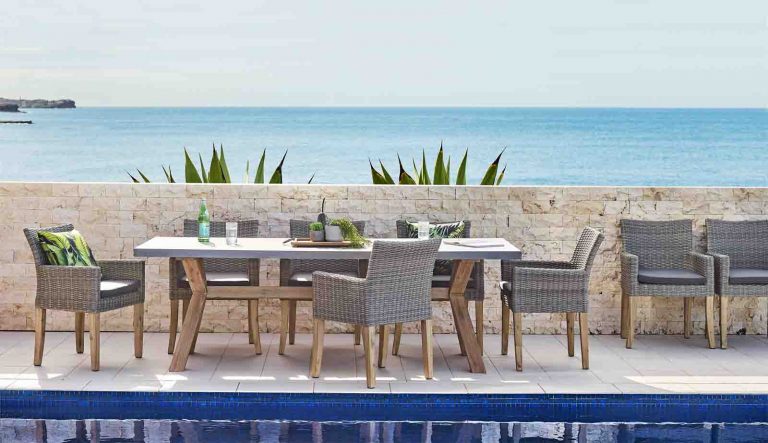
How do I choose the best outdoor furniture for a beachfront property?
Choosing the best outdoor furniture for a beachfront property requires considering several factors to ensure durability, functionality, and aesthetic appeal. Here are some tips to help you make the right choice:
1. Material Selection:
Opt for materials that can withstand the harsh beachfront environment, including exposure to salt, sun, and moisture. Good options for beachfront properties include teak, aluminum, stainless steel, synthetic wicker, and outdoor-grade fabrics designed to resist fading and mildew.
2. Rust and Corrosion Resistance:
Given the proximity to saltwater, it’s essential to choose outdoor furniture that is resistant to rust and corrosion. Look for furniture with rust-resistant coatings, such as powder coating or stainless steel construction, to ensure longevity in the beachfront setting.
3. Easy Maintenance:
Consider the maintenance requirements of the outdoor furniture. Beachfront properties can be prone to sand, salt, and wind-blown debris. Opt for furniture that is easy to clean and maintain, such as materials that can be wiped down with a damp cloth or hosed off.
4. UV Resistance:
Ensure that the outdoor furniture is designed to withstand prolonged exposure to the sun’s UV rays. Look for materials and fabrics that have UV-resistant properties to prevent fading, discoloration, and deterioration over time.
5. Comfort and Functionality:
Choose outdoor furniture that offers comfort and functionality. Consider factors such as cushion thickness, ergonomic design, adjustable features, and the ability to stack or fold for easy storage. Comfortable seating and lounging options will enhance the enjoyment of your beachfront property.
6. Wind Resistance:
Given the potential for strong coastal winds, select outdoor furniture that is sturdy and wind-resistant. Look for furniture with heavy-duty construction, sturdy frames, and the ability to secure or anchor the furniture to prevent tipping or damage during gusty conditions.
7. Design and Aesthetics:
Consider the overall design and aesthetics of the outdoor furniture to ensure it complements the beachfront property. Choose styles and colors that align with your personal preferences and the surrounding landscape. Coastal-inspired designs or neutral tones often work well in beachfront settings.
8. Test for Stability:
Prioritize stability when selecting outdoor furniture for a beachfront property. Test the furniture for stability and sturdiness before making a purchase. Sit on the chairs, lounge on the loungers, and check for any wobbling or instability that could be problematic in windy conditions.
9. Consider Storage Options:
Think about storage options for your outdoor furniture during seasons of non-use or inclement weather. Consider whether you have adequate storage space or if the furniture is easily stackable or foldable for compact storage.
By considering these factors, you can choose outdoor furniture that is well-suited to the demands of a beachfront property, providing both durability and comfort for years to come.
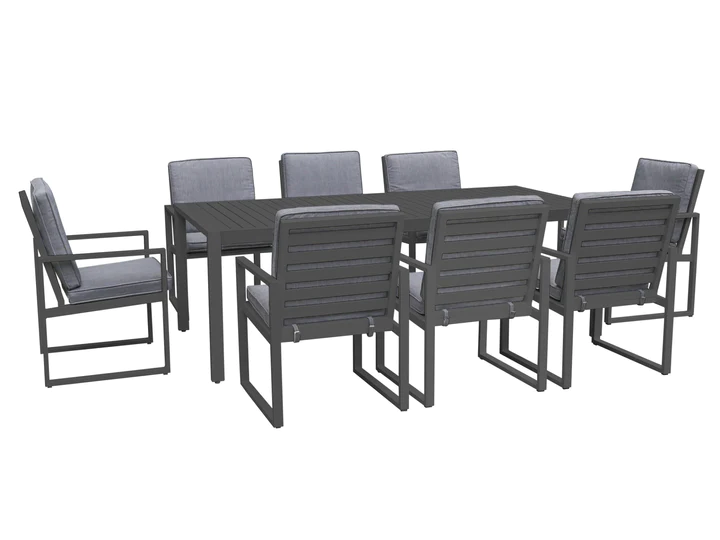
Can outdoor furniture be painted or refinished to give it a new look?
Yes, outdoor furniture can often be painted or refinished to give it a fresh and new look. Whether your furniture is made of wood, metal, or plastic, there are various techniques and products available to help you transform its appearance. Here’s what you need to know:
1. Wood Furniture: Wood furniture can be painted or stained to change its color or enhance its natural beauty. Before refinishing, it’s important to clean the furniture thoroughly and sand it to create a smooth surface. If you want to change the color, apply a suitable outdoor paint or stain that is specifically designed for exterior use and can withstand the elements.
2. Metal Furniture: Metal furniture can be painted to update its look or provide a protective coating. Start by cleaning the furniture to remove any dirt, rust, or peeling paint. Apply a primer designed for metal surfaces to improve paint adhesion, followed by an outdoor paint formulated for metal. Consider using spray paint for a smoother and more even finish.
3. Plastic Furniture: While painting plastic furniture can be challenging, it is possible with the right preparation and paint. Clean the furniture thoroughly and use a fine-grit sandpaper to roughen the surface slightly, allowing the paint to adhere better. Apply a primer specifically designed for plastic surfaces, followed by an outdoor paint suitable for plastic. Look for paints that offer good adhesion and durability.
4. Wicker Furniture: Wicker furniture can be refreshed by repainting or refinishing. Start by cleaning the furniture and removing any loose or damaged fibers. Use a brush or spray paint to apply an outdoor paint or stain suitable for wicker. Apply multiple thin coats for better coverage and durability.
5. Cushions and Fabrics: If your outdoor furniture has cushions or fabric components, you can also update their look by recovering or replacing them. Look for outdoor fabrics that are designed to withstand sun exposure and resist water and stains. Consider using weather-resistant cushions or adding waterproof covers to protect them from the elements.
Before painting or refinishing your outdoor furniture, it’s crucial to consider the specific material, condition, and intended use of the furniture. Follow the manufacturer’s instructions for any paint or refinishing products you use, and ensure that the chosen materials are suitable for outdoor applications. Proper surface preparation and regular maintenance will help extend the life and appearance of your newly refinished outdoor furniture.
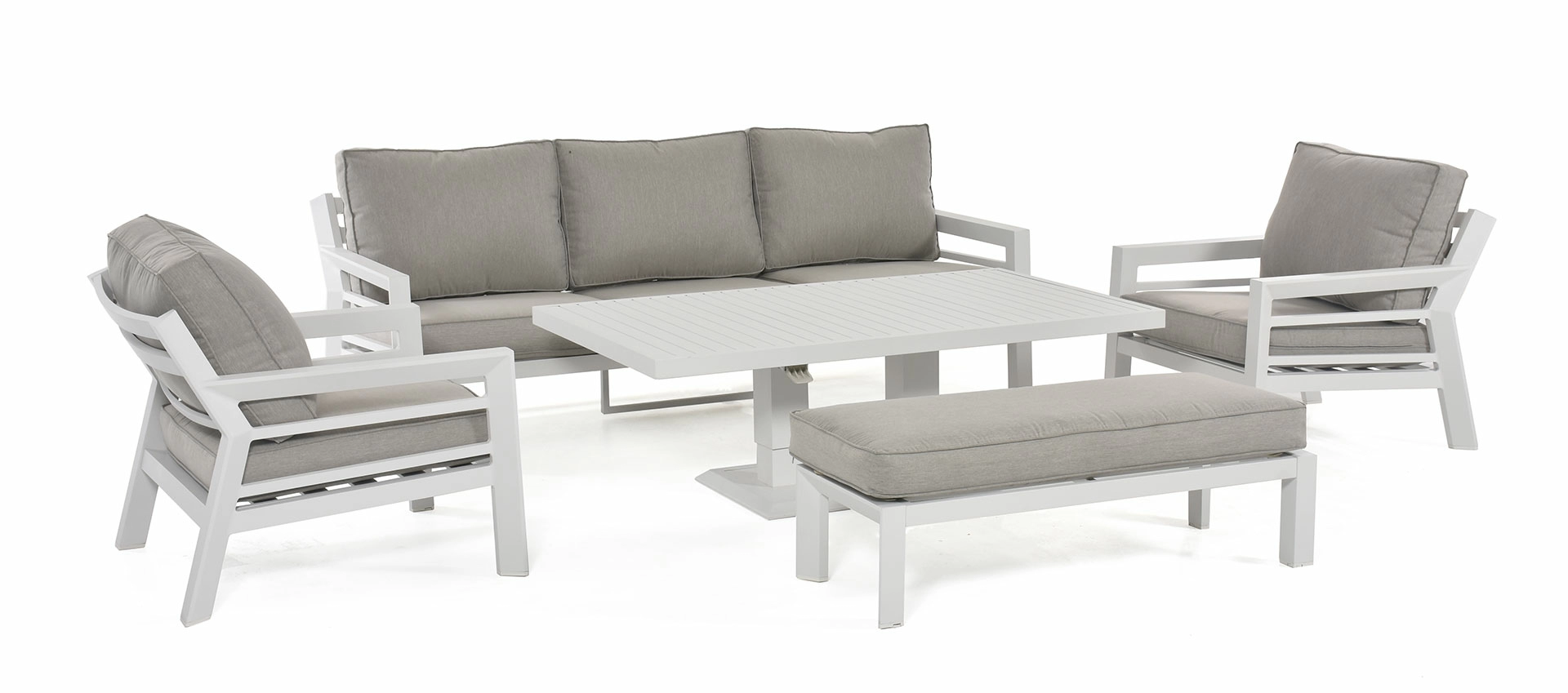
How can I protect my outdoor furniture during the winter months?
Protecting your outdoor furniture during the winter months is crucial to ensure its longevity and keep it in good condition. Here are some tips to help you protect your outdoor furniture:
1. Clean and Prepare: Before winter arrives, thoroughly clean your outdoor furniture to remove any dirt, debris, or stains. Use a mild soap, water, and a soft brush or sponge. Rinse the furniture thoroughly and allow it to dry completely. Once clean, apply an appropriate protective finish or sealant if recommended by the manufacturer.
2. Store Indoors: If possible, consider storing your outdoor furniture indoors during the winter months. A garage, basement, or storage shed can provide protection from harsh winter weather. If space is limited, prioritize storing more delicate or valuable pieces, such as cushions or lightweight furniture, while heavier or more durable items may be left outside with proper coverings.
3. Use Furniture Covers: If storing your furniture indoors is not an option, use weather-resistant covers designed specifically for outdoor furniture. Look for covers made from durable materials that are waterproof, UV-resistant, and breathable. Properly cover each piece of furniture, including tables, chairs, and cushions, to keep them protected from snow, rain, and wind.
4. Elevate and Protect: When leaving furniture outside, elevate it from the ground to prevent moisture damage. Use furniture glides, blocks, or a raised platform to keep the furniture off the wet or frozen ground. Additionally, use furniture protectors or caps on the legs to prevent scratching or damage to delicate surfaces.
5. Remove Cushions and Fabric: If your outdoor furniture has removable cushions or fabric, it’s best to store them indoors during the winter. Clean the cushions thoroughly, allow them to dry completely, and store them in a dry and protected area. If storing indoors is not possible, use weather-resistant cushion storage bags or containers to keep them protected from moisture and pests.
6. Inspect and Maintain: Periodically check on your outdoor furniture during the winter months. Remove any accumulated snow or debris from the covers and ensure they are securely in place. Inspect the furniture for any signs of damage or wear and make any necessary repairs as soon as possible.
7. Avoid Excessive Weight: While it may be tempting to use your outdoor furniture as storage surfaces during the winter, it’s best to avoid placing heavy objects on them. Excessive weight can cause damage or warping, especially if the furniture is made from materials like wicker or plastic.
By following these tips, you can help protect your outdoor furniture during the winter months and extend its lifespan. Remember to always refer to the manufacturer’s guidelines and recommendations for specific care instructions for your furniture.
editor by CX 2024-01-24