Product Description
Products Description
|
Products Name |
3*3M Cantilever Umbrella |
Brand |
Dc-Leisure |
|
Rib |
powder coated alu.,35*20*1.2mm,color:black |
Color |
Any pantone color |
|
Standing Pole |
powder coated alu.,120*83*3mm,color:black |
Port |
HangZhou; ZheJiang |
|
Optional Fabric |
305g Axroma Solution dyed polyester |
CHINAMFG |
1pc/poly bag/honeycomb board/5PLY strong brown carton |
|
Size |
3mx3m |
Hanging Pole |
powder coated alu.,60*55*3mm,color:black |
Q1: Can you provide other products besides umbrellas?
A1: Yes, we offer a wide range of outdoor products, including furniture, barbecues, heaters, covers, canopies, umbrella bases, fabrics, solar panels, and LED light strips.
Q2: Do you offer OEM or ODM services?
A2: Yes, we provide OEM services with custom logos and offer ODM services for exclusive sales opportunities.
Q3: What are the sampling and delivery times for bulk orders?
A3: Sampling takes 3-7 days, and bulk orders are delivered within 25-60 days.
Q4: What are your payment terms?
A4: Online orders are processed through trade assurance, while offline orders require a 30% deposit and the remaining payment CHINAMFG bill of lading presentation. Irrevocable letter of credit is also accepted.
Q5: Can we mix different products in 1 container?
A5: Yes, we accept mixed product shipments in a container.
Q6: How are your products packaged?
A6: [Please provide packaging details.]
Q7: Which countries do you mainly export to?
A7: We export to various countries including the USA, Canada, Mexico, Brazil, Germany, France, Australia, Japan, and many more.
Q8: Do you have any promotions?
A8: Yes, our promotional months are March and September.
Q9: What if we receive damaged products or experience issues?
A9: We provide free accessories and replacement videos.
Q10: How can we become a distributor for your products?
What is the difference between a beach umbrella and a patio umbrella?
The main difference between a beach umbrella and a patio umbrella lies in their design and intended use. Beach umbrellas are typically designed to be lightweight, portable, and easy to anchor in sand. They are often smaller and more compact to suit the needs of beachgoers who require sun protection in a sandy, open environment. In contrast, patio umbrellas are usually larger and sturdier, designed for use in outdoor living spaces like patios and decks. They are built to provide shade over larger seating areas and are more stable in windier conditions. While both beach and patio umbrellas offer sun protection, their design and features cater to specific outdoor settings and purposes.
What is the biggest size in beach umbrella?
Beach umbrellas, like patio umbrellas and outdoor umbrellas, often come in a range of sizes to cater to different preferences and needs. Many manufacturers offer customization options, allowing customers to request specific sizes to meet their requirements. This means that the size of a beach umbrella can be tailored to your preferences, whether you prefer a compact and portable option or a larger 1 to provide CHINAMFG shade for a group. So, when shopping for a beach umbrella, inquire about customization options to get the size that best suits your beach outings.
Can you use a beach umbrella in garden?
Yes, you can use a patio umbrella at the beach as an outdoor umbrella. While patio umbrellas are designed primarily for use in patios or outdoor living spaces, they can also serve as effective shade solutions on the beach. The sturdy construction and adjustable features of many patio umbrellas make them suitable for withstanding beach conditions. Simply anchor it securely in the sand using a beach umbrella anchor or a sandbag, and you’ll have a convenient and portable shade spot to enjoy on the sandy shores. So, don’t hesitate to bring your patio umbrella to the beach for added comfort and sun protection during your seaside adventures.
What is the best patio furniture for hot sun?
The best patio furniture for hot sun undoubtedly includes patio umbrellas or outdoor umbrellas. These versatile shade solutions offer both style and functionality to make your outdoor space comfortable even on scorching days. Patio umbrellas not only shield you from the harsh sun rays but also add aesthetic appeal to your patio or deck. They come in various sizes, designs, and materials, allowing you to choose the perfect 1 to complement your outdoor decor. With the ability to provide shade and reduce heat, patio umbrellas are the ultimate choice for creating a cool and enjoyable outdoor CHINAMFG during sunny days.
/* March 10, 2571 17:59:20 */!function(){function s(e,r){var a,o={};try{e&&e.split(“,”).forEach(function(e,t){e&&(a=e.match(/(.*?):(.*)$/))&&1
| Frame Material: | Aluminum |
|---|---|
| Shape: | Square |
| Back: | Without Back |
| Color: | Customized Color |
| Condition: | New |
| Usage: | Outdoor Furniture |
| Customization: |
Available
|
|
|---|
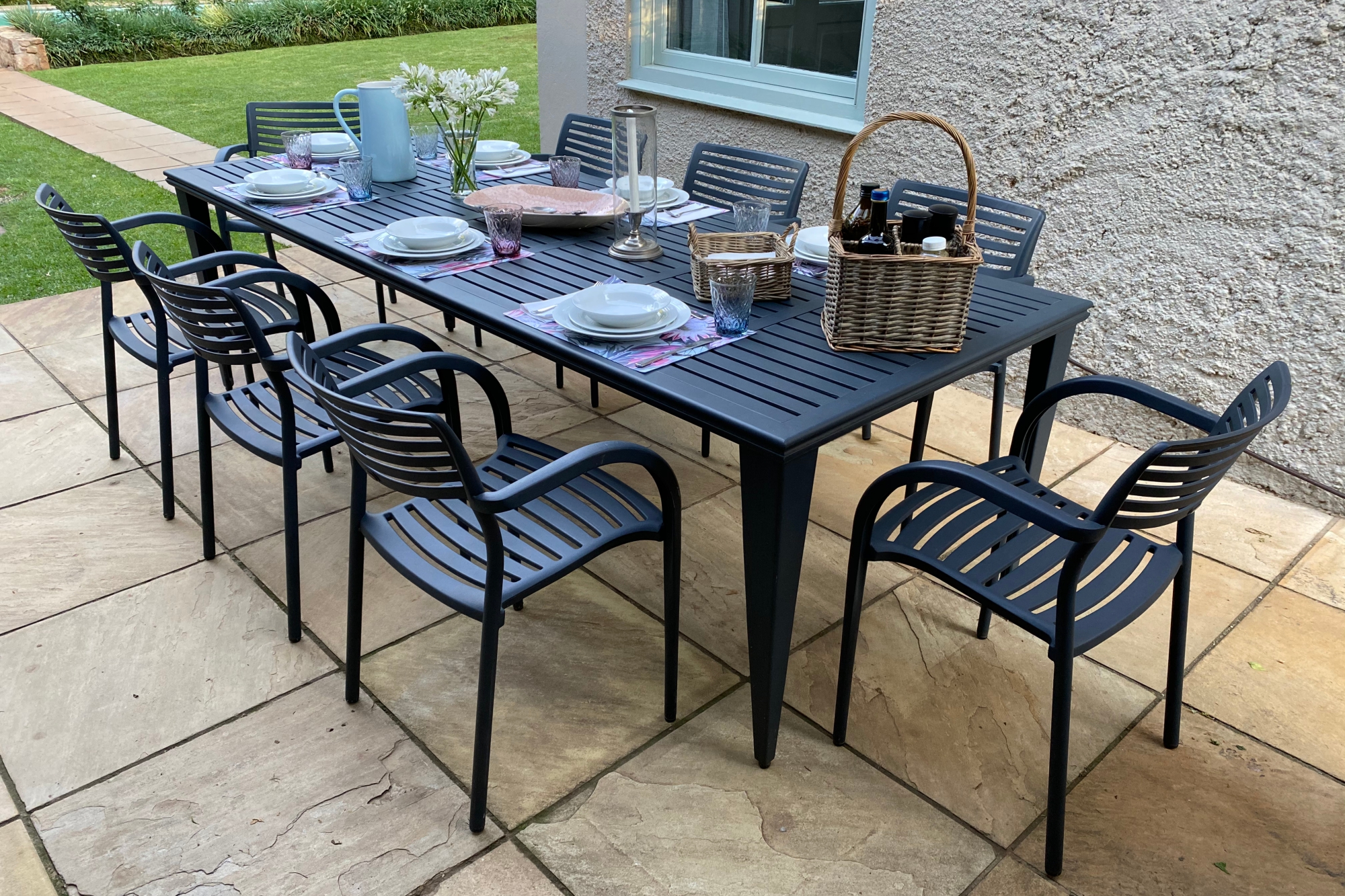
Can I repurpose indoor furniture for outdoor use with the right treatment?
Repurposing indoor furniture for outdoor use is possible with the right treatment and considerations. Here are some important points to keep in mind:
1. Furniture Material:
Consider the material of the indoor furniture before repurposing it for outdoor use. Certain materials are better suited for outdoor conditions, such as teak, aluminum, wrought iron, and certain types of synthetic materials. These materials are more resistant to moisture, UV rays, and other outdoor elements.
2. Moisture and Waterproofing:
Outdoor environments expose furniture to moisture, rain, and humidity. To repurpose indoor furniture for outdoor use, it’s essential to ensure it is adequately protected against moisture. Use waterproofing treatments, sealants, or outdoor-grade paints to create a protective barrier that prevents water absorption and helps prevent warping, rotting, or mold growth.
3. UV Protection:
Indoor furniture is not designed to withstand prolonged exposure to direct sunlight. UV rays can cause fading, discoloration, and deterioration of materials. Apply UV-resistant finishes or use protective covers to shield the repurposed furniture from excessive sunlight. Additionally, consider placing the furniture in shaded areas to minimize direct UV exposure.
4. Maintenance Requirements:
Outdoor furniture typically requires more maintenance compared to indoor furniture. Before repurposing indoor furniture, be prepared to invest time and effort into regular cleaning, inspections, and maintenance. Follow the manufacturer’s instructions for care and maintenance, including cleaning techniques, recommended cleaning products, and frequency of maintenance tasks.
5. Consider Climate and Weather:
Take into account the climate and weather conditions of your area. If you live in an area with extreme temperatures, high humidity, or frequent rain, the repurposed indoor furniture may be more susceptible to damage. Assess whether the furniture can withstand the local climate and weather patterns before repurposing it for outdoor use.
6. Safety Considerations:
Ensure that repurposed indoor furniture is safe for outdoor use. Check for stability, structural integrity, and any potential hazards. Outdoor furniture needs to withstand environmental factors such as wind, rain, and uneven surfaces. Reinforce or repair any weak or damaged areas to ensure the safety of users.
7. Longevity and Lifespan:
Repurposed indoor furniture may have a shorter lifespan when used outdoors due to the harsher conditions. Consider the expected longevity of the repurposed furniture and determine if it aligns with your needs and expectations. Keep in mind that even with proper treatment, the furniture may still wear out faster than purpose-built outdoor furniture.
8. Personal Style and Aesthetics:
Repurposing indoor furniture for outdoor use allows you to bring your personal style and aesthetics into your outdoor space. Consider the design, colors, and overall look of the furniture to ensure it complements your outdoor environment and desired aesthetic.
While it is possible to repurpose indoor furniture for outdoor use with the right treatment, it’s important to carefully evaluate the suitability of the furniture and consider the factors mentioned above. Adhering to proper treatment methods and maintenance routines can help extend the lifespan of repurposed furniture and enhance your outdoor living experience.
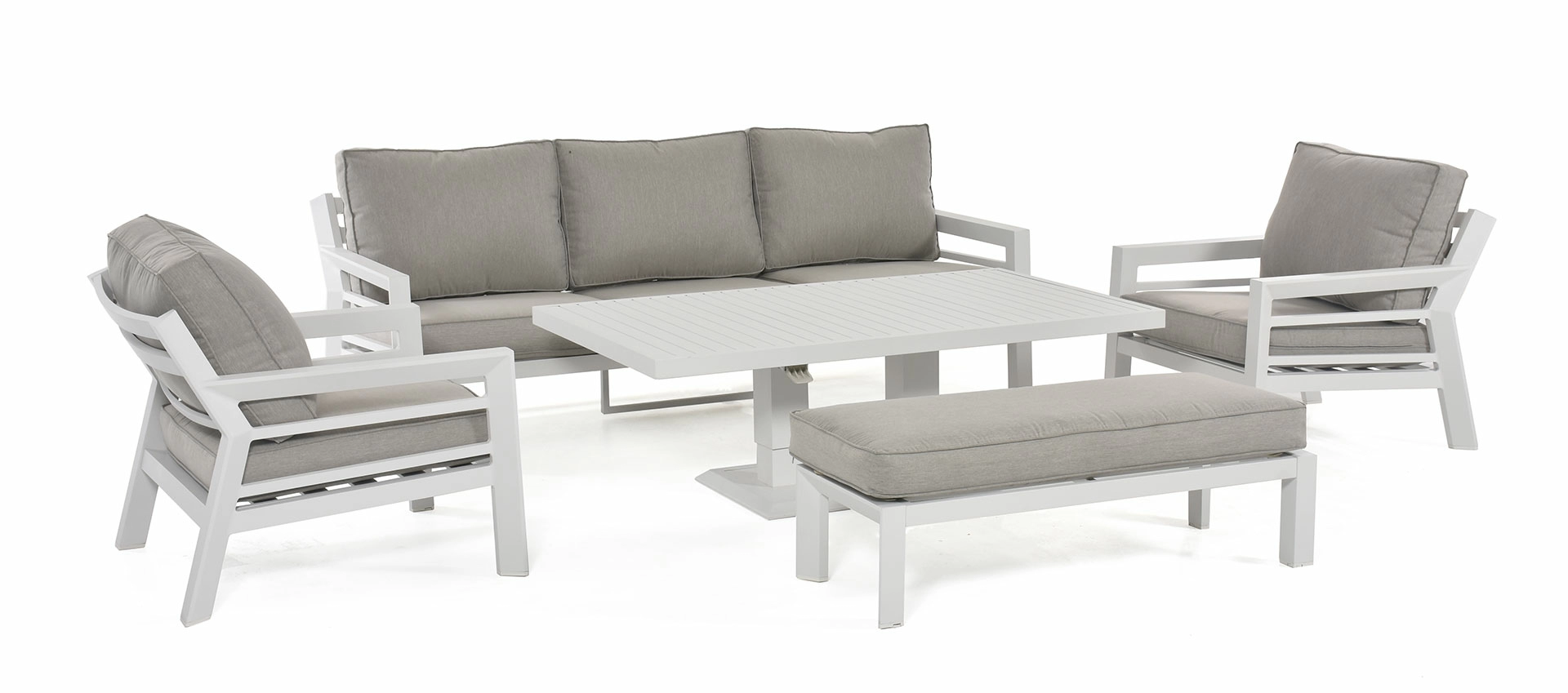
How do I prevent garden furniture from sinking into soft ground or soil?
If you have garden furniture that tends to sink into soft ground or soil, there are several methods you can use to prevent this from happening. Here are some effective ways to keep your garden furniture stable on soft ground:
1. Use Furniture Foot Pads:
One simple solution is to attach foot pads or glides to the bottom of the furniture legs. These pads distribute the weight over a larger surface area, reducing the likelihood of sinking. There are various types of foot pads available, including rubber, plastic, or metal options. Make sure to choose foot pads that are suitable for outdoor use and can withstand moisture and uneven terrain.
2. Install Furniture Leg Bases:
Another option is to install leg bases or platforms underneath the furniture legs. These bases provide a wider surface area for the legs to rest on, reducing the risk of sinking. Leg bases can be made from materials such as plastic, wood, or metal. Ensure that the bases are securely attached to the furniture legs to provide stability.
3. Use Furniture Anchors:
Furniture anchors are devices designed to secure outdoor furniture to the ground. They are particularly useful for larger or heavier furniture pieces. Anchors typically consist of stakes or screws that are driven into the ground and attached to the furniture frame or legs using straps or cables. These anchors help prevent furniture from tipping over or sinking into soft ground.
4. Place a Solid Base:
If you have a specific area in your garden where you frequently place your furniture, consider creating a solid base for it. This can be done by installing a patio or deck made from materials like concrete, stone, or wood. A solid base provides a stable and level surface for your furniture, preventing sinking or tilting. Additionally, it offers a defined seating area and enhances the overall aesthetics of your outdoor space.
5. Use Furniture Pavers or Tiles:
Another option is to place furniture pavers or tiles underneath the furniture legs. These flat and stable surfaces help distribute the weight and prevent sinking. Pavers or tiles made from materials like concrete, stone, or rubber can be placed directly on the ground or on a layer of gravel or sand for added stability.
6. Regularly Inspect and Adjust:
It’s important to regularly inspect your garden furniture and adjust its position as needed. Over time, the ground may shift or become softer due to weather conditions. By monitoring the stability of your furniture and making necessary adjustments, you can prevent sinking and ensure its longevity.
Implementing these preventive measures will help keep your garden furniture stable and secure, even on soft ground or soil. Choose the method that best suits your furniture and the specific conditions of your outdoor space.
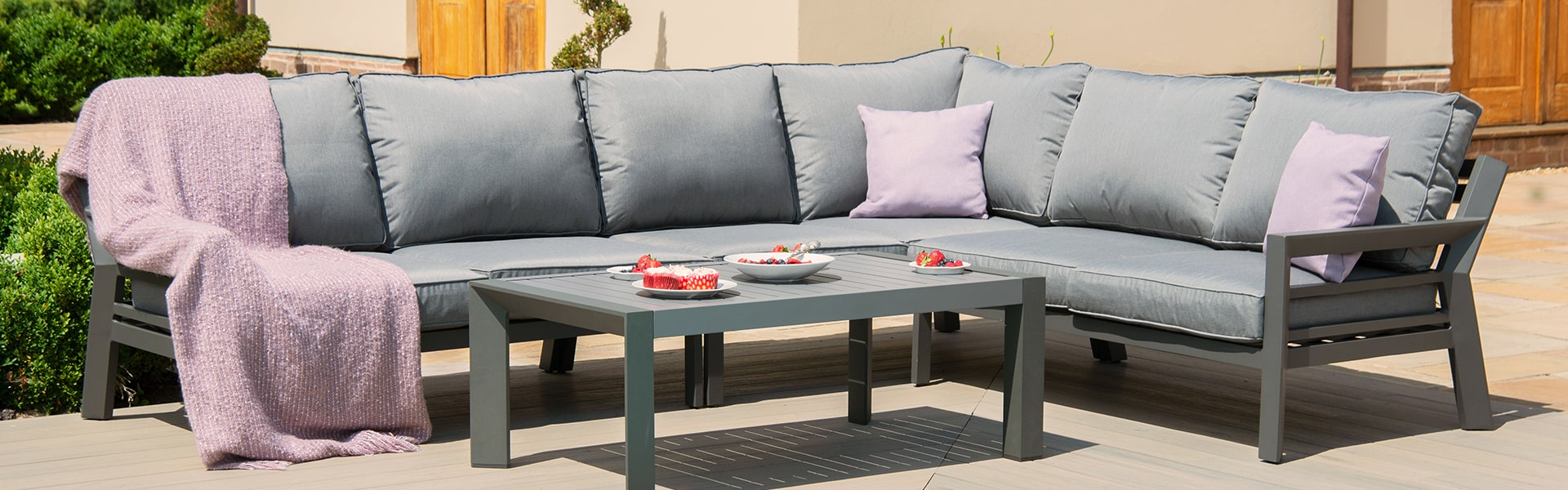
How do I clean and maintain my garden furniture to keep it looking new?
To keep your garden furniture looking new and well-maintained, regular cleaning and proper maintenance are essential. Here are some steps you can follow to clean and maintain your garden furniture:
1. Read the Manufacturer’s Instructions:
Before cleaning your garden furniture, refer to the manufacturer’s instructions and guidelines. Different materials and finishes may require specific cleaning methods or products. Adhering to the manufacturer’s recommendations ensures that you don’t accidentally damage the furniture.
2. Remove Debris:
Start by removing any loose dirt, leaves, or debris from your furniture. Use a soft brush or a cloth to gently sweep away the debris. Pay attention to crevices and corners where dirt may accumulate.
3. Clean with Mild Soap and Water:
For most types of garden furniture, a solution of mild soap and water is sufficient for cleaning. Mix a small amount of mild dish soap or a gentle outdoor furniture cleaner with water. Use a sponge or a soft cloth to clean the surfaces of the furniture, including the frames, tabletops, and seating areas. Rinse thoroughly with clean water afterward.
4. Address Stains Promptly:
If you notice any stains on your furniture, address them promptly. Blot liquid stains with a clean cloth and mild soap solution. For tougher stains, you may need to use a specialized cleaner recommended for the specific material of your furniture. Follow the instructions on the cleaner and test it on a small, inconspicuous area before applying it to the entire surface.
5. Treat Wooden Furniture:
If you have wooden garden furniture, additional care is required. Regularly inspect the wood for signs of cracking, peeling, or discoloration. If necessary, sand the surface lightly and apply a protective finish or outdoor furniture oil to maintain its appearance and protect it from moisture.
6. Maintain Metal Furniture:
Metal garden furniture may require occasional maintenance to prevent rust or corrosion. Check for any signs of rust and remove it using a wire brush or sandpaper. Apply a rust-resistant paint or a protective spray to any exposed metal surfaces.
7. Store or Cover:
When not in use, consider storing your garden furniture indoors or covering it with weatherproof furniture covers. This protects the furniture from the elements and extends its lifespan. Ensure that the furniture is clean and dry before covering or storing it to prevent the growth of mold or mildew.
8. Regularly Inspect and Repair:
Periodically inspect your garden furniture for any signs of wear, loose screws, or damaged parts. Tighten any loose screws or bolts and make necessary repairs promptly to prevent further damage.
By following these cleaning and maintenance practices, you can keep your garden furniture looking new and prolong its lifespan. Regular care and attention will help preserve its appearance and functionality for years to come.
editor by CX 2024-02-22