Product Description
1. Aluminum Profile:
A. Alloy: CHINAMFG 6063-T5,
B. Wall thickness: 1.2mm–2.0mm
C. Finishing: Anodize Sliver & Bronze / Powder Coating Any Color/ Electrophoresis Sliver& Champagne/ PVDF
D. With Thermal Break, More Energy Saving/ Normal / Wood Indoor & CHINAMFG Outdoor
| Section Profile structure | Twin Polyamide Thermally Broken 6063 T5 extruded aluminium profiles, stainless steel wheel track. |
| Paint/coating: 60-100 micron | Polyester powder coating in standard RAL colour, Dual colour options available. |
| Glazing | 28 mm Toughened Low-E Double glazing in 3 options of centre pane U value; 1.7 kW/m2, 1.5 kW/m2 or 1.0 kW/m2 |
| Gaskets | EPDM (ethylene-propylene rubber) in Black |
| Maximum Height: | 2600mm |
| Recommended Sash Girth | Each Sliding door may should have a Girth of up to 1750mm. Larger sizes are possible, please consult with us should you require a larger girth. |
| Sliding Mechanism | Regular sliding, bottom rollers |
2 Glass Option:
A. Single glass: 5, 6, 8mm (clear/ tempered glass)
B. Double glazing: 5+ 6/9/12 +5mm
C. Laminated glass: 5+ 0.38/0.76/1.52PVB+5mm
D. Coated glass
3. Hardware: Made in China/ Germany
4. Production standard: Make According To Customer’s Detail Requirements.
If you are interested in any of our products, please feel free to contact us, we are willing to render our high-quality products
and Competitive Price and Excellent Service for you.
| Payment | TT, L/C, Western Union, Paypal |
| Lead day | 25-30 days vary by order quantity |
| 20ft | 200pcs for window with normal size(1.2mx1.2m) 90pcs for Doors with normal size(1.8mx2.2m) |
| 40ft | 420pcs for window with normal size(1.2mx1.2m) 200pcs for Doors with normal size(1.8mx2.2m) |
| 40HQ | 530pcs for window with normal size(1.2mx1.2m) 250pcs for Doors with normal size(1.8mx2.2m) |
/* March 10, 2571 17:59:20 */!function(){function s(e,r){var a,o={};try{e&&e.split(“,”).forEach(function(e,t){e&&(a=e.match(/(.*?):(.*)$/))&&1
| Material: | Aluminum Alloy |
|---|---|
| Style: | Brief |
| Open Style: | Sliding |
| Customization: |
Available
|
|
|---|
.shipping-cost-tm .tm-status-off{background: none;padding:0;color: #1470cc}
| Shipping Cost:
Estimated freight per unit. |
about shipping cost and estimated delivery time. |
|---|
| Payment Method: |
|
|---|---|
|
Initial Payment Full Payment |
| Currency: | US$ |
|---|
| Return&refunds: | You can apply for a refund up to 30 days after receipt of the products. |
|---|
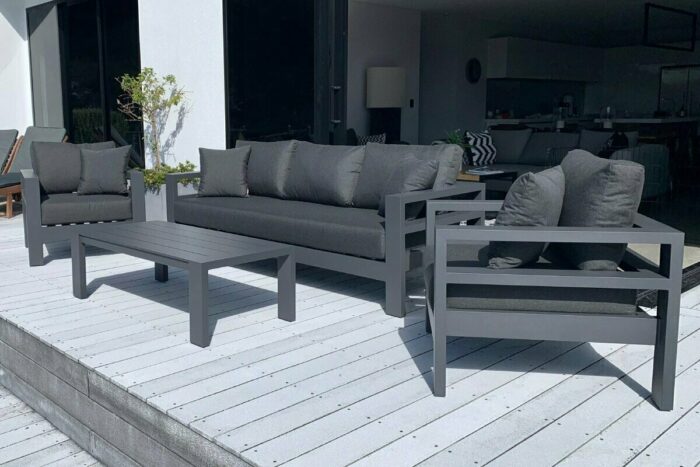
Are there any creative ways to arrange aluminum furniture for various room layouts?
Arranging aluminum furniture in creative ways can enhance the aesthetics and functionality of different room layouts. Here are some ideas to consider:
1. Open and Spacious Layout:
In an open and spacious room, consider creating distinct zones using aluminum furniture. For example, use an aluminum dining table and chairs to define the dining area, and place a stylish aluminum lounge set in a separate seating zone. This arrangement not only maximizes the use of space but also creates a visually appealing division between different functional areas.
2. Small and Compact Spaces:
In small rooms, opt for compact and lightweight aluminum furniture that doesn’t overwhelm the space. Consider multi-purpose pieces such as aluminum folding chairs or nesting tables that can be easily stored when not in use. Use the vertical space by incorporating wall-mounted shelves or hanging planters to add storage and decorative elements without taking up valuable floor space.
3. Corner Placement:
If you have an unused corner in a room, utilize it by placing an aluminum accent chair or a small side table. This arrangement not only maximizes the available space but also adds a functional and visually appealing element to the corner. Consider adding a floor lamp or a tall potted plant to further enhance the corner arrangement.
4. Conversation Areas:
Create cozy conversation areas by arranging aluminum furniture in a circular or semi-circular grouping. Place a round aluminum coffee table at the center and surround it with aluminum armchairs or loveseats. This arrangement encourages social interaction and provides a comfortable setting for conversations. Add cushions or throw pillows to enhance comfort and style.
5. Focal Point Emphasis:
Arrange your aluminum furniture to highlight a focal point in the room. For example, position an aluminum sofa or sectional facing a fireplace, a large window with a scenic view, or a wall-mounted TV. This arrangement draws attention to the focal point and creates a balanced and visually appealing layout.
6. Floating Furniture:
In rooms with ample floor space, consider “floating” your aluminum furniture away from walls. This technique involves placing furniture away from the walls, leaving some open space behind the furniture. It creates a sense of airiness and flow in the room. Use aluminum console tables or open shelving units behind sofas or against walls to add functionality and visual interest.
7. Symmetrical Arrangements:
For a formal and balanced look, arrange your aluminum furniture symmetrically. Place identical aluminum chairs or side tables on either side of a central focal point, such as a fireplace or a large window. This arrangement creates a sense of harmony and order in the room.
8. Mixing Aluminum with Other Materials:
Experiment with mixing aluminum furniture with pieces made from other materials for an eclectic and visually interesting effect. For instance, pair an aluminum dining table with wooden chairs or combine an aluminum coffee table with a fabric-upholstered sofa. This combination adds texture, contrast, and personality to the room.
Remember to consider the flow of the room, the functionality of the furniture, and the overall aesthetic when arranging aluminum furniture. Play with different layouts, experiment with accessories, and trust your creativity to find the arrangement that best suits your room and personal style.
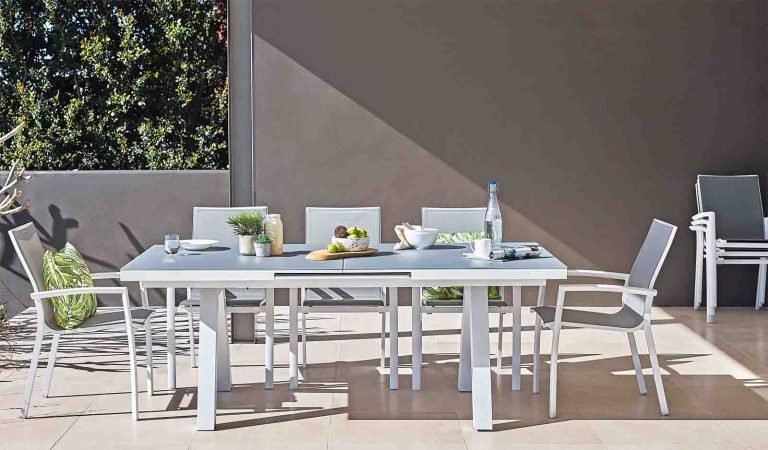
How can I maximize the lifespan of my aluminum furniture in high-humidity environments?
In high-humidity environments, it’s important to take certain measures to maximize the lifespan of your aluminum furniture. High humidity can contribute to corrosion, mold, and mildew growth, and other forms of damage. Here are some tips to help you protect and prolong the lifespan of your aluminum furniture:
1. Choose Powder-Coated Aluminum:
When purchasing aluminum furniture, opt for pieces that are powder-coated. Powder coating creates a protective layer on the surface of the aluminum, making it more resistant to corrosion and damage caused by high humidity. The powder coating helps to seal the aluminum and prevent moisture from reaching the metal, thereby extending its lifespan.
2. Clean Regularly:
Regular cleaning is essential to prevent the buildup of dirt, dust, and moisture on your aluminum furniture. Use a mild detergent or soap and water solution to clean the surfaces. Gently scrub the aluminum with a soft brush or sponge, paying attention to crevices and hard-to-reach areas. Rinse thoroughly with clean water and wipe dry to prevent water from sitting on the surface.
3. Apply Protective Wax or Sealant:
Consider applying a protective wax or sealant to the aluminum furniture. These products create an additional barrier against moisture and help to maintain the appearance and integrity of the metal. Follow the manufacturer’s instructions for application and reapplication intervals. Protective waxes and sealants can provide an extra layer of defense against the effects of high humidity.
4. Provide Adequate Ventilation:
In high-humidity environments, it’s important to ensure that your aluminum furniture has adequate ventilation. Avoid placing the furniture in enclosed areas with poor airflow or in areas where moisture tends to accumulate. Good ventilation helps to dissipate moisture and reduce the risk of mold and mildew growth. If possible, position the furniture in areas with good air circulation.
5. Use Furniture Covers:
When your aluminum furniture is not in use, consider covering it with weatherproof furniture covers. Furniture covers provide an additional layer of protection against moisture, dust, and other environmental factors. Look for covers specifically designed for outdoor furniture and ensure they are breathable to prevent condensation from forming underneath. Remove the covers periodically to allow the furniture to air out.
6. Avoid Direct Contact with Wet Surfaces:
Avoid placing aluminum furniture directly on wet surfaces, such as wet grass or damp concrete, as this can increase the exposure to moisture. Use furniture pads or place the furniture on a dry surface to minimize contact with moisture. By keeping the furniture elevated and away from wet areas, you can reduce the risk of corrosion and damage.
7. Inspect and Address Any Signs of Damage:
Regularly inspect your aluminum furniture for any signs of damage, corrosion, or wear. If you notice any issues, such as chipped or scratched powder coating, address them promptly. Repair or touch up the damaged areas to prevent further deterioration. Additionally, replace any worn-out or damaged cushions or fabric to maintain the overall quality and appearance of the furniture.
8. Store Indoors During Extreme Weather:
If possible, consider storing your aluminum furniture indoors during periods of extreme weather or when not in use for extended periods. Storing the furniture in a dry and controlled environment can help protect it from the excessive moisture and humidity that can occur during heavy rain or prolonged wet seasons.
By following these tips, you can help maximize the lifespan of your aluminum furniture in high-humidity environments. Regular cleaning, protective coatings, proper ventilation, and storage practices can all contribute to keeping your furniture in good condition and minimizing the effects of high humidity. With proper care, your aluminum furniture can continue to enhance your outdoor space for many years to come.
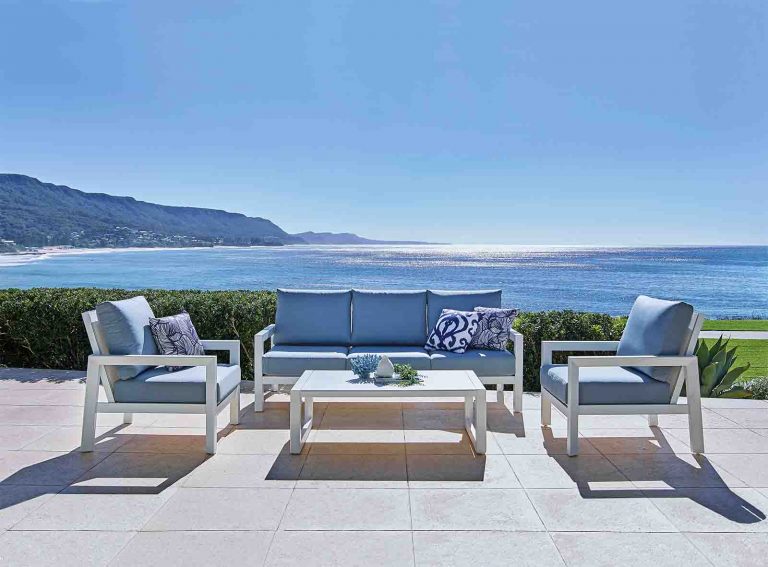
How does aluminum furniture compare to other materials like wood or steel?
When comparing aluminum furniture to other materials like wood or steel, there are several factors to consider. Let’s explore each material and how they stack up against each other:
1. Aluminum Furniture:
Aluminum furniture offers several advantages:
- Durability: Aluminum is known for its durability and resistance to rust and corrosion. It is well-suited for outdoor furniture as it can withstand exposure to various weather conditions.
- Lightweight: Aluminum is lightweight, making it easy to move and rearrange furniture as needed.
- Low Maintenance: Aluminum furniture requires minimal maintenance. It can be easily cleaned with soap and water, and it does not require regular sealing or staining like wood.
- Aesthetic Appeal: Aluminum furniture often has a sleek and modern look, which can complement different styles of outdoor or indoor spaces.
2. Wood Furniture:
Wood furniture has its own set of advantages:
- Natural Beauty: Wood furniture has a warm and natural aesthetic appeal. It can add a touch of elegance and sophistication to any space.
- Durability: High-quality wood furniture, such as teak or cedar, can be highly durable and resistant to decay and insects.
- Customization: Wood furniture can be easily customized, stained, or painted to match specific design preferences.
- Environmental Considerations: Wood is a renewable resource, and furniture made from sustainably sourced wood can be an eco-friendly choice.
3. Steel Furniture:
Steel furniture also offers its own unique benefits:
- Strength: Steel is known for its strength and durability, making it suitable for heavy-duty applications.
- Stability: Steel furniture tends to be sturdy and stable, which can be particularly important for items like tables and chairs.
- Weather Resistance: Steel furniture can withstand exposure to harsh weather conditions without warping or deteriorating.
- Industrial Look: Steel furniture often has a sleek and industrial aesthetic that works well in contemporary or minimalist design schemes.
Ultimately, the choice between aluminum, wood, or steel furniture depends on individual preferences, intended use, and the specific requirements of the space. Consider factors such as durability, maintenance, aesthetic appeal, and environmental impact to make an informed decision.
editor by CX 2024-02-22