Product Description
Quick Cooling Energy Saving General Industrial Air Compressors Good Price
/* March 10, 2571 17:59:20 */!function(){function s(e,r){var a,o={};try{e&&e.split(“,”).forEach(function(e,t){e&&(a=e.match(/(.*?):(.*)$/))&&1
| After-sales Service: | Online |
|---|---|
| Warranty: | 1 Year |
| Lubrication Style: | Oil-free |
| Cooling System: | Air Cooling |
| Cylinder Arrangement: | Duplex Arrangement |
| Cylinder Position: | Angular |
| Samples: |
US$ 500/Piece
1 Piece(Min.Order) | |
|---|
| Customization: |
Available
|
|
|---|
.webp)
How are air compressors used in the food and beverage industry?
Air compressors play a vital role in the food and beverage industry, providing a reliable source of compressed air for various applications. Here are some common uses of air compressors in this industry:
1. Packaging and Filling:
Air compressors are extensively used in packaging and filling operations in the food and beverage industry. Compressed air is utilized to power pneumatic systems that control the movement and operation of packaging machinery, such as filling machines, capping machines, labeling equipment, and sealing devices. The precise and controlled delivery of compressed air ensures accurate and efficient packaging of products.
2. Cleaning and Sanitization:
Air compressors are employed for cleaning and sanitization purposes in food and beverage processing facilities. Compressed air is used to operate air-powered cleaning equipment, such as air blowguns, air-operated vacuum systems, and air knives. It helps remove debris, dust, and contaminants from production lines, equipment, and hard-to-reach areas. Additionally, compressed air is used for drying surfaces after cleaning and for applying sanitizing agents.
3. Cooling and Refrigeration:
In the food and beverage industry, air compressors are utilized in cooling and refrigeration systems. Compressed air is used to drive air compressors in refrigeration units, enabling the circulation of refrigerants and maintaining optimal temperatures for food storage and preservation. The controlled airflow provided by the compressors facilitates efficient cooling and refrigeration processes.
4. Aeration and Mixing:
Air compressors are used for aeration and mixing applications in the food and beverage industry. Compressed air is introduced into processes such as fermentation, dough mixing, and wastewater treatment. It helps in promoting oxygen transfer, enhancing microbial activity, and facilitating proper mixing of ingredients or substances, contributing to the desired quality and consistency of food and beverage products.
5. Pneumatic Conveying:
In food processing plants, air compressors are employed for pneumatic conveying systems. Compressed air is used to transport bulk materials such as grains, powders, and ingredients through pipes or tubes. It enables the gentle and efficient movement of materials without the need for mechanical conveyors, reducing the risk of product damage or contamination.
6. Quality Control and Testing:
Air compressors are utilized in quality control and testing processes within the food and beverage industry. Compressed air is used for leak testing of packaging materials, containers, and seals to ensure product integrity. It is also employed for spraying air or gases during sensory analysis and flavor testing.
7. Air Agitation:
In certain food and beverage production processes, air compressors are used for air agitation. Compressed air is introduced into tanks, mixing vessels, or fermentation tanks to create turbulence and promote mixing or chemical reactions. It aids in achieving consistent product quality and uniform distribution of ingredients or additives.
It is important to note that air compressors used in the food and beverage industry must meet strict hygiene and safety standards. They may require specific filtration systems, oil-free operation, and compliance with food safety regulations to prevent contamination or product spoilage.
By utilizing air compressors effectively, the food and beverage industry can benefit from improved productivity, enhanced product quality, and efficient processing operations.
.webp)
Are there differences between single-stage and two-stage air compressors?
Yes, there are differences between single-stage and two-stage air compressors. Here’s an in-depth explanation of their distinctions:
Compression Stages:
The primary difference between single-stage and two-stage air compressors lies in the number of compression stages they have. A single-stage compressor has only one compression stage, while a two-stage compressor has two sequential compression stages.
Compression Process:
In a single-stage compressor, the entire compression process occurs in a single cylinder. The air is drawn into the cylinder, compressed in a single stroke, and then discharged. On the other hand, a two-stage compressor utilizes two cylinders or chambers. In the first stage, air is compressed to an intermediate pressure in the first cylinder. Then, the partially compressed air is sent to the second cylinder where it undergoes further compression to reach the desired final pressure.
Pressure Output:
The number of compression stages directly affects the pressure output of the air compressor. Single-stage compressors typically provide lower maximum pressure levels compared to two-stage compressors. Single-stage compressors are suitable for applications that require moderate to low air pressure, while two-stage compressors are capable of delivering higher pressures, making them suitable for demanding applications that require greater air pressure.
Efficiency:
Two-stage compressors generally offer higher efficiency compared to single-stage compressors. The two-stage compression process allows for better heat dissipation between stages, reducing the chances of overheating and improving overall efficiency. Additionally, the two-stage design allows the compressor to achieve higher compression ratios while minimizing the work done by each stage, resulting in improved energy efficiency.
Intercooling:
Intercooling is a feature specific to two-stage compressors. Intercoolers are heat exchangers placed between the first and second compression stages. They cool down the partially compressed air before it enters the second stage, reducing the temperature and improving compression efficiency. The intercooling process helps to minimize heat buildup and reduces the potential for moisture condensation within the compressor system.
Applications:
The choice between a single-stage and two-stage compressor depends on the intended application. Single-stage compressors are commonly used for light-duty applications such as powering pneumatic tools, small-scale workshops, and DIY projects. Two-stage compressors are more suitable for heavy-duty applications that require higher pressures, such as industrial manufacturing, automotive service, and large-scale construction.
It is important to consider the specific requirements of the application, including required pressure levels, duty cycle, and anticipated air demand, when selecting between a single-stage and two-stage air compressor.
In summary, the main differences between single-stage and two-stage air compressors lie in the number of compression stages, pressure output, efficiency, intercooling capability, and application suitability.
.webp)
What is the purpose of an air compressor?
An air compressor serves the purpose of converting power, typically from an electric motor or an engine, into potential energy stored in compressed air. It achieves this by compressing and pressurizing air, which can then be used for various applications. Here’s a detailed explanation of the purpose of an air compressor:
1. Powering Pneumatic Tools: One of the primary uses of an air compressor is to power pneumatic tools. Compressed air can be used to operate a wide range of tools, such as impact wrenches, nail guns, paint sprayers, sanders, and drills. The compressed air provides the necessary force and energy to drive these tools, making them efficient and versatile.
2. Supplying Clean and Dry Air: Air compressors are often used to supply clean and dry compressed air for various industrial processes. Many manufacturing and production operations require a reliable source of compressed air that is free from moisture, oil, and other contaminants. Air compressors equipped with appropriate filters and dryers can deliver high-quality compressed air for applications such as instrumentation, control systems, and pneumatic machinery.
3. Inflating Tires and Sports Equipment: Air compressors are commonly used for inflating tires, whether it’s for vehicles, bicycles, or sports equipment. They provide a convenient and efficient method for quickly filling tires with the required pressure. Air compressors are also used for inflating sports balls, inflatable toys, and other similar items.
4. Operating HVAC Systems: Air compressors play a crucial role in the operation of heating, ventilation, and air conditioning (HVAC) systems. They provide compressed air for controlling and actuating dampers, valves, and actuators in HVAC systems, enabling precise regulation of air flow and temperature.
5. Assisting in Industrial Processes: Compressed air is utilized in various industrial processes. It can be used for air blow-off applications, cleaning and drying parts, powering air-operated machinery, and controlling pneumatic systems. Air compressors provide a reliable and efficient source of compressed air that can be tailored to meet the specific requirements of different industrial applications.
6. Supporting Scuba Diving and Breathing Systems: In scuba diving and other breathing systems, air compressors are responsible for filling diving tanks and supplying breathable air to divers. These compressors are designed to meet strict safety standards and deliver compressed air that is free from contaminants.
Overall, the purpose of an air compressor is to provide a versatile source of compressed air for powering tools, supplying clean air for various applications, inflating tires and sports equipment, supporting industrial processes, and facilitating breathing systems in specific contexts.


editor by CX 2023-12-19
China best Durable Heavy Duty Air CHINAMFG air compressor for car
Product Description
Product Description
| Voltage | 380V |
| Power | 11kw |
| Air Flow Capacity | 1.6m2/min |
| Exhaust Pressure | 1Mpa |
| Machine Size | 1050X700X1100mm |
| Weight | 300kg |
Detailed Photos
Air Compressor Full Set
Recommended Products
/* March 10, 2571 17:59:20 */!function(){function s(e,r){var a,o={};try{e&&e.split(“,”).forEach(function(e,t){e&&(a=e.match(/(.*?):(.*)$/))&&1
| After-sales Service: | Video Technical Support, Online Support |
|---|---|
| Warranty: | 12 Months |
| Lubrication Style: | Oil-less |
| Cooling System: | Air Cooling |
| Power Source: | AC Power |
| Transport Package: | Wooden Box |
| Customization: |
Available
|
|
|---|
.webp)
Can air compressors be used for gas compression and storage?
Yes, air compressors can be used for gas compression and storage. While air compressors are commonly used to compress and store air, they can also be utilized for compressing and storing other gases, depending on the specific application requirements. Here’s how air compressors can be used for gas compression and storage:
Gas Compression:
Air compressors can compress various gases by utilizing the same principles applied to compressing air. The compressor takes in the gas at a certain pressure, and through the compression process, it increases the pressure and reduces the volume of the gas. This compressed gas can then be used for different purposes, such as in industrial processes, gas pipelines, or storage systems.
Gas Storage:
Air compressors can also be used for gas storage by compressing the gas into storage vessels or tanks. The compressed gas is stored at high pressure within these vessels until it is needed for use. Gas storage is commonly employed in industries where a continuous and reliable supply of gas is required, such as in natural gas storage facilities or for storing compressed natural gas (CNG) used as a fuel for vehicles.
Gas Types:
While air compressors are primarily designed for compressing air, they can be adapted to handle various gases, including but not limited to:
- Nitrogen
- Oxygen
- Hydrogen
- Carbon dioxide
- Natural gas
- Refrigerant gases
It’s important to note that when using air compressors for gas compression and storage, certain considerations must be taken into account. These include compatibility of the compressor materials with the specific gas being compressed, ensuring proper sealing to prevent gas leaks, and adhering to safety regulations and guidelines for handling and storing compressed gases.
By leveraging the capabilities of air compressors, it is possible to compress and store gases efficiently, providing a reliable supply for various industrial, commercial, and residential applications.
.webp)
What is the energy efficiency of modern air compressors?
The energy efficiency of modern air compressors has significantly improved due to advancements in technology and design. Here’s an in-depth look at the energy efficiency features and factors that contribute to the efficiency of modern air compressors:
Variable Speed Drive (VSD) Technology:
Many modern air compressors utilize Variable Speed Drive (VSD) technology, also known as Variable Frequency Drive (VFD). This technology allows the compressor motor to adjust its speed according to the compressed air demand. By matching the motor speed to the required airflow, VSD compressors can avoid excessive energy consumption during periods of low demand, resulting in significant energy savings compared to fixed-speed compressors.
Air Leakage Reduction:
Air leakage is a common issue in compressed air systems and can lead to substantial energy waste. Modern air compressors often feature improved sealing and advanced control systems to minimize air leaks. By reducing air leakage, the compressor can maintain optimal pressure levels more efficiently, resulting in energy savings.
Efficient Motor Design:
The motor of an air compressor plays a crucial role in its energy efficiency. Modern compressors incorporate high-efficiency electric motors that meet or exceed established energy efficiency standards. These motors are designed to minimize energy losses and operate more efficiently, reducing overall power consumption.
Optimized Control Systems:
Advanced control systems are integrated into modern air compressors to optimize their performance and energy consumption. These control systems monitor various parameters, such as air pressure, temperature, and airflow, and adjust compressor operation accordingly. By precisely controlling the compressor’s output to match the demand, these systems ensure efficient and energy-saving operation.
Air Storage and Distribution:
Efficient air storage and distribution systems are essential for minimizing energy losses in compressed air systems. Modern air compressors often include properly sized and insulated air storage tanks and well-designed piping systems that reduce pressure drops and minimize heat transfer. These measures help to maintain a consistent and efficient supply of compressed air throughout the system, reducing energy waste.
Energy Management and Monitoring:
Some modern air compressors feature energy management and monitoring systems that provide real-time data on energy consumption and performance. These systems allow operators to identify energy inefficiencies, optimize compressor settings, and implement energy-saving practices.
It’s important to note that the energy efficiency of an air compressor also depends on factors such as the specific model, size, and application. Manufacturers often provide energy efficiency ratings or specifications for their compressors, which can help in comparing different models and selecting the most efficient option for a particular application.
Overall, modern air compressors incorporate various energy-saving technologies and design elements to enhance their efficiency. Investing in an energy-efficient air compressor not only reduces operational costs but also contributes to sustainability efforts by minimizing energy consumption and reducing carbon emissions.
What is the impact of tank size on air compressor performance?
The tank size of an air compressor plays a significant role in its performance and functionality. Here are the key impacts of tank size:
1. Air Storage Capacity: The primary function of the air compressor tank is to store compressed air. A larger tank size allows for greater air storage capacity. This means the compressor can build up a reserve of compressed air, which can be useful for applications that require intermittent or fluctuating air demand. Having a larger tank ensures a steady supply of compressed air during peak usage periods.
2. Run Time: The tank size affects the run time of the air compressor. A larger tank can provide longer continuous operation before the compressor motor needs to restart. This is because the compressed air in the tank can be used to meet the demand without the need for the compressor to run continuously. It reduces the frequency of motor cycling, which can improve energy efficiency and prolong the motor’s lifespan.
3. Pressure Stability: A larger tank helps maintain stable pressure during usage. When the compressor is running, it fills the tank until it reaches a specified pressure level, known as the cut-out pressure. As the air is consumed from the tank, the pressure drops to a certain level, known as the cut-in pressure, at which point the compressor restarts to refill the tank. A larger tank size results in a slower pressure drop during usage, ensuring more consistent and stable pressure for the connected tools or equipment.
4. Duty Cycle: The duty cycle refers to the amount of time an air compressor can operate within a given time period. A larger tank size can increase the duty cycle of the compressor. The compressor can run for longer periods before reaching its duty cycle limit, reducing the risk of overheating and improving overall performance.
5. Tool Compatibility: The tank size can also impact the compatibility with certain tools or equipment. Some tools, such as high-demand pneumatic tools or spray guns, require a continuous and adequate supply of compressed air. A larger tank size ensures that the compressor can meet the air demands of such tools without causing pressure drops or affecting performance.
It is important to note that while a larger tank size offers advantages in terms of air storage and performance, it also results in a larger and heavier compressor unit. Consider the intended application, available space, and portability requirements when selecting an air compressor with the appropriate tank size.
Ultimately, the optimal tank size for an air compressor depends on the specific needs of the user and the intended application. Assess the air requirements, duty cycle, and desired performance to determine the most suitable tank size for your air compressor.
editor by CX 2023-12-18
China Custom Permanent Magnet Brushless Motor Variable Frequency Pm VFD VSD Screw Air Compressor with high quality
Product Description
Product Description
Our company provides you with a full set of industrial gas solutions, including screw air compressor, piston air compressor, permanent magnet inverter air compressor, special air compressor for blowing bottles, special air compressor for laser cutting and a full set of post-treatment system.Professional solution to all your gas needs, high equipment reliability, remarkable energy saving effect.
Details Images
| Model | ALV-20HP | ALV-25HP | ALV-30HP | ALV-40HP | ALV-50HP | ALV-60HP | |
|
Free Air Delivery/ Discharge Pressure |
0.72-2.5/0.7 | 0.93-3.1/0.7 | 1.14-3.8/0.7 | 1.59-5.2/0.7 | 2.04-6.8/0.7 | 2.22-7.8/0.7 | |
| 0.66-2.3/0.8 | 0.87-2.9/0.8 | 1.10-3.6/0.8 | 1.50-5.0/0.8 | 1.86-6.2/0.8 | 2.16-7.3/0.8 | ||
| 0.62-2.0/1.0 | 0.81-2.7/1.0 | 0.96-3.2/1.0 | 1.35-4.3/1.0 | 1.68-5.6/1.0 | 2.04-7.0/1.0 | ||
| 0.58-1.8/1.3 | 0.76-2.2/1.3 | 0.92-2.9/1.3 | 1.24-3.7/1.3 | 1.68-4.8/1.3 | 1.96-5.8/1.3 | ||
| Compact series | Single stage compression | ||||||
| Environmental temperature | -5ºC-+45ºC | ||||||
| Cooling Type | Air cooling | ||||||
| Discharge Temperature (ºC) | 55ºC | ||||||
| LubricantL | 15 | 18 | 30 | ||||
| Noise dB(A) | ≤72 | ||||||
| Driving Mode | Direct drive | ||||||
| Power Supply V/PH/HZ | 380V/50HZ | ||||||
| Power KW | 15 | 18.5 | 22 | 30 | 37 | 45 | |
| Starting method | Permanent magnet frequency | ||||||
| Dimensions(mm) | Length | 1080 | 1380 | 1500 | |||
| Width | 750 | 850 | 1000 | ||||
| Height | 1000 | 1160 | 1320 | ||||
| Weight KG | 420 | 530 | 550 | 580 | 850 | 880 | |
| Air Outlet Pipe Diameter (imch/mm) | R3/4″ | R1 “ | R1 1/2″ | ||||
Company Profile
HangZhou CHINAMFG Drilling Equipment Co., Ltd. mainly provides holistic drilling solutions, serving the mining, stone crushing, water conservancy drilling industry, to help you solve the problem of drilling at high efficiency and low cost. We mainly provide mobile air compressors, drilling rigs, hammer, drill bit, crushers, underground water detector.We are your trustworthy partner.
FAQ
1.Is it difficult to operate and make the graph?
The instrument is easy to operate and we will send you the detailed operation manual via email.
The detector directly mapping with 1 button, no need computer drawing mapping.
2.What is the accuracy?
Our natural electric field instruments have been made for more than 10 years, with advanced technology and market test. We have obtained many invention patents. Our customer feedback rate reaches 100%. Accuracy over 95%.
3.How about after-sales service?
2 year warranty.Free data service for life.The professional geologist give the suggestions and 24hours online.
/* March 10, 2571 17:59:20 */!function(){function s(e,r){var a,o={};try{e&&e.split(“,”).forEach(function(e,t){e&&(a=e.match(/(.*?):(.*)$/))&&1
| Lubrication Style: | Oil-free |
|---|---|
| Cooling System: | Air Cooling |
| Power Source: | AC Power |
| Cylinder Position: | Angular |
| Structure Type: | Closed Type |
| Installation Type: | Movable Type |
| Customization: |
Available
|
|
|---|
.webp)
What is the role of air compressors in power generation?
Air compressors play a significant role in power generation, supporting various operations and equipment within the industry. Here are some key roles of air compressors in power generation:
1. Combustion Air Supply:
Air compressors are used to supply compressed air for the combustion process in power generation. In fossil fuel power plants, such as coal-fired or natural gas power plants, compressed air is required to deliver a steady flow of air to the burners. The compressed air helps in the efficient combustion of fuel, enhancing the overall performance and energy output of the power plant.
2. Instrumentation and Control:
Air compressors are utilized for instrumentation and control systems in power generation facilities. Compressed air is used to operate pneumatic control valves, actuators, and other pneumatic devices that regulate the flow of steam, water, and gases within the power plant. The reliable and precise control provided by compressed air ensures efficient and safe operation of various processes and equipment.
3. Cooling and Ventilation:
In power generation, air compressors are involved in cooling and ventilation applications. Compressed air is used to drive air-operated cooling fans and blowers, providing adequate airflow for cooling critical components such as generators, transformers, and power electronics. The compressed air also assists in maintaining proper ventilation in control rooms, substations, and other enclosed spaces, helping to dissipate heat and ensure a comfortable working environment.
4. Cleaning and Maintenance:
Air compressors are employed for cleaning and maintenance tasks in power generation facilities. Compressed air is utilized to blow away dust, dirt, and debris from equipment, machinery, and electrical panels. It helps in maintaining the cleanliness and optimal performance of various components, reducing the risk of equipment failure and improving overall reliability.
5. Pneumatic Tools and Equipment:
In power generation plants, air compressors provide the necessary compressed air for operating pneumatic tools and equipment. These tools include impact wrenches, pneumatic drills, grinders, and sandblasting equipment, which are utilized for installation, maintenance, and repair tasks. The high-pressure air generated by compressors enables efficient and reliable operation of these tools, enhancing productivity and reducing manual effort.
6. Nitrogen Generation:
Sometimes, air compressors are used in power generation for nitrogen generation. Compressed air is passed through a nitrogen generator system, which separates nitrogen from other components of air, producing a high-purity nitrogen gas stream. Nitrogen is commonly used in power plant applications, such as purging systems, blanketing in transformers, and generator cooling, due to its inert properties and low moisture content.
7. Start-up and Emergency Systems:
Air compressors are an integral part of start-up and emergency systems in power generation. Compressed air is utilized to power pneumatic starters for gas turbines, providing the initial rotation needed to start the turbine. In emergency situations, compressed air is also used to actuate emergency shutdown valves, safety systems, and fire suppression equipment, ensuring the safe operation and protection of the power plant.
Overall, air compressors contribute to the efficient and reliable operation of power generation facilities, supporting combustion processes, control systems, cooling, cleaning, and various other applications critical to the power generation industry.
.webp)
How are air compressors utilized in pneumatic tools?
Air compressors play a crucial role in powering and operating pneumatic tools. Here’s a detailed explanation of how air compressors are utilized in pneumatic tools:
Power Source:
Pneumatic tools rely on compressed air as their power source. The air compressor generates and stores compressed air, which is then delivered to the pneumatic tool through a hose or piping system. The compressed air provides the force necessary for the tool to perform various tasks.
Air Pressure Regulation:
Air compressors are equipped with pressure regulation systems to control the output pressure of the compressed air. Different pneumatic tools require different air pressure levels to operate optimally. The air compressor’s pressure regulator allows users to adjust the output pressure according to the specific requirements of the pneumatic tool being used.
Air Volume and Flow:
Air compressors provide a continuous supply of compressed air, ensuring a consistent air volume and flow rate for pneumatic tools. The air volume is typically measured in cubic feet per minute (CFM) and determines the tool’s performance capabilities. Higher CFM ratings indicate that the pneumatic tool can deliver more power and operate at a faster rate.
Tool Actuation:
Pneumatic tools utilize compressed air to actuate their mechanical components. For example, an air-powered impact wrench uses compressed air to drive the tool’s internal hammer mechanism, generating high torque for fastening or loosening bolts and nuts. Similarly, air-powered drills, sanders, nail guns, and spray guns rely on compressed air to power their respective operations.
Versatility:
One of the significant advantages of pneumatic tools is their versatility, and air compressors enable this flexibility. A single air compressor can power a wide range of pneumatic tools, eliminating the need for separate power sources for each tool. This makes pneumatic tools a popular choice in various industries, such as automotive, construction, manufacturing, and woodworking.
Portability:
Air compressors come in different sizes and configurations, offering varying degrees of portability. Smaller portable air compressors are commonly used in applications where mobility is essential, such as construction sites or remote locations. The portability of air compressors allows pneumatic tools to be used in various work environments without the constraints of being tethered to a fixed power source.
Overall, air compressors are integral to the functionality and operation of pneumatic tools. They provide the necessary power, air pressure regulation, and continuous airflow required for pneumatic tools to perform a wide range of tasks efficiently and effectively.
What is the role of air compressor tanks?
Air compressor tanks, also known as receiver tanks or air receivers, play a crucial role in the operation of air compressor systems. They serve several important functions:
1. Storage and Pressure Regulation: The primary role of an air compressor tank is to store compressed air. As the compressor pumps air into the tank, it accumulates and pressurizes the air. The tank acts as a reservoir, allowing the compressor to operate intermittently while providing a steady supply of compressed air during periods of high demand. It helps regulate and stabilize the pressure in the system, reducing pressure fluctuations and ensuring a consistent supply of air.
2. Condensation and Moisture Separation: Compressed air contains moisture, which can condense as the air cools down inside the tank. Air compressor tanks are equipped with moisture separators or drain valves to collect and remove this condensed moisture. The tank provides a space for the moisture to settle, allowing it to be drained out periodically. This helps prevent moisture-related issues such as corrosion, contamination, and damage to downstream equipment.
3. Heat Dissipation: During compression, air temperature increases. The air compressor tank provides a larger surface area for the compressed air to cool down and dissipate heat. This helps prevent overheating of the compressor and ensures efficient operation.
4. Pressure Surge Mitigation: Air compressor tanks act as buffers to absorb pressure surges or pulsations that may occur during compressor operation. These surges can be caused by variations in demand, sudden changes in airflow, or the cyclic nature of reciprocating compressors. The tank absorbs these pressure fluctuations, reducing stress on the compressor and other components, and providing a more stable and consistent supply of compressed air.
5. Energy Efficiency: Air compressor tanks contribute to energy efficiency by reducing the need for the compressor to run continuously. The compressor can fill the tank during periods of low demand and then shut off when the desired pressure is reached. This allows the compressor to operate in shorter cycles, reducing energy consumption and minimizing wear and tear on the compressor motor.
6. Emergency Air Supply: In the event of a power outage or compressor failure, the stored compressed air in the tank can serve as an emergency air supply. This can provide temporary air for critical operations, allowing time for maintenance or repairs to be carried out without disrupting the overall workflow.
Overall, air compressor tanks provide storage, pressure regulation, moisture separation, heat dissipation, pressure surge mitigation, energy efficiency, and emergency backup capabilities. They are vital components that enhance the performance, reliability, and longevity of air compressor systems in various industrial, commercial, and personal applications.
editor by CX 2023-12-18
China wholesaler Viair Type DC12V 200psi 480c Air Suspension Compressor air compressor price
Product Description
More Specification:
| PORTABLE COMPRESSOR |
| Part Number | 480C |
| Volatage | DC12V |
| Max Amperage | 23AMPS |
| Max Working Pressure | 200PSI |
| MAX Duty Cycle100% | @100psi |
| MAX Duty Cycle 50% | @200psi |
| Flow Rate@0 psi(13.8volts) | 1.75CFM |
| Caution:HOT Do not touch compressor or fittings,with bare hands during or immediately after usage |
| Important: This air compressor is equipped with THERMALOVERLOAD PROTECTOR If unit should shut off automatically during operation,do not attempt to restart compressor Allow compressor to cool off for approximately 30 minutes before resuming use. |
More Products Pictures For You Reference:
/* March 10, 2571 17:59:20 */!function(){function s(e,r){var a,o={};try{e&&e.split(“,”).forEach(function(e,t){e&&(a=e.match(/(.*?):(.*)$/))&&1
| Classification: | Variable Capacity |
|---|---|
| Job Classification: | Rotary Type |
| Transmission Power: | Pneumatic |
| Cooling Method: | Air-cooled |
| Cylinder Arrangement Mode: | Side-by-Side |
| Cylinder Stage: | Double Stages |
| Samples: |
US$ 65/Piece
1 Piece(Min.Order) | |
|---|
| Customization: |
Available
|
|
|---|
.webp)
What role do air dryers play in compressed air systems?
Air dryers play a crucial role in compressed air systems by removing moisture and contaminants from the compressed air. Compressed air, when generated, contains water vapor from the ambient air, which can condense and cause issues in the system and end-use applications. Here’s an overview of the role air dryers play in compressed air systems:
1. Moisture Removal:
Air dryers are primarily responsible for removing moisture from the compressed air. Moisture in compressed air can lead to problems such as corrosion in the system, damage to pneumatic tools and equipment, and compromised product quality in manufacturing processes. Air dryers utilize various techniques, such as refrigeration, adsorption, or membrane separation, to reduce the dew point of the compressed air and eliminate moisture.
2. Contaminant Removal:
In addition to moisture, compressed air can also contain contaminants like oil, dirt, and particles. Air dryers help in removing these contaminants to ensure clean and high-quality compressed air. Depending on the type of air dryer, additional filtration mechanisms may be incorporated to enhance the removal of oil, particulates, and other impurities from the compressed air stream.
3. Protection of Equipment and Processes:
By removing moisture and contaminants, air dryers help protect the downstream equipment and processes that rely on compressed air. Moisture and contaminants can negatively impact the performance, reliability, and lifespan of pneumatic tools, machinery, and instrumentation. Air dryers ensure that the compressed air supplied to these components is clean, dry, and free from harmful substances, minimizing the risk of damage and operational issues.
4. Improved Productivity and Efficiency:
Utilizing air dryers in compressed air systems can lead to improved productivity and efficiency. Dry and clean compressed air reduces the likelihood of equipment failures, downtime, and maintenance requirements. It also prevents issues such as clogging of air lines, malfunctioning of pneumatic components, and inconsistent performance of processes. By maintaining the quality of compressed air, air dryers contribute to uninterrupted operations, optimized productivity, and cost savings.
5. Compliance with Standards and Specifications:
Many industries and applications have specific standards and specifications for the quality of compressed air. Air dryers play a vital role in meeting these requirements by ensuring that the compressed air meets the desired quality standards. This is particularly important in industries such as food and beverage, pharmaceuticals, electronics, and automotive, where clean and dry compressed air is essential for product integrity, safety, and regulatory compliance.
By incorporating air dryers into compressed air systems, users can effectively control moisture and contaminants, protect equipment and processes, enhance productivity, and meet the necessary quality standards for their specific applications.
Are there differences between single-stage and two-stage air compressors?
Yes, there are differences between single-stage and two-stage air compressors. Here’s an in-depth explanation of their distinctions:
Compression Stages:
The primary difference between single-stage and two-stage air compressors lies in the number of compression stages they have. A single-stage compressor has only one compression stage, while a two-stage compressor has two sequential compression stages.
Compression Process:
In a single-stage compressor, the entire compression process occurs in a single cylinder. The air is drawn into the cylinder, compressed in a single stroke, and then discharged. On the other hand, a two-stage compressor utilizes two cylinders or chambers. In the first stage, air is compressed to an intermediate pressure in the first cylinder. Then, the partially compressed air is sent to the second cylinder where it undergoes further compression to reach the desired final pressure.
Pressure Output:
The number of compression stages directly affects the pressure output of the air compressor. Single-stage compressors typically provide lower maximum pressure levels compared to two-stage compressors. Single-stage compressors are suitable for applications that require moderate to low air pressure, while two-stage compressors are capable of delivering higher pressures, making them suitable for demanding applications that require greater air pressure.
Efficiency:
Two-stage compressors generally offer higher efficiency compared to single-stage compressors. The two-stage compression process allows for better heat dissipation between stages, reducing the chances of overheating and improving overall efficiency. Additionally, the two-stage design allows the compressor to achieve higher compression ratios while minimizing the work done by each stage, resulting in improved energy efficiency.
Intercooling:
Intercooling is a feature specific to two-stage compressors. Intercoolers are heat exchangers placed between the first and second compression stages. They cool down the partially compressed air before it enters the second stage, reducing the temperature and improving compression efficiency. The intercooling process helps to minimize heat buildup and reduces the potential for moisture condensation within the compressor system.
Applications:
The choice between a single-stage and two-stage compressor depends on the intended application. Single-stage compressors are commonly used for light-duty applications such as powering pneumatic tools, small-scale workshops, and DIY projects. Two-stage compressors are more suitable for heavy-duty applications that require higher pressures, such as industrial manufacturing, automotive service, and large-scale construction.
It is important to consider the specific requirements of the application, including required pressure levels, duty cycle, and anticipated air demand, when selecting between a single-stage and two-stage air compressor.
In summary, the main differences between single-stage and two-stage air compressors lie in the number of compression stages, pressure output, efficiency, intercooling capability, and application suitability.
What maintenance is required for air compressors?
Maintaining air compressors is essential to ensure their optimal performance, longevity, and safe operation. Regular maintenance helps prevent breakdowns, improves efficiency, and reduces the risk of accidents. Here are some key maintenance tasks for air compressors:
1. Regular Inspection: Perform visual inspections of the air compressor to identify any signs of wear, damage, or leaks. Inspect the compressor, hoses, fittings, and connections for any abnormalities. Pay attention to oil leaks, loose bolts, and worn-out components.
2. Oil Changes: If your air compressor has an oil lubrication system, regular oil changes are crucial. Follow the manufacturer’s recommendations for the frequency of oil changes and use the recommended oil type. Dirty or degraded oil can impact compressor performance and lead to premature wear.
3. Air Filter Cleaning or Replacement: Clean or replace the air filter regularly to ensure proper air intake and prevent contaminants from entering the compressor. Clogged or dirty filters can restrict airflow and reduce efficiency.
4. Drain Moisture: Air compressors produce moisture as a byproduct of the compression process. Accumulated moisture in the tank can lead to rust and corrosion. Drain the moisture regularly from the tank to prevent damage. Some compressors have automatic drains, while others require manual draining.
5. Belt Inspection and Adjustment: If your compressor has a belt-driven system, inspect the belts for signs of wear, cracks, or tension issues. Adjust or replace the belts as necessary to maintain proper tension and power transmission.
6. Tank Inspection: Inspect the compressor tank for any signs of corrosion, dents, or structural issues. A damaged tank can be hazardous and should be repaired or replaced promptly.
7. Valve Maintenance: Check the safety valves, pressure relief valves, and other valves regularly to ensure they are functioning correctly. Test the valves periodically to verify their proper operation.
8. Motor and Electrical Components: Inspect the motor and electrical components for any signs of damage or overheating. Check electrical connections for tightness and ensure proper grounding.
9. Keep the Area Clean: Maintain a clean and debris-free area around the compressor. Remove any dirt, dust, or obstructions that can hinder the compressor’s performance or cause overheating.
10. Follow Manufacturer’s Guidelines: Always refer to the manufacturer’s manual for specific maintenance instructions and recommended service intervals for your air compressor model. They provide valuable information on maintenance tasks, lubrication requirements, and safety precautions.
Regular maintenance is vital to keep your air compressor in optimal condition and extend its lifespan. It’s also important to note that maintenance requirements may vary depending on the type, size, and usage of the compressor. By following a comprehensive maintenance routine, you can ensure the reliable operation of your air compressor and maximize its efficiency and longevity.
editor by CX 2023-12-18
China OEM 20L/Min Oil-Free Scroll Air Compressor for Kitchen Appliances Equipments air compressor repair near me
Product Description
Specifications
Characteristics of medical oil-free scroll air compressor
Scroll Air Compressor 0.2Kw, 100% Oil-Free 20L/Min Directly Driven For 3D print/ kitchen appliance equipment/ Oxygen generator
With CE
SPECIFICATIONS
• Model: DS-HZ0.2A-2
• Airflow: 20L/min, 0.7 CFM
• Power: 0.2kw
• Working pressure: 2 bar-3bar
• Power: 24VDC
• Noise: 35-45
• Cooling: Force cooling by Air
• Size: 109*83*69mm
• Weight: 0.9kg
• Drive by: Directly Driven
FEATURES:
• Ultra quiet operation
• Clean, 100% oil-free air
• No oil maintenance is required
• Manufactured in ISO 9001:2008 certified facilities
“0” oil-free air: The compressed air is 100% oil-free and has passed the “0” oil-free certification of t Ü V, which can better meet the needs of special people for high-purity oxygen
Stable and reliable: With high volumetric efficiency and low calorific value, it can effectively reduce the internal temperature of the ventilator and increase the stability and reliability of the equipment. It is more suitable for the medical environment
Low vibration: The vibration of circular rotation is much lower than that of reciprocating motion. In the process of rotation, the high-pressure area is around the axis, evenly distributed, non-eccentric, and well-balanced
Low noise: reasonable vibration and noise reduction design, stable suction and exhaust, and stable output gas without fluctuation. It is suitable for medical scenes and provides users with a more comfortable and quiet environment
RFQ:
1) MOQ
MOQ is 200pcs for customization. Stock mold can be lower quantity as your request.
2). Item of payment
a. T/T:40% deposit, 60% balance after passing QC inspected before shipping.
b. Paypal
c. Western Union
3). Samples?
If we have a stock sample, we’d like to send it to you immediately, If you need to make your own style, it will cause the sample charge, We will refundable the sample charge to you if your order quantity is up to 3000pcs.
4).sample time?
Depending on your request, as usual, It will take about 6-7 workdays to make the new sample as your need
5). Mass product time?
It takes about 23 days for 1000pcs.
6).freight charge for mass products?
It will base on your request, saying: small order, we’d like to advise you shipping by express will be favorable, You can choose by sea or Air, the freight charge will be based on the date when you place an order.
Our Services
1. QC workers will inspect each process 100%, Guarantee the quality.
2. After-sales service available.
3. OEM & ODM designer team available.
4. Professional knowledge of famous brand items.
5. Professional sales team, All of your emails will be replied with 12 hours
Company Information
HangZhou CHINAMFG industrial Co., Ltd is a professional vehicle HVAC/Compressor supplier in ZheJiang Province, China. We′re specializes in transport compressors such as electric vehicle air-conditioner scroll compressor, 12/24VDC electric compressor for truck additional air conditioner, compact horizontal hermetic scroll compressor for E-bus, subway, etc.
We also provide customers with vehicle air conditioning system solutions and products, such as a 12 / 24 VDC truck cab no idle air conditioning system, locomotive cab air conditioning system, RV air conditioning system, oil-free scroll air compressors, etc.
Our technical team has gained a good reputation in the field of electric vehicles, electric buses, and rail transit. Our products have surpassed their counterparts from the US and Japan in some special parameters, High efficiency, reliability, and compactness.
Our products are suitable for many different refrigerants, including R134A, R407C, R410A, ETC. Our annual output is 500, 000 PCS of EV-use semi-hermetic scroll compressors, 50, 000 PCS of hermetic horizontal inverter compressors.20000PCS of cab air conditioning.
We not only supply products but also provide comprehensive application guidance and technical support for our clients.
Our compressor driver is provided by our group company, which has many years of experience in automotive air conditioning control systems and mobile cold chain control systems. This is an advantage that other compressor companies do not have. The group has a number of R & D service institutions in Europe Company.
The business concept is Quality, Innovation, High-Efficiency, and Credit. Warmest welcome your visit. Looking CHINAMFG to working with you!
/* March 10, 2571 17:59:20 */!function(){function s(e,r){var a,o={};try{e&&e.split(“,”).forEach(function(e,t){e&&(a=e.match(/(.*?):(.*)$/))&&1
| After-sales Service: | 3 Years |
|---|---|
| Warranty: | 3 Years |
| Transport Package: | 1PCS/CTN |
| Specification: | 390X350X230mm |
| Trademark: | Vehcool |
| Origin: | China |
| Customization: |
Available
|
|
|---|
.webp)
What is the impact of humidity on compressed air quality?
Humidity can have a significant impact on the quality of compressed air. Compressed air systems often draw in ambient air, which contains moisture in the form of water vapor. When this air is compressed, the moisture becomes concentrated, leading to potential issues in the compressed air. Here’s an overview of the impact of humidity on compressed air quality:
1. Corrosion:
High humidity in compressed air can contribute to corrosion within the compressed air system. The moisture in the air can react with metal surfaces, leading to rust and corrosion in pipes, tanks, valves, and other components. Corrosion not only weakens the structural integrity of the system but also introduces contaminants into the compressed air, compromising its quality and potentially damaging downstream equipment.
2. Contaminant Carryover:
Humidity in compressed air can cause carryover of contaminants. Water droplets formed due to condensation can carry particulates, oil, and other impurities present in the air. These contaminants can then be transported along with the compressed air, leading to fouling of filters, clogging of pipelines, and potential damage to pneumatic tools, machinery, and processes.
3. Decreased Efficiency of Pneumatic Systems:
Excessive moisture in compressed air can reduce the efficiency of pneumatic systems. Water droplets can obstruct or block the flow of air, leading to decreased performance of pneumatic tools and equipment. Moisture can also cause problems in control valves, actuators, and other pneumatic devices, affecting their responsiveness and accuracy.
4. Product Contamination:
In industries where compressed air comes into direct contact with products or processes, high humidity can result in product contamination. Moisture in compressed air can mix with sensitive products, leading to quality issues, spoilage, or even health hazards in industries such as food and beverage, pharmaceuticals, and electronics manufacturing.
5. Increased Maintenance Requirements:
Humidity in compressed air can increase the maintenance requirements of a compressed air system. Moisture can accumulate in filters, separators, and other air treatment components, necessitating frequent replacement or cleaning. Excessive moisture can also lead to the growth of bacteria, fungus, and mold within the system, requiring additional cleaning and maintenance efforts.
6. Adverse Effects on Instrumentation:
Humidity can adversely affect instrumentation and control systems that rely on compressed air. Moisture can disrupt the accuracy and reliability of pressure sensors, flow meters, and other pneumatic instruments, leading to incorrect measurements and control signals.
To mitigate the impact of humidity on compressed air quality, various air treatment equipment is employed, including air dryers, moisture separators, and filters. These devices help remove moisture from the compressed air, ensuring that the air supplied is dry and of high quality for the intended applications.
How are air compressors used in refrigeration and HVAC systems?
Air compressors play a vital role in refrigeration and HVAC (Heating, Ventilation, and Air Conditioning) systems, providing the necessary compression of refrigerant gases and facilitating the heat transfer process. Here are the key ways in which air compressors are used in refrigeration and HVAC systems:
1. Refrigerant Compression:
In refrigeration systems, air compressors are used to compress the refrigerant gas, raising its pressure and temperature. This compressed gas then moves through the system, where it undergoes phase changes and heat exchange to enable cooling or heating. The compressor is the heart of the refrigeration cycle, as it pressurizes and circulates the refrigerant.
2. Refrigeration Cycle:
The compression of refrigerant gas by the air compressor is an essential step in the refrigeration cycle. After compression, the high-pressure, high-temperature gas flows to the condenser, where it releases heat and condenses into a liquid. The liquid refrigerant then passes through an expansion valve or device, which reduces its pressure and temperature. This low-pressure, low-temperature refrigerant then enters the evaporator, absorbing heat from the surrounding environment and evaporating back into a gas. The cycle continues as the gas returns to the compressor for re-compression.
3. HVAC Cooling and Heating:
In HVAC systems, air compressors are used to facilitate cooling and heating processes. The compressor compresses the refrigerant gas, which allows it to absorb heat from the indoor environment in the cooling mode. The compressed gas releases heat in the outdoor condenser unit and then circulates back to the compressor to repeat the cycle. In the heating mode, the compressor reverses the refrigeration cycle, absorbing heat from the outdoor air or ground source and transferring it indoors.
4. Air Conditioning:
Air compressors are an integral part of air conditioning systems, which are a subset of HVAC systems. Compressed refrigerant gases are used to cool and dehumidify the air in residential, commercial, and industrial buildings. The compressor pressurizes the refrigerant, initiating the cooling cycle that removes heat from the indoor air and releases it outside.
5. Compressor Types:
Refrigeration and HVAC systems utilize different types of air compressors. Reciprocating compressors, rotary screw compressors, and scroll compressors are commonly used in these applications. The selection of the compressor type depends on factors such as system size, capacity requirements, efficiency, and application-specific considerations.
6. Energy Efficiency:
Efficient operation of air compressors is crucial for refrigeration and HVAC systems. Energy-efficient compressors help minimize power consumption and reduce operating costs. Additionally, proper compressor sizing and system design contribute to the overall energy efficiency of refrigeration and HVAC systems.
By effectively compressing refrigerant gases and facilitating the heat transfer process, air compressors enable the cooling and heating functions in refrigeration and HVAC systems, ensuring comfortable indoor environments and efficient temperature control.
.webp)
What are the different types of air compressors?
There are several different types of air compressors, each with its own unique design and operating principle. Here’s an overview of the most commonly used types:
1. Reciprocating Air Compressors: Reciprocating air compressors, also known as piston compressors, use one or more pistons driven by a crankshaft to compress air. They operate by drawing air into a cylinder, compressing it with the piston’s up-and-down motion, and discharging the compressed air into a storage tank. Reciprocating compressors are known for their high pressure capabilities and are commonly used in industrial applications.
2. Rotary Screw Air Compressors: Rotary screw air compressors utilize two interlocking screws to compress air. As the male and female screws rotate, the air is trapped between them and gradually compressed as it moves along the screw threads. These compressors are known for their continuous duty cycle, high efficiency, and quiet operation. They are widely used in industrial, commercial, and automotive applications.
3. Centrifugal Air Compressors: Centrifugal air compressors rely on the principle of centrifugal force to compress air. They use a high-speed impeller to accelerate the incoming air and then convert the kinetic energy into pressure energy. Centrifugal compressors are commonly used in large-scale industrial applications that require high volumes of compressed air.
4. Rotary Vane Air Compressors: Rotary vane air compressors employ a rotor with sliding vanes that compress the air. As the rotor rotates, the vanes slide in and out of the rotor, creating compression chambers. Air is drawn in, trapped, and compressed as the vanes move. These compressors are compact, reliable, and suitable for small to medium-sized applications.
5. Axial Flow Air Compressors: Axial flow air compressors are primarily used in specialized applications such as aircraft engines and gas turbines. They utilize a series of rotating and stationary blades to compress air in a continuous flow. Axial flow compressors are known for their high flow rates and are designed for applications that require large volumes of compressed air.
6. Scroll Air Compressors: Scroll air compressors consist of two interlocking spirals or scrolls that compress the air. One spiral remains stationary while the other orbits around it, creating a series of expanding and contracting pockets that compress the air. Scroll compressors are compact, reliable, and commonly used in applications where low noise and oil-free air are required, such as medical and dental equipment.
These are just a few examples of the different types of air compressors available. Each type has its own advantages, capabilities, and ideal applications. The choice of air compressor depends on factors such as required pressure, flow rate, duty cycle, noise level, oil-free operation, and specific application requirements.
editor by CX 2023-12-18
China Best Sales Dining Room Furniture Calacatta White Sintered Stone Round Dining Table Outdoor Restaurant Table Top vacuum pump electric
Product Description
| ITEM | Marble Look Table Top |
| Material | Sintered Slab |
| Application | Indoor or outdoor wide range use |
| Qualtiy Standard | Commercial Grade |
| Target Market | Global |
SINTERED SLAB is a high-end product in furniture CHINAMFG industry, which utilizes the most advanced production equipment in the world and uses the mixtures CHINAMFG from traditional natural CHINAMFG pigments, such as cobalt, chronmium, iron and manganese. By means of injextion, the mixtures are suspended over the slab and absorbed naturally to CHINAMFG the unique design effect of hignly simulated 3D surreal reappearance of stone.
SINTERED SLAB are exceptionally durable, boasting features such as high resistance to scratching, high fire resistance,staining, chemicals and mechanical stresses.
The maximum size of our slab is 3200mm x 1600mm and thickness is 6mm and 12mm. 6mm is mainly used to make futniture faceplate, such as cabinet doors, composite furniture and so on. And 12mm is mainly used for all kinds of customized countertops, table tops, integral hand-risen basin, etc.
It is no longer difficult to make all kinds of table tops and looks simple & high-end with different CHINAMFG of accessories. The reasonable use of the original size of sintered slab can also design a larger table top.
Available sizes:
Square:
60X60CM
70X70CM
80X80CM
90X90CM
Round:
60CM DIA
70CM DIA
80CM DIA
90CM DIA
100CM DIA
120CM DIA
140CM DIA
Rectangle:
110X60CM
110X70CM
120X60CM
120X70CM
120X80CM
180X90CM
200X100CM
240X120CM
Application:
Color&Code:
/* March 10, 2571 17:59:20 */!function(){function s(e,r){var a,o={};try{e&&e.split(“,”).forEach(function(e,t){e&&(a=e.match(/(.*?):(.*)$/))&&1
| Material: | Sintered Stone |
|---|---|
| Style: | Modern |
| Seater: | 4 |
| Shape: | Round/Square/Oval |
| Folded: | Unfolded |
| Fixed: | Fixed |
| Samples: |
US$ 300/Piece
1 Piece(Min.Order) | |
|---|
| Customization: |
Available
|
|
|---|
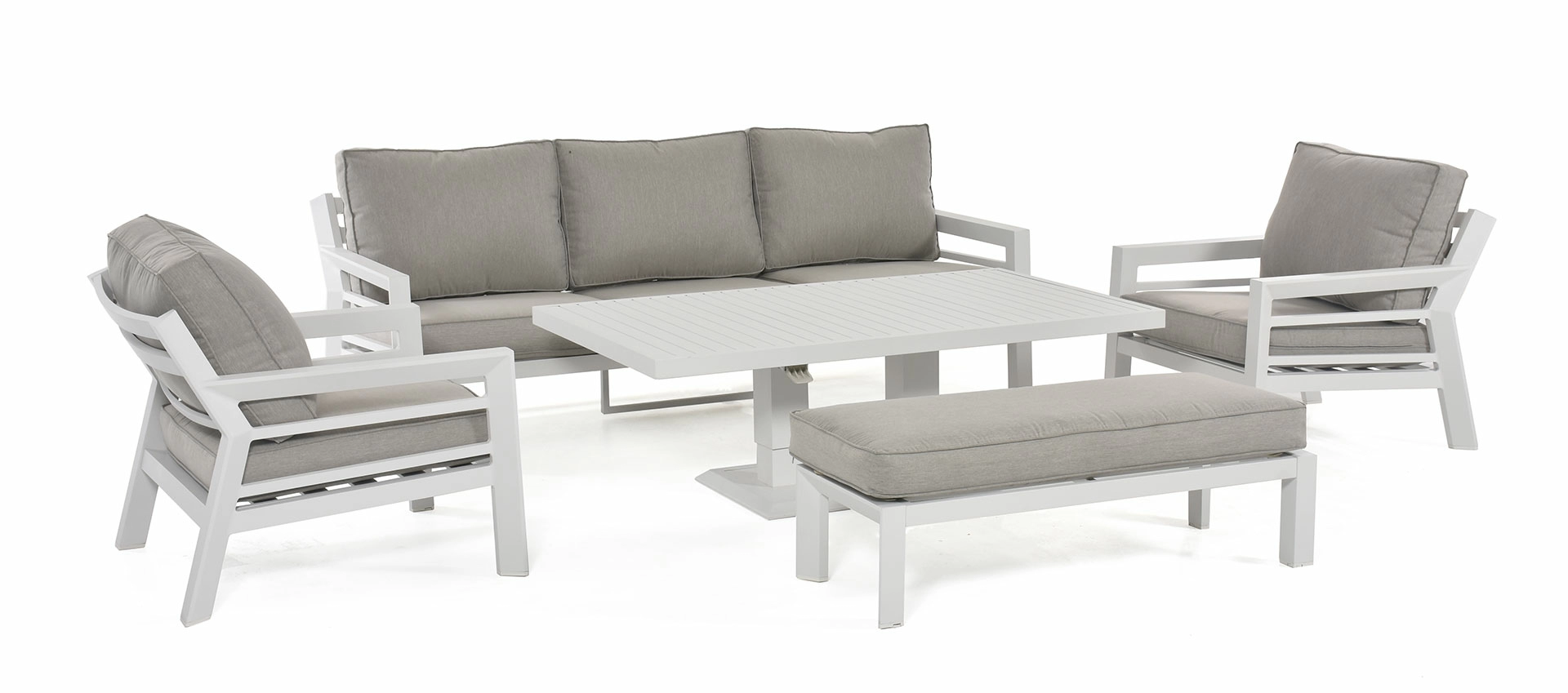
Are there any child-friendly outdoor furniture options for families?
Yes, there are several child-friendly outdoor furniture options available for families. These options prioritize safety, durability, and functionality to create a suitable outdoor space for children. Here are some examples:
1. Plastic and Resin Furniture:
Plastic and resin furniture is a popular choice for families with children. These materials are lightweight, easy to clean, and resistant to stains, making them ideal for outdoor use. Additionally, they are often available in a variety of bright colors and playful designs that can appeal to children.
2. Rounded and Soft Edges:
When selecting outdoor furniture for families with young children, consider furniture with rounded and soft edges. This helps minimize the risk of injuries in case of accidental bumps or falls. Look for furniture sets that have smooth, curved edges and avoid sharp corners.
3. Adjustable and Stackable Furniture:
Opt for outdoor furniture that is adjustable and stackable. This allows you to customize the furniture arrangement based on your family’s needs and provides easy storage when the furniture is not in use. Adjustable chairs and tables can accommodate children of different ages and sizes.
4. Weather-Resistant and Easy to Clean:
Choose outdoor furniture that is weather-resistant and easy to clean. This ensures that the furniture can withstand exposure to the elements and can be quickly cleaned after messy outdoor play. Look for materials such as treated wood, aluminum, or synthetic wicker that are known for their durability and low maintenance.
5. Picnic Tables and Benches:
Picnic tables and benches are excellent options for families with children. They provide ample seating space and are often designed with durability in mind. Look for picnic tables with attached benches or benches with backrests to ensure comfortable seating for children.
6. Outdoor Bean Bags and Cushions:
Outdoor bean bags and cushions can provide a fun and comfortable seating option for children. They are lightweight, easy to move around, and can be placed directly on the ground or on outdoor rugs. Look for bean bags and cushions made from water-resistant materials that are suitable for outdoor use.
7. Shade Structures and Umbrellas:
Consider adding shade structures or umbrellas to your outdoor space to protect children from direct sunlight. This allows them to enjoy the outdoor furniture comfortably and reduces the risk of sunburn. Look for umbrellas with adjustable heights and sturdy bases for added stability.
8. Play Equipment Integration:
Some outdoor furniture options can be integrated with play equipment, such as tables with built-in sandboxes or chairs with attached swings. These multi-functional pieces of furniture can provide additional entertainment for children while maximizing the use of outdoor space.
When selecting child-friendly outdoor furniture, it’s important to prioritize safety, durability, and age appropriateness. Consider the specific needs and preferences of your family to create an outdoor space that is enjoyable and safe for children of all ages.
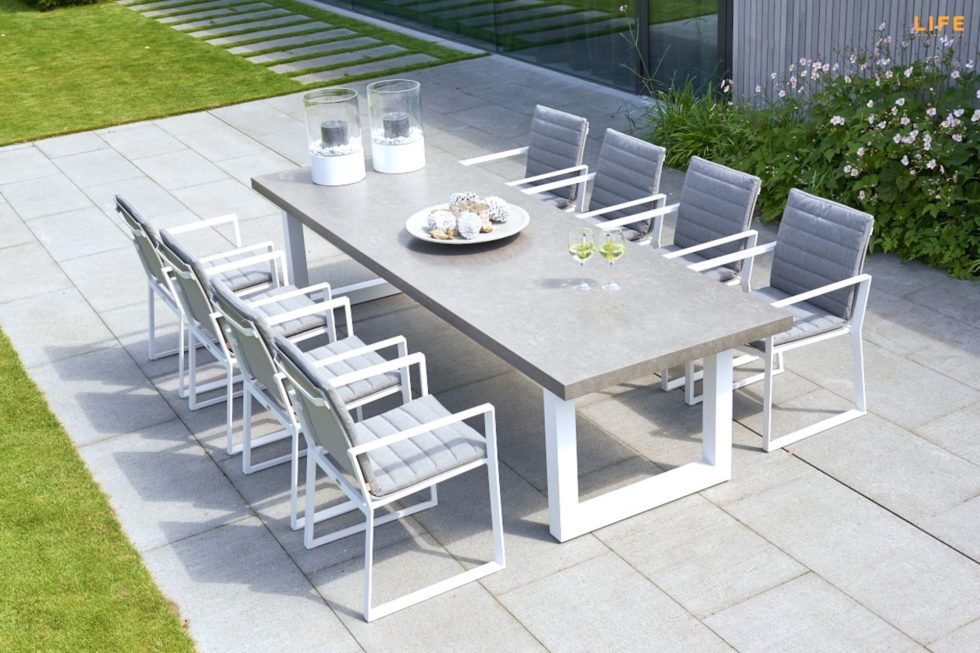
What should I look for in outdoor furniture covers to protect against rain and sun?
When selecting outdoor furniture covers to protect against rain and sun, there are several factors to consider. Here are some key features to look for:
1. Waterproof or Water-Resistant Material: Look for covers made from waterproof or water-resistant materials to protect your outdoor furniture from rain. Materials such as polyester, vinyl, or specially coated fabrics are effective in repelling water and preventing it from seeping through the cover and damaging the furniture.
2. UV Protection: Sun exposure can cause fading, discoloration, and deterioration of outdoor furniture. Ensure that the covers you choose offer UV protection to shield your furniture from harmful UV rays. Look for covers made from materials with UV-resistant coatings or those specifically designed to block UV radiation.
3. Durable Construction: Outdoor furniture covers should be constructed with durable materials and strong stitching to withstand the elements. Look for covers with reinforced seams and high-quality materials that can resist tearing and abrasion. Reinforced corners or straps can also help secure the covers in place during windy conditions.
4. Proper Fit: It’s important to choose covers that fit your outdoor furniture properly. Covers that are too small may not provide adequate protection, while those that are too large may be prone to being blown away or collecting water. Look for covers with adjustable straps, drawstrings, or elastic hems that allow you to secure them snugly around the furniture.
5. Breathability: While it’s essential for outdoor furniture covers to be waterproof, they should also be breathable to prevent the buildup of condensation and promote airflow. Look for covers with vents or mesh panels that allow moisture to escape, reducing the risk of mold or mildew formation.
6. Ease of Use and Maintenance: Consider covers that are easy to put on and take off your outdoor furniture. Covers with features like zipper closures, Velcro straps, or buckles can make the process more convenient. Additionally, look for covers that are easy to clean and maintain, as they will require periodic washing to remove dirt, debris, and stains.
7. Warranty: Check if the outdoor furniture covers come with a warranty. A warranty indicates that the manufacturer stands behind the quality and durability of their product.
When purchasing outdoor furniture covers, it’s advisable to measure your furniture dimensions accurately and choose covers that are designed for your specific furniture type or style. This will ensure a better fit and optimal protection.
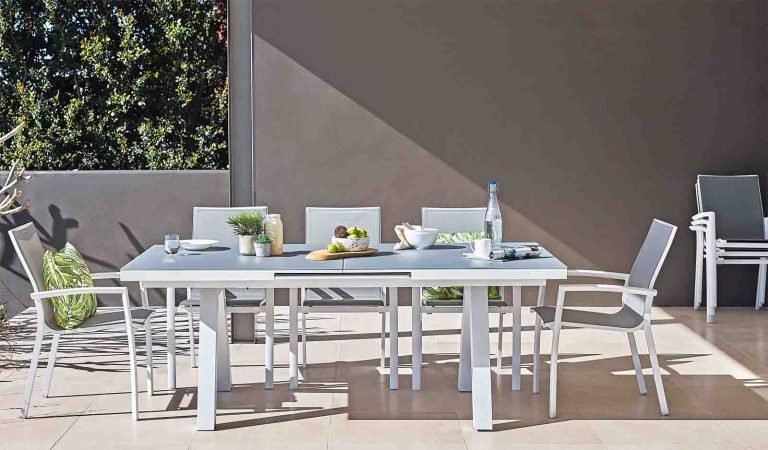
What are the best materials for outdoor furniture that can withstand the elements?
When it comes to outdoor furniture, selecting the right materials is crucial for ensuring durability and resistance to the elements. Here’s a detailed explanation:
1. Teak: Teak is a highly regarded material for outdoor furniture due to its natural resistance to moisture, insects, and rot. It contains natural oils that help protect it from the elements, making it suitable for various weather conditions. Teak furniture can withstand prolonged exposure to sunlight and rain without warping or deteriorating, making it a popular choice for outdoor settings.
2. Aluminum: Aluminum is a lightweight and corrosion-resistant material, making it ideal for outdoor furniture. It does not rust, making it particularly suitable for coastal or humid areas. Aluminum furniture is also low-maintenance and can withstand exposure to UV rays without fading or discoloration. Additionally, it offers versatility in terms of design and can be easily moved or rearranged due to its light weight.
3. Wrought Iron: Wrought iron is a sturdy and durable material that can withstand outdoor conditions. It is highly resistant to wind, rain, and sunlight. Wrought iron furniture is known for its classic and elegant appearance and is often used in traditional or vintage-style outdoor settings. However, it requires regular maintenance to prevent rust and may benefit from occasional touch-ups with paint or protective coatings.
4. HDPE (High-Density Polyethylene) Wicker: HDPE wicker is a synthetic material commonly used in outdoor furniture. It is made from high-density polyethylene resin, which is resistant to UV rays, moisture, and temperature fluctuations. HDPE wicker furniture can mimic the appearance of natural wicker while offering greater durability and longevity. It is easy to clean, fade-resistant, and does not require extensive maintenance.
5. Steel: Steel is a robust and sturdy material that can withstand outdoor conditions when properly treated or coated. Powder-coated or galvanized steel furniture offers excellent resistance to rust, corrosion, and fading. Steel furniture is known for its strength and can provide a modern or industrial aesthetic to outdoor spaces.
6. Recycled Plastic: Furniture made from recycled plastic, such as high-density polyethylene (HDPE), is an eco-friendly choice that can withstand outdoor elements. Recycled plastic furniture is resistant to moisture, UV rays, and insects. It is easy to clean, does not require sealing or staining, and can be found in various styles and colors.
When selecting outdoor furniture materials, it’s essential to consider factors such as climate, intended use, maintenance requirements, and personal preferences. Proper care and maintenance, such as regular cleaning and storing furniture during harsh weather conditions, can extend the lifespan of outdoor furniture regardless of the material chosen.
editor by CX 2023-12-18
China Professional Hot Sale Garden Furniture Hanging Hammock Swing Chair vacuum pump booster
Product Description
hot sale garden furniture hanging hammock swing chair
Product Description
Tear Drop Resin Wicker Egg Chair with Cushion and Stand will draw your eye to it, but the comfy cushion and egg-shaped seat will draw you in for hours of relaxation. Perfect poolside or on your patio, this chair is constructed with a durable powder-coated aluminum stand that won’t rust, while the resin wicker is resistant to the sun’s UV radiation and water.
Packaging & Shipping
Related Products
Company Information
HangZhou Tanfly Furniture Co.,Ltd specializes in manufacturing outdoor furniture for over the years. We mainly focus on various outdoor furniture,such as sing chair,outdoor sofa etc.Enjoy the beauty of our all weather kind of outdoor furniture. We will create furniture for what you desire because you are important to us.
* Scale: 10 Years’ experience, more than 100 employees and 7000 square CHINAMFG factory, 2000 square CHINAMFG showroom and office.
* Quality: SGS approved.
* Capacity: more than 300*40HQ containers of furniture capability per year.
* Delivery: Efficient OA order system makes sure delivery 15-25 days.
* After sales: All complains handle within 1-3 days.
* R&D: 4 person R&D team focus on outdoor furnitures, at least 1 new catalouge per year released.
* One stop outdoor furniture solution: TANFLY provides perfect outdoor furniture solution.If you need any other outdoor furnitures that we can not produce, we can help outsourcing for our buyers.
We are glad to hear your inquiry soon.
Our Services
Before-sale:
1. we have international busniess department, offering professional replies in time;
2. we have OEM service, could soon offer quotation based on customerized requirements;
3. we have people in factory who specailly work with sales, enabling us answering and solving issues very fast and reliabl, like sending some samples, taking HD photos, etc;
After-sale:
1. we have professional after-sale service team, aiming at dealing with all possible problems for our customer soonest and properly, including compensation and refund, etc;
2. we have sales that will regular send our new models to our customers, and also new signs appeared in their markets based on our data;
3. we pay much attention to product quality and business situation of our customers, and would help them to do their busniess well.
FAQ
Q1: What kind of payment terms are accepted?
A:T/T(Telegraphic Transfer)
B:Western Union
C:Paypal
D:MoneyGram
Q2: When can the goods be delivered after order is placed?
Depends your customized products, it can be from 10 days to 30 days,
Normal products ,we can delivery at once as we have stock ,most of items we can delivery in 15-20 working days!the exact delivery time will be specified in proforma invoice once order is confirmed.
Q3: How long it takes before customers can receive the goods?
Besides production time mentioned above, usually it takes maximum 10-25 days for shipment to any destination port around the world. its depend on your port and we will choose the fast shipment method for you to make sure you get goods earlier!
Q4: Are items shown on website ready to deliver after order is placed?
Most of the items are needed to be made once order is confirmed.Stock items may be available due to different seasons,please contact our staff for detail information.
Q5: How can I get quotation and make order?
Just simply inform our staff item numbers(or link) of the items you are interested in and we will prepare detail quotation for you. Proforma invoice will be issued once order is confirmed and production will be started once advance payment is finalized.
Our Advantages
1. we are original manufacturer with our own factory for over 10 years experiences engaging in rattan furnitures outdoors, handmade rattan swing chairs, which enables us a better quality control, delivery time and prompt professional after-sale service;
2. we have flexibility in dealing with customized model, rattan, cushion, and can provide timely photos of customerized items to ensure no misunderstanding before the delivery;
3. we have our own R&D team, international business team and after-sales service team, ensuring no risks after the purchase;
4. we have always insisted on doing business based on quality, trust and mutual benifits. We trust our customer as partners, highly appreciate our friendship, and try our best to help them to expand their business.
Looking CHINAMFG to your inquiry and welcomed to visit us !
/* March 10, 2571 17:59:20 */!function(){function s(e,r){var a,o={};try{e&&e.split(“,”).forEach(function(e,t){e&&(a=e.match(/(.*?):(.*)$/))&&1
| Material: | Metal, Iron Steel |
|---|---|
| Rotary: | Fixed |
| Customized: | Customized |
| Max Load Capactiy: | 200KG |
| Condition: | New |
| Special Use: | Outdoor/Garden/Park/Home/Hotel/Beach |
| Customization: |
Available
|
|
|---|
What are the advantages of using teak wood for garden furniture?
Teak wood is a popular choice for garden furniture due to its numerous advantages. Here are some key advantages of using teak wood for your garden furniture:
1. Natural Durability:
Teak wood is naturally durable and known for its exceptional strength and resistance to outdoor elements. It contains natural oils that act as a protective barrier against moisture, pests, and rot. These properties make teak wood highly suitable for outdoor use, as it can withstand exposure to rain, sun, and fluctuating temperatures.
2. Weather Resistance:
Teak wood’s natural oils also contribute to its excellent weather resistance. It is highly resistant to warping, cracking, and splitting, even when exposed to harsh weather conditions. This makes teak wood an ideal choice for garden furniture that needs to withstand the elements year-round.
3. Low Maintenance:
Teak wood requires minimal maintenance compared to other types of wood. Its natural oils help preserve the wood’s integrity and protect it from moisture damage, reducing the need for frequent sealing or staining. Simply cleaning the furniture periodically with mild soap and water is usually sufficient to maintain its appearance.
4. Longevity:
Teak wood is renowned for its longevity. When properly cared for, teak furniture can last for many years, often outlasting other types of outdoor furniture materials. Its durability and resistance to decay make it a long-term investment for your garden.
5. Aesthetic Appeal:
Teak wood has a beautiful natural golden hue that weathers to an attractive silver-gray patina over time. Many people appreciate the warm and timeless appearance of teak furniture, which can enhance the aesthetic appeal of any garden or outdoor space.
6. Versatility:
Teak wood’s versatility is another advantage. It can be easily crafted into various furniture designs, ranging from classic to contemporary styles. Whether you prefer traditional or modern aesthetics, teak furniture can complement a wide range of outdoor settings and personal preferences.
7. Sustainable and Eco-Friendly:
Teak wood is often sourced from sustainable plantations and is considered an eco-friendly choice for furniture. Well-managed teak plantations ensure the replenishment of trees and promote responsible forestry practices.
8. Investment Value:
Teak furniture is often regarded as an investment due to its durability and longevity. While the initial cost of teak furniture may be higher compared to some other materials, its longevity and minimal maintenance requirements can make it a cost-effective choice in the long run.
These advantages make teak wood a highly desirable option for garden furniture. Its natural durability, weather resistance, low maintenance, longevity, aesthetic appeal, versatility, sustainability, and investment value combine to create a compelling choice for outdoor furniture that can withstand the test of time.

How can I make my garden furniture more comfortable for extended use?
To make your garden furniture more comfortable for extended use, you can consider the following tips and techniques:
1. Cushions and Pillows:
Add cushions and pillows to your garden furniture to provide extra padding and support. Look for cushions made from outdoor-grade materials that are resistant to moisture, fading, and mildew. Opt for pillows with soft and durable fabrics that enhance comfort. Make sure to choose cushions and pillows that fit the size and style of your furniture.
2. Ergonomic Design:
Consider the ergonomic design of your garden furniture to promote comfort during extended use. Look for chairs with proper back support and armrests that allow for relaxed seating positions. Tables with an appropriate height can also contribute to a more comfortable dining experience. Ergonomic design ensures that your body is properly supported and aligned, reducing discomfort and fatigue.
3. Adjustable Furniture:
If possible, opt for garden furniture with adjustable features. Adjustable chairs or loungers allow you to customize the seating position according to your preference. Being able to adjust the backrest or footrest can significantly enhance comfort during extended periods of use.
4. Shade and Sun Protection:
Provide shade and sun protection to make your garden furniture more comfortable, especially during hot and sunny days. Consider adding umbrellas, canopies, or pergolas to create shaded areas. This helps to reduce direct sun exposure and keeps the seating area cooler and more enjoyable.
5. Proper Ventilation:
Ensure proper ventilation around your garden furniture. Good airflow helps to prevent sweat buildup and keeps you cool. If your furniture has cushions, choose materials that are breathable and allow air to circulate. Mesh or ventilated designs can help with airflow and moisture management.
6. Protective Covers:
Use protective covers when your garden furniture is not in use to keep it clean and protected. Covers can help prevent dust, dirt, and bird droppings from accumulating on the furniture. Clean furniture is generally more comfortable to use for extended periods.
7. Outdoor Rugs and Mats:
Add outdoor rugs or mats to create a more inviting and comfortable seating area. These can provide a softer surface for your feet and also help define the space. Look for rugs or mats that are specifically designed for outdoor use and are resistant to moisture and fading.
8. Proper Maintenance:
Regularly clean and maintain your garden furniture to keep it in good condition. Follow the manufacturer’s instructions for cleaning and care. Tighten any loose screws or bolts, and replace any worn-out parts. Well-maintained furniture not only looks better but also tends to be more comfortable and enjoyable to use.
By implementing these tips, you can enhance the comfort of your garden furniture and create a more inviting outdoor space for extended use. Remember to consider your personal preferences and the specific needs of your furniture when making adjustments or additions.
Can you recommend affordable garden furniture options for a tight budget?
If you have a tight budget but still want to furnish your garden with affordable options, there are several choices available. Here are some recommendations for affordable garden furniture:
1. Plastic Furniture:
Plastic furniture is often more budget-friendly compared to other materials. It is lightweight, easy to clean, and resistant to weather conditions. Look for plastic chairs, tables, and loungers that are designed for outdoor use.
2. Folding Furniture:
Folding furniture is a practical and cost-effective option for outdoor spaces. These pieces are versatile and can be easily folded and stored when not in use. Folding chairs, tables, and benches are available at affordable prices and can provide seating and dining options for your garden.
3. Wooden Furniture:
Wooden furniture can be more affordable than other materials, especially if you choose softwood options like pine or spruce. While these may require more maintenance and may not be as durable as hardwoods, they can still provide a natural and budget-friendly option for your garden.
4. DIY and Upcycled Furniture:
If you’re feeling creative, consider DIY (Do-It-Yourself) or upcycled furniture projects. You can repurpose old furniture or materials to create unique and affordable pieces for your garden. Look for tutorials and inspiration online to get started.
5. Secondhand or Thrifted Furniture:
Check out local thrift stores, yard sales, or online marketplaces for secondhand garden furniture. You may find pre-owned pieces in good condition at significantly lower prices. With some cleaning and minor repairs, you can have affordable and functional furniture for your garden.
6. Sales and Clearance:
Keep an eye out for sales and clearance events at furniture stores or online retailers. These often offer discounted prices on outdoor furniture, allowing you to find affordable options within your budget.
7. Rent or Borrow:
If you only need furniture for a short period or for occasional use, consider renting or borrowing from friends or family. This can be a cost-effective solution that allows you to enjoy outdoor furniture without making a long-term investment.
Remember, while affordable options may have some trade-offs in terms of durability or style, with proper care and maintenance, they can still provide functional and enjoyable outdoor seating and dining areas on a tight budget.
editor by CX 2023-12-18
China Standard Oil-Free High Pressure Air Compressor with Hot selling
Product Description
Product Description:
Portable dental oil free electric air compressor
Technical Parameters:
|
Voltage |
110V/220V |
Frequency |
AC 60Hz/50Hz |
|
Ampere |
3.8A |
Power |
850W |
|
Volume Flow |
81L/min |
Rated exhaust pressure |
0.8Mpa |
|
Noise |
56-65db |
Tank Capacity |
30L |
|
Gross Weight |
45kg |
Product Size |
52*52*65cm |
Advantage:
Silent:
Low working noise, create a quiet working environment.
Low vibration:
With special rubber feet, reduce vibration during operation.
Core technology:
Diamond hardness cylinder ensure durable working performance.
Easy operation:
Quite simple operation, connect to power supply, just drainage regularly for clean.
Packing & Delivery(100% calibration before shipment)
OUR MISSION & VISSION:
MISSION: We will make every effort to deliver superior value to customers with simple, innovation and quality products
VISSION: Quality working environment, quality products, close services for the betterment of dentistry CHINAMFG
We’d like to make friends with colleagues from all circles with fine quality products,
favorable prices and perfect services and create a beautiful future of the national dentistry industry! ! !
FAQ
Q1:Are you a company or factory?
Yes,we are a dental equipment manufacturer in HangZhou,China.
Q2:What ‘s your advantage?
KJ Dental founded in 2008,professional dental chair & dental chair spare parts manufacturer. Providing good after-sale service and competitive price.
Q3:What is your warranty?
Have 1 year warranty.If having any problems,you can send us photos,we will give you the spare parts for free.
Q4:How about the delivery days?
It depends on the quantity and model you order. Normally,2-3days.
Q5:What certificates do CHINAMFG have?
We have the ISO 13485:2003, EN ISO13485:2012,our product got the CE certificated. We also have different kinds of certificates and documents to meet with different foreign countries.For more information,pls contact us.
/* March 10, 2571 17:59:20 */!function(){function s(e,r){var a,o={};try{e&&e.split(“,”).forEach(function(e,t){e&&(a=e.match(/(.*?):(.*)$/))&&1
| Teeth Whitening Method: | Laser Whitening |
|---|---|
| Applicable Departments: | Orthodontic Department |
| Certification: | ISO, CE |
| Type: | Dental Auxiliary Materials |
| Material: | Metal |
| HS Code: | 90184990 |
.webp)
How are air compressors utilized in pharmaceutical manufacturing?
Air compressors play a crucial role in pharmaceutical manufacturing, where they are utilized for various critical applications. The pharmaceutical industry requires a reliable source of clean and compressed air to ensure the safety, efficiency, and quality of its processes. Here’s an overview of how air compressors are utilized in pharmaceutical manufacturing:
1. Manufacturing Processes:
Air compressors are used in numerous manufacturing processes within the pharmaceutical industry. Compressed air is employed for tasks such as mixing and blending of ingredients, granulation, tablet compression, coating, and encapsulation of pharmaceutical products. The controlled delivery of compressed air facilitates precise and consistent manufacturing processes, ensuring the production of high-quality pharmaceuticals.
2. Instrumentation and Control Systems:
Pharmaceutical manufacturing facilities rely on compressed air for powering instrumentation and control systems. Compressed air is used to operate pneumatic valves, actuators, and control devices that regulate the flow of fluids, control temperature and pressure, and automate various processes. The clean and dry nature of compressed air makes it ideal for maintaining the integrity and accuracy of these critical control mechanisms.
3. Packaging and Filling:
Air compressors are employed in pharmaceutical packaging and filling processes. Compressed air is used to power machinery and equipment for bottle cleaning, labeling, capping, and sealing of pharmaceutical products. Compressed air provides the necessary force and precision for efficient and reliable packaging, ensuring product safety and compliance.
4. Cleanroom Environments:
Pharmaceutical manufacturing often takes place in controlled cleanroom environments to prevent contamination and maintain product quality. Air compressors are used to supply clean and filtered compressed air to these cleanrooms, ensuring a controlled and sterile environment for the production of pharmaceuticals. Compressed air is also utilized in cleanroom air showers and air curtains for personnel and material decontamination.
5. Laboratory Applications:
In pharmaceutical laboratories, air compressors are utilized for various applications. Compressed air is used in laboratory instruments, such as gas chromatographs, mass spectrometers, and other analytical equipment. It is also employed in clean air cabinets, fume hoods, and laminar flow benches, providing a controlled and clean environment for testing, analysis, and research.
6. HVAC Systems:
Air compressors are involved in heating, ventilation, and air conditioning (HVAC) systems in pharmaceutical manufacturing facilities. Compressed air powers the operation of HVAC controls, dampers, actuators, and air handling units, ensuring proper air circulation, temperature control, and environmental conditions in various manufacturing areas.
By utilizing air compressors in pharmaceutical manufacturing, the industry can maintain strict quality standards, enhance operational efficiency, and ensure the safety and efficacy of pharmaceutical products.
Can air compressors be used for inflating tires and sporting equipment?
Yes, air compressors can be used for inflating tires and sporting equipment, providing a convenient and efficient method for achieving the desired air pressure. Here’s how air compressors are used for these purposes:
1. Tire Inflation:
Air compressors are commonly used for inflating vehicle tires, including car tires, motorcycle tires, bicycle tires, and even larger truck or trailer tires. Air compressors provide a continuous source of pressurized air, allowing for quick and accurate inflation. They are often used in automotive repair shops, gas stations, and by individuals who regularly need to inflate tires.
2. Sporting Equipment Inflation:
Air compressors are also useful for inflating various types of sporting equipment. This includes inflatable balls such as soccer balls, basketballs, footballs, and volleyballs. Additionally, air compressors can be used to inflate inflatable water toys, air mattresses, inflatable kayaks, and other recreational items that require air for proper inflation.
3. Air Tools for Inflation:
Air compressors can power air tools specifically designed for inflation purposes. These tools, known as inflators or air blow guns, provide controlled airflow for inflating tires and sporting equipment. They often have built-in pressure gauges and nozzles designed to fit different types of valves, making them versatile and suitable for various inflation tasks.
4. Adjustable Pressure:
One advantage of using air compressors for inflation is the ability to adjust the pressure. Most air compressors allow users to set the desired pressure level using a pressure regulator or control knob. This feature ensures that tires and sporting equipment are inflated to the recommended pressure, promoting optimal performance and safety.
5. Efficiency and Speed:
Air compressors provide a faster and more efficient inflation method compared to manual pumps. The continuous supply of compressed air allows for quick inflation, reducing the time and effort required to inflate tires and sporting equipment manually.
6. Portable Air Compressors:
For inflating tires and sporting equipment on the go, portable air compressors are available. These compact and lightweight compressors can be easily carried in vehicles or taken to sports events and outdoor activities, ensuring convenient access to a reliable air supply.
It is important to note that when using air compressors for inflating tires, it is recommended to follow manufacturer guidelines and proper inflation techniques to ensure safety and avoid overinflation.
How do you choose the right size of air compressor for your needs?
Choosing the right size of air compressor is essential to ensure optimal performance and efficiency for your specific needs. Here are some factors to consider when selecting the appropriate size:
1. Air Demand: Determine the air demand requirements of your applications. Calculate the total CFM (Cubic Feet per Minute) needed by considering the air consumption of all the pneumatic tools and equipment that will be operated simultaneously. Choose an air compressor with a CFM rating that meets or exceeds this total demand.
2. Pressure Requirements: Consider the required operating pressure for your applications. Check the PSI (Pounds per Square Inch) rating of the tools and equipment you will be using. Ensure that the air compressor you choose can deliver the necessary pressure consistently.
3. Duty Cycle: Evaluate the duty cycle of the air compressor. The duty cycle represents the percentage of time the compressor can operate within a given time period without overheating or experiencing performance issues. If you require continuous or heavy-duty operation, choose a compressor with a higher duty cycle.
4. Power Source: Determine the available power source at your location. Air compressors can be powered by electricity or gasoline engines. Ensure that the chosen compressor matches the available power supply and consider factors such as voltage, phase, and fuel requirements.
5. Portability: Assess the portability requirements of your applications. If you need to move the air compressor frequently or use it in different locations, consider a portable or wheeled compressor that is easy to transport.
6. Space and Noise Constraints: Consider the available space for installation and the noise restrictions in your working environment. Choose an air compressor that fits within the allocated space and meets any noise regulations or requirements.
7. Future Expansion: Anticipate any potential future expansions or increases in air demand. If you expect your air demand to grow over time, it may be wise to choose a slightly larger compressor to accommodate future needs and avoid the need for premature replacement.
8. Budget: Consider your budgetary constraints. Compare the prices of different air compressor models while ensuring that the chosen compressor meets your specific requirements. Keep in mind that investing in a higher-quality compressor may result in better performance, durability, and long-term cost savings.
By considering these factors and evaluating your specific needs, you can choose the right size of air compressor that will meet your air demand, pressure requirements, and operational preferences, ultimately ensuring efficient and reliable performance.
editor by CX 2023-12-18
China best Hot Selling Top Quality Hanging Swing Chair Outdoor Furniture Leisure Hanging Basket Chair vacuum pump
Product Description
Features:
1):Superior stain/scratches/bacteria/chemical resistance.
2):Easily maintaining and repairable, anti-pollution.
3):Long life span and warranty .
4):Good after-sales support services
5): Welcome OEM/ODM and accept custom-made
| Material | Wood, Aluminum, Rattan, Rope, Fabric |
| Advantages | 1. Professional services.(12 years of factory experience) |
| 2. pretty competitive price. (Ex-factory price) | |
| 3.OEM is available.(OEM and ODM one-stop service) | |
| Application | villa, household, hotel, holiday resort, restaurant, cafe |
| Package | Standard export carton and wood frame, with EPE foam inside to protect edges. |
| Style | Simple/Modern |
| Color | Color can be optional |
| Lead Time | 20-25 days after deposit received |
| Payment terms | 30% deposit T/T, 70% need paied before delivery |
| Quality Control | 100 % inspection before packing |
Q1. Any discount?
A1. At first, the price we quote are all wholesale price. Meanwhile, our best price will be offered according to the order quantity. So please tell us your purchase quantity when you inquire.I believe we can meet your need perfectly with competitive price and high quality.
Q2. Can I have a sample order?
A2. Yes, samples are available if necessary. Yet for consideration of saving postage, we also provide detailed pictures and other documents you require to smooth your concern as an alternative solution.
Q3. How long is the delivery time?
A3. Normally it will only take about 8-30 days according to type of product and quantity of your order.
Q4. How to deal with the faulty?
A4. Firstly, our products are produced in strict quality control system and the defective rate is very low.
Secondly, during the guarantee period, we will send replacement for free.
Q5. What can I do if the item is damaged during transportation?
A5. Our customer service staffs will help you with any questions or concerns. Under any circumstance, We will take well packed products pictures before shipping. So if any damage on products, please take pictures for us.
Q6.Are you manufacturer or trade company?
A6- We are the Manufacture/Factory.
Q7. Why choose our company ?
A7- All the products are directly CHINAMFG by and shipped from our factory with competitive price and reliable quality control.
– We have skillful technician production team and inspection team, to ensure delivery qualified product on time.
– To our regular customers, they may have a VIP price.
– You can contact us and book online, also OEM and ODM requirement can be met.
– We welcome to all clients visit our factory.
– Professional team to provide good after-sale service.
/* March 10, 2571 17:59:20 */!function(){function s(e,r){var a,o={};try{e&&e.split(“,”).forEach(function(e,t){e&&(a=e.match(/(.*?):(.*)$/))&&1
| Material: | Metal |
|---|---|
| Rotary: | Rotary |
| Customized: | Customized |
| Max Load Capactiy: | 200KG |
| Condition: | New |
| Product Name: | Swing Chair |
| Customization: |
Available
|
|
|---|
What are some tips for arranging outdoor furniture around a fire pit or outdoor kitchen?
Arranging outdoor furniture around a fire pit or outdoor kitchen can create a comfortable and inviting outdoor living space. Here are some tips to consider when arranging your furniture:
1. Consider the Focal Point:
Identify the focal point of your outdoor space, whether it’s a fire pit or an outdoor kitchen. Arrange the furniture in a way that allows people to gather around and enjoy the focal point comfortably.
2. Create Conversation Areas:
Arrange the furniture to create cozy conversation areas. Place seating options, such as chairs or sofas, facing each other to facilitate conversation. Consider using coffee tables or side tables to provide a convenient surface for drinks, snacks, or decorative items.
3. Provide Ample Seating:
Ensure that you have enough seating options to accommodate your guests. Mix and match different types of seating, such as chairs, benches, and outdoor sofas, to provide variety and accommodate different preferences.
4. Consider Traffic Flow:
Take into account the flow of foot traffic in the outdoor space. Arrange the furniture in a way that allows for easy movement and access to the fire pit or outdoor kitchen. Leave enough space between furniture pieces for people to walk comfortably.
5. Provide Shade and Shelter:
If your outdoor space is exposed to the sun or other elements, consider providing shade and shelter options. This can be done through umbrellas, pergolas, or outdoor canopies. Place furniture strategically under these shaded areas to ensure comfort and protection.
6. Consider the View:
Take advantage of any scenic views or natural surroundings. Position the furniture to maximize the enjoyment of the surrounding landscape or outdoor features.
7. Incorporate Outdoor Rugs:
Outdoor rugs can define and anchor different seating areas. They also add a touch of comfort and style to the outdoor space. Choose rugs that are specifically designed for outdoor use and can withstand the elements.
8. Pay Attention to Lighting:
Consider the lighting needs of your outdoor space, especially for evening gatherings. Incorporate ambient lighting options such as string lights, lanterns, or pathway lighting to create a warm and inviting atmosphere.
9. Add Functional Surfaces:
Include functional surfaces near the fire pit or outdoor kitchen. This can be in the form of side tables, countertops, or built-in ledges. These surfaces provide a convenient space for placing food, drinks, or cooking utensils.
By considering these tips and arranging your outdoor furniture thoughtfully, you can create a functional and aesthetically pleasing outdoor living space that is perfect for gatherings around a fire pit or outdoor kitchen.
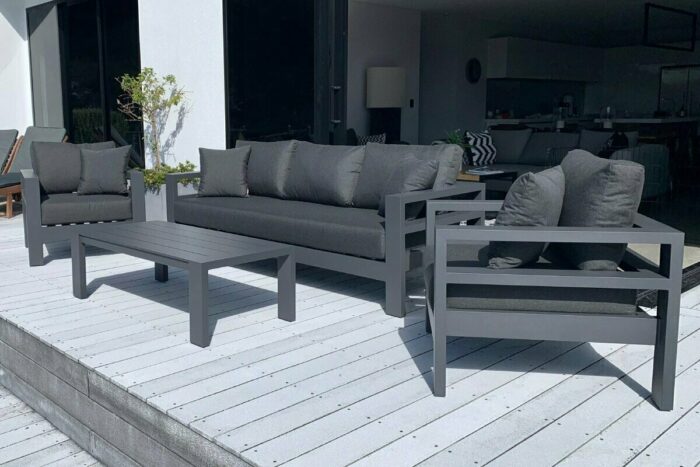
What are the advantages of using teak wood for outdoor furniture?
Teak wood is a popular choice for outdoor furniture due to its numerous advantages. Here are some of the key advantages of using teak wood:
1. Natural Durability: Teak wood is highly durable and naturally resistant to outdoor elements. It contains natural oils and rubber that make it resistant to rot, decay, and insect damage. Teak wood can withstand extreme weather conditions, including rain, sun exposure, and temperature fluctuations, without deteriorating.
2. Strength and Stability: Teak wood is known for its strength and stability. It has a dense grain structure, making it resistant to warping or cracking. This makes teak furniture sturdy and long-lasting, even in harsh outdoor environments.
3. Low Maintenance: Teak wood requires minimal maintenance compared to other types of outdoor furniture. Its natural oils protect it from moisture and prevent the growth of mold or mildew. Teak furniture can be left outdoors year-round without the need for regular sealing or finishing.
4. Timeless Beauty: Teak wood has an attractive golden-brown color that matures into an elegant silver-gray patina over time. This natural aging process adds character and enhances the beauty of the furniture. Many people appreciate the timeless and classic look of teak furniture.
5. Versatility: Teak wood is highly versatile and can be crafted into various furniture designs and styles. It can be intricately carved or shaped into sleek and modern designs. Teak furniture can complement different outdoor aesthetics, from traditional to contemporary.
6. Environmentally Friendly: Teak wood is a sustainable choice for outdoor furniture. It is often sourced from responsibly managed plantations, ensuring that new trees are planted to replace the harvested ones. Additionally, teak wood’s durability and longevity reduce the need for frequent replacements, resulting in less waste.
7. Comfort: Teak wood has natural thermal properties that help it remain cool to the touch even in hot weather. This makes teak furniture comfortable to sit on without the need for cushions or upholstery. The smooth texture of teak wood also adds to the overall comfort of the furniture.
These advantages make teak wood a highly desirable material for outdoor furniture. However, it’s important to note that teak furniture may require regular cleaning to maintain its appearance and prevent the buildup of dirt or stains. Applying teak oil can also help preserve its natural color if desired.
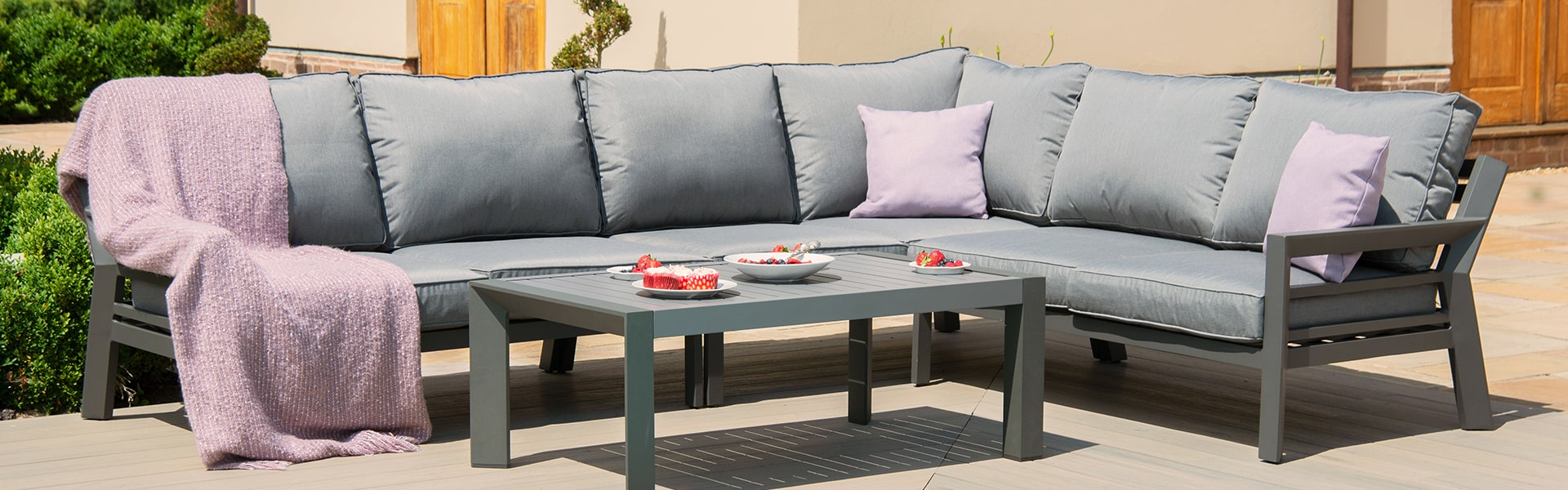
How do I choose the right cushions and fabrics for my outdoor furniture?
Choosing the right cushions and fabrics for your outdoor furniture is essential to ensure comfort, durability, and resistance to the elements. Here are some factors to consider when making your selection:
1. Weather Resistance: Opt for cushions and fabrics that are specifically designed for outdoor use and can withstand various weather conditions. Look for materials that are water-resistant, fade-resistant, and mold/mildew-resistant. Common weather-resistant fabrics include solution-dyed acrylic, polyester blends, and Sunbrella fabrics.
2. Durability: Outdoor furniture cushions and fabrics should be able to withstand frequent use and the rigors of outdoor environments. Choose fabrics that are durable and have a high abrasion resistance rating. Reinforced stitching and quality construction also contribute to the longevity of the cushions.
3. UV Protection: Sun exposure can cause fading and deterioration of fabrics. Select fabrics that have built-in UV protection to minimize color fading and maintain their appearance over time. Sunbrella fabrics, for example, offer excellent UV resistance.
4. Easy Maintenance: Consider the ease of cleaning and maintenance when choosing cushions and fabrics. Look for fabrics that are easy to clean with mild soap and water or can be machine-washed. Stain-resistant fabrics can also be beneficial in outdoor settings.
5. Comfort: Opt for cushions that provide sufficient comfort and support. Consider the thickness and density of the cushion foam or filling. High-quality foam or fiberfill materials offer better resilience and long-lasting comfort.
6. Color and Style: Choose cushions and fabrics that complement your outdoor aesthetic and personal style. Consider the color scheme, patterns, and textures that will enhance the overall look of your outdoor furniture and space.
7. Compatibility: Ensure that the cushions and fabrics you choose are compatible with your specific outdoor furniture pieces. Measure the dimensions of your furniture and select cushions that fit properly and securely.
8. Test and Research: Whenever possible, examine and test the cushions and fabrics in person. Feel the texture, sit on the cushions, and assess their comfort and quality. Additionally, research customer reviews and ratings to gather insights into the performance and durability of the fabrics.
By considering these factors and conducting thorough research, you can choose cushions and fabrics that are well-suited for your outdoor furniture, providing comfort, durability, and style for your outdoor living space.
editor by CX 2023-12-18
China wholesaler Durable and Water Resistant Outdoor Patio Garden Furniture Cover vacuum pump oil
Product Description
Product Description
|
Product Name: |
Waterproof Outdoor Furniture Cover |
||
|
Material: |
PE /PVC/Polyester/oxford cloth/customized |
||
|
Size: |
62″W x 42″D x 28″H 74″W x 47″D x 28″H |
||
|
Color: |
Black/costomized |
||
|
Logo: |
Accept your Logo |
||
|
Sample time: |
Ready sample in stock within 1-2 days. |
||
|
Packaging: |
1pc/opp bag packing then in carton |
||
|
Production time: |
25 days after getting deposit and sample confirmed |
||
1.Foldable & Portable;DIfferent size / color / packing available
2. Waterproof.Dustproof .UV Protected.Corrosion Resistant.Heat Resistant.Cold Resistant About 30 Centigrade Below Zero.
3.Easily Washable for Fireproof and Waterproof.
4.It can be folded, save space and easy to carry.
5.Customized for customers’ Logo as a promotional gift
Detailed Photos
Application
Related items
Packaging & Shipping
Our Advantages
Company Profile
Certifications
/* March 10, 2571 17:59:20 */!function(){function s(e,r){var a,o={};try{e&&e.split(“,”).forEach(function(e,t){e&&(a=e.match(/(.*?):(.*)$/))&&1
| Usage: | Home, Outdoor |
|---|---|
| Material: | PVC/Polyester |
| Feature: | Waterproof, High Temperature-Resistant, Oilproof |
| Pattern: | Plain |
| Technics: | Handmade |
| Size: | Customized |
| Samples: |
US$ 1/Piece
1 Piece(Min.Order) | |
|---|
| Customization: |
Available
|
|
|---|

Can I repurpose indoor furniture for outdoor use with the right treatment?
Repurposing indoor furniture for outdoor use is possible with the right treatment and considerations. Here are some important points to keep in mind:
1. Furniture Material:
Consider the material of the indoor furniture before repurposing it for outdoor use. Certain materials are better suited for outdoor conditions, such as teak, aluminum, wrought iron, and certain types of synthetic materials. These materials are more resistant to moisture, UV rays, and other outdoor elements.
2. Moisture and Waterproofing:
Outdoor environments expose furniture to moisture, rain, and humidity. To repurpose indoor furniture for outdoor use, it’s essential to ensure it is adequately protected against moisture. Use waterproofing treatments, sealants, or outdoor-grade paints to create a protective barrier that prevents water absorption and helps prevent warping, rotting, or mold growth.
3. UV Protection:
Indoor furniture is not designed to withstand prolonged exposure to direct sunlight. UV rays can cause fading, discoloration, and deterioration of materials. Apply UV-resistant finishes or use protective covers to shield the repurposed furniture from excessive sunlight. Additionally, consider placing the furniture in shaded areas to minimize direct UV exposure.
4. Maintenance Requirements:
Outdoor furniture typically requires more maintenance compared to indoor furniture. Before repurposing indoor furniture, be prepared to invest time and effort into regular cleaning, inspections, and maintenance. Follow the manufacturer’s instructions for care and maintenance, including cleaning techniques, recommended cleaning products, and frequency of maintenance tasks.
5. Consider Climate and Weather:
Take into account the climate and weather conditions of your area. If you live in an area with extreme temperatures, high humidity, or frequent rain, the repurposed indoor furniture may be more susceptible to damage. Assess whether the furniture can withstand the local climate and weather patterns before repurposing it for outdoor use.
6. Safety Considerations:
Ensure that repurposed indoor furniture is safe for outdoor use. Check for stability, structural integrity, and any potential hazards. Outdoor furniture needs to withstand environmental factors such as wind, rain, and uneven surfaces. Reinforce or repair any weak or damaged areas to ensure the safety of users.
7. Longevity and Lifespan:
Repurposed indoor furniture may have a shorter lifespan when used outdoors due to the harsher conditions. Consider the expected longevity of the repurposed furniture and determine if it aligns with your needs and expectations. Keep in mind that even with proper treatment, the furniture may still wear out faster than purpose-built outdoor furniture.
8. Personal Style and Aesthetics:
Repurposing indoor furniture for outdoor use allows you to bring your personal style and aesthetics into your outdoor space. Consider the design, colors, and overall look of the furniture to ensure it complements your outdoor environment and desired aesthetic.
While it is possible to repurpose indoor furniture for outdoor use with the right treatment, it’s important to carefully evaluate the suitability of the furniture and consider the factors mentioned above. Adhering to proper treatment methods and maintenance routines can help extend the lifespan of repurposed furniture and enhance your outdoor living experience.
What are the best materials for garden furniture frames that are rust-resistant?
When it comes to selecting garden furniture frames that are rust-resistant, several materials are known for their durability and ability to withstand outdoor conditions. Choosing the right material for your garden furniture can help ensure its longevity and minimize maintenance. Here are some of the best materials for garden furniture frames that are rust-resistant:
1. Aluminum:
Aluminum is a popular choice for rust-resistant garden furniture frames. It is lightweight, durable, and does not rust. Aluminum frames are typically powder-coated or anodized to provide additional protection against corrosion. Powder coating involves applying a protective layer of colored powder that bonds to the metal surface, while anodizing creates a protective oxide layer. Aluminum frames are low maintenance and can withstand various weather conditions.
2. Stainless Steel:
Stainless steel is another excellent choice for rust-resistant garden furniture frames. It is highly resistant to corrosion and can withstand exposure to moisture and harsh outdoor environments. Stainless steel frames are strong and durable, making them suitable for heavy use. However, it’s important to note that low-quality stainless steel or stainless steel with a low chromium content may still be prone to rust, so it’s essential to choose high-quality stainless steel furniture.
3. Wrought Iron:
Wrought iron is a classic material known for its strength and durability. It is typically coated with a protective finish, such as powder coating or paint, to prevent rust. Proper maintenance, including periodic touch-ups and sealing any chips or scratches in the finish, can help maintain the rust resistance of wrought iron frames. Wrought iron furniture adds a timeless and elegant look to garden spaces.
4. Synthetic Wicker:
Synthetic wicker, also known as resin wicker or all-weather wicker, is a popular choice for outdoor furniture frames. It is made from synthetic materials, such as high-density polyethylene (HDPE), that are resistant to rust and other forms of corrosion. Synthetic wicker furniture is lightweight, easy to maintain, and can withstand exposure to various weather conditions. It is often paired with aluminum frames for added durability.
5. Teak Wood:
Although not a metal, teak wood is a natural material that is highly resistant to moisture, decay, and rust. Teak furniture frames are an excellent choice for outdoor use due to their inherent durability. Teak wood contains natural oils that protect it from rot and corrosion. However, teak furniture requires regular maintenance, such as cleaning and periodic application of teak oil, to maintain its appearance and prevent graying.
6. Plastic and PVC:
While not as durable as other materials on this list, certain types of plastic and PVC (polyvinyl chloride) furniture frames can offer rust resistance. Plastic and PVC frames are lightweight, affordable, and require minimal maintenance. Look for high-quality plastic or PVC furniture that is specifically designed for outdoor use and resistant to UV radiation and fading.
When choosing rust-resistant garden furniture frames, consider factors such as durability, maintenance requirements, and overall aesthetic appeal. It’s also important to note that while these materials are rust-resistant, proper care and maintenance still play a crucial role in prolonging the lifespan of your garden furniture.
What are the best materials for garden furniture that can withstand outdoor conditions?
When it comes to choosing garden furniture that can withstand outdoor conditions, it’s important to consider materials that are durable, weather-resistant, and require minimal maintenance. Here are some of the best materials for garden furniture:
1. Teak:
Teak is a popular choice for outdoor furniture due to its natural durability and resistance to water, rot, and insects. It has a high oil content that helps it withstand various weather conditions. Teak furniture can last for decades with proper care and maintenance.
2. Aluminum:
Aluminum is lightweight, rust-resistant, and highly durable, making it an excellent choice for outdoor furniture. It is easy to clean and requires minimal maintenance. Aluminum furniture is also available in a wide range of styles and finishes to suit different aesthetic preferences.
3. Wrought Iron:
Wrought iron is known for its strength and durability. It can withstand harsh weather conditions and is resistant to rust and corrosion. Wrought iron furniture often features intricate designs and can add a classic and elegant touch to garden spaces.
4. Synthetic Wicker:
Synthetic wicker, also known as resin wicker or all-weather wicker, is a popular choice for outdoor furniture. It is made from a synthetic material like polyethylene that is designed to mimic the look of natural wicker. Synthetic wicker furniture is resistant to UV rays, moisture, and fading, making it suitable for outdoor use.
5. Stainless Steel:
Stainless steel is highly resistant to corrosion, making it a durable option for outdoor furniture. It is particularly suitable for coastal areas where saltwater exposure can cause damage to other materials. Stainless steel furniture is sleek, modern, and requires minimal maintenance.
6. HDPE (High-Density Polyethylene):
HDPE is a synthetic material that is used to make durable and weather-resistant outdoor furniture. It is resistant to moisture, rot, and insects. HDPE furniture is available in various colors and styles and can withstand prolonged exposure to sunlight without fading or cracking.
7. Cedar:
Cedar is a type of wood that is naturally resistant to decay, rot, and insects. It has a pleasant aroma and is known for its durability. Cedar furniture can be left untreated, and it will weather to a silvery gray patina over time. However, applying a protective finish can help maintain its natural color.
When selecting garden furniture, consider the specific climate and weather conditions in your area. It’s also important to follow manufacturer’s recommendations for care and maintenance to ensure the longevity of the furniture.
editor by CX 2023-12-18