Product Description
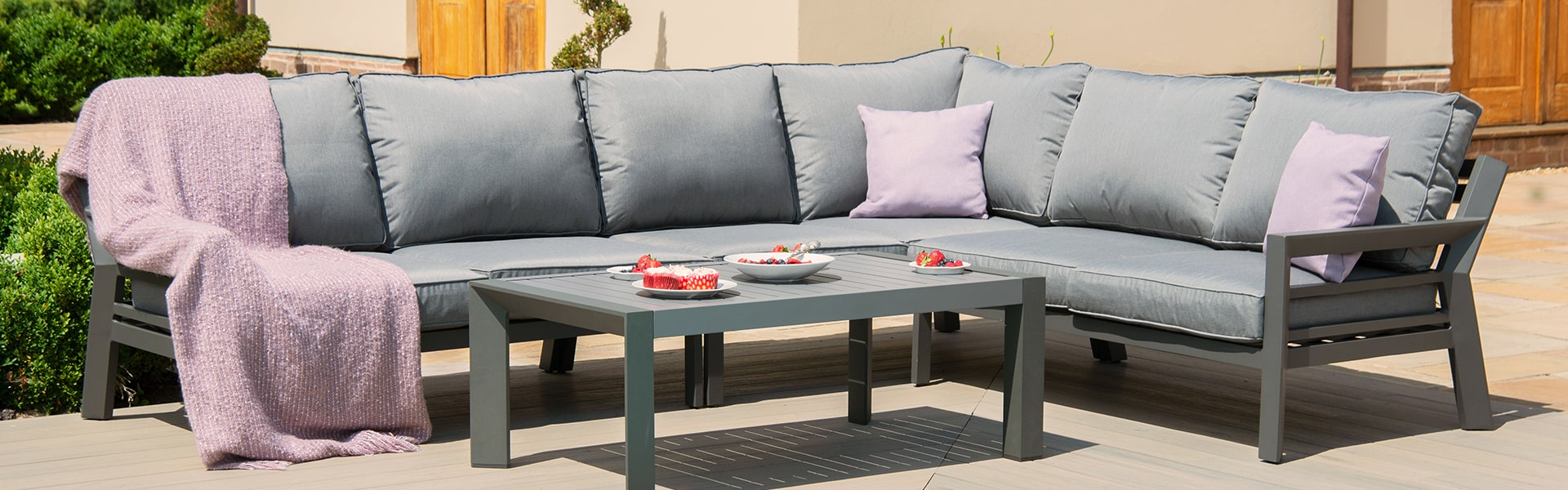
HangZhou Zixuan Furniture Co., Ltd. is a factory specializing in the production of outdoor furniture. Its products include outdoor rattan products, outdoor sofa tables and chairs, hanging baskets, swings, plastic wood tables and chairs, cast aluminum tables and chairs, park chairs, metal products, sunshades and other outdoor furniture. With 16 years of outdoor furniture production experience, we can produce customized products if you have pictures! Quality is guaranteed. We warmly welcome customers all over the world to establish cooperative relations with us.
/* March 10, 2571 17:59:20 */!function(){function s(e,r){var a,o={};try{e&&e.split(“,”).forEach(function(e,t){e&&(a=e.match(/(.*?):(.*)$/))&&1
| Material: | Rattan / Wicker |
|---|---|
| Style: | Simple |
| Usage: | Bar, Hotel, Dining Room, Outdoor |
| Samples: |
US$ 41/Piece
1 Piece(Min.Order) | Order Sample Can customize colors
|
|---|
| Customization: |
Available
|
|
|---|
.shipping-cost-tm .tm-status-off{background: none;padding:0;color: #1470cc}
|
Shipping Cost:
Estimated freight per unit. |
about shipping cost and estimated delivery time. |
|---|
| Payment Method: |
|
|---|---|
|
Initial Payment Full Payment |
| Currency: | US$ |
|---|
| Return&refunds: | You can apply for a refund up to 30 days after receipt of the products. |
|---|
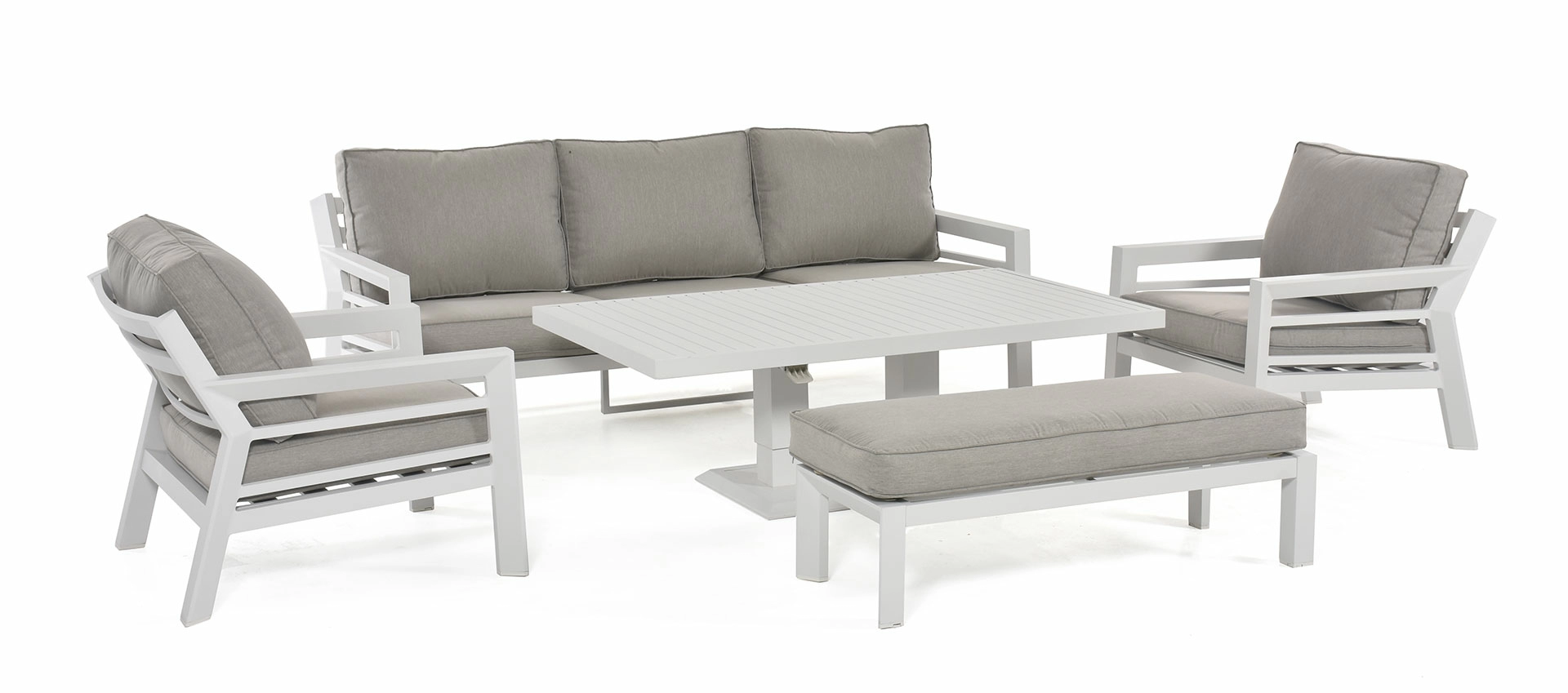
How do I protect my aluminum garden furniture from sun exposure and fading?
To protect your aluminum garden furniture from sun exposure and fading, you can take the following measures:
1. Use Protective Covers:
When your aluminum furniture is not in use, consider covering it with protective covers specifically designed for outdoor furniture. These covers shield the furniture from direct sunlight and help prevent fading. Make sure the covers are properly fitted and secure to withstand wind and other weather conditions.
2. Provide Shade:
If possible, position your furniture in shaded areas of your garden or use umbrellas, awnings, or pergolas to create shade. This will reduce direct exposure to intense sunlight and minimize the risk of fading.
3. Apply Protective Finishes:
Consider applying protective finishes, such as clear coats or sealants, to your aluminum furniture. These finishes can provide an additional layer of protection against UV rays and help maintain the original color of the furniture.
4. Move Furniture to Shaded Areas:
If your furniture is lightweight and portable, you can move it to shaded areas when the sun is at its strongest. This allows you to control the amount of sun exposure your furniture receives and reduce the risk of fading.
5. Clean and Maintain Regularly:
Regular cleaning and maintenance are essential for preserving the appearance of your aluminum furniture. Use a mild detergent and water to clean the furniture, removing any dirt, debris, or stains. Avoid using abrasive cleaners or brushes that may scratch the surface. By keeping your furniture clean, you can prevent dirt buildup that can contribute to fading.
6. Use UV-Protective Fabrics:
If your aluminum furniture has cushions or upholstery, opt for fabrics that offer UV protection. Look for outdoor fabrics specifically designed to resist fading and damage from sunlight. UV-protective fabrics will help prolong the lifespan of your cushions and maintain their vibrant colors.
7. Store Furniture During Long Periods of Non-Use:
If you anticipate long periods of non-use, such as during the winter or when you’re away on vacation, consider storing your aluminum furniture in a covered and dry area to protect it from prolonged sun exposure.
By implementing these protective measures, you can help protect your aluminum garden furniture from sun exposure and fading, ensuring that it remains in good condition and retains its aesthetic appeal for years to come.

How do I prevent mold and mildew from developing on aluminum garden furniture cushions?
To prevent mold and mildew from developing on aluminum garden furniture cushions, you can take several preventive measures. Here are some effective methods to consider:
1. Proper Storage:
When not in use, it’s essential to store your aluminum garden furniture cushions properly. Make sure to remove the cushions from the furniture and store them in a dry and well-ventilated area. Avoid storing them in damp or humid environments, as this can encourage mold and mildew growth.
2. Regular Cleaning:
Regularly cleaning your aluminum garden furniture cushions is crucial for preventing mold and mildew. Use a mild detergent or specialized fabric cleaner to clean the cushions, following the manufacturer’s instructions. Scrub gently with a soft brush or sponge and rinse thoroughly with water. Allow the cushions to dry completely before placing them back on the furniture.
3. Adequate Air Circulation:
Proper air circulation is essential to prevent mold and mildew growth. Avoid covering the cushions with impermeable materials, such as plastic or vinyl covers, for extended periods. These covers can trap moisture and create a favorable environment for mold and mildew. Instead, use breathable covers or consider removing the cushions during periods of high humidity or rain.
4. Use of Moisture Barriers:
Consider using moisture barriers between the cushions and the furniture to prevent moisture buildup. There are various options available, such as waterproof cushion covers, moisture-resistant fabric liners, or adding a layer of waterproof material between the cushions and the furniture. These barriers can help repel moisture and inhibit the growth of mold and mildew.
5. Regular Inspection:
Regularly inspect your aluminum garden furniture cushions for any signs of mold or mildew. Check for visible stains, discoloration, or musty odors, which may indicate the presence of mold or mildew. If you notice any signs, take immediate action to clean and treat the affected areas using appropriate mold and mildew cleaners or solutions.
6. Sun Exposure:
Exposing your cushions to sunlight can help prevent mold and mildew growth. Mold and mildew thrive in dark and damp conditions, so placing your cushions in direct sunlight periodically can help dry out any moisture and inhibit their growth. However, be cautious not to expose the cushions to excessive sunlight for extended periods, as it can cause fading or damage to the fabric.
By implementing these preventive measures, you can significantly reduce the risk of mold and mildew development on your aluminum garden furniture cushions. Regular maintenance and proper care will help ensure that your cushions remain clean, fresh, and mold-free, allowing you to enjoy your outdoor space comfortably.

How does aluminum garden furniture compare to other materials like wood or wicker?
When comparing aluminum garden furniture to other materials like wood or wicker, there are several factors to consider. Each material has its own unique characteristics and advantages. Here’s a comparison between aluminum, wood, and wicker garden furniture:
1. Durability and Weather Resistance:
Aluminum garden furniture is highly durable and resistant to various weather conditions. It is rust-resistant, lightweight, and does not require extensive maintenance. On the other hand, wood furniture requires regular maintenance, such as sealing or staining, to protect it from moisture, UV rays, and pests. Wicker furniture, typically made from natural or synthetic fibers, is prone to fading, mold, and mildew if not properly cared for.
2. Maintenance Requirements:
Aluminum furniture requires minimal maintenance. It can be easily cleaned with mild soap and water. Wood furniture, especially if left untreated, may require regular cleaning, sanding, and refinishing to maintain its appearance and durability. Wicker furniture may need occasional cleaning and spot treatment to prevent mold or mildew growth.
3. Weight and Portability:
Aluminum furniture is lightweight and easy to move, making it convenient for rearranging or storing. Wood furniture is heavier and may require more effort to move. Wicker furniture is generally lighter than wood but heavier than aluminum, offering a balance between portability and stability.
4. Style and Design:
Aluminum garden furniture is available in a wide range of styles and designs. It can be shaped and formed into various modern or traditional designs to suit different outdoor aesthetics. Wood furniture offers a classic and natural look, with options for different wood species and finishes. Wicker furniture has a distinct woven texture and is often associated with a more casual or tropical style.
5. Longevity:
Aluminum furniture is known for its longevity due to its resistance to rust, cracking, and warping. With proper care, it can last for many years. Wood furniture can also have a long lifespan if properly maintained, but it may require more regular upkeep. Wicker furniture, especially natural wicker, may have a shorter lifespan compared to aluminum or wood due to its susceptibility to damage from weather and moisture.
6. Eco-Friendliness:
Aluminum is a highly recyclable material, making it an eco-friendly choice for garden furniture. Wood furniture can be sustainable if sourced from responsibly managed forests. Wicker furniture made from natural fibers is biodegradable and renewable, while synthetic wicker may not be as environmentally friendly.
Ultimately, the choice between aluminum, wood, or wicker garden furniture depends on your specific preferences, budget, and the desired look for your outdoor space. Consider factors such as durability, maintenance requirements, style, and environmental impact when making your decision.
editor by CX 2023-12-18
China Custom Classic Italian Chaise Lounge Durable WPC Wood Beach Chair Pool Used Sun Lounger Outdoor Furniture vacuum pump brakes
Product Description
Product Category
Kingwell Project
Kingwell’s products widely used more than 80 countries and regions in the world and enjoy a certain market position.We are committed to becoming an excellent supplier of outdoor furnitures.
Product Description
| Main Materials | Teak wood ,Aluminum,Plastic Wood,Rope,PE Rattan |
| Cushion | High density foam and Quick Dry Foam.
Outdoor waterproof and UV resistant Fabric |
| Packing | 1. CHINAMFG standard export packaging 2. Mail order packing |
| MOQ | 2 Sets. mixed order acceptable sample order available |
| Delivery | 1. Sample order(7~15 days) 2. 20GP & 40HQ(20~35 days) |
| Warranty | 2~3 years (Aluminum Frame at least 5 years quality warranty) |
Our Advantages
We paid great attention CHINAMFG quality, the all products we do salt spray test and pass the UV & environmental test.We have strict quality management system to ensure product quality,Each products we produced with 3 times QC process. and the factory have ISO9001, CE, EN-581 and FSC certificate.
About Kingwell
Kingwell factory covers an area of more than 12,000 square CHINAMFG workshop. Workers who are in the key positions such as welding, polishing and weaving have more than 10 years of work experience and also equipped latest automatic powder coating line. In the past several years, our annual production and sales of more than 150,000 pieces of outdoor furniture, export to more than 80 countries and regions in North America, Europe, the Middle East and Southeast Asia. CHINAMFG is 1 of the largest outdoor furniture manufacturing bases in HangZhou.
Exhibition & Customer Visit
We are constantly improving our R&D and quality control ability, and attending CIFF, Canton Fair and other exhibitions, expand our sales net, we will strive to become an excellent outdoor furniture supplier.
Production Process
Each products from raw materails, we have to go through more than 10 production processes. Every pcs we have 3 times QC inspection.We are carefully carve and grind each process, strictly control the process quality of products, and strive to create high-quality products.
| FAQ | |
| Q1: | I want to have a trial order. What’s your MOQ? |
| A: | A trial order can start from 2 sets. |
| Q2: | Do you have experiences in projects or contract markets? |
| A: | Yes,we are very skilled in projects. We are teamed with R&D department, Marketing & Sales department, Merchandising department, Production department, Quality Control department and Engineering department to meet your expectations and WOW you! |
| Q3: | How do you guarantee the quality? |
| A: | We CHINAMFG agreements with contract and project customers to guarantee the after-sale service. We apply AQL methodology to all our quality checks, ranging from IQC (Incoming Quality Check), IPQC (In-process Quality Check) to OQC (Outgoing Quality Check). In addition, we also have a QA (Quality Assurance) Specialist to follow up on quality corrections and carry out quality assurance procedures on a daily basis. |
| Q4: | What’s your lead time? |
| A: | We have a list of ready-to-ship products with immediate delivery. Make-to-order items will take up to 20~35 days. |
| Q5: | What’s your warranty? |
| A: | 2~5 years. |
| Q6: | How shall I maintain your products? |
| A: | We offer maintenance manual according for each different product. |
| Q7: | Can you help me with my drawings? |
| A: | We have a in-house designer and engineer team. Yes, we can offer drawing service as per your requirements. |
| Q8: | Do you offer ODM service? |
| A: | Yes, welcome to contact us for more information. |
| Q9: | What is your main products? |
| A: | Outdoor furniture garden furniture aluminum furniture and rattan furniture teak wood furniture. |
/* March 10, 2571 17:59:20 */!function(){function s(e,r){var a,o={};try{e&&e.split(“,”).forEach(function(e,t){e&&(a=e.match(/(.*?):(.*)$/))&&1
| Material: | Aluminum and Plastic Wood |
|---|---|
| Style: | European |
| Type: | Double |
| Samples: |
US$ 199/Piece
1 Piece(Min.Order) | Order Sample Pearl foam inside and kraft paper or carton outsid
|
|---|
| Customization: |
Available
|
|
|---|
.shipping-cost-tm .tm-status-off{background: none;padding:0;color: #1470cc}
| Shipping Cost:
Estimated freight per unit. |
about shipping cost and estimated delivery time. |
|---|
| Payment Method: |
|
|---|---|
|
Initial Payment Full Payment |
| Currency: | US$ |
|---|
| Return&refunds: | You can apply for a refund up to 30 days after receipt of the products. |
|---|
What are the latest trends in aluminum furniture designs and styles?
The world of aluminum furniture designs and styles has witnessed several noteworthy trends in recent times. Here’s a detailed explanation:
1. Minimalist and Contemporary Designs:
Minimalism and contemporary aesthetics have become increasingly popular in aluminum furniture designs. Clean lines, sleek profiles, and minimalist forms create a modern and sophisticated look. The focus is on simplicity and functionality, with an emphasis on geometric shapes and smooth surfaces. These designs often feature monochromatic or neutral color schemes to enhance the overall minimalist appeal.
2. Outdoor Living and Patio Furniture:
Aluminum furniture has gained significant traction in outdoor living and patio spaces. The lightweight and weather-resistant nature of aluminum make it an ideal material for outdoor furniture. The latest trends in this category include stylish aluminum dining sets, lounge chairs, and modular seating arrangements. These designs often incorporate features like adjustable backs, integrated shade elements, and durable outdoor fabrics for enhanced comfort and functionality.
3. Mixed Materials and Textures:
Aluminum furniture designs are increasingly incorporating mixed materials and textures to add visual interest and create a unique aesthetic. Combining aluminum with materials like wood, glass, or woven fibers creates a harmonious blend of contrasting textures. For example, aluminum frames with wooden accents or tabletops can provide a contemporary yet warm and natural touch to furniture pieces.
4. Sustainable and Eco-friendly Designs:
With growing environmental consciousness, sustainable and eco-friendly designs have gained prominence in the aluminum furniture industry. Manufacturers are using recycled or recyclable aluminum and implementing sustainable production practices. Additionally, designs that promote longevity, durability, and reparability are becoming more popular, allowing furniture to have a longer lifespan and reducing waste.
5. Versatile Modular Systems:
Modular furniture systems offer flexibility and adaptability to various spaces and changing needs. Aluminum furniture designs are incorporating modular concepts, allowing users to customize and reconfigure their furniture arrangement as desired. Modular aluminum systems are particularly popular in modern office spaces, where flexible and collaborative work environments are desired.
6. Retro and Vintage Revival:
There’s a resurgence of interest in retro and vintage designs in the aluminum furniture industry. Mid-century modern styles, characterized by organic shapes, bold colors, and sleek lines, are particularly sought after. Aluminum furniture pieces inspired by the designs of the 1950s and 1960s bring a sense of nostalgia and timeless elegance to contemporary interiors.
7. Innovative Technology Integration:
Aluminum furniture designs are incorporating innovative technology integration to enhance functionality and user experience. This includes features like built-in charging ports, wireless charging pads, integrated lighting, or smart home connectivity. Such designs cater to the increasing demand for furniture that seamlessly integrates with modern technology.
8. Customization and Personalization:
Aluminum furniture designs are embracing customization and personalization options. Manufacturers offer a range of finishes, colors, and upholstery choices to allow customers to tailor their furniture to their specific tastes and interior styles. Customizable options often include selecting frame colors, cushion fabrics, and even choosing modular components to create unique furniture configurations.
In summary, the latest trends in aluminum furniture designs encompass minimalism, contemporary aesthetics, outdoor living solutions, mixed materials, sustainability, modular systems, retro and vintage revival, innovative technology integration, and customization options. These trends reflect the evolving preferences of consumers, emphasizing functionality, versatility, sustainability, and personalization in aluminum furniture design.
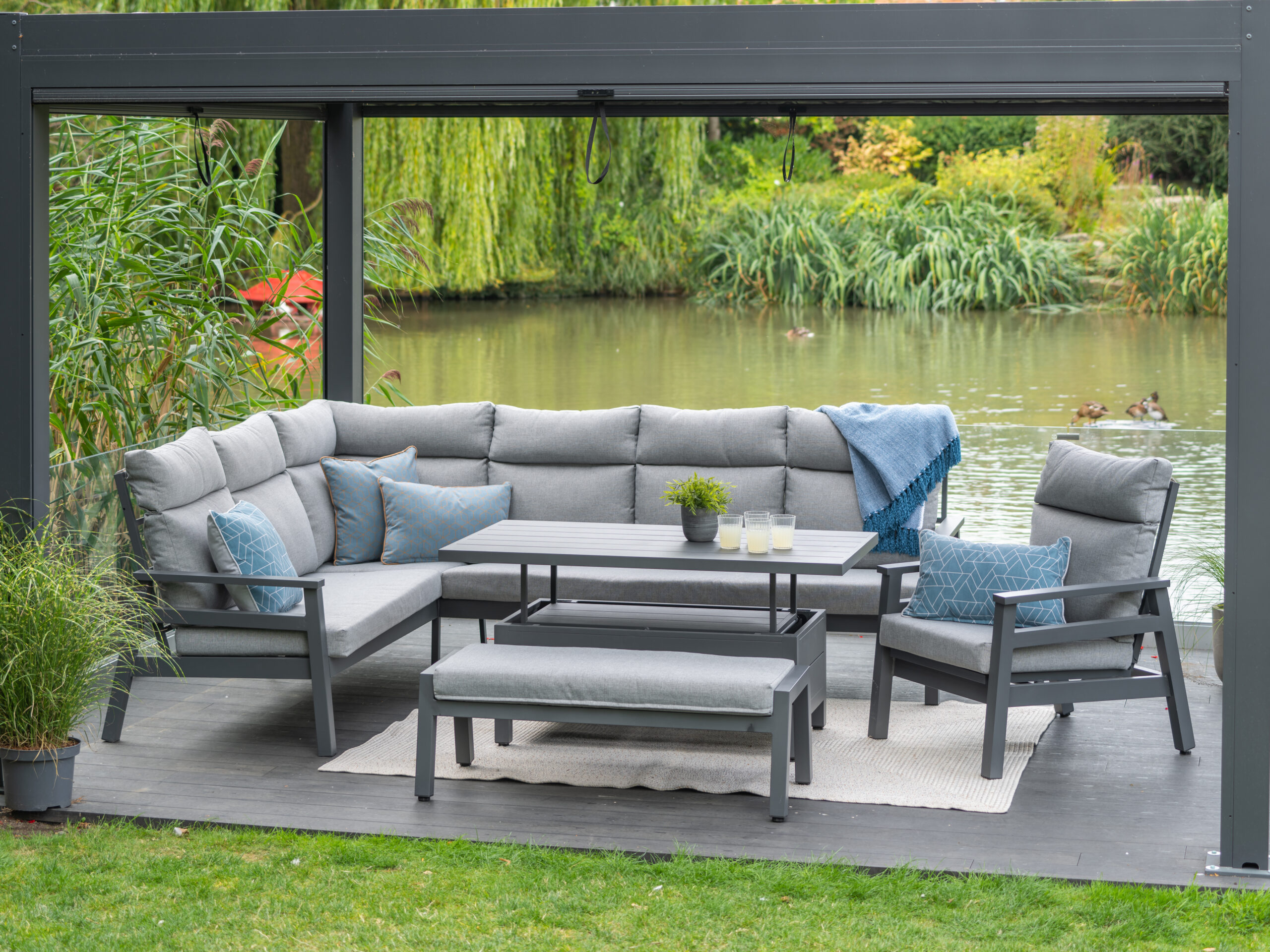
Are there budget-friendly options for aluminum furniture that offer quality and durability?
Yes, there are budget-friendly options available for aluminum furniture that offer quality and durability. While aluminum furniture can be found in a wide range of price points, there are several ways to find affordable options without compromising on the quality and longevity of the furniture. Here are some strategies to consider:
1. Research and Compare Prices:
Start by conducting thorough research and comparing prices from different retailers. Check online marketplaces, furniture stores, and even local classified ads to find the best deals. By comparing prices, you can identify budget-friendly options without overlooking quality and durability.
2. Sales, Discounts, and Clearance:
Keep an eye out for sales, discounts, and clearance events. Many furniture retailers offer seasonal sales or clearance promotions to make room for new inventory. These sales can provide an opportunity to find aluminum furniture at reduced prices without compromising quality. Subscribe to newsletters or follow retailers on social media to stay updated on any upcoming sales or promotions.
3. Outlet Stores or Factory Direct:
Consider visiting outlet stores or purchasing directly from manufacturers. Outlet stores often offer discounted prices on well-known brands or slightly imperfect pieces that still offer quality and durability. Similarly, purchasing directly from manufacturers can eliminate extra costs associated with middlemen, providing an opportunity to find budget-friendly options for aluminum furniture.
4. Check for Secondhand Options:
Explore the market for secondhand aluminum furniture. Websites, such as online classifieds or marketplaces, can offer a wide selection of used furniture at lower prices. Look for well-maintained pieces that retain their structural integrity. With proper inspection, you might find high-quality aluminum furniture that has been gently used and can still offer durability and longevity.
5. DIY or Upcycling Projects:
If you’re open to getting creative, consider DIY or upcycling projects. Look for used or inexpensive aluminum furniture that can be refurbished or repurposed. With a little bit of effort and some basic tools, you can transform old or worn-out pieces into stylish, budget-friendly options. This approach allows you to personalize the furniture while keeping costs down.
6. Focus on Essential Features:
When working within a budget, prioritize essential features and functionality. Determine the specific requirements you have for the aluminum furniture and focus on finding options that meet those needs. By narrowing down your criteria, you can avoid unnecessary frills or features that may drive up the price without significantly improving quality or durability.
7. Read Reviews and Ratings:
Before making a purchase, read reviews and ratings from other customers. This can provide insights into the quality, durability, and overall satisfaction with the aluminum furniture you’re considering. Look for reviews that specifically mention the value for money and longevity of the furniture to ensure you’re making a wise investment within your budget.
While seeking budget-friendly options, it’s important to strike a balance between affordability and quality. Ensure that the aluminum furniture you choose is structurally sound, made from durable materials, and has favorable reviews regarding its longevity. By employing these strategies and being diligent in your search, you can find budget-friendly aluminum furniture that offers both quality and durability, allowing you to create a stylish and functional outdoor or indoor space without breaking the bank.

How can I maintain and care for my aluminum furniture to keep it looking new?
Maintaining and caring for your aluminum furniture properly can help keep it looking new and extend its lifespan. Here are some tips to consider:
- Regular Cleaning: Regularly clean your aluminum furniture to remove dirt, dust, and other debris. Use a mild soap or detergent mixed with water and a soft cloth or sponge. Gently scrub the surfaces, including the frames and any fabric or cushions, if applicable. Rinse thoroughly with clean water and allow it to dry completely.
- Avoid Harsh Cleaners: Avoid using abrasive cleaners, harsh chemicals, or solvents on your aluminum furniture, as they can damage the finish or surface. Stick to mild cleaning solutions or those specifically recommended by the manufacturer.
- Protective Covers: If your aluminum furniture is outdoors, consider using protective covers when it’s not in use. Covers can help shield the furniture from direct sunlight, rain, and other environmental elements, reducing the risk of fading, corrosion, or damage.
- Inspect for Damage: Regularly inspect your aluminum furniture for any signs of damage, such as loose joints, dents, or scratches. Address any issues promptly to prevent further damage or deterioration. Tighten loose screws or bolts, and consider using touch-up paint or clear coat to repair minor scratches or chips.
- Apply Protective Coatings: Some aluminum furniture comes with a protective coating or finish. If your furniture lacks this coating or if it has worn off over time, consider applying a suitable protective coating. This can help enhance the durability and resistance of the furniture to environmental factors.
- Store During Extreme Weather: In regions with severe weather conditions, such as heavy snowfall or strong winds, it’s advisable to store your aluminum furniture indoors or in a covered area during those periods. This can help prevent potential damage caused by extreme weather.
- Follow Manufacturer’s Guidelines: Always refer to the manufacturer’s care and maintenance instructions specific to your aluminum furniture. Different finishes or designs may have varying requirements, so it’s essential to follow the recommended guidelines for cleaning, maintenance, and any necessary treatments.
By following these maintenance and care tips, you can help preserve the appearance and longevity of your aluminum furniture, keeping it looking new and ensuring years of enjoyment.
editor by CX 2023-12-18
China high quality Chemic C Frame Lab Bench CHINAMFG Wood Lab Furniture vacuum pump belt
Product Description
Chemical lab furniture bench metal wall lab bench frame
The laboratory work table is made of quality cold tie board, solid work table frame, firm and stable, can make the work table bearing 1000kgs; A variety of desktop options, can match the requirements of non-work use; Tool hanger (box), side cabinet (box) light frame, adjusting foot cup, beautiful appearance; Laminate, drawer quality, bearing great, drawer can be arbitrarily separated according to need; Save space, strong applicability. The laboratory is wide business area: CDC, Quality inspection center, Agricultural inspection center, Drug testing center, Hospital, Tobacco Technology, Food inspection, Biopharmaceutical, Criminal investigation technology etc. The design, color, material are all can be customized. Product collocation: Sink, faucet, reagent shelf, Universal hood, canopy fume hood, eye wash, drip rack, ect.
Product Features: acid and alkali resistance, wear resistance, high temperature resistance, strong load-bearing.
| Name | Laboraroty wall bench |
| HS code | 9403200000 |
| Material | All-steel, Steel-wood, PP, Stainless steel |
| Design | Customized |
| Color | Grey, Silver, Black, Blue, White, Red, Green |
| Application | Hospital, School, Laboratory, Pharmaceutical |
/* March 10, 2571 17:59:20 */!function(){function s(e,r){var a,o={};try{e&&e.split(“,”).forEach(function(e,t){e&&(a=e.match(/(.*?):(.*)$/))&&1
| Material: | All-Steel, PP, Steel-Wood, SS304 |
|---|---|
| Type: | Central Bench |
| Usage: | Hospital, School, Company |
| Color: | All Color Customized |
| Customized: | Customized |
| Condition: | New |
| Customization: |
Available
|
|
|---|
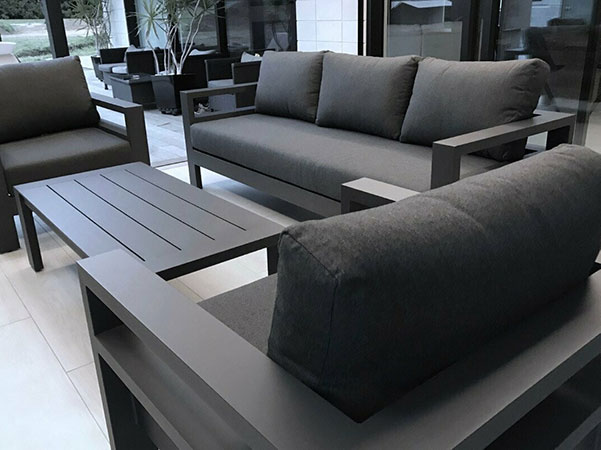
How do aluminum furniture parts enhance the overall aesthetics of my furniture?
Aluminum furniture parts can enhance the overall aesthetics of your furniture in several ways. Here is a detailed explanation:
1. Modern and Sleek Appearance: Aluminum has a contemporary and sleek look that can add a touch of modernity to your furniture. The clean lines and smooth surface of aluminum parts contribute to a minimalist aesthetic that is popular in modern furniture design. Whether it’s aluminum legs on a table or aluminum frames on chairs, these parts can give your furniture a stylish and up-to-date appearance.
2. Variety of Finishes: Aluminum can be finished in various ways, allowing for a wide range of design possibilities. You can choose from finishes such as powder coating, anodizing, polishing, or brushed/satin finishes to achieve different visual effects. These finishes can enhance the color, texture, and overall look of the aluminum parts, complementing the style of your furniture and creating a cohesive design theme.
3. Contrast and Accentuation: Incorporating aluminum parts into your furniture can create visual contrast and accentuate certain features. For example, using aluminum legs on a wooden table can provide a striking contrast between the warm tones of wood and the metallic sheen of aluminum. This contrast can draw attention to specific elements of your furniture, adding visual interest and making a design statement.
4. Lightweight and Airy Design: Aluminum is a lightweight material compared to many others used in furniture construction. This characteristic allows for the creation of furniture parts that appear visually light and airy. Aluminum legs or frames can give the impression of floating or suspended elements, which can contribute to an open and spacious feel in your furniture arrangement.
5. Versatile Design Possibilities: Aluminum is a highly versatile material that can be molded, shaped, and extruded into various forms. This versatility opens up a wide range of design possibilities for furniture parts. Aluminum can be used to create intricate patterns, unique shapes, or custom details that add visual appeal to your furniture. Whether you prefer a minimalist and simple design or a more ornate and decorative style, aluminum can be adapted to suit your aesthetic preferences.
6. Durability and Longevity: Aluminum is known for its durability and resistance to corrosion, making it a practical choice for furniture parts. When your furniture incorporates aluminum components, you can enjoy not only the aesthetic benefits but also the assurance of long-lasting quality. The inherent durability of aluminum ensures that your furniture will maintain its appearance and structural integrity over time.
By utilizing aluminum furniture parts, you can enhance the overall aesthetics of your furniture by introducing a modern and sleek look, utilizing a variety of finishes, creating visual contrast, achieving a lightweight design, exploring versatile design possibilities, and ensuring long-term durability. These factors contribute to an appealing and visually pleasing furniture arrangement that can elevate the aesthetic appeal of your space.
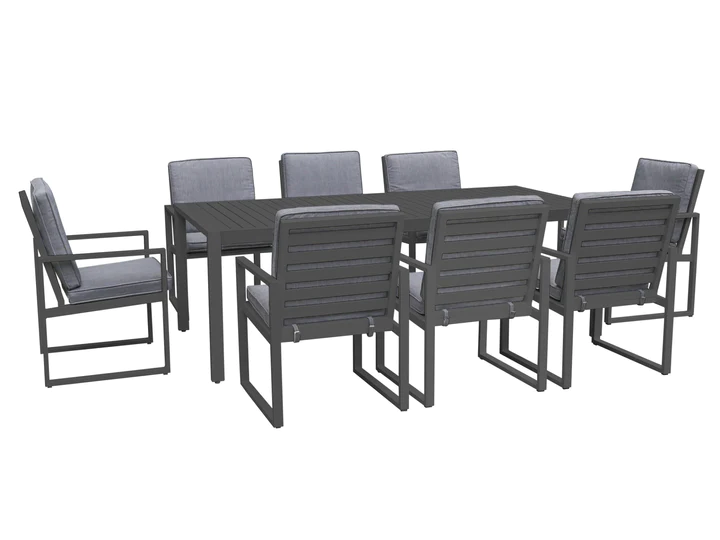
Can I repurpose aluminum furniture parts for other DIY projects?
Yes, you can repurpose aluminum furniture parts for other DIY projects. Here is a detailed explanation:
1. Versatility: Aluminum furniture parts are versatile and can be repurposed for a wide range of DIY projects. The lightweight nature of aluminum makes it easy to handle and work with, allowing you to create various structures, frames, or decorative elements. Whether you’re building shelves, planters, artwork, or outdoor structures, aluminum furniture parts can be adapted and repurposed to suit your specific project needs.
2. Structural Integrity: Aluminum is known for its strength and durability. The furniture parts made from aluminum are designed to withstand regular use and external forces. This structural integrity makes them suitable for repurposing into new projects that require stability and reliability. You can rely on the strength of aluminum parts to support weight, provide structural support, or serve as a framework for your DIY creations.
3. Easy Modification: Aluminum is a relatively easy material to modify and customize. You can cut, drill, shape, and weld aluminum furniture parts to fit your desired specifications for your DIY projects. With the right tools and techniques, you can transform aluminum parts into new components or modify them to suit the specific requirements of your repurposing project.
4. Surface Treatments: Aluminum furniture parts often come with surface treatments or finishes, such as powder coating or anodizing. These treatments can provide aesthetic appeal and protection against corrosion. Depending on your DIY project, you may choose to keep the existing finish or remove it to reveal the raw aluminum surface. You can also apply new finishes or coatings to match the desired look or theme of your repurposed project.
5. Environmental Benefits: Repurposing aluminum furniture parts for DIY projects is an environmentally friendly choice. By giving new life to existing aluminum components, you reduce waste and promote sustainability. Aluminum is also a highly recyclable material, so if your repurposed project reaches the end of its life cycle, the aluminum parts can be recycled and used in the production of new aluminum products.
When repurposing aluminum furniture parts for DIY projects, it’s essential to consider the specific requirements of your project and ensure that the aluminum parts you’re using are suitable for the intended purpose. Assess the structural integrity of the parts, make necessary modifications, and take any safety precautions as needed. With creativity and proper planning, you can repurpose aluminum furniture parts into unique and functional pieces for your DIY projects.
What are the advantages of using lightweight aluminum parts for furniture?
Using lightweight aluminum parts for furniture offers several advantages. Here is a detailed explanation of the benefits of utilizing lightweight aluminum parts in furniture construction:
- 1. Ease of Handling and Transport:
- 2. Versatility in Design:
- 3. Durability:
- 4. Energy Efficiency:
- 5. Environmentally Friendly:
- 6. Resistance to Insects and Moisture:
Aluminum is a lightweight material, making furniture with aluminum parts easier to handle and transport. Compared to furniture made from heavier materials, aluminum furniture is often more portable and can be moved around with greater convenience. This is particularly beneficial for outdoor furniture or furniture that needs to be frequently rearranged.
The lightweight nature of aluminum allows for greater design versatility. Aluminum furniture parts can be easily shaped, bent, or extruded into various profiles and forms. This flexibility in design enables the creation of furniture with unique shapes, curves, and intricate details that may not be achievable with other materials. It opens up possibilities for innovative and contemporary furniture designs.
Despite being lightweight, aluminum is a durable and robust material. It offers good resistance to corrosion, making it suitable for both indoor and outdoor furniture. Aluminum furniture parts are less prone to rust or degradation over time, ensuring longevity and reducing the need for frequent maintenance.
Aluminum is an energy-efficient material. Its lightweight nature requires less energy for transportation and handling compared to furniture made from heavier materials. Additionally, aluminum has excellent thermal conductivity, which means it can quickly absorb and dissipate heat. This property contributes to energy efficiency in furniture by minimizing heat buildup and reducing the need for additional insulation.
Aluminum is a highly recyclable material. Using lightweight aluminum parts in furniture contributes to environmental sustainability. Aluminum can be recycled repeatedly without losing its properties, reducing the demand for virgin materials and minimizing waste. Additionally, the energy required for recycling aluminum is considerably lower compared to the production of new aluminum, resulting in reduced carbon emissions.
Aluminum is naturally resistant to insects, pests, and moisture. Unlike wood, which can be susceptible to rot or termite damage, aluminum furniture parts are not prone to these issues. This makes aluminum a suitable choice for outdoor furniture or furniture placed in humid environments.
These advantages make lightweight aluminum parts an attractive option for furniture construction. The combination of ease of handling, design versatility, durability, energy efficiency, environmental friendliness, and resistance to insects and moisture makes aluminum an ideal material for various types of furniture, including indoor and outdoor pieces.
editor by CX 2023-12-18
China Best Sales Wholesale CHINAMFG Cabinets Design Custom Modern White Metal Aluminium Profile Kitchen Cabinet Furniture supplier
Product Description
Product Description
Detailed Photos
Company Profile
our factory
CHINAMFG
| Kitchen Cabinet | |
| Door material | 18mm solid wood board |
| Carcass material | 16mm particle board/ chipboard with melamine finish 16mm playwood with melamine finish |
| Hardware brand | Blum, DTC, Haffle, Hettich |
| Countertop option | Quartz Artificial stone Grantie, marble, laminate board etc |
| Package | Assemble package with carton Flat package(knock down) with carton For LCL shipment, we use palletizing as option |
| Accessory | Cutlery tray, dustbin, spice rack, plate rack, lazy susan, magic corner, swing tray/basket, pantry basket etc. |
| Feature | Modern and beautiful Smart and high-end Easy to clean and moisture proof Environmental friendly Long lifetime |
FAQ
Can I get my wants customized?
A: Yes, let us know your special requirements and we’ll design something just for you!
How can I get the price?
A: In order to prepare an estimate, all we ask is that you send us a drawing to estimate from.Typically we’re looking for a floor plan style drawing with some labeled dimensions. The drawing does not have to be an official architectural drawing and could even just a draft. Photos are always a tremendous help as well.
Are you able to arrange the shipment ?
A: Sure! We can offer different shipping routes.
Will you provide the shop drawing?
A: Yes,We will make the shop drawing based on your request and measurements after the order confirmed.
/* March 10, 2571 17:59:20 */!function(){function s(e,r){var a,o={};try{e&&e.split(“,”).forEach(function(e,t){e&&(a=e.match(/(.*?):(.*)$/))&&1
| Feature: | Modern |
|---|---|
| Carcase Material: | Plywood |
| Door Material: | Plywood |
| Table Material: | Acrylic |
| Drawer Guide Rail Kind: | Path Rail |
| Style: | Linear Style |
| Samples: |
US$ 200/Piece
1 Piece(Min.Order) | |
|---|
Can I find aluminum parts for repairing or refurbishing indoor furniture as well?
Yes, you can find aluminum parts for repairing or refurbishing indoor furniture. Here is a detailed explanation:
Aluminum parts are not limited to outdoor furniture. They are also widely available for indoor furniture repair or refurbishment projects. Whether you have aluminum furniture that needs replacement parts or you want to incorporate aluminum elements into your existing indoor furniture, there are options available to suit your needs.
When it comes to repairing or refurbishing indoor furniture with aluminum parts, consider the following:
- 1. Replacement Parts:
- 2. Custom Fabrication:
- 3. Salvaging and Repurposing:
- 4. Retrofitting:
- 5. Online Suppliers and Specialty Stores:
If you have aluminum furniture that requires replacement parts, it is often possible to find specific components such as legs, frames, brackets, or connectors made from aluminum. These parts are designed to match the original specifications of the furniture, ensuring a proper fit and seamless integration.
If you have a unique indoor furniture piece or want to add aluminum elements to an existing piece, custom fabrication can be an option. Work with a skilled metalworker or furniture specialist who can create custom aluminum parts based on your design requirements. This allows for personalized and tailored solutions that complement your indoor furniture’s style and functionality.
Another approach to incorporating aluminum parts into indoor furniture is salvaging and repurposing. Look for discarded or unused aluminum materials, such as extrusions, sheets, or profiles, that can be transformed into furniture components. With some creativity and craftsmanship, these salvaged aluminum parts can be repurposed to update or enhance the design of your indoor furniture.
Retrofitting involves adding aluminum parts or components to an existing piece of furniture to improve its functionality or aesthetics. For example, you might retrofit an indoor table with aluminum legs or an aluminum frame to give it a modern and sleek look. Retrofitting allows you to incorporate the benefits of aluminum into your indoor furniture without completely replacing it.
Online suppliers and specialty stores catering to furniture repair and refurbishment often offer a range of aluminum parts suitable for indoor furniture. These suppliers may have a variety of sizes, finishes, and styles to choose from, making it easier to find the right aluminum components for your specific project.
When searching for aluminum parts for indoor furniture repair or refurbishment, consider the dimensions, finishes, and compatibility with your existing furniture. It can be helpful to consult with experts or professionals in the furniture industry who can provide guidance and recommendations based on your specific needs.
With the availability of aluminum parts and the versatility of the material, you have the opportunity to repair, update, or enhance your indoor furniture using aluminum components, adding durability, style, and a modern touch to your living space.
How can I make my furniture more comfortable with the addition of aluminum parts?
If you want to enhance the comfort of your furniture by incorporating aluminum parts, there are several ways to achieve that. Here is a detailed explanation:
1. Cushions and Upholstery: Adding cushions and upholstery to your furniture can significantly improve comfort. For chairs or seating areas, consider attaching soft cushions to the seat and backrest. You can choose cushions filled with foam or other comfortable materials and cover them with fabric that complements your decor. Upholstery can also be added to armrests or other areas that come into contact with the body, providing extra padding and support.
2. Ergonomic Design: When incorporating aluminum parts into your furniture, pay attention to the overall design and ergonomics. Ensure that the dimensions, angles, and contours of the aluminum components align with the human body’s natural posture and movements. Ergonomically designed furniture promotes comfort by providing proper support to different parts of the body, reducing strain and fatigue during prolonged use.
3. Armrests and Backrests: Aluminum parts can be used to create armrests and backrests that contribute to the comfort of your furniture. Armrests provide a resting place for the arms, reducing strain on the shoulders and upper body. Backrests offer support to the spine and help maintain a comfortable sitting position. By incorporating aluminum in the design of these elements, you can create sturdy and ergonomic armrests and backrests that enhance the overall comfort of your furniture.
4. Adjustable Features: Consider incorporating aluminum parts that allow for adjustability. Adjustable features like reclining mechanisms, height adjustments, or tilt functions can provide personalized comfort options for different individuals. By incorporating aluminum components in these adjustable mechanisms, you can ensure durability and stability while offering flexibility and customization for a more comfortable seating experience.
5. Considerations for Outdoor Furniture: If you’re adding aluminum parts to outdoor furniture, additional considerations can further enhance comfort. For seating areas, consider using materials like breathable mesh or quick-drying fabrics that are suitable for outdoor use. These materials allow for better airflow and moisture management, ensuring more comfortable seating even in hot or humid conditions. Additionally, incorporating features like shade canopies or adjustable sunshades can further enhance the comfort of your outdoor furniture by providing protection from direct sunlight.
6. Anti-Slip and Padding: To prevent discomfort and ensure stability, incorporate anti-slip features on aluminum parts that come into contact with the floor. This can be achieved by adding rubber or non-slip pads to the bottom of chair legs or other furniture components. Additionally, consider adding cushioning or padding to areas where the furniture may come into contact with the floor, reducing noise and minimizing the risk of damage to both the furniture and the floor surface.
By considering factors such as cushions and upholstery, ergonomic design, armrests and backrests, adjustable features, outdoor considerations, and anti-slip measures, you can effectively make your furniture more comfortable with the addition of aluminum parts. Customizing the design and incorporating elements that prioritize comfort will enhance the overall user experience and satisfaction with your furniture.
What are the benefits of using aluminum furniture parts for outdoor settings?
Using aluminum furniture parts in outdoor settings offers several advantages due to the unique properties and characteristics of aluminum. Here is a detailed explanation of the benefits of using aluminum furniture parts for outdoor settings:
- Lightweight and Easy to Move:
- Durable and Weather Resistant:
- Low Maintenance:
- Stylish and Versatile:
- Comfortable and Ergonomic:
- Environmentally Friendly:
- Long Lifespan:
Aluminum is a lightweight material, making furniture with aluminum parts easy to move and rearrange as needed. This is especially beneficial for outdoor settings where furniture may need to be frequently repositioned or stored during certain seasons.
Aluminum is highly durable and exhibits excellent resistance to weather conditions. It is naturally resistant to rust and corrosion, making it well-suited for outdoor furniture that is exposed to moisture, rain, and sunlight. Aluminum furniture parts can withstand the elements and maintain their appearance and structural integrity over time.
Aluminum furniture requires minimal maintenance compared to other materials. It does not require regular sealing or painting to protect it from the elements. Simply cleaning aluminum furniture with mild soap and water is usually sufficient to keep it looking good and free from dirt or stains.
Aluminum furniture parts offer versatility in design and style. Aluminum can be easily shaped and formed into various aesthetic profiles and designs, allowing for a wide range of styles and finishes. Whether you prefer modern, contemporary, or traditional outdoor furniture, aluminum parts can be crafted to suit different design preferences.
Aluminum furniture can be designed with ergonomic considerations in mind, providing optimal comfort for outdoor seating. Cushions and other upholstery materials can be added to aluminum frames to enhance comfort and create a more inviting outdoor seating experience.
Aluminum is a highly recyclable material, making it an environmentally friendly choice for outdoor furniture. It can be recycled repeatedly without losing its inherent properties, reducing the need for new aluminum extraction and minimizing environmental impact.
Due to its durability and resistance to corrosion, aluminum furniture parts have a long lifespan, even when exposed to outdoor conditions. With proper care and maintenance, aluminum furniture can last for many years, providing a reliable and sustainable option for outdoor settings.
These are the key benefits of using aluminum furniture parts in outdoor settings. The lightweight nature, durability, low maintenance requirements, versatility in design, and environmental friendliness of aluminum make it a popular choice for outdoor furniture that can withstand the rigors of weather and provide comfort and style for years to come.
editor by CX 2023-12-18
China Good quality CHINAMFG DC 12V Portable Car Air Compressor 260psi for Bike Tires, Car Tires, Athletic Balls air compressor oil
Product Description
FIXTEC DC 12V Portable Car Air Compressor 260PSI for Bike Tires,Car Tires,Athletic Balls
Main Products
View more products,you can click product keywords…
| Main Products | ||
| Power Tools | Bench Tools | Accessories |
| Hand Tools | Air Tools | Water Pumps |
| Welding Machine | Generators | PPE |
Product Description
EBIC Tools is established in 2003, with rich experience in tools business, FIXTEC is our registered brand. One-stop tools station, including full line of power tools, hand tools, bench tools, air tools, welding machine, water pumps, generators, garden tools and power tools accessories etc.
|
Brand |
CHINAMFG |
|||
|
Model No. |
FCAC12250 |
|||
|
Air Pressure ( Max) |
260 CHINAMFG |
|||
|
Able to inflate |
bike tires/car tires/athletic balls |
|||
|
Special Features |
– high pressure 260 psi -inflates ave. tires in 6 minutes -low power consumption |
|||
|
Continuous Usage time |
up to 15 minutes, coninuous |
|||
|
Accessories |
2 nozzle adapters and 1 sports needle |
|||
|
12v power cord |
3m cord with 10A fuse |
|||
|
Qty/ctn |
10pcs |
|||
|
Carton size |
49*30*21.5cm |
|||
|
NW./GW. |
7.5kg/8.5kg |
|||
Recommended products
Customer Evaluation
Company Profile
FAQ
FIXTEC team is based in China to support global marketing and we are looking for local distributors as our long term partners,Welcome to contact us!
/* March 10, 2571 17:59:20 */!function(){function s(e,r){var a,o={};try{e&&e.split(“,”).forEach(function(e,t){e&&(a=e.match(/(.*?):(.*)$/))&&1
| After-sales Service: | * |
|---|---|
| Warranty: | * |
| Lubrication Style: | Oil-free |
| Cooling System: | Air Cooling |
| Cylinder Arrangement: | Parallel Arrangement |
| Cylinder Position: | Horizontal |
| Samples: |
US$ 7.2/Piece
1 Piece(Min.Order) | |
|---|
| Customization: |
Available
|
|
|---|
.webp)
How are air compressors used in the food and beverage industry?
Air compressors play a vital role in the food and beverage industry, providing a reliable source of compressed air for various applications. Here are some common uses of air compressors in this industry:
1. Packaging and Filling:
Air compressors are extensively used in packaging and filling operations in the food and beverage industry. Compressed air is utilized to power pneumatic systems that control the movement and operation of packaging machinery, such as filling machines, capping machines, labeling equipment, and sealing devices. The precise and controlled delivery of compressed air ensures accurate and efficient packaging of products.
2. Cleaning and Sanitization:
Air compressors are employed for cleaning and sanitization purposes in food and beverage processing facilities. Compressed air is used to operate air-powered cleaning equipment, such as air blowguns, air-operated vacuum systems, and air knives. It helps remove debris, dust, and contaminants from production lines, equipment, and hard-to-reach areas. Additionally, compressed air is used for drying surfaces after cleaning and for applying sanitizing agents.
3. Cooling and Refrigeration:
In the food and beverage industry, air compressors are utilized in cooling and refrigeration systems. Compressed air is used to drive air compressors in refrigeration units, enabling the circulation of refrigerants and maintaining optimal temperatures for food storage and preservation. The controlled airflow provided by the compressors facilitates efficient cooling and refrigeration processes.
4. Aeration and Mixing:
Air compressors are used for aeration and mixing applications in the food and beverage industry. Compressed air is introduced into processes such as fermentation, dough mixing, and wastewater treatment. It helps in promoting oxygen transfer, enhancing microbial activity, and facilitating proper mixing of ingredients or substances, contributing to the desired quality and consistency of food and beverage products.
5. Pneumatic Conveying:
In food processing plants, air compressors are employed for pneumatic conveying systems. Compressed air is used to transport bulk materials such as grains, powders, and ingredients through pipes or tubes. It enables the gentle and efficient movement of materials without the need for mechanical conveyors, reducing the risk of product damage or contamination.
6. Quality Control and Testing:
Air compressors are utilized in quality control and testing processes within the food and beverage industry. Compressed air is used for leak testing of packaging materials, containers, and seals to ensure product integrity. It is also employed for spraying air or gases during sensory analysis and flavor testing.
7. Air Agitation:
In certain food and beverage production processes, air compressors are used for air agitation. Compressed air is introduced into tanks, mixing vessels, or fermentation tanks to create turbulence and promote mixing or chemical reactions. It aids in achieving consistent product quality and uniform distribution of ingredients or additives.
It is important to note that air compressors used in the food and beverage industry must meet strict hygiene and safety standards. They may require specific filtration systems, oil-free operation, and compliance with food safety regulations to prevent contamination or product spoilage.
By utilizing air compressors effectively, the food and beverage industry can benefit from improved productivity, enhanced product quality, and efficient processing operations.
.webp)
What safety precautions should be taken when working with compressed air?
Working with compressed air requires adherence to certain safety precautions to prevent accidents and ensure the well-being of individuals involved. Here are some important safety measures to consider:
1. Personal Protective Equipment (PPE):
Wear appropriate PPE, including safety goggles or a face shield to protect eyes from flying debris or particles, hearing protection to reduce noise exposure, and gloves to safeguard hands from potential hazards.
2. Compressed Air Storage:
Avoid storing compressed air in containers that are not designed for this purpose, such as soda bottles or makeshift containers. Use approved and properly labeled air storage tanks or cylinders that can handle the pressure and are regularly inspected and maintained.
3. Pressure Regulation:
Ensure that the air pressure is regulated to a safe level suitable for the equipment and tools being used. High-pressure air streams can cause serious injuries, so it is important to follow the manufacturer’s recommendations and never exceed the maximum allowable pressure.
4. Air Hose Inspection:
Regularly inspect air hoses for signs of damage, such as cuts, abrasions, or leaks. Replace damaged hoses immediately to prevent potential accidents or loss of pressure.
5. Air Blowguns:
Exercise caution when using air blowguns. Never direct compressed air towards yourself or others, as it can cause eye injuries, hearing damage, or dislodge particles that may be harmful if inhaled. Always point blowguns away from people or any sensitive equipment or materials.
6. Air Tool Safety:
Follow proper operating procedures for pneumatic tools. Ensure that tools are in good working condition, and inspect them before each use. Use the appropriate accessories, such as safety guards or shields, to prevent accidental contact with moving parts.
7. Air Compressor Maintenance:
Maintain air compressors according to the manufacturer’s guidelines. Regularly check for leaks, clean or replace filters, and drain moisture from the system. Proper maintenance ensures the safe and efficient operation of the compressor.
8. Training and Education:
Provide adequate training and education to individuals working with compressed air. Ensure they understand the potential hazards, safe operating procedures, and emergency protocols. Encourage open communication regarding safety concerns and implement a culture of safety in the workplace.
9. Lockout/Tagout:
When performing maintenance or repairs on compressed air systems, follow lockout/tagout procedures to isolate the equipment from energy sources and prevent accidental startup. This ensures the safety of the individuals working on the system.
10. Proper Ventilation:
Ensure proper ventilation in enclosed areas where compressed air is used. Compressed air can displace oxygen, leading to a potential risk of asphyxiation. Adequate ventilation helps maintain a safe breathing environment.
By adhering to these safety precautions, individuals can minimize the risks associated with working with compressed air and create a safer work environment.
.webp)
Can air compressors be used for automotive applications?
Yes, air compressors can be used for various automotive applications and are commonly found in automotive repair shops, garages, and even in some vehicles. Here are some automotive applications where air compressors are frequently utilized:
1. Tire Inflation: Air compressors are commonly used to inflate tires in automotive applications. They provide a convenient and efficient way to inflate tires to the recommended pressure, ensuring optimal tire performance, fuel efficiency, and safety.
2. Air Tools: Air compressors power a wide range of pneumatic tools used in automotive repair and maintenance. These tools include impact wrenches, ratchet wrenches, air hammers, pneumatic drills, and sanders. Air-powered tools are favored for their high torque and power-to-weight ratio, making them suitable for heavy-duty automotive tasks.
3. Spray Painting: Air compressors are commonly used in automotive painting applications. They power airbrushes and spray guns that are used to apply paint, primer, and clear coats. Air compressors provide the necessary air pressure to atomize the paint and deliver a smooth and even finish.
4. Brake System Maintenance: Air compressors play a crucial role in maintaining and diagnosing automotive brake systems. They are used to pressurize the brake lines, allowing for proper bleeding of the system and detection of leaks or faults.
5. Suspension Systems: Some automotive suspension systems, such as air suspensions, rely on air compressors to maintain the desired air pressure in the suspension components. The compressor inflates or deflates the suspension as needed to provide a comfortable ride and optimal handling.
6. Cleaning and Dusting: Air compressors are used for cleaning automotive parts, blowing away dust and debris, and drying surfaces. They provide a high-pressure stream of air that effectively cleans hard-to-reach areas.
7. Air Conditioning Systems: Air compressors are a key component in automotive air conditioning systems. They compress and circulate refrigerant, allowing the system to cool and dehumidify the air inside the vehicle.
When using air compressors for automotive applications, it’s important to consider the specific requirements of the task at hand. Ensure that the air compressor has the necessary pressure and capacity to meet the demands of the application. Additionally, use appropriate air hoses, fittings, and tools that are compatible with the compressor’s output.
Overall, air compressors are versatile and valuable tools in the automotive industry, providing efficient power sources for a wide range of applications, from tire inflation to powering pneumatic tools and supporting various automotive systems.


editor by CX 2023-12-16
China Standard Bus Engine Accessories Auto Spare Body Parts Air Conditional Compressor 4nfcy mini air compressor
Product Description
CONTACT
Product Presentation
Product introduction: application, function, style, etc
The following configuration is a product diagram + table with the specific parameters of the configuration product
Certificate
Company Introduction
HangZhou CHINAMFG Imp.&Exp. Co., Ltd established in 2005, it is a group enterprise integrating research, business, production and service of lamps, mirrors, grilles,locks, safety belt, hammer and other body parts for bus and truck.
Our factory HangZhouMingzhi Auto Parts Co., Ltd always insist this marketing philosophy, put constant innovation, quality first and keep improving inthe first place.
We focused on lamps researching and developing, passed ISO9001 quality management system and so on. At the meantime, we alsopassed Emark and DOT successfully.
Packing&Shipping
/* March 10, 2571 17:59:20 */!function(){function s(e,r){var a,o={};try{e&&e.split(“,”).forEach(function(e,t){e&&(a=e.match(/(.*?):(.*)$/))&&1
| After-sales Service: | Compensate Within One Year |
|---|---|
| Warranty: | One Year |
| Condition: | New |
| Customized: | Standard |
| Type: | Standard |
| Payment: | Tt |
| Samples: |
US$ 25/Piece
1 Piece(Min.Order) | |
|---|
| Customization: |
Available
|
|
|---|
.webp)
What is the impact of humidity on compressed air quality?
Humidity can have a significant impact on the quality of compressed air. Compressed air systems often draw in ambient air, which contains moisture in the form of water vapor. When this air is compressed, the moisture becomes concentrated, leading to potential issues in the compressed air. Here’s an overview of the impact of humidity on compressed air quality:
1. Corrosion:
High humidity in compressed air can contribute to corrosion within the compressed air system. The moisture in the air can react with metal surfaces, leading to rust and corrosion in pipes, tanks, valves, and other components. Corrosion not only weakens the structural integrity of the system but also introduces contaminants into the compressed air, compromising its quality and potentially damaging downstream equipment.
2. Contaminant Carryover:
Humidity in compressed air can cause carryover of contaminants. Water droplets formed due to condensation can carry particulates, oil, and other impurities present in the air. These contaminants can then be transported along with the compressed air, leading to fouling of filters, clogging of pipelines, and potential damage to pneumatic tools, machinery, and processes.
3. Decreased Efficiency of Pneumatic Systems:
Excessive moisture in compressed air can reduce the efficiency of pneumatic systems. Water droplets can obstruct or block the flow of air, leading to decreased performance of pneumatic tools and equipment. Moisture can also cause problems in control valves, actuators, and other pneumatic devices, affecting their responsiveness and accuracy.
4. Product Contamination:
In industries where compressed air comes into direct contact with products or processes, high humidity can result in product contamination. Moisture in compressed air can mix with sensitive products, leading to quality issues, spoilage, or even health hazards in industries such as food and beverage, pharmaceuticals, and electronics manufacturing.
5. Increased Maintenance Requirements:
Humidity in compressed air can increase the maintenance requirements of a compressed air system. Moisture can accumulate in filters, separators, and other air treatment components, necessitating frequent replacement or cleaning. Excessive moisture can also lead to the growth of bacteria, fungus, and mold within the system, requiring additional cleaning and maintenance efforts.
6. Adverse Effects on Instrumentation:
Humidity can adversely affect instrumentation and control systems that rely on compressed air. Moisture can disrupt the accuracy and reliability of pressure sensors, flow meters, and other pneumatic instruments, leading to incorrect measurements and control signals.
To mitigate the impact of humidity on compressed air quality, various air treatment equipment is employed, including air dryers, moisture separators, and filters. These devices help remove moisture from the compressed air, ensuring that the air supplied is dry and of high quality for the intended applications.
.webp)
What is the energy efficiency of modern air compressors?
The energy efficiency of modern air compressors has significantly improved due to advancements in technology and design. Here’s an in-depth look at the energy efficiency features and factors that contribute to the efficiency of modern air compressors:
Variable Speed Drive (VSD) Technology:
Many modern air compressors utilize Variable Speed Drive (VSD) technology, also known as Variable Frequency Drive (VFD). This technology allows the compressor motor to adjust its speed according to the compressed air demand. By matching the motor speed to the required airflow, VSD compressors can avoid excessive energy consumption during periods of low demand, resulting in significant energy savings compared to fixed-speed compressors.
Air Leakage Reduction:
Air leakage is a common issue in compressed air systems and can lead to substantial energy waste. Modern air compressors often feature improved sealing and advanced control systems to minimize air leaks. By reducing air leakage, the compressor can maintain optimal pressure levels more efficiently, resulting in energy savings.
Efficient Motor Design:
The motor of an air compressor plays a crucial role in its energy efficiency. Modern compressors incorporate high-efficiency electric motors that meet or exceed established energy efficiency standards. These motors are designed to minimize energy losses and operate more efficiently, reducing overall power consumption.
Optimized Control Systems:
Advanced control systems are integrated into modern air compressors to optimize their performance and energy consumption. These control systems monitor various parameters, such as air pressure, temperature, and airflow, and adjust compressor operation accordingly. By precisely controlling the compressor’s output to match the demand, these systems ensure efficient and energy-saving operation.
Air Storage and Distribution:
Efficient air storage and distribution systems are essential for minimizing energy losses in compressed air systems. Modern air compressors often include properly sized and insulated air storage tanks and well-designed piping systems that reduce pressure drops and minimize heat transfer. These measures help to maintain a consistent and efficient supply of compressed air throughout the system, reducing energy waste.
Energy Management and Monitoring:
Some modern air compressors feature energy management and monitoring systems that provide real-time data on energy consumption and performance. These systems allow operators to identify energy inefficiencies, optimize compressor settings, and implement energy-saving practices.
It’s important to note that the energy efficiency of an air compressor also depends on factors such as the specific model, size, and application. Manufacturers often provide energy efficiency ratings or specifications for their compressors, which can help in comparing different models and selecting the most efficient option for a particular application.
Overall, modern air compressors incorporate various energy-saving technologies and design elements to enhance their efficiency. Investing in an energy-efficient air compressor not only reduces operational costs but also contributes to sustainability efforts by minimizing energy consumption and reducing carbon emissions.
What are the safety considerations when operating an air compressor?
Operating an air compressor requires careful attention to safety to prevent accidents, injuries, and equipment damage. Here are some important safety considerations to keep in mind:
1. Read the Manual: Before operating an air compressor, thoroughly read and understand the manufacturer’s instruction manual. Familiarize yourself with the specific safety guidelines, recommended operating procedures, and any specific precautions or warnings provided by the manufacturer.
2. Proper Ventilation: Ensure that the area where the air compressor is operated has adequate ventilation. Compressed air can produce high levels of heat and exhaust gases. Good ventilation helps dissipate heat, prevent the buildup of fumes, and maintain a safe working environment.
3. Personal Protective Equipment (PPE): Always wear appropriate personal protective equipment, including safety glasses or goggles, hearing protection, and non-slip footwear. Depending on the task, additional PPE such as gloves, a dust mask, or a face shield may be necessary to protect against specific hazards.
4. Pressure Relief: Air compressors should be equipped with pressure relief valves or devices to prevent overpressurization. Ensure that these safety features are in place and functioning correctly. Regularly inspect and test the pressure relief mechanism to ensure its effectiveness.
5. Secure Connections: Use proper fittings, hoses, and couplings to ensure secure connections between the air compressor, air tools, and accessories. Inspect all connections before operation to avoid leaks or sudden hose disconnections, which can cause injuries or damage.
6. Inspect and Maintain: Regularly inspect the air compressor for any signs of damage, wear, or leaks. Ensure that all components, including hoses, fittings, and safety devices, are in good working condition. Follow the manufacturer’s recommended maintenance schedule to keep the compressor in optimal shape.
7. Electrical Safety: If the air compressor is electric-powered, take appropriate electrical safety precautions. Use grounded outlets and avoid using extension cords unless approved for the compressor’s power requirements. Protect electrical connections from moisture and avoid operating the compressor in wet or damp environments.
8. Safe Start-Up and Shut-Down: Properly start and shut down the air compressor following the manufacturer’s instructions. Ensure that all air valves are closed before starting the compressor and release all pressure before performing maintenance or repairs.
9. Training and Competence: Ensure that operators are adequately trained and competent in using the air compressor and associated tools. Provide training on safe operating procedures, hazard identification, and emergency response protocols.
10. Emergency Preparedness: Have a clear understanding of emergency procedures and how to respond to potential accidents or malfunctions. Know the location of emergency shut-off valves, fire extinguishers, and first aid kits.
By adhering to these safety considerations and implementing proper safety practices, the risk of accidents and injuries associated with operating an air compressor can be significantly reduced. Prioritizing safety promotes a secure and productive working environment.
editor by CX 2023-12-16
China Standard Diesel Driven Portable Screw Air Compressor Used for Drilling air compressor for car
Product Description
Product Description
Product Display
Company Profile
CHINAMFG CHINAMFG Import And Export Trade Co.,Ltd. is a manufacturer,specialized in the production of blasting drilling rig,solar pile driver,water well drilling rig and accessories such as portable screw air compressor,drill pipe,drill hammer,drill bit,etc.Our company is a backbone enterprise in the industry. Our company is located at the foot of Mountain Tai which has the reputation of “Chief of the Five Sacred Mountains”, neighboring to ZheJiang -ZheJiang High-speed Way, with convenient transportation and excellent location. Your satisfaction is our promise. Our company covers an area of 35,000 square meters, and has more than 160 employees, including 20 engineering technicians, who all are specialized drilling rig mechanical design talents. Our company has more than 30 sets of advanced CNC machining equipment and more than 10 sets of special processing equipment. Our company has our own heat treatment production workshops and surface treatment equipment. On the basis of advanced production equipment and more than 10 years of experience, our company has developed and produced 3 series of products, including high, medium and low-grade air pressure equipment. 15 kinds of products sell well throughout China, Russia, Kenya, Brazil, India and some other countries in Europe.
FAQ
Q1: What’s your delivery time?
A: 15 days to produce, within 3 days if in stock.
Q2: What’s methods of payments are accepted?
A: We agree T/T ,L/C , West Union ,Money Gram ,Paypal.
Q3: What about the shipments and package?
A: 40′ container for 2 sets, 20′ container for 1 set,
Machine in nude packing, spare parts in standard export wooden box.
Q4: Have you got any certificate?
A:We have got ISO,CE certificate.
Q5: How to control the quality?
A: We will control the quality by ISO and CE requests.
Q6: Do you have after-sale service and warranty service ?
A: Yes, we have.We can supply instruction for operation and maintenance.If necessary, we can send our engineer to repair the machine in your company.
Warranty is 1 year for the machine.
Q7: Can I trust your company ?
A: Our company has been certificated by Chinese government ,and verified by SGS. Just order from US !
/* March 10, 2571 17:59:20 */!function(){function s(e,r){var a,o={};try{e&&e.split(“,”).forEach(function(e,t){e&&(a=e.match(/(.*?):(.*)$/))&&1
| After-sales Service: | Available |
|---|---|
| Warranty: | One Year |
| Lubrication Style: | Lubricated |
| Cooling System: | Water Cooling |
| Power Source: | Diesel Engine |
| Cylinder Position: | Horizontal |
.webp)
How are air compressors utilized in pharmaceutical manufacturing?
Air compressors play a crucial role in pharmaceutical manufacturing, where they are utilized for various critical applications. The pharmaceutical industry requires a reliable source of clean and compressed air to ensure the safety, efficiency, and quality of its processes. Here’s an overview of how air compressors are utilized in pharmaceutical manufacturing:
1. Manufacturing Processes:
Air compressors are used in numerous manufacturing processes within the pharmaceutical industry. Compressed air is employed for tasks such as mixing and blending of ingredients, granulation, tablet compression, coating, and encapsulation of pharmaceutical products. The controlled delivery of compressed air facilitates precise and consistent manufacturing processes, ensuring the production of high-quality pharmaceuticals.
2. Instrumentation and Control Systems:
Pharmaceutical manufacturing facilities rely on compressed air for powering instrumentation and control systems. Compressed air is used to operate pneumatic valves, actuators, and control devices that regulate the flow of fluids, control temperature and pressure, and automate various processes. The clean and dry nature of compressed air makes it ideal for maintaining the integrity and accuracy of these critical control mechanisms.
3. Packaging and Filling:
Air compressors are employed in pharmaceutical packaging and filling processes. Compressed air is used to power machinery and equipment for bottle cleaning, labeling, capping, and sealing of pharmaceutical products. Compressed air provides the necessary force and precision for efficient and reliable packaging, ensuring product safety and compliance.
4. Cleanroom Environments:
Pharmaceutical manufacturing often takes place in controlled cleanroom environments to prevent contamination and maintain product quality. Air compressors are used to supply clean and filtered compressed air to these cleanrooms, ensuring a controlled and sterile environment for the production of pharmaceuticals. Compressed air is also utilized in cleanroom air showers and air curtains for personnel and material decontamination.
5. Laboratory Applications:
In pharmaceutical laboratories, air compressors are utilized for various applications. Compressed air is used in laboratory instruments, such as gas chromatographs, mass spectrometers, and other analytical equipment. It is also employed in clean air cabinets, fume hoods, and laminar flow benches, providing a controlled and clean environment for testing, analysis, and research.
6. HVAC Systems:
Air compressors are involved in heating, ventilation, and air conditioning (HVAC) systems in pharmaceutical manufacturing facilities. Compressed air powers the operation of HVAC controls, dampers, actuators, and air handling units, ensuring proper air circulation, temperature control, and environmental conditions in various manufacturing areas.
By utilizing air compressors in pharmaceutical manufacturing, the industry can maintain strict quality standards, enhance operational efficiency, and ensure the safety and efficacy of pharmaceutical products.
.webp)
What is the role of air compressors in manufacturing and industrial processes?
Air compressors play a crucial role in various manufacturing and industrial processes, providing a reliable source of compressed air that powers a wide range of equipment and tools. Here are some key roles of air compressors in manufacturing and industrial settings:
1. Pneumatic Tools and Equipment:
Air compressors power a wide range of pneumatic tools and equipment used in manufacturing processes. These tools include impact wrenches, air drills, sanders, grinders, nail guns, and spray guns. Compressed air provides the necessary force and energy for these tools, enabling efficient and precise operations.
2. Automation and Control Systems:
Compressed air is used in automation and control systems within manufacturing facilities. Pneumatic actuators and valves use compressed air to control the movement of machinery and components. These systems are widely used in assembly lines, packaging operations, and material handling processes.
3. Air Blowing and Cleaning:
Compressed air is employed for blowing and cleaning applications in manufacturing and industrial processes. Air blowguns and air nozzles are used to remove debris, dust, and contaminants from surfaces, machinery, and products. Compressed air is also used for drying, cooling, and purging operations.
4. Air Separation and Gas Generation:
Air compressors are used in air separation plants to generate industrial gases such as nitrogen, oxygen, and argon. These gases are essential for various industrial processes, including metal fabrication, chemical production, and food packaging.
5. HVAC Systems:
Compressed air is utilized in heating, ventilation, and air conditioning (HVAC) systems. It powers pneumatic actuators for damper control, pneumatic controls for pressure regulation, and pneumatic valves for flow control in HVAC applications.
6. Air Compression for Storage and Transport:
Compressed air is used for storage and transport purposes in manufacturing and industrial settings. It is often used to pressurize storage tanks or containers that hold gases or liquids. Compressed air also facilitates the transfer of materials through pipelines and pneumatic conveying systems.
7. Process Instrumentation:
Compressed air is utilized in process instrumentation and control systems. It powers pneumatic instruments such as pressure gauges, flow meters, and control valves. These instruments play a critical role in monitoring and regulating various parameters in industrial processes.
8. Material Handling and Pneumatic Conveying:
In manufacturing and industrial facilities, compressed air is used for material handling and pneumatic conveying systems. It enables the movement of bulk materials such as powders, granules, and pellets through pipelines, facilitating efficient and controlled material transfer.
Overall, air compressors are vital components in manufacturing and industrial processes, providing a versatile and efficient source of power for a wide range of applications. The specific role of air compressors may vary depending on the industry, process requirements, and operational needs.
.webp)
What is the role of air compressor tanks?
Air compressor tanks, also known as receiver tanks or air receivers, play a crucial role in the operation of air compressor systems. They serve several important functions:
1. Storage and Pressure Regulation: The primary role of an air compressor tank is to store compressed air. As the compressor pumps air into the tank, it accumulates and pressurizes the air. The tank acts as a reservoir, allowing the compressor to operate intermittently while providing a steady supply of compressed air during periods of high demand. It helps regulate and stabilize the pressure in the system, reducing pressure fluctuations and ensuring a consistent supply of air.
2. Condensation and Moisture Separation: Compressed air contains moisture, which can condense as the air cools down inside the tank. Air compressor tanks are equipped with moisture separators or drain valves to collect and remove this condensed moisture. The tank provides a space for the moisture to settle, allowing it to be drained out periodically. This helps prevent moisture-related issues such as corrosion, contamination, and damage to downstream equipment.
3. Heat Dissipation: During compression, air temperature increases. The air compressor tank provides a larger surface area for the compressed air to cool down and dissipate heat. This helps prevent overheating of the compressor and ensures efficient operation.
4. Pressure Surge Mitigation: Air compressor tanks act as buffers to absorb pressure surges or pulsations that may occur during compressor operation. These surges can be caused by variations in demand, sudden changes in airflow, or the cyclic nature of reciprocating compressors. The tank absorbs these pressure fluctuations, reducing stress on the compressor and other components, and providing a more stable and consistent supply of compressed air.
5. Energy Efficiency: Air compressor tanks contribute to energy efficiency by reducing the need for the compressor to run continuously. The compressor can fill the tank during periods of low demand and then shut off when the desired pressure is reached. This allows the compressor to operate in shorter cycles, reducing energy consumption and minimizing wear and tear on the compressor motor.
6. Emergency Air Supply: In the event of a power outage or compressor failure, the stored compressed air in the tank can serve as an emergency air supply. This can provide temporary air for critical operations, allowing time for maintenance or repairs to be carried out without disrupting the overall workflow.
Overall, air compressor tanks provide storage, pressure regulation, moisture separation, heat dissipation, pressure surge mitigation, energy efficiency, and emergency backup capabilities. They are vital components that enhance the performance, reliability, and longevity of air compressor systems in various industrial, commercial, and personal applications.
editor by CX 2023-12-16
China Good quality Sy600 1/30L Silent Oilless CE Approved Air Compressor Oil Free Air Compressor air compressor lowes
Product Description
1.Feature:
Horizontal tank with low center of gravity. Iduction motor with low rotate speed, longer life and lower noise.
Metal guard for protecting the belt and wheels.
2.Specification:
| Model | Volt Hz | Power W | Speed RPM | Capacity (L/min) | Pressure Bar/Psi | Noise Db/A | Volume L | Weight kg | Size cm | |
|
SY600×1/30L
|
220/50 | 600×1 | 1440 | 45 | 8/116 | 66 | 30 | 17.5 | 54×33×55 | |
3.Compressed Air Solutions:
All the professionalism you need to have your correct supply of AIR(Air Volume, Air Pressure and Air Quality)
• When it comes to air (you need it, we have it).
• Piston compressors Cast Iron, Aluminum.
• Screw compressors, and all compressor accessories.
• Motors, Air Pumps, Regulators, Filters, Dryers, after coolers and so on.
• Our Heavy Duty Air Compressors with a sense of(Quality saves your cost)
• Unique Design and Engineering, special Machining Standards.
• Skilled labor for assembly line, backed up with technical support worldwide.
4.About us:
Founded in 2571, ZheJiang CHINAMFG HangZhoui Technology Co., Ltd. is a subsidiary of CHINAMFG Electrical Stock Company,The company mainly produces air compressors,air blower,baking burner for tobacco and equipment. The company’s sales and operation headquarters is located in ZheJiang , the main production base is located in the eastern new area of HangZhou City, ZHangZhoug Province, covering an area of nearly 100 mu, with nearly 90,000 square production workshop, at the same time in ZheJiang HangZhou District CHINAMFG production base. Adhering to the corporate culture of CHINAMFG COMPANY “quality creation Sayi, credibility and integrity based on the world “, the company actively develops, forge ahead, and is committed to building the company into an international company with core competitiveness and leading the innovation and development of the industry.
5.Why you choose us:
6.FAQ:
Q1: Are you the manufacturer or trading company?
A1: We are the manufacturer.
Q2: Where is your factory?
A2: It is located in HangZhou City, ZHangZhoug Province, China.
Q3: What’s the terms of trade?
A3: FOB,CFR,CIF or EXW are all acceptable.
Q4: What’s the terms of payment?
A4: T/T,L/C at sight or cash.
Q5: How long is your delivery time?
A5: Generally it is 5-10 days if the goods are in stock or it is 20-30 days if the goods are not in stock, it is according to quantity.
Q6: What is the advantage about your company?
A6: Our company has professional team and professional production line.
Q7: If we travel to China to checking your facility, are you welcome?
A7: Of course, why not? We will provide the whole accompany from you landing in China. Only Give us a call before your arrive. We will pick up you from the airport, living in our company’s hotel, and driving by car take you visiting our company. Warm Welcome!
Q8: How Many Years of your company working in this industry?
A8: We have 20-year experience in this field.
7. Contact us:
ZheJiang CHINAMFG HangZhouI TECHNOLOGY CO., LTD.
Address:Company Address: O Block,10th Floor,768 Xietu Road, Xihu (West Lake) Dis. District, ZheJiang
Address:ZHangZhoug Factory Address :23rd Street, New Eastern District, HangZhou City, ZHangZhoug Province
Address:ZheJiang Factory Address :1515 Xihu (West Lake) Dis. Road, Luojing Town, HangZhou District, ZheJiang
/* March 10, 2571 17:59:20 */!function(){function s(e,r){var a,o={};try{e&&e.split(“,”).forEach(function(e,t){e&&(a=e.match(/(.*?):(.*)$/))&&1
| After-sales Service: | New Replacement |
|---|---|
| Warranty: | 1year |
| Lubrication Style: | Lubricated |
| Cooling System: | Air Cooling |
| Cylinder Arrangement: | Parallel Arrangement |
| Cylinder Position: | Horizontal |
| Customization: |
Available
|
|
|---|
What are the energy-saving technologies available for air compressors?
There are several energy-saving technologies available for air compressors that help improve their efficiency and reduce energy consumption. These technologies aim to optimize the operation of air compressors and minimize energy losses. Here are some common energy-saving technologies used:
1. Variable Speed Drive (VSD) Compressors:
VSD compressors are designed to adjust the motor speed according to the compressed air demand. By varying the motor speed, these compressors can match the output to the actual air requirement, resulting in energy savings. VSD compressors are particularly effective in applications with varying air demands, as they can operate at lower speeds during periods of lower demand, reducing energy consumption.
2. Energy-Efficient Motors:
The use of energy-efficient motors in air compressors can contribute to energy savings. High-efficiency motors, such as those with premium efficiency ratings, are designed to minimize energy losses and operate more efficiently than standard motors. By using energy-efficient motors, air compressors can reduce energy consumption and achieve higher overall system efficiency.
3. Heat Recovery Systems:
Air compressors generate a significant amount of heat during operation. Heat recovery systems capture and utilize this wasted heat for other purposes, such as space heating, water heating, or preheating process air or water. By recovering and utilizing the heat, air compressors can provide additional energy savings and improve overall system efficiency.
4. Air Receiver Tanks:
Air receiver tanks are used to store compressed air and provide a buffer during periods of fluctuating demand. By using appropriately sized air receiver tanks, the compressed air system can operate more efficiently. The tanks help reduce the number of starts and stops of the air compressor, allowing it to run at full load for longer periods, which is more energy-efficient than frequent cycling.
5. System Control and Automation:
Implementing advanced control and automation systems can optimize the operation of air compressors. These systems monitor and adjust the compressed air system based on demand, ensuring that only the required amount of air is produced. By maintaining optimal system pressure, minimizing leaks, and reducing unnecessary air production, control and automation systems help achieve energy savings.
6. Leak Detection and Repair:
Air leaks in compressed air systems can lead to significant energy losses. Regular leak detection and repair programs help identify and fix air leaks promptly. By minimizing air leakage, the demand on the air compressor is reduced, resulting in energy savings. Utilizing ultrasonic leak detection devices can help locate and repair leaks more efficiently.
7. System Optimization and Maintenance:
Proper system optimization and routine maintenance are essential for energy savings in air compressors. This includes regular cleaning and replacement of air filters, optimizing air pressure settings, ensuring proper lubrication, and conducting preventive maintenance to keep the system running at peak efficiency.
By implementing these energy-saving technologies and practices, air compressor systems can achieve significant energy efficiency improvements, reduce operational costs, and minimize environmental impact.
What is the role of air compressors in manufacturing and industrial processes?
Air compressors play a crucial role in various manufacturing and industrial processes, providing a reliable source of compressed air that powers a wide range of equipment and tools. Here are some key roles of air compressors in manufacturing and industrial settings:
1. Pneumatic Tools and Equipment:
Air compressors power a wide range of pneumatic tools and equipment used in manufacturing processes. These tools include impact wrenches, air drills, sanders, grinders, nail guns, and spray guns. Compressed air provides the necessary force and energy for these tools, enabling efficient and precise operations.
2. Automation and Control Systems:
Compressed air is used in automation and control systems within manufacturing facilities. Pneumatic actuators and valves use compressed air to control the movement of machinery and components. These systems are widely used in assembly lines, packaging operations, and material handling processes.
3. Air Blowing and Cleaning:
Compressed air is employed for blowing and cleaning applications in manufacturing and industrial processes. Air blowguns and air nozzles are used to remove debris, dust, and contaminants from surfaces, machinery, and products. Compressed air is also used for drying, cooling, and purging operations.
4. Air Separation and Gas Generation:
Air compressors are used in air separation plants to generate industrial gases such as nitrogen, oxygen, and argon. These gases are essential for various industrial processes, including metal fabrication, chemical production, and food packaging.
5. HVAC Systems:
Compressed air is utilized in heating, ventilation, and air conditioning (HVAC) systems. It powers pneumatic actuators for damper control, pneumatic controls for pressure regulation, and pneumatic valves for flow control in HVAC applications.
6. Air Compression for Storage and Transport:
Compressed air is used for storage and transport purposes in manufacturing and industrial settings. It is often used to pressurize storage tanks or containers that hold gases or liquids. Compressed air also facilitates the transfer of materials through pipelines and pneumatic conveying systems.
7. Process Instrumentation:
Compressed air is utilized in process instrumentation and control systems. It powers pneumatic instruments such as pressure gauges, flow meters, and control valves. These instruments play a critical role in monitoring and regulating various parameters in industrial processes.
8. Material Handling and Pneumatic Conveying:
In manufacturing and industrial facilities, compressed air is used for material handling and pneumatic conveying systems. It enables the movement of bulk materials such as powders, granules, and pellets through pipelines, facilitating efficient and controlled material transfer.
Overall, air compressors are vital components in manufacturing and industrial processes, providing a versatile and efficient source of power for a wide range of applications. The specific role of air compressors may vary depending on the industry, process requirements, and operational needs.
.webp)
What is the purpose of an air compressor?
An air compressor serves the purpose of converting power, typically from an electric motor or an engine, into potential energy stored in compressed air. It achieves this by compressing and pressurizing air, which can then be used for various applications. Here’s a detailed explanation of the purpose of an air compressor:
1. Powering Pneumatic Tools: One of the primary uses of an air compressor is to power pneumatic tools. Compressed air can be used to operate a wide range of tools, such as impact wrenches, nail guns, paint sprayers, sanders, and drills. The compressed air provides the necessary force and energy to drive these tools, making them efficient and versatile.
2. Supplying Clean and Dry Air: Air compressors are often used to supply clean and dry compressed air for various industrial processes. Many manufacturing and production operations require a reliable source of compressed air that is free from moisture, oil, and other contaminants. Air compressors equipped with appropriate filters and dryers can deliver high-quality compressed air for applications such as instrumentation, control systems, and pneumatic machinery.
3. Inflating Tires and Sports Equipment: Air compressors are commonly used for inflating tires, whether it’s for vehicles, bicycles, or sports equipment. They provide a convenient and efficient method for quickly filling tires with the required pressure. Air compressors are also used for inflating sports balls, inflatable toys, and other similar items.
4. Operating HVAC Systems: Air compressors play a crucial role in the operation of heating, ventilation, and air conditioning (HVAC) systems. They provide compressed air for controlling and actuating dampers, valves, and actuators in HVAC systems, enabling precise regulation of air flow and temperature.
5. Assisting in Industrial Processes: Compressed air is utilized in various industrial processes. It can be used for air blow-off applications, cleaning and drying parts, powering air-operated machinery, and controlling pneumatic systems. Air compressors provide a reliable and efficient source of compressed air that can be tailored to meet the specific requirements of different industrial applications.
6. Supporting Scuba Diving and Breathing Systems: In scuba diving and other breathing systems, air compressors are responsible for filling diving tanks and supplying breathable air to divers. These compressors are designed to meet strict safety standards and deliver compressed air that is free from contaminants.
Overall, the purpose of an air compressor is to provide a versatile source of compressed air for powering tools, supplying clean air for various applications, inflating tires and sports equipment, supporting industrial processes, and facilitating breathing systems in specific contexts.
editor by CX 2023-12-16
China Best Sales Air Compressor 4929623 3972531 Genuine Diesel Engine Parts for CHINAMFG 6CT 6CT8.3 Heavy Duty Truck Parts portable air compressor
Product Description
Our Advantages
We has been providing genuine and high quality engine parts at the lowest possible cost in China, and got a high reputation from our clients due to the reliable quality, competitive price and on-time delivery.
1.Durable and high Quality.
2.Nice-looking packing.
3.Prompt delivery.
4.Wide range of parts for more models available.
5.Most competitive wholesale prices.
6.One stop buying service provided.
| PART NAME | AIR COMPRESSOR | PART NO | 4929623 3972531 |
| ENGINE MODEL | 6CT 6CT8.3 | QUALITY | GENUINE AND CHINAMFG AVAILABLE |
| PACKING | STHangZhouRD PACKAGE | WARRENTY | 6 MONTHS |
| MOQ | 1PC | PAYMENT TERM | T/T, WERTERN UNION, L/C |
| DELIVERY TIME | 5DAYS | FOB PORT | HangZhou,HangZhou,ZheJiang , HangZhou. ETC |
Detailed Photos
Certifications
Company Profile
FAQ
Question 1:How to buy engine spare parts? First of all, please tell us the part number of the parts you need. We will supply the same parts as yours. Secondly, if you don’t know the part number, please provide parts name and engine series number, then we will check the part number through engine series number.
Question 2:How long is the delivery time? For complete engine and Power units , we need to arrange production according to the order, our general delivery time is 15-30 days. For spare parts , our general delivery time is 3-10 days.
Question 3:How to arrange delivery? Considering the large volume and weight of our products, to save the shipping cost, we generally recommend ship to your nearest port For small items and urgent orders, we can also provide air shipment and send goods to the airport in your city or your company address.
Question 4:How about Payment Methods? We suggest 30/70,T/T payment method: 30 percent down payment on placement of the order, with the remaining 70% due CHINAMFG shipment. Question 5:How about Packing Methods? Normally we use wooden boxes for packaging or we can pack it according to your special needs.
/* March 10, 2571 17:59:20 */!function(){function s(e,r){var a,o={};try{e&&e.split(“,”).forEach(function(e,t){e&&(a=e.match(/(.*?):(.*)$/))&&1
| Certification: | CCC, ISO9001, CE, RoHS |
|---|---|
| Standard Component: | Standard Component |
| Technics: | Casting |
| Material: | Aluminum |
| Type: | Air Compressor |
| Warranty: | 6 Months |
| Samples: |
US$ 250/Piece
1 Piece(Min.Order) | |
|---|
| Customization: |
Available
|
|
|---|
.webp)
Can air compressors be used for shipbuilding and maritime applications?
Air compressors are widely used in shipbuilding and maritime applications for a variety of tasks and operations. The maritime industry relies on compressed air for numerous essential functions. Here’s an overview of how air compressors are employed in shipbuilding and maritime applications:
1. Pneumatic Tools and Equipment:
Air compressors are extensively used to power pneumatic tools and equipment in shipbuilding and maritime operations. Pneumatic tools such as impact wrenches, drills, grinders, sanders, and chipping hammers require compressed air to function. The versatility and power provided by compressed air make it an ideal energy source for heavy-duty tasks, maintenance, and construction activities in shipyards and onboard vessels.
2. Painting and Surface Preparation:
Air compressors play a crucial role in painting and surface preparation during shipbuilding and maintenance. Compressed air is used to power air spray guns, sandblasting equipment, and other surface preparation tools. Compressed air provides the force necessary for efficient and uniform application of paints, coatings, and protective finishes, ensuring the durability and aesthetics of ship surfaces.
3. Pneumatic Actuation and Controls:
Air compressors are employed in pneumatic actuation and control systems onboard ships. Compressed air is used to operate pneumatic valves, actuators, and control devices that regulate the flow of fluids, control propulsion systems, and manage various shipboard processes. Pneumatic control systems offer reliability and safety advantages in maritime applications.
4. Air Start Systems:
In large marine engines, air compressors are used in air start systems. Compressed air is utilized to initiate the combustion process in the engine cylinders. The compressed air is injected into the cylinders to turn the engine’s crankshaft, enabling the ignition of fuel and starting the engine. Air start systems are commonly found in ship propulsion systems and power generation plants onboard vessels.
5. Pneumatic Conveying and Material Handling:
In shipbuilding and maritime operations, compressed air is used for pneumatic conveying and material handling. Compressed air is utilized to transport bulk materials, such as cement, sand, and grain, through pipelines or hoses. Pneumatic conveying systems enable efficient and controlled transfer of materials, facilitating construction, cargo loading, and unloading processes.
6. Air Conditioning and Ventilation:
Air compressors are involved in air conditioning and ventilation systems onboard ships. Compressed air powers air conditioning units, ventilation fans, and blowers, ensuring proper air circulation, cooling, and temperature control in various ship compartments, cabins, and machinery spaces. Compressed air-driven systems contribute to the comfort, safety, and operational efficiency of maritime environments.
These are just a few examples of how air compressors are utilized in shipbuilding and maritime applications. Compressed air’s versatility, reliability, and convenience make it an indispensable energy source for various tasks and systems in the maritime industry.
What safety precautions should be taken when working with compressed air?
Working with compressed air requires adherence to certain safety precautions to prevent accidents and ensure the well-being of individuals involved. Here are some important safety measures to consider:
1. Personal Protective Equipment (PPE):
Wear appropriate PPE, including safety goggles or a face shield to protect eyes from flying debris or particles, hearing protection to reduce noise exposure, and gloves to safeguard hands from potential hazards.
2. Compressed Air Storage:
Avoid storing compressed air in containers that are not designed for this purpose, such as soda bottles or makeshift containers. Use approved and properly labeled air storage tanks or cylinders that can handle the pressure and are regularly inspected and maintained.
3. Pressure Regulation:
Ensure that the air pressure is regulated to a safe level suitable for the equipment and tools being used. High-pressure air streams can cause serious injuries, so it is important to follow the manufacturer’s recommendations and never exceed the maximum allowable pressure.
4. Air Hose Inspection:
Regularly inspect air hoses for signs of damage, such as cuts, abrasions, or leaks. Replace damaged hoses immediately to prevent potential accidents or loss of pressure.
5. Air Blowguns:
Exercise caution when using air blowguns. Never direct compressed air towards yourself or others, as it can cause eye injuries, hearing damage, or dislodge particles that may be harmful if inhaled. Always point blowguns away from people or any sensitive equipment or materials.
6. Air Tool Safety:
Follow proper operating procedures for pneumatic tools. Ensure that tools are in good working condition, and inspect them before each use. Use the appropriate accessories, such as safety guards or shields, to prevent accidental contact with moving parts.
7. Air Compressor Maintenance:
Maintain air compressors according to the manufacturer’s guidelines. Regularly check for leaks, clean or replace filters, and drain moisture from the system. Proper maintenance ensures the safe and efficient operation of the compressor.
8. Training and Education:
Provide adequate training and education to individuals working with compressed air. Ensure they understand the potential hazards, safe operating procedures, and emergency protocols. Encourage open communication regarding safety concerns and implement a culture of safety in the workplace.
9. Lockout/Tagout:
When performing maintenance or repairs on compressed air systems, follow lockout/tagout procedures to isolate the equipment from energy sources and prevent accidental startup. This ensures the safety of the individuals working on the system.
10. Proper Ventilation:
Ensure proper ventilation in enclosed areas where compressed air is used. Compressed air can displace oxygen, leading to a potential risk of asphyxiation. Adequate ventilation helps maintain a safe breathing environment.
By adhering to these safety precautions, individuals can minimize the risks associated with working with compressed air and create a safer work environment.
What is the role of air compressor tanks?
Air compressor tanks, also known as receiver tanks or air receivers, play a crucial role in the operation of air compressor systems. They serve several important functions:
1. Storage and Pressure Regulation: The primary role of an air compressor tank is to store compressed air. As the compressor pumps air into the tank, it accumulates and pressurizes the air. The tank acts as a reservoir, allowing the compressor to operate intermittently while providing a steady supply of compressed air during periods of high demand. It helps regulate and stabilize the pressure in the system, reducing pressure fluctuations and ensuring a consistent supply of air.
2. Condensation and Moisture Separation: Compressed air contains moisture, which can condense as the air cools down inside the tank. Air compressor tanks are equipped with moisture separators or drain valves to collect and remove this condensed moisture. The tank provides a space for the moisture to settle, allowing it to be drained out periodically. This helps prevent moisture-related issues such as corrosion, contamination, and damage to downstream equipment.
3. Heat Dissipation: During compression, air temperature increases. The air compressor tank provides a larger surface area for the compressed air to cool down and dissipate heat. This helps prevent overheating of the compressor and ensures efficient operation.
4. Pressure Surge Mitigation: Air compressor tanks act as buffers to absorb pressure surges or pulsations that may occur during compressor operation. These surges can be caused by variations in demand, sudden changes in airflow, or the cyclic nature of reciprocating compressors. The tank absorbs these pressure fluctuations, reducing stress on the compressor and other components, and providing a more stable and consistent supply of compressed air.
5. Energy Efficiency: Air compressor tanks contribute to energy efficiency by reducing the need for the compressor to run continuously. The compressor can fill the tank during periods of low demand and then shut off when the desired pressure is reached. This allows the compressor to operate in shorter cycles, reducing energy consumption and minimizing wear and tear on the compressor motor.
6. Emergency Air Supply: In the event of a power outage or compressor failure, the stored compressed air in the tank can serve as an emergency air supply. This can provide temporary air for critical operations, allowing time for maintenance or repairs to be carried out without disrupting the overall workflow.
Overall, air compressor tanks provide storage, pressure regulation, moisture separation, heat dissipation, pressure surge mitigation, energy efficiency, and emergency backup capabilities. They are vital components that enhance the performance, reliability, and longevity of air compressor systems in various industrial, commercial, and personal applications.
editor by CX 2023-12-15
China Good quality Mini Air Compressor Small Single Phase Rotary Piston Screw Type Air Compressor Machine with Own Spare Parts Production Line manufacturer
Product Description
Installation Instructions
Introduction of Mini Air Compressor Small Single Phase Rotary Piston Screw Type Air Compressor Machine With Own Spare Parts Production Line
Feature 1: Environmental protection Accurate analysis of the internal airflow of the machine and proper use of the muffler board. The assembly of each component is controlled during the final assembly process to ensure low noise during operation. Even if the machine is placed near the work site or office, it will not cause uncomfortable reactions to the human body.
Feature 2: Easy maintenance zmjt055Reasonable layout, humanized design, mature models. Whether it’s routine maintenance or troubleshooting, it’s easy to navigate.Feature three:When the rated pressure set by the machine is reached, the compressor is unloaded.
Do not start up to more than hourly. The screw main unit sucks air in the low temperature zone to improve compression efficiency and reduce energy consumption.The product has been exported to the United States, France, Canada, Indonesia, Russia, Vietnam, Australia, South Korea, Iran and other countries, and has won unanimous praise from customers.zmwm12
Product Parameters
Parameter of Mini Air Compressor Small Single Phase Rotary Piston Screw Type Air Compressor Machine With Own Spare Parts Production Line
| Model | Exhaust pressure (Mpa) |
Exhaust volume (m³/min) |
Power (kw) |
Noise (db) |
Weight (kg) |
Dimension (mm) |
Frequency converter weight(kg) |
Frequency converter size(mm) |
| BK7.5-8G | 0.8 | 1.2 | 7.5 | 72 | 200 | 800*620*800 | 200 | 800*620*800 |
| BK7.5-8 | 0.8 | 1.2 | 720*700*1000 | 200 | ||||
| BK7.5-10 | 1 | 1 | 200 | |||||
| BK7.5-13 | 1.3 | 0.8 | 200 | |||||
| BK11-8G | 0.8 | 1.7 | 11 | 72 | 300 | 1000*760*1090 | 300 | 1000*780*1090 |
| BK11-8 | 0.8 | 1.7 | 290 | 700*670*1250 | 300 | 805*720*1250 | ||
| BK11-10 | 1 | 1.5 | 300 | |||||
| BK11-13 | 1.3 | 1.2 | 300 | |||||
| BK15G | 0.8 | 2.4 | 15 | 73 | 280 | 1000*670*1090 | 300 | 1000*780*1090 |
| BK15-8 | 0.8 | 2.4 | 290 | 700*670*1250 | 300 | 805*720*1250 | ||
| BK15-10 | 1 | 2.2 | 300 | |||||
| BK15-13 | 1.3 | 1.7 | 300 | |||||
| BK18-8 | 0.8 | 3 | 18.5 | 74 | 500 | 1080*880*1235 | 560 | 1080*970*1235 |
| BK18-10 | 1 | 2.7 | 560 | |||||
| BK18-13 | 1.3 | 2.3 | 560 | |||||
| BK22-8G | 0.8 | 3.6 | 22 | 74 | 380 | 1200*800*1100 | 390 | 1200*800*1100 |
| BK22-8 | 0.8 | 3.6 | 540 | 1080*880*1235 | 600 | 1080*970*1235 | ||
| BK22-10 | 1 | 3.2 | 600 | |||||
| BK22-13 | 1.3 | 2.7 | 600 | |||||
| BK30-8 | 0.8 | 5 | 30 | 75 | 650 | 1120*930*1290 | 740 | 1120*1571*1290 |
| BK30-10 | 1 | 4.4 | 740 | |||||
| BK30-13 | 1.3 | 3.6 | 740 | |||||
| BK37-8G | 0.8 | 6 | 37 | 76 | 570 | 1340*850*1310 | 820 | 1340*850*1310 |
| BK37-8 | 0.8 | 6 | 730 | 1240*1030*1435 | 690 | 1240*1070*1435 | ||
| BK37-10 | 1 | 5.5 | 690 | |||||
| BK37-13 | 1.3 | 4.6 | 690 | |||||
| BK45-8G | 0.8 | 7.1 | 45 | 78 | 800 | 1480*1030*1345 | 1030 | 1480*1030*1345 |
| BK45-8 | 0.8 | 7.1 | 820 | 1240*1030*1595 | 880 | 1240*1095*1595 | ||
| BK45-10 | 1 | 6.5 | 880 | |||||
| BK45-13 | 1.3 | 5.6 | 880 | |||||
| BK55-8G | 0.8 | 10 | 55 | 80 | 800 | 1480*1030*1345 | 810 | 1480*1030*1345 |
| BK55-8 | 0.8 | 9.5 | 1200 | 1545*1200*1470 | 1270 | 1845*1200*1465 | ||
| BK55-10 | 1 | 8.5 | 1270 | |||||
| BK55-13 | 1.3 | 7.4 | 1270 | |||||
| BK75-8 | 0.8 | 13 | 75 | 81 | 1470 | 1800*1190*1710 | 1470 | 1800*1190*1710 |
| BK90-8 | 0.8 | 16 | 90 | 81 | 1520 | 1600 | ||
| BK110&WH-8 | 0.8 | 21 | 110 | 82 | 2000 | 2100*1230*1730 | 2150 | 2600*1310*1800 |
| BK110-8 | 0.8 | 21 | 2150 | |||||
| BK132&WH-8 | 0.8 | 24 | 132 | 82 | 2100 | 2270 | ||
| BK132-8 | 0.8 | 24 | 2270 |
Photos of Mini Air Compressor Small Single Phase Rotary Piston Screw Type Air Compressor Machine With Own Spare Parts Production Line
/* March 10, 2571 17:59:20 */!function(){function s(e,r){var a,o={};try{e&&e.split(“,”).forEach(function(e,t){e&&(a=e.match(/(.*?):(.*)$/))&&1
| After-sales Service: | Have |
|---|---|
| Warranty: | 1 Year |
| Lubrication Style: | Lubricated |
| Cooling System: | Air Cooling |
| Power Source: | AC Power |
| Cylinder Position: | Angular |
| Customization: |
Available
|
|
|---|
What role do air dryers play in compressed air systems?
Air dryers play a crucial role in compressed air systems by removing moisture and contaminants from the compressed air. Compressed air, when generated, contains water vapor from the ambient air, which can condense and cause issues in the system and end-use applications. Here’s an overview of the role air dryers play in compressed air systems:
1. Moisture Removal:
Air dryers are primarily responsible for removing moisture from the compressed air. Moisture in compressed air can lead to problems such as corrosion in the system, damage to pneumatic tools and equipment, and compromised product quality in manufacturing processes. Air dryers utilize various techniques, such as refrigeration, adsorption, or membrane separation, to reduce the dew point of the compressed air and eliminate moisture.
2. Contaminant Removal:
In addition to moisture, compressed air can also contain contaminants like oil, dirt, and particles. Air dryers help in removing these contaminants to ensure clean and high-quality compressed air. Depending on the type of air dryer, additional filtration mechanisms may be incorporated to enhance the removal of oil, particulates, and other impurities from the compressed air stream.
3. Protection of Equipment and Processes:
By removing moisture and contaminants, air dryers help protect the downstream equipment and processes that rely on compressed air. Moisture and contaminants can negatively impact the performance, reliability, and lifespan of pneumatic tools, machinery, and instrumentation. Air dryers ensure that the compressed air supplied to these components is clean, dry, and free from harmful substances, minimizing the risk of damage and operational issues.
4. Improved Productivity and Efficiency:
Utilizing air dryers in compressed air systems can lead to improved productivity and efficiency. Dry and clean compressed air reduces the likelihood of equipment failures, downtime, and maintenance requirements. It also prevents issues such as clogging of air lines, malfunctioning of pneumatic components, and inconsistent performance of processes. By maintaining the quality of compressed air, air dryers contribute to uninterrupted operations, optimized productivity, and cost savings.
5. Compliance with Standards and Specifications:
Many industries and applications have specific standards and specifications for the quality of compressed air. Air dryers play a vital role in meeting these requirements by ensuring that the compressed air meets the desired quality standards. This is particularly important in industries such as food and beverage, pharmaceuticals, electronics, and automotive, where clean and dry compressed air is essential for product integrity, safety, and regulatory compliance.
By incorporating air dryers into compressed air systems, users can effectively control moisture and contaminants, protect equipment and processes, enhance productivity, and meet the necessary quality standards for their specific applications.
How are air compressors used in refrigeration and HVAC systems?
Air compressors play a vital role in refrigeration and HVAC (Heating, Ventilation, and Air Conditioning) systems, providing the necessary compression of refrigerant gases and facilitating the heat transfer process. Here are the key ways in which air compressors are used in refrigeration and HVAC systems:
1. Refrigerant Compression:
In refrigeration systems, air compressors are used to compress the refrigerant gas, raising its pressure and temperature. This compressed gas then moves through the system, where it undergoes phase changes and heat exchange to enable cooling or heating. The compressor is the heart of the refrigeration cycle, as it pressurizes and circulates the refrigerant.
2. Refrigeration Cycle:
The compression of refrigerant gas by the air compressor is an essential step in the refrigeration cycle. After compression, the high-pressure, high-temperature gas flows to the condenser, where it releases heat and condenses into a liquid. The liquid refrigerant then passes through an expansion valve or device, which reduces its pressure and temperature. This low-pressure, low-temperature refrigerant then enters the evaporator, absorbing heat from the surrounding environment and evaporating back into a gas. The cycle continues as the gas returns to the compressor for re-compression.
3. HVAC Cooling and Heating:
In HVAC systems, air compressors are used to facilitate cooling and heating processes. The compressor compresses the refrigerant gas, which allows it to absorb heat from the indoor environment in the cooling mode. The compressed gas releases heat in the outdoor condenser unit and then circulates back to the compressor to repeat the cycle. In the heating mode, the compressor reverses the refrigeration cycle, absorbing heat from the outdoor air or ground source and transferring it indoors.
4. Air Conditioning:
Air compressors are an integral part of air conditioning systems, which are a subset of HVAC systems. Compressed refrigerant gases are used to cool and dehumidify the air in residential, commercial, and industrial buildings. The compressor pressurizes the refrigerant, initiating the cooling cycle that removes heat from the indoor air and releases it outside.
5. Compressor Types:
Refrigeration and HVAC systems utilize different types of air compressors. Reciprocating compressors, rotary screw compressors, and scroll compressors are commonly used in these applications. The selection of the compressor type depends on factors such as system size, capacity requirements, efficiency, and application-specific considerations.
6. Energy Efficiency:
Efficient operation of air compressors is crucial for refrigeration and HVAC systems. Energy-efficient compressors help minimize power consumption and reduce operating costs. Additionally, proper compressor sizing and system design contribute to the overall energy efficiency of refrigeration and HVAC systems.
By effectively compressing refrigerant gases and facilitating the heat transfer process, air compressors enable the cooling and heating functions in refrigeration and HVAC systems, ensuring comfortable indoor environments and efficient temperature control.
Are there air compressors specifically designed for high-pressure applications?
Yes, there are air compressors specifically designed for high-pressure applications. These compressors are engineered to generate and deliver compressed air at significantly higher pressures than standard air compressors. Here are some key points about high-pressure air compressors:
1. Pressure Range: High-pressure air compressors are capable of producing compressed air at pressures typically ranging from 1000 to 5000 psi (pounds per square inch) or even higher. This is considerably higher than the typical range of 100 to 175 psi for standard air compressors.
2. Construction: High-pressure aircompressors feature robust construction and specialized components to withstand the higher pressures involved. They are designed with reinforced cylinders, pistons, valves, and seals that can handle the increased stress and prevent leaks or failures under high-pressure conditions.
3. Power: Generating high-pressure compressed air requires more power than standard compressors. High-pressure air compressors often have larger motors or engines to provide the necessary power to achieve the desired pressure levels.
4. Applications: High-pressure air compressors are utilized in various industries and applications where compressed air at elevated pressures is required. Some common applications include:
- Industrial manufacturing processes that involve high-pressure air for operations such as air tools, pneumatic machinery, and equipment.
- Gas and oil exploration and production, where high-pressure air is used for well drilling, well stimulation, and enhanced oil recovery techniques.
- Scuba diving and underwater operations, where high-pressure air is used for breathing apparatus and underwater tools.
- Aerospace and aviation industries, where high-pressure air is used for aircraft systems, testing, and pressurization.
- Fire services and firefighting, where high-pressure air compressors are used to fill breathing air tanks for firefighters.
5. Safety Considerations: Working with high-pressure air requires adherence to strict safety protocols. Proper training, equipment, and maintenance are crucial to ensure the safe operation of high-pressure air compressors. It is important to follow manufacturer guidelines and industry standards for high-pressure applications.
When selecting a high-pressure air compressor, consider factors such as the desired pressure range, required flow rate, power source availability, and the specific application requirements. Consult with experts or manufacturers specializing in high-pressure compressed air systems to identify the most suitable compressor for your needs.
High-pressure air compressors offer the capability to meet the demands of specialized applications that require compressed air at elevated pressures. Their robust design and ability to deliver high-pressure air make them essential tools in various industries and sectors.
editor by CX 2023-12-15