Product Description
Description:
1.Fresh air louver is composed of frame and horizontal blades assembly, manufactured from high quality extruded aluminum profiled construction with advantages of corrosion resistance and rigidity.
2.Blades are set at angle of 45° with 30mm spacing, and fixed to the inner frame by rivets and support pipe.
3.Total structure is weather proofed and blades are inclined down wards to protect against rain water.
Structure provides around 45% effective pressure area.
Surface Finish:
Powder coated color finish as per RAL color
standard color: RAL9016, 9571 and so on.
Natural anodized aluminum finish
Material thickness:
0.8mm, 1.0mm, 1.2mm for option . .
| Materials: | aluminum material |
| Color: | black-mat, brown, or as per customer’s request |
| Dimension: | any size |
| Finish options: | black primed or galvanized&powder coated |
| Application: | residential, commercial, garden, etc |
| MOQ: | 1SET |
| Trade term: | EXW,FOB,CFR,CIF/ HangZhou Port |
| Payment: | T/T |
| Delivery time: | 15-30days after received payments |
| Packing: | A: bubble firm bag in carton with plywood box B: as per client’s request |
| Advantage: | A: OEM&ODM is available B: High quality&best service |
| Contacting person: | Roman Zheng |
| Web: | dehong-fences |
FAQ
1.Where is your factory located?
Our factory is located in HangZhou City, HangZhou, China. You can visit us anytime.
2.What is material of your products?
Aluminium material
3.Could you make new product as customer design requirement?
Yes, we are able to manufacture as your drawing or photos, at same time, our technician also could help you make the design.
4.What is the minimum order quantity you require?
Any order is accepted . You could choose different items to mix.
5.May I check the quality before ship?
Surely, we warmly welcome your visiting to our factory. After you check the quality, then we ship it.
6.What is your loading port?
HangZhou, China
7.How to ship the products? How long the transportation time?
A). We have good shipping partner help you take the cargos from China to your Inland port or Sea port or Jobsites or Warehouses
B). Transportation time:
West coast of America: About 18 days.
East coast of America: About 30 days.
Europe Basic Port: ROTTERDAM, HAMBURG, FELIXSTOWE, ANTWERP about 24~31days
Other destination port please contact us to get confirmation.
8.What is your acceptable payment terms?
A). T/T(Telegraphic Transfer)—30% deposit before production, 70% paid after receive the copy of bill of lading by fax or e-mail.
B). Irrevocable L/C at sight (letter of credit)
| Kind: | Slat |
|---|---|
| Structure: | Horizontal |
| Open Type: | Manual |
| Style: | Simple |
| Usage: | Customized |
| Material: | Metal |
| Customization: |
Available
|
|
|---|
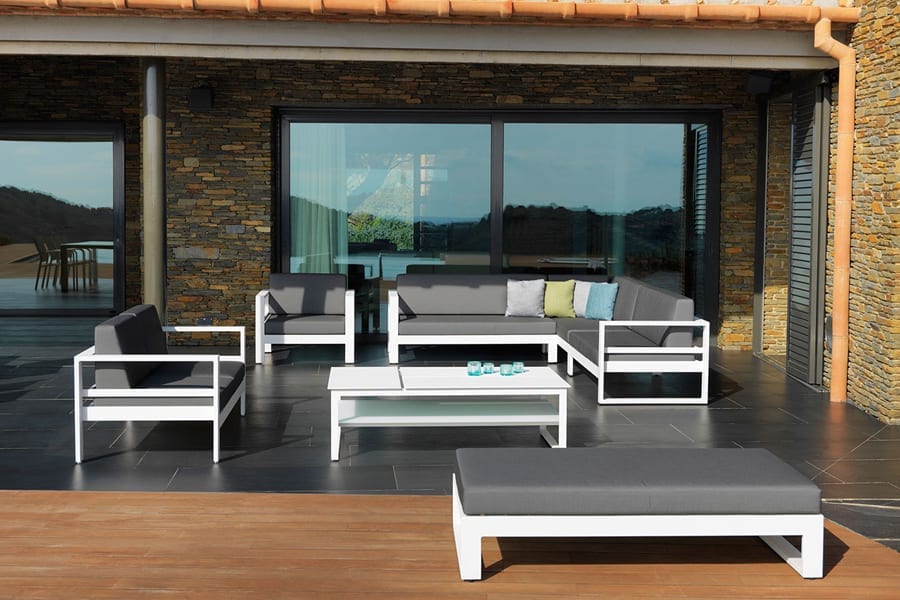
What are the benefits of using powder-coated aluminum for furniture frames?
Powder-coated aluminum frames offer several benefits for furniture, making them a popular choice in the industry. Here are some of the advantages of using powder-coated aluminum for furniture frames:
1. Durability and Strength:
Powder-coated aluminum frames are highly durable and resistant to wear and tear. The powder coating forms a protective layer on the surface of the aluminum, making it more resistant to scratches, chips, and corrosion. This durability ensures that the furniture frames can withstand regular use and exposure to outdoor elements, prolonging their lifespan.
2. Weather Resistance:
Powder-coated aluminum is well-suited for outdoor furniture because it is highly weather-resistant. The powder coating acts as a barrier, protecting the aluminum from moisture, UV rays, and extreme weather conditions. This resistance prevents the furniture frames from fading, rusting, or deteriorating when exposed to rain, sunlight, or humidity.
3. Color Options and Aesthetics:
Powder-coated aluminum frames offer a wide range of color options, allowing you to customize the look and style of your furniture. The powder coating process involves applying dry pigmented powder to the aluminum surface, which is then cured to create a smooth and durable finish. This finish can be customized to match your interior or outdoor design preferences, providing versatility in color choices.
4. Low Maintenance:
One of the significant benefits of powder-coated aluminum frames is their low maintenance requirements. The powder coating provides a non-porous surface that is easy to clean and resistant to stains. Regular maintenance typically involves wiping the frames with a mild soap and water solution or a gentle cleanser. This low maintenance feature makes powder-coated aluminum furniture frames a convenient choice for busy lifestyles.
5. Environmental Friendliness:
Powder coating is an environmentally friendly finishing option. The powder coating process generates minimal waste as the unused powder can be collected and reused. Additionally, powder coatings are free of volatile organic compounds (VOCs), which are harmful chemicals found in traditional liquid paints. Choosing powder-coated aluminum frames contributes to a more sustainable and eco-friendly furniture option.
6. Smooth and Consistent Finish:
Powder-coated aluminum frames offer a smooth and consistent finish across the entire surface. The powder coating is applied electrostatically, ensuring an even distribution of the powder particles. As a result, the finished frames have a uniform appearance without streaks or brush marks, enhancing the overall aesthetic appeal of the furniture.
7. Resistance to Fading:
Powder-coated aluminum frames are highly resistant to fading caused by prolonged exposure to sunlight. The powder coating contains special additives that provide UV resistance, preventing the color from fading over time. This resistance allows the furniture frames to maintain their vibrant and original appearance, even under intense sun exposure.
Overall, the use of powder-coated aluminum frames for furniture offers durability, weather resistance, customization options, low maintenance, environmental friendliness, a smooth finish, and resistance to fading. These benefits make powder-coated aluminum a reliable and attractive choice for both indoor and outdoor furniture applications.
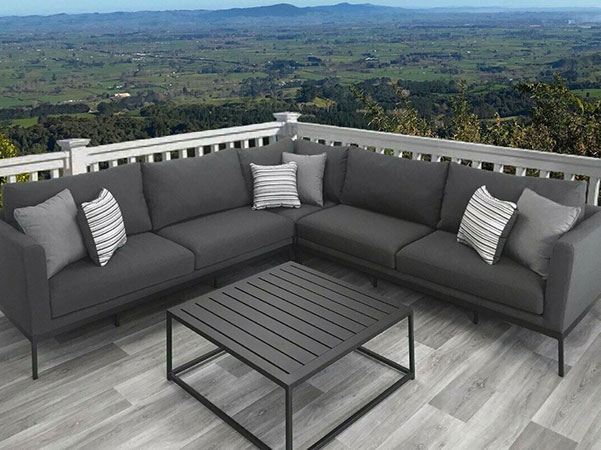
How do I secure aluminum furniture to prevent it from tipping over or moving?
Securing aluminum furniture is important to ensure safety and prevent accidents, especially in situations where the furniture may be prone to tipping over or moving. Here are some methods to help secure aluminum furniture:
1. Anchoring to the Ground:
If you have aluminum furniture placed in an outdoor area, such as a patio or garden, anchoring it to the ground can provide stability. Use ground anchors or stakes to secure the furniture legs or base to the ground. This method is particularly useful in windy conditions or areas prone to movement, preventing the furniture from being displaced or tipped over.
2. Weighted Bases or Sandbags:
For lightweight aluminum furniture, using weighted bases or sandbags can help stabilize the pieces. Place the weighted bases or sandbags on the furniture’s base or legs to add extra weight and prevent tipping. This method is especially effective for umbrellas, outdoor dining tables, or freestanding aluminum structures like screens or privacy panels.
3. Anti-Tip Devices:
Anti-tip devices are specifically designed to prevent furniture from tipping over. These devices typically consist of brackets or straps that attach the furniture to a wall or another stable surface. When using anti-tip devices with aluminum furniture, ensure that the fasteners are compatible with the material and securely anchor the furniture to the wall or surface.
4. Velcro Strips or Non-Slip Pads:
To prevent aluminum furniture from sliding or moving on smooth surfaces, consider using velcro strips or non-slip pads. Attach the velcro strips or pads to the furniture’s legs or base and adhere them to the floor or surface. This method provides friction and stability, keeping the furniture in place and reducing the risk of accidental movement or tipping.
5. Proper Weight Distribution:
When arranging aluminum furniture, ensure that the weight is evenly distributed. Avoid placing heavy objects or individuals on one side of the furniture, as it can create an imbalance and increase the risk of tipping. Distribute weight evenly across the furniture and encourage users to sit or place objects in a balanced manner.
6. Floor Grippers or Rubber Feet:
Consider using floor grippers or rubber feet on the bottom of aluminum furniture legs. These attachments can provide traction and prevent the furniture from sliding or scratching the floor. They also add stability and reduce the chances of the furniture tipping over.
7. Follow Manufacturer’s Guidelines:
Always refer to the manufacturer’s guidelines and recommendations for securing aluminum furniture. Manufacturers may provide specific instructions or additional accessories designed to enhance the stability and safety of their furniture. Adhering to these guidelines ensures proper use and minimizes the risk of accidents.
Remember that the specific securing method may vary depending on the type and design of the aluminum furniture. It’s essential to assess the individual furniture pieces and their environment to determine the most suitable method for securing them effectively.
By implementing these methods, you can secure your aluminum furniture and minimize the risk of tipping over or moving. Prioritizing safety measures ensures a stable and secure environment for you, your family, and your guests.

How can I maintain and care for my aluminum furniture to keep it looking new?
Maintaining and caring for your aluminum furniture properly can help keep it looking new and extend its lifespan. Here are some tips to consider:
- Regular Cleaning: Regularly clean your aluminum furniture to remove dirt, dust, and other debris. Use a mild soap or detergent mixed with water and a soft cloth or sponge. Gently scrub the surfaces, including the frames and any fabric or cushions, if applicable. Rinse thoroughly with clean water and allow it to dry completely.
- Avoid Harsh Cleaners: Avoid using abrasive cleaners, harsh chemicals, or solvents on your aluminum furniture, as they can damage the finish or surface. Stick to mild cleaning solutions or those specifically recommended by the manufacturer.
- Protective Covers: If your aluminum furniture is outdoors, consider using protective covers when it’s not in use. Covers can help shield the furniture from direct sunlight, rain, and other environmental elements, reducing the risk of fading, corrosion, or damage.
- Inspect for Damage: Regularly inspect your aluminum furniture for any signs of damage, such as loose joints, dents, or scratches. Address any issues promptly to prevent further damage or deterioration. Tighten loose screws or bolts, and consider using touch-up paint or clear coat to repair minor scratches or chips.
- Apply Protective Coatings: Some aluminum furniture comes with a protective coating or finish. If your furniture lacks this coating or if it has worn off over time, consider applying a suitable protective coating. This can help enhance the durability and resistance of the furniture to environmental factors.
- Store During Extreme Weather: In regions with severe weather conditions, such as heavy snowfall or strong winds, it’s advisable to store your aluminum furniture indoors or in a covered area during those periods. This can help prevent potential damage caused by extreme weather.
- Follow Manufacturer’s Guidelines: Always refer to the manufacturer’s care and maintenance instructions specific to your aluminum furniture. Different finishes or designs may have varying requirements, so it’s essential to follow the recommended guidelines for cleaning, maintenance, and any necessary treatments.
By following these maintenance and care tips, you can help preserve the appearance and longevity of your aluminum furniture, keeping it looking new and ensuring years of enjoyment.
editor by CX 2023-11-30
China Professional Blue White Yellow Galvanized Iron Brass Stainless Steel Door Window Furniture Garden Latch vacuum pump electric
Product Description
| Product name | Blue white Zinc-Plated Iron Door Latch |
| Material | Iron |
| Color | White |
| Finish | Satin |
| Panel Thickness | 12,13,18,19mm |
| Feature | Anti Corrosion, Fire Proof, Easy to Clean |
| Application | Toilet Cubice Partition |
| Quantity | 1 Indication Lock for 1 Toilet Cubicle |
FAQ
1,How to deal with defects?
Before your shipment ,we will inspect carefully and make sure the product is perfect. And we will provide two year warranty so please kindly to purchase.
2,Can you offer OEM &ODM?
Our company accept OEM&ODM, if your need it, please inform us of your specific requirements.
3,What is the MOQ of your product?
a. Furniture hardware, such as hinge, latch, wooden connector and etc. MOQ=5000pcs
b. Construction hardware, such as anchor pole, bracket and etc. : MOQ=1000pcs
c. Fasteners, such as screw, nut, bolt, washer and etc. :MOQ=1ton
d. Gloves, such as safety glove, examination glove and etc. : MOQ=1000pcs
e. Protective products, such as mask, coverall and etc. : MOQ=1000pcs
f. it is available to accept the low quantities in some special conditions.
4,what’s your mode of transportation/shipping?
By sea, By air, By DHL, FedEx, UPS, TNT ,EMS EXPRESS etc.
Of course, you can also specify the mode of transportation as well as tell us your specific requirements.
5,Payment Terms
T/T, L/C, Western Union. Paypal . if you need to pay by other ways, please negotiate with us.
6,Delivery time
7-30days after we receive your prepayment or L/C
7,I don’t trust your products quality, can you provide samples?
Yes, we can offer you free samples, but you need to pay the freight. after your first order, the sample freight fee will refund to you.
8,Are you a factory or a trade company?
We are both factory and trade company, welcome to visit our factory at any time.
We will offer what you want, solve the problems what you have,
just don’t hesitate to contact us!
| After-sales Service: | 10years |
|---|---|
| Warranty: | 10years |
| Type: | Tower Bolt |
| Material: | Iron |
| Length: | 3 inch |
| Thickness: | 1.0mm |
| Samples: |
US$ 0/Piece
1 Piece(Min.Order) | |
|---|
| Customization: |
Available
|
|
|---|
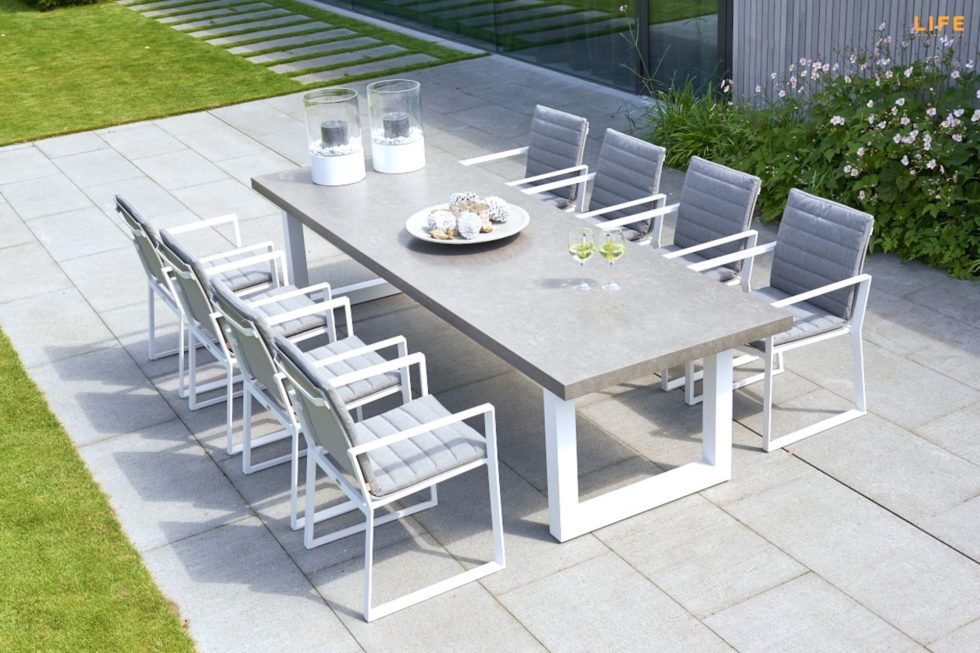
What are the advantages of using teak wood for garden furniture?
Teak wood is a popular choice for garden furniture due to its numerous advantages. Here are some key advantages of using teak wood for your garden furniture:
1. Natural Durability:
Teak wood is naturally durable and known for its exceptional strength and resistance to outdoor elements. It contains natural oils that act as a protective barrier against moisture, pests, and rot. These properties make teak wood highly suitable for outdoor use, as it can withstand exposure to rain, sun, and fluctuating temperatures.
2. Weather Resistance:
Teak wood’s natural oils also contribute to its excellent weather resistance. It is highly resistant to warping, cracking, and splitting, even when exposed to harsh weather conditions. This makes teak wood an ideal choice for garden furniture that needs to withstand the elements year-round.
3. Low Maintenance:
Teak wood requires minimal maintenance compared to other types of wood. Its natural oils help preserve the wood’s integrity and protect it from moisture damage, reducing the need for frequent sealing or staining. Simply cleaning the furniture periodically with mild soap and water is usually sufficient to maintain its appearance.
4. Longevity:
Teak wood is renowned for its longevity. When properly cared for, teak furniture can last for many years, often outlasting other types of outdoor furniture materials. Its durability and resistance to decay make it a long-term investment for your garden.
5. Aesthetic Appeal:
Teak wood has a beautiful natural golden hue that weathers to an attractive silver-gray patina over time. Many people appreciate the warm and timeless appearance of teak furniture, which can enhance the aesthetic appeal of any garden or outdoor space.
6. Versatility:
Teak wood’s versatility is another advantage. It can be easily crafted into various furniture designs, ranging from classic to contemporary styles. Whether you prefer traditional or modern aesthetics, teak furniture can complement a wide range of outdoor settings and personal preferences.
7. Sustainable and Eco-Friendly:
Teak wood is often sourced from sustainable plantations and is considered an eco-friendly choice for furniture. Well-managed teak plantations ensure the replenishment of trees and promote responsible forestry practices.
8. Investment Value:
Teak furniture is often regarded as an investment due to its durability and longevity. While the initial cost of teak furniture may be higher compared to some other materials, its longevity and minimal maintenance requirements can make it a cost-effective choice in the long run.
These advantages make teak wood a highly desirable option for garden furniture. Its natural durability, weather resistance, low maintenance, longevity, aesthetic appeal, versatility, sustainability, and investment value combine to create a compelling choice for outdoor furniture that can withstand the test of time.
How do I revive old or worn-out garden furniture to extend its lifespan?
If you have old or worn-out garden furniture, there are several steps you can take to revive it and extend its lifespan. By giving your furniture some attention and care, you can restore its appearance, functionality, and durability. Here’s how you can revive old or worn-out garden furniture:
1. Clean the Furniture:
Start by thoroughly cleaning the furniture to remove dirt, grime, and any existing coatings. Use a mild detergent or a specialized cleaner suitable for the furniture material. Scrub the surfaces with a soft brush or sponge, and rinse with water. Cleaning the furniture will help reveal its true condition and prepare it for further restoration steps.
2. Repair Damaged Parts:
Inspect the furniture for any damaged or broken parts, such as loose joints, cracked wood, or rusted metal. Repair or replace these parts as necessary. Tighten screws, apply wood glue to loose joints, and use appropriate repair techniques for different materials. This step will help ensure the structural integrity of the furniture and prevent further damage.
3. Sand the Surfaces:
If the furniture has a worn or rough surface, sanding can help smooth it out and prepare it for refinishing. Use sandpaper with an appropriate grit for the furniture material. Sand in the direction of the wood grain or follow the manufacturer’s recommendations for other materials. Sanding will remove imperfections, old finishes, and provide a clean surface for the next steps.
4. Apply a Fresh Finish:
Consider applying a fresh finish to protect and enhance the appearance of the furniture. The type of finish will depend on the furniture material. For wooden furniture, options include varnish, paint, or stain. Metal furniture may require a rust-resistant primer and paint. Follow the manufacturer’s instructions and apply multiple coats for better durability.
5. Replace or Reupholster Cushions:
If your garden furniture has cushions that are worn-out or faded, consider replacing or reupholstering them. Look for outdoor-grade fabric that is resistant to UV rays and moisture. Measure the dimensions of the cushions and sew or have them professionally reupholstered. This will give your furniture a fresh and comfortable look.
6. Apply Protective Coatings:
To further extend the lifespan of your furniture, consider applying protective coatings. For wooden furniture, use a wood sealer or exterior-grade varnish to protect it from moisture and UV damage. Metal furniture can benefit from a clear coat or rust-resistant spray to prevent corrosion. These coatings will help maintain the appearance and integrity of the furniture.
7. Store Properly:
When not in use, store your garden furniture properly to protect it from harsh weather conditions. If possible, cover the furniture with a waterproof cover or move it to a covered area. Storing furniture indoors during the winter or extreme weather can significantly extend its lifespan.
8. Regular Maintenance:
Maintain your revived furniture by regularly cleaning it and performing minor repairs as needed. Keep an eye out for signs of wear or damage and address them promptly. By maintaining your furniture, you can ensure its longevity and enjoy it for years to come.
By following these steps, you can breathe new life into your old or worn-out garden furniture and extend its lifespan, saving both money and resources in the process.
How can I protect my garden furniture from the elements during the winter?
Protecting your garden furniture from the harsh winter elements is essential to prolong its lifespan and keep it in good condition. Here are several steps you can take to protect your furniture:
1. Clean and Dry:
Before winter arrives, thoroughly clean your garden furniture to remove any dirt, leaves, or debris. Allow it to dry completely to prevent the growth of mold or mildew during storage.
2. Store Indoors:
If possible, store your garden furniture indoors during the winter months. A garage, shed, or basement can provide protection from the elements. This is the most effective way to safeguard your furniture from extreme cold, moisture, and snow.
3. Use Furniture Covers:
If indoor storage is not possible, use weatherproof furniture covers to protect your outdoor furniture. Choose covers made from durable materials that are designed to withstand winter conditions. Ensure that the covers are secure and provide full coverage for each piece of furniture.
4. Elevate and Protect:
If you cannot store your furniture indoors and it is not practical to cover each piece, elevate the furniture off the ground to prevent contact with wet or frozen surfaces. You can use wooden pallets or furniture risers for this purpose. Additionally, consider using waterproof tarps or plastic sheets to provide temporary protection from rain or snow.
5. Remove Cushions and Upholstery:
If your furniture has removable cushions or upholstery, it’s advisable to store them indoors during the winter. This will prevent them from becoming damp, stained, or damaged by freezing temperatures. Clean and dry the cushions before storing them to maintain their condition.
6. Apply Protective Coatings:
Before winter sets in, consider applying protective coatings to your wooden or metal furniture. For wooden furniture, use an outdoor furniture oil or sealant to protect it from moisture and prevent cracking or warping. Metal furniture can benefit from a coat of rust-resistant paint or a protective spray.
7. Regular Maintenance:
Throughout the winter, periodically check on your stored or covered furniture and ensure that the covers are in good condition. Remove any accumulated snow or debris to prevent damage. If necessary, reapply protective coatings or make repairs to maintain the furniture’s integrity.
By following these steps, you can effectively protect your garden furniture from the winter elements and ensure its longevity. Remember, proper storage, covers, and maintenance are key to keeping your furniture in excellent condition for many seasons to come.
editor by CX 2023-11-30
China high quality Outdoor Grade Furniture Rope CHINAMFG Frame Chair for Dining Table and Chair vacuum pump brakes
Product Description
Product Description
| Design Style | Modern |
| MOQ | 20PCS |
| Brand | UPTOP |
More scene display
Certifications
cooperative partner
Packaging & Shipping
Our Advantages
Enhanced by the variety of elegant, imaginative and the unique finishes available, there is no
surprise that many of the most prestigious furniture companies in the world are successfully
selling our products. With non-stop development and innovation, we create more new ideas
and designs. Also, we supply a whole set of door to CY & door to door services to our clients
for whole container and LCL container order. Thank you for choosing UPTOP.
Our ultimate goal is to supply the elegant furniture for your lifestyle.
FAQ
Q1: How long does it take to execute my order?
That depends on the size and complexity of the order.Please tell us the quantity and model number of the products you are about to order, so that we will give you a detailed schedule.
Q2: How can I know the completion of my order?
Upon receipt of the deposit, we will immediately arrange for the production, after the order is completed, we will inspect and test all products carefully to ensure no damage and lost, we will also send you the detection images of your order before delivery for you to confirm.Statement: Colors of products may vary slightly from actual color due to photography,
scHangZhou, etc.
Q3: Can you arrange to deliver the goods for us?
Yes. When finish the orders, we will inform you and also we can arrange the shipping in the same time.There is LCL shipping and FCL shipping for different order term,the buyer also can choose Air-transport or Ocean shipping for your requirement .When your orders reach your local nearest Seaport or River port, the logistics company will infrom you.
Q4: Can you guarantee your products?
Yes, we guarantee your 100% satisfaction on all our products.Please feel free to feedback us immediately if you are not satisfied with CHINAMFG quality or service, If the product does not meet the contract requirements, we will send you a free replacement or give you compensation in the next order.
Q5: Can I visit your company?
Of course, We always with great pleasure at your service .we have a showroom in HangZhou, China.If you want to order our products and visit our company, please contact us to make an appointment.
| Material: | Woven Rope, Rattan / Wicker |
|---|---|
| Usage: | Outdoor |
| Folded: | Unfolded |
| Customized: | Customized, Customized |
| Condition: | New, New |
| Size: | Combination |
| Customization: |
Available
|
|
|---|
Can I find aluminum parts for repairing or refurbishing indoor furniture as well?
Yes, you can find aluminum parts for repairing or refurbishing indoor furniture. Here is a detailed explanation:
Aluminum parts are not limited to outdoor furniture. They are also widely available for indoor furniture repair or refurbishment projects. Whether you have aluminum furniture that needs replacement parts or you want to incorporate aluminum elements into your existing indoor furniture, there are options available to suit your needs.
When it comes to repairing or refurbishing indoor furniture with aluminum parts, consider the following:
- 1. Replacement Parts:
- 2. Custom Fabrication:
- 3. Salvaging and Repurposing:
- 4. Retrofitting:
- 5. Online Suppliers and Specialty Stores:
If you have aluminum furniture that requires replacement parts, it is often possible to find specific components such as legs, frames, brackets, or connectors made from aluminum. These parts are designed to match the original specifications of the furniture, ensuring a proper fit and seamless integration.
If you have a unique indoor furniture piece or want to add aluminum elements to an existing piece, custom fabrication can be an option. Work with a skilled metalworker or furniture specialist who can create custom aluminum parts based on your design requirements. This allows for personalized and tailored solutions that complement your indoor furniture’s style and functionality.
Another approach to incorporating aluminum parts into indoor furniture is salvaging and repurposing. Look for discarded or unused aluminum materials, such as extrusions, sheets, or profiles, that can be transformed into furniture components. With some creativity and craftsmanship, these salvaged aluminum parts can be repurposed to update or enhance the design of your indoor furniture.
Retrofitting involves adding aluminum parts or components to an existing piece of furniture to improve its functionality or aesthetics. For example, you might retrofit an indoor table with aluminum legs or an aluminum frame to give it a modern and sleek look. Retrofitting allows you to incorporate the benefits of aluminum into your indoor furniture without completely replacing it.
Online suppliers and specialty stores catering to furniture repair and refurbishment often offer a range of aluminum parts suitable for indoor furniture. These suppliers may have a variety of sizes, finishes, and styles to choose from, making it easier to find the right aluminum components for your specific project.
When searching for aluminum parts for indoor furniture repair or refurbishment, consider the dimensions, finishes, and compatibility with your existing furniture. It can be helpful to consult with experts or professionals in the furniture industry who can provide guidance and recommendations based on your specific needs.
With the availability of aluminum parts and the versatility of the material, you have the opportunity to repair, update, or enhance your indoor furniture using aluminum components, adding durability, style, and a modern touch to your living space.
What are the ideal finishes for aluminum furniture parts that won’t fade in the sun?
When it comes to preserving the color and appearance of aluminum furniture parts exposed to sunlight, certain finishes are more suitable. Here is a detailed explanation:
1. Powder Coating: Powder coating is a popular finish for aluminum furniture parts that offers excellent resistance to fading. In this process, a dry powder is electrostatically applied to the surface of the aluminum and then cured under heat, forming a durable and protective coating. Powder coating provides a wide range of color options and can withstand prolonged sun exposure without significant fading. It also offers good resistance to scratches, chips, and corrosion, making it an ideal choice for outdoor furniture.
2. Fluoropolymer Coating: Fluoropolymer coatings, such as fluoropolymer paint or polyvinylidene fluoride (PVDF) coating, are known for their exceptional resistance to fading and UV degradation. These coatings create a strong barrier against sunlight and maintain their color integrity over time. Fluoropolymer coatings are commonly used in architectural applications and high-end outdoor furniture. They provide excellent weatherability and durability, ensuring that the aluminum furniture parts retain their vibrant appearance even in intense sunlight.
3. Anodizing: Anodizing is not specifically a finish for color retention, but it can help protect the aluminum surface from fading caused by sun exposure. Anodizing involves an electrochemical process that thickens the natural oxide layer on the aluminum surface, increasing its resistance to UV rays and preventing color fading to some extent. While anodizing is commonly used for clear or metallic finishes, it can also be combined with dyes to achieve different color options. However, it’s important to note that certain anodized colors may still experience some degree of fading over time, especially when exposed to intense sunlight.
4. Powder Coat with UV Stabilizers: Some powder coating formulations include UV stabilizers, which are additives designed to enhance the resistance of the coating to fading caused by UV rays. These UV stabilizers help prevent color degradation and maintain the vibrancy of the finish over a longer period, even under direct sun exposure. When selecting a powder coating for aluminum furniture parts, consider options with UV stabilizers for added protection against fading.
It’s important to note that even with the most durable finishes, long-term exposure to sunlight can still cause some degree of fading or color change over time. Factors like the intensity of sunlight, climate conditions, and maintenance practices can also affect the longevity of the finishes. To maximize the lifespan of the finish and minimize fading, it’s recommended to provide regular maintenance, such as cleaning the furniture and applying a protective coating or sealant as needed.
By choosing finishes like powder coating, fluoropolymer coatings, or anodizing, you can significantly enhance the resistance of aluminum furniture parts to fading caused by sunlight. These finishes offer excellent durability, color retention, and protection against UV degradation, ensuring that your aluminum furniture retains its visual appeal even when exposed to the sun for extended periods.

What are the benefits of using aluminum furniture parts for outdoor settings?
Using aluminum furniture parts in outdoor settings offers several advantages due to the unique properties and characteristics of aluminum. Here is a detailed explanation of the benefits of using aluminum furniture parts for outdoor settings:
- Lightweight and Easy to Move:
- Durable and Weather Resistant:
- Low Maintenance:
- Stylish and Versatile:
- Comfortable and Ergonomic:
- Environmentally Friendly:
- Long Lifespan:
Aluminum is a lightweight material, making furniture with aluminum parts easy to move and rearrange as needed. This is especially beneficial for outdoor settings where furniture may need to be frequently repositioned or stored during certain seasons.
Aluminum is highly durable and exhibits excellent resistance to weather conditions. It is naturally resistant to rust and corrosion, making it well-suited for outdoor furniture that is exposed to moisture, rain, and sunlight. Aluminum furniture parts can withstand the elements and maintain their appearance and structural integrity over time.
Aluminum furniture requires minimal maintenance compared to other materials. It does not require regular sealing or painting to protect it from the elements. Simply cleaning aluminum furniture with mild soap and water is usually sufficient to keep it looking good and free from dirt or stains.
Aluminum furniture parts offer versatility in design and style. Aluminum can be easily shaped and formed into various aesthetic profiles and designs, allowing for a wide range of styles and finishes. Whether you prefer modern, contemporary, or traditional outdoor furniture, aluminum parts can be crafted to suit different design preferences.
Aluminum furniture can be designed with ergonomic considerations in mind, providing optimal comfort for outdoor seating. Cushions and other upholstery materials can be added to aluminum frames to enhance comfort and create a more inviting outdoor seating experience.
Aluminum is a highly recyclable material, making it an environmentally friendly choice for outdoor furniture. It can be recycled repeatedly without losing its inherent properties, reducing the need for new aluminum extraction and minimizing environmental impact.
Due to its durability and resistance to corrosion, aluminum furniture parts have a long lifespan, even when exposed to outdoor conditions. With proper care and maintenance, aluminum furniture can last for many years, providing a reliable and sustainable option for outdoor settings.
These are the key benefits of using aluminum furniture parts in outdoor settings. The lightweight nature, durability, low maintenance requirements, versatility in design, and environmental friendliness of aluminum make it a popular choice for outdoor furniture that can withstand the rigors of weather and provide comfort and style for years to come.
editor by CX 2023-11-30
China best Outdoor Lighting Sos Function Portable Air Compressor for Car arb air compressor
Product Description
Product parameter
1. [Fast Inflation with Turbo Like Design] -After thousands of polishing and upgrading, we got breakthrough! Reference turbo design, this small portable tire inflator embedded with a powerful 24-cylinder air pump. It provide maximum pressure of 150 CHINAMFG and airflow of 38L/Min! Only need 5 mins to fully inflate a car tire (0-36PSI) or 1 min to refill car tire in daily situation (25-36PSI). (Testing data base on a flat standard tire 185/65/R15) IT CAN USE FOR ALL CAR AND SUV, BUT NOT FOR TRUCK AND VAN.
2. [Innovative & Compact Cordless Design] -Are you still struggling with the messy long power cord connection of traditional air pumps? This innovative portable air compressor will be your wonderful solution! The new and compact cordless design with rechargeable battery allows you to inflate any device without external power supply and get rid of annoying power cords. Just put it in your pocket, backpack or car to help you anytime and anywhere, saves the time to the gas station!
3.[LCD Display & Auto Shut Off] -The Digital Tire Inflator has a large LCD digital display screen with 4 pressure measurement units- PSI, KPA, BAR, KG/CM. Real-time reporting of accurate data to know tire pressure at a glance! It also provides you with rest-assured using experience based on the auto shut off function at the desired level. There is no need to worry about over inflating, RYSEAB smart portable inflator for tires got your back!
4.[6000 mAh Battery, Last for Long] -To solve the battery life anxiety, the air pump built-in large 6000 mAh battery. It is allowed to inflate 4 car tires from 0-35 CHINAMFG after a full charged or inflate from 25-36 CHINAMFG about 12 times. It can completely deal with the daily needs or emergency! (Mark: Testing data base on a flat standard tire 185/65/R15)
5.[Bright LED & Long Time Lighting] -Of course! We also considered the use at darkness! Super bright LED with 2 lighting modes (Bright &Flashing mode) makes your car air pump suitable for roadside emergency and nighttime use. The light can last for 7 hours with fully charged. It is definitely worth your choice! Package content:1*tire inflator, 1*air hose, 1*type-c charging cable, 4*needle adapters
Q&As
Q: What kind of cars can it inflate?
A: It can use for all family cars and SUVs. But not for trucks!
Q: How the inflating speed is?
A: We design a large cylinder which diameter is up to 24 mm and others are generally 15 mm. It provide Airflow of 38 L/Min, inflate car tires 25-36 CHINAMFG in 1 min. Mark: Testing data base on a flat standard tire 185/65/R15.
Q: Will it easy to over inflating?
A: No, with the PSB tech, it will accurately measure the tire pressure and the error is within 0.1 PSI. It will also auto off when reach the preset value.
Q: How long the battery should last?
A:The tire inflator built-in large 6000 mAh battery. It is allowed to inflate 4 car tires from 0-35 CHINAMFG after a full charged, inflate from 28-35 CHINAMFG about 12 times. If it is not used for a long time, we recommend charging at least once every 3 months. (Mark: Testing data base on a flat standard tire 185/65/R15)
Q: Does it came with a charger and charging cord?
A: There is a type-c charging cable in the product package, but there is no charging head, you need to use a 5V/2A charging head to charge.
PS:
This inflator has heating protection:
Since continuous work will damage the product’s motor, we set the motor after 15 minutes of continuous work(Generally, it doesn’t need to be used for such a long time) and overheating protection function (Over 135 ºC) will be activated, wait for 15-20 minutes to cool down,then you can use the inflate function again.
About battery
If you find that the battery has quickly lost 2 cells during use, don’t worry about battery life. This is only a problem with the battery algorithm. You can continue to use the next 2 cells for a long time, it can reach the number of uses introduced above.
| After-sales Service: | Reply Within 24 Hours |
|---|---|
| Warranty: | One Year |
| Classification: | 6000mAh |
| Battery: | 6000mAh |
| Max: | Air Pump 150psi |
| Function: | Overcharging, Overdischarging, and Overcurrent |
| Samples: |
US$ 30/Piece
1 Piece(Min.Order) | |
|---|
| Customization: |
Available
|
|
|---|
.webp)
How does variable speed drive technology improve air compressor efficiency?
Variable Speed Drive (VSD) technology improves air compressor efficiency by allowing the compressor to adjust its motor speed to match the compressed air demand. This technology offers several benefits that contribute to energy savings and enhanced overall system efficiency. Here’s how VSD technology improves air compressor efficiency:
1. Matching Air Demand:
Air compressors equipped with VSD technology can vary the motor speed to precisely match the required compressed air output. Traditional fixed-speed compressors operate at a constant speed regardless of the actual demand, leading to energy wastage during periods of lower air demand. VSD compressors, on the other hand, ramp up or down the motor speed to deliver the necessary amount of compressed air, ensuring optimal energy utilization.
2. Reduced Unloaded Running Time:
Fixed-speed compressors often run unloaded during periods of low demand, where they continue to consume energy without producing compressed air. VSD technology eliminates or significantly reduces this unloaded running time by adjusting the motor speed to closely follow the air demand. As a result, VSD compressors minimize energy wastage during idle periods, leading to improved efficiency.
3. Soft Starting:
Traditional fixed-speed compressors experience high inrush currents during startup, which can strain the electrical system and cause voltage dips. VSD compressors utilize soft starting capabilities, gradually ramping up the motor speed instead of instantly reaching full speed. This soft starting feature reduces mechanical and electrical stress, ensuring a smooth and controlled startup, and minimizing energy spikes.
4. Energy Savings at Partial Load:
In many applications, compressed air demand varies throughout the day or during different production cycles. VSD compressors excel in such scenarios by operating at lower speeds during periods of lower demand. Since power consumption is proportional to motor speed, running the compressor at reduced speeds significantly reduces energy consumption compared to fixed-speed compressors that operate at a constant speed regardless of the demand.
5. Elimination of On/Off Cycling:
Fixed-speed compressors often use on/off cycling to adjust the compressed air output. This cycling can result in frequent starts and stops, which consume more energy and cause mechanical wear. VSD compressors eliminate the need for on/off cycling by continuously adjusting the motor speed to meet the demand. By operating at a consistent speed within the required range, VSD compressors minimize energy losses associated with frequent cycling.
6. Enhanced System Control:
VSD compressors offer advanced control capabilities, allowing for precise monitoring and adjustment of the compressed air system. These systems can integrate with sensors and control algorithms to maintain optimal system pressure, minimize pressure fluctuations, and prevent excessive energy consumption. The ability to fine-tune the compressor’s output based on real-time demand contributes to improved overall system efficiency.
By utilizing variable speed drive technology, air compressors can achieve significant energy savings, reduce operational costs, and enhance their environmental sustainability by minimizing energy wastage and optimizing efficiency.
.webp)
How are air compressors employed in the mining industry?
Air compressors play a crucial role in the mining industry, providing reliable and efficient power for various mining operations. Here are some common applications of air compressors in mining:
1. Exploration and Drilling:
Air compressors are used during exploration and drilling activities in the mining industry. Compressed air is used to power drilling rigs, pneumatic hammers, and other drilling equipment. The high-pressure air generated by the compressor helps in drilling boreholes, extracting core samples, and exploring potential mineral deposits.
2. Ventilation and Air Quality Control:
Air compressors are employed in underground mining to provide ventilation and control air quality. Compressed air is used to operate ventilation fans and air circulation systems, ensuring adequate airflow and removing harmful gases, dust, and fumes from the mining tunnels and work areas.
3. Material Conveyance:
In mining operations, air compressors are used for material conveyance. Pneumatic systems powered by air compressors are utilized to transport materials such as coal, ore, and other minerals. Compressed air is used to operate pneumatic conveyors, pumps, and material handling equipment, allowing for efficient and controlled movement of bulk materials.
4. Dust Suppression:
Air compressors are employed for dust suppression in mining areas. Compressed air is used to spray water or other suppressants to control dust generated during mining activities. This helps in maintaining a safe and healthy work environment, reducing the risks associated with dust inhalation and improving visibility.
5. Instrumentation and Control:
Air compressors are used for instrumentation and control purposes in mining operations. Compressed air is utilized to power pneumatic control systems, control valves, and actuators. These systems regulate the flow of fluids, control equipment movements, and ensure the proper functioning of various mining processes.
6. Explosive Applications:
In mining, air compressors are used for explosive applications. Compressed air is employed to power pneumatic tools used for rock fragmentation, such as rock drills and pneumatic breakers. The controlled power of compressed air enables safe and efficient rock breaking without the need for traditional explosives.
7. Maintenance and Repair:
Air compressors are essential for maintenance and repair activities in the mining industry. Compressed air is used for cleaning machinery, removing debris, and powering pneumatic tools for equipment maintenance and repair tasks. The versatility and portability of air compressors make them valuable assets in maintaining mining equipment.
It is important to note that different mining operations may have specific requirements and considerations when selecting and using air compressors. The size, capacity, and features of air compressors can vary based on the specific mining application and environmental conditions.
By utilizing air compressors effectively, the mining industry can benefit from increased productivity, improved safety, and efficient operation of various mining processes.
.webp)
In which industries are air compressors widely used?
Air compressors find extensive usage across various industries due to their versatility and ability to generate compressed air. Here are some industries where air compressors are widely employed:
1. Manufacturing: Air compressors are essential in manufacturing processes for powering pneumatic tools and equipment. They are used for tasks such as operating assembly lines, powering robotic machinery, running paint sprayers, and driving pneumatic actuators.
2. Construction: Air compressors play a crucial role in the construction industry. They power pneumatic tools like jackhammers, nail guns, impact wrenches, and concrete breakers. Compressed air is also used for concrete spraying, sandblasting, and operating air-powered lifts and hoists.
3. Automotive: Air compressors are widely used in automotive manufacturing and repair. They power air tools used in auto body shops, tire inflation equipment, pneumatic lifts, and air-operated brake systems. Compressed air is also utilized in vehicle painting and drying processes.
4. Oil and Gas: The oil and gas industry extensively relies on air compressors for various applications. They are used for pneumatic drilling, powering pneumatic tools in refineries and petrochemical plants, operating pneumatic valves and actuators, and providing instrument air for control systems.
5. Food and Beverage: Air compressors are employed in the food and beverage industry for tasks such as packaging, bottling, and sealing. They power pneumatic conveying systems, control air pressure in food processing equipment, and provide clean compressed air for food handling and storage.
6. Pharmaceutical and Healthcare: Air compressors find application in pharmaceutical manufacturing and healthcare facilities. They are used for operating medical equipment, such as ventilators and dental tools. Compressed air is also utilized in pharmaceutical processes, including tablet coating, fluid bed drying, and aseptic packaging.
7. Aerospace: The aerospace industry relies on air compressors for various applications, including aircraft maintenance and assembly. They power pneumatic tools for aircraft repair, provide compressed air for cleaning and pressurizing systems, and support ground operations, such as tire inflation and aircraft de-icing.
8. Mining: Air compressors are extensively used in the mining industry. They power pneumatic tools for drilling, rock blasting, and excavation. Compressed air is also utilized for ventilation, conveying materials, and operating underground equipment.
9. Energy and Utilities: Air compressors play a vital role in the energy and utilities sector. They are used in power generation plants for pneumatic control systems, instrument air, and operating pneumatic valves. Compressed air is also employed for cleaning and maintenance purposes.
These are just a few examples of the industries where air compressors are widely utilized. The versatility and reliability of air compressors make them indispensable in numerous applications across diverse sectors.


editor by CX 2023-11-30
China Hot selling 500L Powerful Industrial Air Pumps Belt Air Compressor W 3080 Cylinder, Oil Lubrication Air Compressors air compressor for sale
Product Description
Product Description
DESCRIPTION
Powerful pump with big tank
Metal handle and big wheels for easier transportation
Double universal quick coupler with double pressure gauges
Coveninet for customer to operate
Thermal Overload Protector
120 CHINAMFG Maximum Pressure
One year Limited Warranty
Comes complete with Air Filter
Traditional Compressor with Oil lubrication, high power and big air displacement.
FEATURES/BENEFITS
Powerful, safe, long life, and low rpm
High efficiency for heavy-duty usage
High efficiency for heavy-duty usage
Fit for indoor decoration and craftsmen
Installation Instructions
Company Profile
FAQ
Q: Are you a manufacturer or a trading company?
A: We are an over 30 years experienced manufacturer of angle grinders, vibrators, welding machines, air compressors, cut-off machines, drill presses, etc.
Q: How is your quality control?
A: We have QA & QC department to make sure qualified products us.
income raw material inspection and first unit sample confirmed by QA before assembling; processing, duration & performance testing carried out by QC before packing by 100%;
finished products will be sampling survey at 18-25% before shipping.
Q: What is the package for your products?
A: We have a variety of packing for different items: Color box; brown box; Honeycomb box; wooden case. Or extra outer packing according to the client’s requirement.
Q: How about the leading time?
A: testing samples need 5-10 days to prepare, full container loading 20-30 days normally, peak season or more than 20x40HQ containers will be 30-50 days.
Q: What’s your payment term?
A: The general payment term we are working with is T/T, 20-30% as a deposit, the balance before shipment or at sight the BL copy, other payment terms such as L/C at sight more than that can be negotiable.
Q: How about the shipping cost?
A: For small quantity orders, the goods could be delivered to you via express couriers, such as DHL, FEDEX, and so on, we have longterm cooperation with them. If the order quantity is large, the goods would be shipped by sea. We’ll advise the way of shipping and quote the shipping cost for your checking in advance, you also can ship by your shipping agent.
Q: Do you also sell replacements for your machines?
A: Yes, replacements for our products are available. 3-5% free charge of easily damaged parts provided by us within a 1-2 years warranty, order quantity up to 1000pcs per item, we can give 1 to 5pcs quick-weak replacements.
| After-sales Service: | 24 Online Service |
|---|---|
| Warranty: | 12 Months |
| Lubrication Style: | Lubricated |
| Cooling System: | Air Cooling |
| Cylinder Arrangement: | Balanced Opposed Arrangement |
| Cylinder Position: | Vertical |
| Samples: |
US$ 565/Piece
1 Piece(Min.Order) | |
|---|
| Customization: |
Available
|
|
|---|
.webp)
How are air compressors used in the food and beverage industry?
Air compressors play a vital role in the food and beverage industry, providing a reliable source of compressed air for various applications. Here are some common uses of air compressors in this industry:
1. Packaging and Filling:
Air compressors are extensively used in packaging and filling operations in the food and beverage industry. Compressed air is utilized to power pneumatic systems that control the movement and operation of packaging machinery, such as filling machines, capping machines, labeling equipment, and sealing devices. The precise and controlled delivery of compressed air ensures accurate and efficient packaging of products.
2. Cleaning and Sanitization:
Air compressors are employed for cleaning and sanitization purposes in food and beverage processing facilities. Compressed air is used to operate air-powered cleaning equipment, such as air blowguns, air-operated vacuum systems, and air knives. It helps remove debris, dust, and contaminants from production lines, equipment, and hard-to-reach areas. Additionally, compressed air is used for drying surfaces after cleaning and for applying sanitizing agents.
3. Cooling and Refrigeration:
In the food and beverage industry, air compressors are utilized in cooling and refrigeration systems. Compressed air is used to drive air compressors in refrigeration units, enabling the circulation of refrigerants and maintaining optimal temperatures for food storage and preservation. The controlled airflow provided by the compressors facilitates efficient cooling and refrigeration processes.
4. Aeration and Mixing:
Air compressors are used for aeration and mixing applications in the food and beverage industry. Compressed air is introduced into processes such as fermentation, dough mixing, and wastewater treatment. It helps in promoting oxygen transfer, enhancing microbial activity, and facilitating proper mixing of ingredients or substances, contributing to the desired quality and consistency of food and beverage products.
5. Pneumatic Conveying:
In food processing plants, air compressors are employed for pneumatic conveying systems. Compressed air is used to transport bulk materials such as grains, powders, and ingredients through pipes or tubes. It enables the gentle and efficient movement of materials without the need for mechanical conveyors, reducing the risk of product damage or contamination.
6. Quality Control and Testing:
Air compressors are utilized in quality control and testing processes within the food and beverage industry. Compressed air is used for leak testing of packaging materials, containers, and seals to ensure product integrity. It is also employed for spraying air or gases during sensory analysis and flavor testing.
7. Air Agitation:
In certain food and beverage production processes, air compressors are used for air agitation. Compressed air is introduced into tanks, mixing vessels, or fermentation tanks to create turbulence and promote mixing or chemical reactions. It aids in achieving consistent product quality and uniform distribution of ingredients or additives.
It is important to note that air compressors used in the food and beverage industry must meet strict hygiene and safety standards. They may require specific filtration systems, oil-free operation, and compliance with food safety regulations to prevent contamination or product spoilage.
By utilizing air compressors effectively, the food and beverage industry can benefit from improved productivity, enhanced product quality, and efficient processing operations.
.webp)
What safety precautions should be taken when working with compressed air?
Working with compressed air requires adherence to certain safety precautions to prevent accidents and ensure the well-being of individuals involved. Here are some important safety measures to consider:
1. Personal Protective Equipment (PPE):
Wear appropriate PPE, including safety goggles or a face shield to protect eyes from flying debris or particles, hearing protection to reduce noise exposure, and gloves to safeguard hands from potential hazards.
2. Compressed Air Storage:
Avoid storing compressed air in containers that are not designed for this purpose, such as soda bottles or makeshift containers. Use approved and properly labeled air storage tanks or cylinders that can handle the pressure and are regularly inspected and maintained.
3. Pressure Regulation:
Ensure that the air pressure is regulated to a safe level suitable for the equipment and tools being used. High-pressure air streams can cause serious injuries, so it is important to follow the manufacturer’s recommendations and never exceed the maximum allowable pressure.
4. Air Hose Inspection:
Regularly inspect air hoses for signs of damage, such as cuts, abrasions, or leaks. Replace damaged hoses immediately to prevent potential accidents or loss of pressure.
5. Air Blowguns:
Exercise caution when using air blowguns. Never direct compressed air towards yourself or others, as it can cause eye injuries, hearing damage, or dislodge particles that may be harmful if inhaled. Always point blowguns away from people or any sensitive equipment or materials.
6. Air Tool Safety:
Follow proper operating procedures for pneumatic tools. Ensure that tools are in good working condition, and inspect them before each use. Use the appropriate accessories, such as safety guards or shields, to prevent accidental contact with moving parts.
7. Air Compressor Maintenance:
Maintain air compressors according to the manufacturer’s guidelines. Regularly check for leaks, clean or replace filters, and drain moisture from the system. Proper maintenance ensures the safe and efficient operation of the compressor.
8. Training and Education:
Provide adequate training and education to individuals working with compressed air. Ensure they understand the potential hazards, safe operating procedures, and emergency protocols. Encourage open communication regarding safety concerns and implement a culture of safety in the workplace.
9. Lockout/Tagout:
When performing maintenance or repairs on compressed air systems, follow lockout/tagout procedures to isolate the equipment from energy sources and prevent accidental startup. This ensures the safety of the individuals working on the system.
10. Proper Ventilation:
Ensure proper ventilation in enclosed areas where compressed air is used. Compressed air can displace oxygen, leading to a potential risk of asphyxiation. Adequate ventilation helps maintain a safe breathing environment.
By adhering to these safety precautions, individuals can minimize the risks associated with working with compressed air and create a safer work environment.
Can you explain the basics of air compressor terminology?
Understanding the basic terminology related to air compressors can help in better comprehension of their operation and discussions related to them. Here are some essential terms related to air compressors:
1. CFM (Cubic Feet per Minute): CFM is a unit of measurement that denotes the volumetric flow rate of compressed air. It indicates the amount of air a compressor can deliver within a minute and is a crucial factor in determining the compressor’s capacity.
2. PSI (Pounds per Square Inch): PSI is a unit of measurement used to quantify pressure. It represents the force exerted by the compressed air on a specific area. PSI is a vital specification for understanding the pressure capabilities of an air compressor and determining its suitability for various applications.
3. Duty Cycle: Duty cycle refers to the percentage of time an air compressor can operate in a given time period. It indicates the compressor’s ability to handle continuous operation without overheating or experiencing performance issues. For instance, a compressor with a 50% duty cycle can run for half the time in a given hour or cycle.
4. Horsepower (HP): Horsepower is a unit used to measure the power output of a compressor motor. It indicates the motor’s capacity to drive the compressor pump and is often used as a reference for comparing different compressor models.
5. Receiver Tank: The receiver tank, also known as an air tank, is a storage vessel that holds the compressed air delivered by the compressor. It helps in stabilizing pressure fluctuations, allowing for a more consistent supply of compressed air during peak demand periods.
6. Single-Stage vs. Two-Stage: These terms refer to the number of compression stages in a reciprocating air compressor. In a single-stage compressor, air is compressed in a single stroke of the piston, while in a two-stage compressor, it undergoes initial compression in one stage and further compression in a second stage, resulting in higher pressures.
7. Oil-Free vs. Oil-Lubricated: These terms describe the lubrication method used in air compressors. Oil-free compressors have internal components that do not require oil lubrication, making them suitable for applications where oil contamination is a concern. Oil-lubricated compressors use oil for lubrication, enhancing durability and performance but requiring regular oil changes and maintenance.
8. Pressure Switch: A pressure switch is an electrical component that automatically starts and stops the compressor motor based on the pre-set pressure levels. It helps maintain the desired pressure range in the receiver tank and protects the compressor from over-pressurization.
9. Regulator: A regulator is a device used to control and adjust the output pressure of the compressed air. It allows users to set the desired pressure level for specific applications and ensures a consistent and safe supply of compressed air.
These are some of the fundamental terms associated with air compressors. Familiarizing yourself with these terms will aid in understanding and effectively communicating about air compressors and their functionality.
editor by CX 2023-11-29
China factory Air Cooling Diesel Driven CHINAMFG for Sandblasting China air compressor parts
Product Description
| Product description: |
| Specification: |
Certifications:
| Company Information: |
HangZhou CHINAMFG Air Compressor Manufacturing Co., Ltd. is located in the logistics capital of China, 1 of the important birthplaces of Chinese civilization-HangZhou, ZheJiang Province. With professinal manufacturing experience and first -class comprehensive scientific and technological strength of the talent team, as the energy-saving compressor system leader and renowed in the industry.
We specializes in R & D and sales of power frequency ,permanent magnet frequency conversion ,two -stage compressor permanent magnet frequency conversion ,low -voltage and mobile screw air compressor . With a deep industry background , 1 step ahead ambition . With the professional enthusiasm for screw air compressor , team innovation , to meat the challenges of enterprise’s own determination and the rigorous attitude of excellence,products are strictly in accordance with IOS 9001 international quality procedures,to provide customers with energy -saving and reliable products .
We warmly welcomes people from all around the world to visit the company to guide the establishment of a wide range of business contacts and cooperation . Choosing HangZhou Atlas Air compressor Manufacturing Co.,Led.is to choose quality and service ,choose culture and taste ,choose a permanent and trustworthy partner !
FAQ:
Q1: Are you factory or trade company?
A1: We are factory. Please check Our Company Profile.
Q2: What the exactly address of your factory?
A2: Xihu (West Lake) Dis. Innovation Park, Zaoyuan Town, HangZhou, ZheJiang , China
Q3: Warranty terms of your machine?
A3: 18 months warranty for the machine,technical support according to your needs.
Q4: Will you provide some spare parts of the machines?
A4: Yes.
Q5: How long will you take to arrange production?
A5: Deliver standard goods within 30days, Other customized goods is TBD.
Q6: Can you accept OEM orders?
A6: Yes, with professional design team, OEM orders are highly welcome.
| Lubrication Style: | Lubricated |
|---|---|
| Cooling System: | Air Cooling |
| Power Source: | Diesel Engine |
| Cylinder Position: | Horizontal |
| Structure Type: | Closed Type |
| Installation Type: | Movable Type |
| Samples: |
US$ 4300/Piece
1 Piece(Min.Order) | |
|---|
| Customization: |
Available
|
|
|---|
.webp)
How are air compressors utilized in the aerospace industry?
Air compressors play a crucial role in various applications within the aerospace industry. They are utilized for a wide range of tasks that require compressed air or gas. Here are some key uses of air compressors in the aerospace industry:
1. Aircraft Systems:
Air compressors are used in aircraft systems to provide compressed air for various functions. They supply compressed air for pneumatic systems, such as landing gear operation, braking systems, wing flap control, and flight control surfaces. Compressed air is also utilized for starting aircraft engines and for cabin pressurization and air conditioning systems.
2. Ground Support Equipment:
Air compressors are employed in ground support equipment used in the aerospace industry. They provide compressed air for tasks such as inflating aircraft tires, operating pneumatic tools for maintenance and repair, and powering air-driven systems for fueling, lubrication, and hydraulic operations.
3. Component Testing:
Air compressors are utilized in component testing within the aerospace industry. They supply compressed air for testing and calibrating various aircraft components, such as valves, actuators, pressure sensors, pneumatic switches, and control systems. Compressed air is used to simulate operating conditions and evaluate the performance and reliability of these components.
4. Airborne Systems:
In certain aircraft, air compressors are employed for specific airborne systems. For example, in military aircraft, air compressors are used for air-to-air refueling systems, where compressed air is utilized to transfer fuel between aircraft in mid-air. Compressed air is also employed in aircraft de-icing systems, where it is used to inflate inflatable de-icing boots on the wing surfaces to remove ice accumulation during flight.
5. Environmental Control Systems:
Air compressors play a critical role in the environmental control systems of aircraft. They supply compressed air for air conditioning, ventilation, and pressurization systems, ensuring a comfortable and controlled environment inside the aircraft cabin. Compressed air is used to cool and circulate air, maintain desired cabin pressure, and control humidity levels.
6. Engine Testing:
In the aerospace industry, air compressors are utilized for engine testing purposes. They provide compressed air for engine test cells, where aircraft engines are tested for performance, efficiency, and durability. Compressed air is used to simulate different operating conditions and loads on the engine, allowing engineers to assess its performance and make necessary adjustments or improvements.
7. Oxygen Systems:
In aircraft, air compressors are involved in the production of medical-grade oxygen for onboard oxygen systems. Compressed air is passed through molecular sieve beds or other oxygen concentrator systems to separate oxygen from other components of air. The generated oxygen is then supplied to the onboard oxygen systems, ensuring a sufficient and continuous supply of breathable oxygen for passengers and crew at high altitudes.
It is important to note that air compressors used in the aerospace industry must meet stringent quality and safety standards. They need to be reliable, efficient, and capable of operating under demanding conditions to ensure the safety and performance of aircraft systems.
How do you maintain proper air quality in compressed air systems?
Maintaining proper air quality in compressed air systems is essential to ensure the reliability and performance of pneumatic equipment and the safety of downstream processes. Here are some key steps to maintain air quality:
1. Air Filtration:
Install appropriate air filters in the compressed air system to remove contaminants such as dust, dirt, oil, and water. Filters are typically placed at various points in the system, including the compressor intake, aftercoolers, and before point-of-use applications. Regularly inspect and replace filters to ensure their effectiveness.
2. Moisture Control:
Excessive moisture in compressed air can cause corrosion, equipment malfunction, and compromised product quality. Use moisture separators or dryers to remove moisture from the compressed air. Refrigerated dryers, desiccant dryers, or membrane dryers are commonly employed to achieve the desired level of dryness.
3. Oil Removal:
If the compressed air system utilizes oil-lubricated compressors, it is essential to incorporate proper oil removal mechanisms. This can include coalescing filters or adsorption filters to remove oil aerosols and vapors from the air. Oil-free compressors eliminate the need for oil removal.
4. Regular Maintenance:
Perform routine maintenance on the compressed air system, including inspections, cleaning, and servicing of equipment. This helps identify and address any potential issues that may affect air quality, such as leaks, clogged filters, or malfunctioning dryers.
5. Air Receiver Tank Maintenance:
Regularly drain and clean the air receiver tank to remove accumulated contaminants, including water and debris. Proper maintenance of the tank helps prevent contamination from being introduced into the compressed air system.
6. Air Quality Testing:
Periodically test the quality of the compressed air using appropriate instruments and methods. This can include measuring particle concentration, oil content, dew point, and microbial contamination. Air quality testing provides valuable information about the effectiveness of the filtration and drying processes and helps ensure compliance with industry standards.
7. Education and Training:
Educate personnel working with compressed air systems about the importance of air quality and the proper procedures for maintaining it. Provide training on the use and maintenance of filtration and drying equipment, as well as awareness of potential contaminants and their impact on downstream processes.
8. Documentation and Record-Keeping:
Maintain accurate records of maintenance activities, including filter replacements, drying system performance, and air quality test results. Documentation helps track the system’s performance over time and provides a reference for troubleshooting or compliance purposes.
By implementing these practices, compressed air systems can maintain proper air quality, minimize equipment damage, and ensure the integrity of processes that rely on compressed air.
.webp)
Are there portable air compressors available for home use?
Yes, there are portable air compressors specifically designed for home use. These portable models offer convenience, versatility, and ease of use for various tasks around the house. Here are some key points about portable air compressors for home use:
1. Compact and Lightweight: Portable air compressors are typically compact and lightweight, making them easy to transport and store. They are designed with portability in mind, allowing homeowners to move them around the house or take them to different locations as needed.
2. Electric-Powered: Most portable air compressors for home use are electric-powered. They can be plugged into a standard household electrical outlet, eliminating the need for gasoline or other fuel sources. This makes them suitable for indoor use without concerns about emissions or ventilation.
3. Versatile Applications: Portable air compressors can be used for a wide range of home applications. They are commonly used for inflating tires, sports equipment, and inflatable toys. They are also handy for operating pneumatic tools such as nail guns, staplers, and paint sprayers. Additionally, portable air compressors can be used for cleaning tasks, powering airbrushes, and other light-duty tasks around the house.
4. Pressure and Capacity: Portable air compressors for home use typically have lower pressure and capacity ratings compared to larger industrial or commercial models. They are designed to meet the needs of common household tasks rather than heavy-duty applications. The pressure and capacity of these compressors are usually sufficient for most home users.
5. Oil-Free Operation: Many portable air compressors for home use feature oil-free operation. This means they do not require regular oil changes or maintenance, making them more user-friendly and hassle-free for homeowners.
6. Noise Level: Portable air compressors designed for home use often prioritize low noise levels. They are engineered to operate quietly, reducing noise disturbances in residential environments.
7. Cost: Portable air compressors for home use are generally more affordable compared to larger, industrial-grade compressors. They offer a cost-effective solution for homeowners who require occasional or light-duty compressed air applications.
When considering a portable air compressor for home use, it’s important to assess your specific needs and tasks. Determine the required pressure, capacity, and features that align with your intended applications. Additionally, consider factors such as portability, noise level, and budget to choose a suitable model that meets your requirements.
Overall, portable air compressors provide a practical and accessible compressed air solution for homeowners, allowing them to tackle a variety of tasks efficiently and conveniently within a home setting.
editor by CX 2023-11-29
China high quality Direct Drive Air Pump, Air Compressor, Painting Small Industrial 24L Fittings Air Filter Silent Air Compressor supplier
Product Description
Product Description
24L lubricated compressor is a versatile compressor, which is doing a good job at a lot of works
Automatic and manual start.
Various compressed-air tools can be operated quickly and without tools.
Engine cover with thermal protection against overheating.
Pressure adjustable,can be set precisely with the pressure reducer, displayed on the gauge.
Copper discharge tubes and single phase motor with copper coils for durability.
Features & Benefits
The Pump head directly coupled to heavy-duty induction motor for reliable and quiet operation.
The 24 liter tank has therefore sufficient air reserves.
The oil lubrication pump saves the durability of the compressor.
The operator´s safety is optimally provided due to a non-return valve and a safety valve.
The condensate can be drained off the vessel comfortably and properly per drip cock.
The vibration-absorbing foot avoids vibrations and reduces noise.
The transport handle and 2 rubber wheels care for quick mobility and easy transport.
There is a 5-10 years warranty against rusting through of the tank.
Technical Data
| Item Code | 841301 |
| Model | HL-30L-BM |
| Supply | 220V/110V |
| Power | 1.1KW/1.5HP |
| Cylinder | Ø47mm*1PCS |
| Tank | 30L |
| Pressure | 8BAR/115PSI |
| Capacity | 120L/min/4CFM |
| Speed | 2800/R.P.M |
| Weight | 20KGS |
| L*W*H | 540*260*600MM |
Cylinder Process
Plant Birds-eye view
FAQ
Q: Are you a manufacturer or a trading company?
A: We are an over 30 years experienced manufacturer of angle grinders, vibrators, welding machines, air compressors, cut-off machines, drill presses, etc.
Q: How is your quality control?
A: We have QA & QC department to make sure qualified products us.
income raw material inspection and first unit sample confirmed by QA before assembling; processing, duration & performance testing carried out by QC before packing by 100%;
finished products will be sampling survey at 18-25% before shipping.
Q: What is the package for your products?
A: We have a variety of packing for different items: Color box; brown box; Honeycomb box; wooden case. Or extra outer packing according to the client’s requirement.
Q: How about the leading time?
A: testing samples need 5-10 days to prepare, full container loading 20-30 days normally, peak season or more than 20x40HQ containers will be 30-50 days.
Q: What’s your payment term?
A: The general payment term we are working with is T/T, 20-30% as a deposit, the balance before shipment or at sight the BL copy, other payment terms such as L/C at sight more than that can be negotiable.
Q: How about the shipping cost?
A: For small quantity orders, the goods could be delivered to you via express couriers, such as DHL, FEDEX, and so on, we have longterm cooperation with them. If the order quantity is large, the goods would be shipped by sea. We’ll advise the way of shipping and quote the shipping cost for your checking in advance, you also can ship by your shipping agent.
Q: Do you also sell replacements for your machines?
A: Yes, replacements for our products are available. 3-5% free charge of easily damaged parts provided by us within a 1-2 years warranty, order quantity up to 1000pcs per item, we can give 1 to 5pcs quick-weak replacements
| After-sales Service: | 24 Online Service |
|---|---|
| Warranty: | 12 Months |
| Lubrication Style: | Lubricated |
| Cooling System: | Air Cooling |
| Cylinder Arrangement: | Balanced Opposed Arrangement |
| Cylinder Position: | Vertical |
| Samples: |
US$ 55/Piece
1 Piece(Min.Order) | |
|---|
| Customization: |
Available
|
|
|---|
How are air compressors used in the food and beverage industry?
Air compressors play a vital role in the food and beverage industry, providing a reliable source of compressed air for various applications. Here are some common uses of air compressors in this industry:
1. Packaging and Filling:
Air compressors are extensively used in packaging and filling operations in the food and beverage industry. Compressed air is utilized to power pneumatic systems that control the movement and operation of packaging machinery, such as filling machines, capping machines, labeling equipment, and sealing devices. The precise and controlled delivery of compressed air ensures accurate and efficient packaging of products.
2. Cleaning and Sanitization:
Air compressors are employed for cleaning and sanitization purposes in food and beverage processing facilities. Compressed air is used to operate air-powered cleaning equipment, such as air blowguns, air-operated vacuum systems, and air knives. It helps remove debris, dust, and contaminants from production lines, equipment, and hard-to-reach areas. Additionally, compressed air is used for drying surfaces after cleaning and for applying sanitizing agents.
3. Cooling and Refrigeration:
In the food and beverage industry, air compressors are utilized in cooling and refrigeration systems. Compressed air is used to drive air compressors in refrigeration units, enabling the circulation of refrigerants and maintaining optimal temperatures for food storage and preservation. The controlled airflow provided by the compressors facilitates efficient cooling and refrigeration processes.
4. Aeration and Mixing:
Air compressors are used for aeration and mixing applications in the food and beverage industry. Compressed air is introduced into processes such as fermentation, dough mixing, and wastewater treatment. It helps in promoting oxygen transfer, enhancing microbial activity, and facilitating proper mixing of ingredients or substances, contributing to the desired quality and consistency of food and beverage products.
5. Pneumatic Conveying:
In food processing plants, air compressors are employed for pneumatic conveying systems. Compressed air is used to transport bulk materials such as grains, powders, and ingredients through pipes or tubes. It enables the gentle and efficient movement of materials without the need for mechanical conveyors, reducing the risk of product damage or contamination.
6. Quality Control and Testing:
Air compressors are utilized in quality control and testing processes within the food and beverage industry. Compressed air is used for leak testing of packaging materials, containers, and seals to ensure product integrity. It is also employed for spraying air or gases during sensory analysis and flavor testing.
7. Air Agitation:
In certain food and beverage production processes, air compressors are used for air agitation. Compressed air is introduced into tanks, mixing vessels, or fermentation tanks to create turbulence and promote mixing or chemical reactions. It aids in achieving consistent product quality and uniform distribution of ingredients or additives.
It is important to note that air compressors used in the food and beverage industry must meet strict hygiene and safety standards. They may require specific filtration systems, oil-free operation, and compliance with food safety regulations to prevent contamination or product spoilage.
By utilizing air compressors effectively, the food and beverage industry can benefit from improved productivity, enhanced product quality, and efficient processing operations.
Are there differences between single-stage and two-stage air compressors?
Yes, there are differences between single-stage and two-stage air compressors. Here’s an in-depth explanation of their distinctions:
Compression Stages:
The primary difference between single-stage and two-stage air compressors lies in the number of compression stages they have. A single-stage compressor has only one compression stage, while a two-stage compressor has two sequential compression stages.
Compression Process:
In a single-stage compressor, the entire compression process occurs in a single cylinder. The air is drawn into the cylinder, compressed in a single stroke, and then discharged. On the other hand, a two-stage compressor utilizes two cylinders or chambers. In the first stage, air is compressed to an intermediate pressure in the first cylinder. Then, the partially compressed air is sent to the second cylinder where it undergoes further compression to reach the desired final pressure.
Pressure Output:
The number of compression stages directly affects the pressure output of the air compressor. Single-stage compressors typically provide lower maximum pressure levels compared to two-stage compressors. Single-stage compressors are suitable for applications that require moderate to low air pressure, while two-stage compressors are capable of delivering higher pressures, making them suitable for demanding applications that require greater air pressure.
Efficiency:
Two-stage compressors generally offer higher efficiency compared to single-stage compressors. The two-stage compression process allows for better heat dissipation between stages, reducing the chances of overheating and improving overall efficiency. Additionally, the two-stage design allows the compressor to achieve higher compression ratios while minimizing the work done by each stage, resulting in improved energy efficiency.
Intercooling:
Intercooling is a feature specific to two-stage compressors. Intercoolers are heat exchangers placed between the first and second compression stages. They cool down the partially compressed air before it enters the second stage, reducing the temperature and improving compression efficiency. The intercooling process helps to minimize heat buildup and reduces the potential for moisture condensation within the compressor system.
Applications:
The choice between a single-stage and two-stage compressor depends on the intended application. Single-stage compressors are commonly used for light-duty applications such as powering pneumatic tools, small-scale workshops, and DIY projects. Two-stage compressors are more suitable for heavy-duty applications that require higher pressures, such as industrial manufacturing, automotive service, and large-scale construction.
It is important to consider the specific requirements of the application, including required pressure levels, duty cycle, and anticipated air demand, when selecting between a single-stage and two-stage air compressor.
In summary, the main differences between single-stage and two-stage air compressors lie in the number of compression stages, pressure output, efficiency, intercooling capability, and application suitability.
.webp)
How does an air compressor work?
An air compressor works by using mechanical energy to compress and pressurize air, which is then stored and used for various applications. Here’s a detailed explanation of how an air compressor operates:
1. Air Intake: The air compressor draws in ambient air through an intake valve or filter. The air may pass through a series of filters to remove contaminants such as dust, dirt, and moisture, ensuring the compressed air is clean and suitable for its intended use.
2. Compression: The intake air enters a compression chamber, typically consisting of one or more pistons or a rotating screw mechanism. As the piston moves or the screw rotates, the volume of the compression chamber decreases, causing the air to be compressed. This compression process increases the pressure and reduces the volume of the air.
3. Pressure Build-Up: The compressed air is discharged into a storage tank or receiver where it is held at a high pressure. The tank allows the compressed air to be stored for later use and helps to maintain a consistent supply of compressed air, even during periods of high demand.
4. Pressure Regulation: Air compressors often have a pressure regulator that controls the output pressure of the compressed air. This allows the user to adjust the pressure according to the requirements of the specific application. The pressure regulator ensures that the compressed air is delivered at the desired pressure level.
5. Release and Use: When compressed air is needed, it is released from the storage tank or receiver through an outlet valve or connection. The compressed air can then be directed to the desired application, such as pneumatic tools, air-operated machinery, or other pneumatic systems.
6. Continued Operation: The air compressor continues to operate as long as there is a demand for compressed air. When the pressure in the storage tank drops below a certain level, the compressor automatically starts again to replenish the compressed air supply.
Additionally, air compressors may include various components such as pressure gauges, safety valves, lubrication systems, and cooling mechanisms to ensure efficient and reliable operation.
In summary, an air compressor works by drawing in air, compressing it to increase its pressure, storing the compressed air, regulating the output pressure, and releasing it for use in various applications. This process allows for the generation of a continuous supply of compressed air for a wide range of industrial, commercial, and personal uses.
editor by CX 2023-11-29
China high quality High Pressure Water Cooling Marine Air Compressor with high quality
Product Description
High Pressure Water Cooling Marine Air Compressor
Our miniature medium and high pressure air compressors are widely used in shipbuilding, machinery, metallurgy, petroleum, plastics, chemical industry, hydropower, transportation, construction, installation, underwater operations and scientific research. Such as large and medium-sized internal combustion engine starting, oilfield drilling rig, pumping unit, pressure test, air tightness test and the same technical parameter requirements. Among them, our company has specially developed 1-0.27/150 low-temperature air compressor for petrochemical drilling RIGS (which can be used at a low temperature of minus 55ºC).
Product Description
Product Characteristics:
Single row vertical type, differential piston, 3 stage compression piston-style
Discharge capacity: 0.27-0.43m3/min, Discharge pressure: 6.0-19.6Mpa.
Compact contruction, small size, light weight and high pressure.
Mainly used for defense area, starting the main engine of ships and the work of water to breathe.
Main Specifications
| Model | Discharge capacity m3/min |
Discharge pressure Mpa |
Rotating speed r/min |
Motor power kw |
Dimension mm |
Weight kg |
| 1-0.27/150 horizontal type | 0.27 | 14.7 | 970 | 7.5 | 1100x500x950 | 300 |
| 1-0.27/150 verticaltype | 1000 | 7.5 | 555x585x940 | 210 | ||
| CZ-0.42/150 horizontal type | 0.42 | 14.7 | 1460 | 11 | 1100x500x950 | 330 |
| CZ-0.42/150 vertical type | 1500 | 11 | 620x650x1000 | 270 | ||
| CZ-0.43/60 horizontal type | 0.43 | 6.0 | 1460 | 11 | 1100x500x950 | 330 |
| CZ-0.43/60 vertical type | 1500 | 11 | 620x650x1000 | 270 | ||
| cz-0.41/200 horizontal type | 0.41 | 19.6 | 1460 | 11 | 1100x520x950 | 350 |
Detailed Photos
| Voltage: | 380V50Hz/440V60Hz |
|---|---|
| Discharge Capacity: | 20-45m3/H |
| Discharge Pressure: | 3.0kgf/Cm2 |
| Speed: | 720-1000r/Min |
| Motor Power: | 5.5-11kw |
| OEM: | Yes |
| Customization: |
Available
|
|
|---|
.webp)
How are air compressors utilized in pharmaceutical manufacturing?
Air compressors play a crucial role in pharmaceutical manufacturing, where they are utilized for various critical applications. The pharmaceutical industry requires a reliable source of clean and compressed air to ensure the safety, efficiency, and quality of its processes. Here’s an overview of how air compressors are utilized in pharmaceutical manufacturing:
1. Manufacturing Processes:
Air compressors are used in numerous manufacturing processes within the pharmaceutical industry. Compressed air is employed for tasks such as mixing and blending of ingredients, granulation, tablet compression, coating, and encapsulation of pharmaceutical products. The controlled delivery of compressed air facilitates precise and consistent manufacturing processes, ensuring the production of high-quality pharmaceuticals.
2. Instrumentation and Control Systems:
Pharmaceutical manufacturing facilities rely on compressed air for powering instrumentation and control systems. Compressed air is used to operate pneumatic valves, actuators, and control devices that regulate the flow of fluids, control temperature and pressure, and automate various processes. The clean and dry nature of compressed air makes it ideal for maintaining the integrity and accuracy of these critical control mechanisms.
3. Packaging and Filling:
Air compressors are employed in pharmaceutical packaging and filling processes. Compressed air is used to power machinery and equipment for bottle cleaning, labeling, capping, and sealing of pharmaceutical products. Compressed air provides the necessary force and precision for efficient and reliable packaging, ensuring product safety and compliance.
4. Cleanroom Environments:
Pharmaceutical manufacturing often takes place in controlled cleanroom environments to prevent contamination and maintain product quality. Air compressors are used to supply clean and filtered compressed air to these cleanrooms, ensuring a controlled and sterile environment for the production of pharmaceuticals. Compressed air is also utilized in cleanroom air showers and air curtains for personnel and material decontamination.
5. Laboratory Applications:
In pharmaceutical laboratories, air compressors are utilized for various applications. Compressed air is used in laboratory instruments, such as gas chromatographs, mass spectrometers, and other analytical equipment. It is also employed in clean air cabinets, fume hoods, and laminar flow benches, providing a controlled and clean environment for testing, analysis, and research.
6. HVAC Systems:
Air compressors are involved in heating, ventilation, and air conditioning (HVAC) systems in pharmaceutical manufacturing facilities. Compressed air powers the operation of HVAC controls, dampers, actuators, and air handling units, ensuring proper air circulation, temperature control, and environmental conditions in various manufacturing areas.
By utilizing air compressors in pharmaceutical manufacturing, the industry can maintain strict quality standards, enhance operational efficiency, and ensure the safety and efficacy of pharmaceutical products.
.webp)
How do you choose the right air compressor for woodworking?
Choosing the right air compressor for woodworking is essential to ensure efficient and effective operation of pneumatic tools and equipment. Here are some factors to consider when selecting an air compressor for woodworking:
1. Required Air Volume (CFM):
Determine the required air volume or cubic feet per minute (CFM) for your woodworking tools and equipment. Different tools have varying CFM requirements, so it is crucial to choose an air compressor that can deliver the required CFM to power your tools effectively. Make sure to consider the highest CFM requirement among the tools you’ll be using simultaneously.
2. Tank Size:
Consider the tank size of the air compressor. A larger tank allows for more stored air, which can be beneficial when using tools that require short bursts of high air volume. It helps maintain a consistent air supply and reduces the frequency of the compressor cycling on and off. However, if you have tools with continuous high CFM demands, a larger tank may not be as critical.
3. Maximum Pressure (PSI):
Check the maximum pressure (PSI) rating of the air compressor. Woodworking tools typically operate within a specific PSI range, so ensure that the compressor can provide the required pressure. It is advisable to choose an air compressor with a higher maximum PSI rating to accommodate any future tool upgrades or changes in your woodworking needs.
4. Noise Level:
Consider the noise level of the air compressor, especially if you’ll be using it in a residential or shared workspace. Some air compressors have noise-reducing features or are designed to operate quietly, making them more suitable for woodworking environments where noise control is important.
5. Portability:
Assess the portability requirements of your woodworking projects. If you need to move the air compressor frequently or work in different locations, a portable and lightweight compressor may be preferable. However, if the compressor will remain stationary in a workshop, a larger, stationary model might be more suitable.
6. Power Source:
Determine the power source available in your woodworking workspace. Air compressors can be powered by electricity or gasoline engines. If electricity is readily available, an electric compressor may be more convenient and cost-effective. Gasoline-powered compressors offer greater flexibility for remote or outdoor woodworking projects where electricity may not be accessible.
7. Quality and Reliability:
Choose an air compressor from a reputable manufacturer known for producing reliable and high-quality equipment. Read customer reviews and consider the warranty and after-sales support offered by the manufacturer to ensure long-term satisfaction and reliability.
8. Budget:
Consider your budget and balance it with the features and specifications required for your woodworking needs. While it’s important to invest in a reliable and suitable air compressor, there are options available at various price points to accommodate different budgets.
By considering these factors and evaluating your specific woodworking requirements, you can choose an air compressor that meets the demands of your tools, provides efficient performance, and enhances your woodworking experience.
.webp)
How do oil-lubricated and oil-free air compressors differ?
Oil-lubricated and oil-free air compressors differ in terms of their lubrication systems and the presence of oil in their operation. Here are the key differences:
Oil-Lubricated Air Compressors:
1. Lubrication: Oil-lubricated air compressors use oil for lubricating the moving parts, such as pistons, cylinders, and bearings. The oil forms a protective film that reduces friction and wear, enhancing the compressor’s efficiency and lifespan.
2. Performance: Oil-lubricated compressors are known for their smooth and quiet operation. The oil lubrication helps reduce noise levels and vibration, resulting in a more comfortable working environment.
3. Maintenance: These compressors require regular oil changes and maintenance to ensure the proper functioning of the lubrication system. The oil filter may need replacement, and the oil level should be regularly checked and topped up.
4. Applications: Oil-lubricated compressors are commonly used in applications that demand high air quality and continuous operation, such as industrial settings, workshops, and manufacturing facilities.
Oil-Free Air Compressors:
1. Lubrication: Oil-free air compressors do not use oil for lubrication. Instead, they utilize alternative materials, such as specialized coatings, self-lubricating materials, or water-based lubricants, to reduce friction and wear.
2. Performance: Oil-free compressors generally have a higher airflow capacity, making them suitable for applications where a large volume of compressed air is required. However, they may produce slightly more noise and vibration compared to oil-lubricated compressors.
3. Maintenance: Oil-free compressors typically require less maintenance compared to oil-lubricated ones. They do not need regular oil changes or oil filter replacements. However, it is still important to perform routine maintenance tasks such as air filter cleaning or replacement.
4. Applications: Oil-free compressors are commonly used in applications where air quality is crucial, such as medical and dental facilities, laboratories, electronics manufacturing, and painting applications. They are also favored for portable and consumer-grade compressors.
When selecting between oil-lubricated and oil-free air compressors, consider the specific requirements of your application, including air quality, noise levels, maintenance needs, and expected usage. It’s important to follow the manufacturer’s recommendations for maintenance and lubrication to ensure the optimal performance and longevity of the air compressor.
editor by CX 2023-11-29
China Good quality Single Cylinder Air Compressor for Beiben CHINAMFG CHINAMFG Steyr Sitrak CHINAMFG CHINAMFG CHINAMFG CHINAMFG Hongyan CHINAMFG CHINAMFG Truck Spare Parts arb air compressor
Product Description
Product Description
SINGLE CYLINDER AIR COMPRESSOR FOR CHINAMFG ENGINE WD615 WD618 WP10 WP12 WP4 WP6 WP7
PART NUMBER:
AZ156013 6126 VG156013 61263-81D 3509571-53D 6126 D47- xichaiengine 3509571-29D 3509571-36D 3509571-614-571 3509571-671-2571 3509571-671-0382 C3972531 C4929623 6126 0571 6126 6126
6126 6126 6156 6126 6126571 13026014 VG156013 12273212 2W8002
Detailed Photos
WE CAN SUPPLY ALL KINDS OF ENGINE PARTS:
CONNECTING ROD,PISTON,PISTON RING,LINER,PISTON PIN,CRANKSHAFT,FLYWHEEL,FILTERS,ENGINE ASSY,CYLINDER BLOCK,STARTER,ALTERNATOR AND SO ON.
ONCE YOU SUPPLY THE ENGINE STEEL PLATE,WE CAN CHECK ALL HTE PARTS USED IN THE ENGINE.
PLEASE DO NOT HESISTATE TO CONTACT WHEN YOU DEMAND THE RELATED PRODUCTS,WE WILL GIVE BEST SERVICE.WELCOME TO INQUIRY ANYTIME
Packaging & Shipping
1. Packaging details: carton and wooden box packaging,woven bag,brown box, or according to customer requirements.
2. Delivery Period: 7-30 working days after receiving 30% deposit byTT
3. Port: HangZhou Port,China.
4. Transport: By sea, by air,DHL,FEDEX,UPS,TNT,
FAQ
1. Q:About the payment term.
A: We can accept TT,LC,PAYPAL,WESTERNUION,and so on
2.Q:About the Quality and price
A: We supply good quality products to all our customers,give the competitive price.
3.Q:About the warranty period
A:At least half year, some parts are even longer.
4. Q:How to make order ?
A:Customer can contact us online,or send email with detail inquiry list,then we can
reply soon
5. Q:About the discount
A:If the quantity large,we will give
resonalbe discount.And for long time cooperation customer,we can give credit
support
| After-sales Service: | Free Change for Quality Problem |
|---|---|
| Classification: | Non Variable Capacity |
| Transmission Power: | Turbine |
| Cooling Method: | Water-cooled |
| Application: | Truck, Trailer |
| Quality: | Good Quality |
What are the advantages of using an air compressor in construction?
Using an air compressor in construction offers numerous advantages that contribute to increased efficiency, productivity, and versatility. Here are some key benefits of using air compressors in construction:
- Powering Pneumatic Tools: Air compressors are commonly used to power a wide range of pneumatic tools on construction sites. Tools such as jackhammers, nail guns, impact wrenches, drills, and sanders can be operated using compressed air. Pneumatic tools are often preferred due to their lightweight, compact design and ability to deliver high torque or impact force.
- Efficient Operation: Air compressors provide a continuous and reliable source of power for pneumatic tools, allowing for uninterrupted operation without the need for frequent battery changes or recharging. This helps to maintain a smooth workflow and reduces downtime.
- Portability: Many construction air compressors are designed to be portable, featuring wheels or handles for easy maneuverability on job sites. Portable air compressors can be transported to different areas of the construction site as needed, providing power wherever it is required.
- Versatility: Air compressors are versatile tools that can be used for various applications in construction. Apart from powering pneumatic tools, they can also be utilized for tasks such as inflating tires, cleaning debris, operating air-operated pumps, and powering air horns.
- Increased Productivity: The efficient operation and power output of air compressors enable construction workers to complete tasks more quickly and effectively. Pneumatic tools powered by air compressors often offer higher performance and faster operation compared to their electric or manual counterparts.
- Cost Savings: Air compressors can contribute to cost savings in construction projects. Pneumatic tools powered by air compressors are generally more durable and have longer lifespans compared to electric tools. Additionally, since air compressors use compressed air as their power source, they do not require the purchase or disposal of batteries or fuel, reducing ongoing operational expenses.
- Reduced Electrocution Risk: Construction sites can be hazardous environments, with the risk of electrocution from electrical tools or equipment. By utilizing air compressors and pneumatic tools, the reliance on electrical power is minimized, reducing the risk of electrocution accidents.
It is important to select the appropriate air compressor for construction applications based on factors such as required air pressure, volume, portability, and durability. Regular maintenance, including proper lubrication and cleaning, is crucial to ensure the optimal performance and longevity of air compressors in construction settings.
In summary, the advantages of using air compressors in construction include powering pneumatic tools, efficient operation, portability, versatility, increased productivity, cost savings, and reduced electrocution risk, making them valuable assets on construction sites.
.webp)
What are the environmental considerations when using air compressors?
When using air compressors, there are several environmental considerations to keep in mind. Here’s an in-depth look at some of the key factors:
Energy Efficiency:
Energy efficiency is a crucial environmental consideration when using air compressors. Compressing air requires a significant amount of energy, and inefficient compressors can consume excessive power, leading to higher energy consumption and increased greenhouse gas emissions. It is important to choose energy-efficient air compressors that incorporate features such as Variable Speed Drive (VSD) technology and efficient motor design, as they can help minimize energy waste and reduce the carbon footprint.
Air Leakage:
Air leakage is a common issue in compressed air systems and can contribute to energy waste and environmental impact. Leaks in the system result in the continuous release of compressed air, requiring the compressor to work harder and consume more energy to maintain the desired pressure. Regular inspection and maintenance of the compressed air system to detect and repair leaks can help reduce air loss and improve overall energy efficiency.
Noise Pollution:
Air compressors can generate significant noise levels during operation, which can contribute to noise pollution. Prolonged exposure to high noise levels can have detrimental effects on human health and well-being and can also impact the surrounding environment and wildlife. It is important to consider noise reduction measures such as sound insulation, proper equipment placement, and using quieter compressor models to mitigate the impact of noise pollution.
Emissions:
While air compressors do not directly emit pollutants, the electricity or fuel used to power them can have an environmental impact. If the electricity is generated from fossil fuels, the associated emissions from power plants contribute to air pollution and greenhouse gas emissions. Choosing energy sources with lower emissions, such as renewable energy, can help reduce the environmental impact of operating air compressors.
Proper Waste Management:
Proper waste management is essential when using air compressors. This includes the appropriate disposal of compressor lubricants, filters, and other maintenance-related materials. It is important to follow local regulations and guidelines for waste disposal to prevent contamination of soil, water, or air and minimize the environmental impact.
Sustainable Practices:
Adopting sustainable practices can further reduce the environmental impact of using air compressors. This can include implementing preventive maintenance programs to optimize performance, reducing idle time, and promoting responsible use of compressed air by avoiding overpressurization and optimizing system design.
By considering these environmental factors and taking appropriate measures, it is possible to minimize the environmental impact associated with the use of air compressors. Choosing energy-efficient models, addressing air leaks, managing waste properly, and adopting sustainable practices can contribute to a more environmentally friendly operation.
How do oil-lubricated and oil-free air compressors differ?
Oil-lubricated and oil-free air compressors differ in terms of their lubrication systems and the presence of oil in their operation. Here are the key differences:
Oil-Lubricated Air Compressors:
1. Lubrication: Oil-lubricated air compressors use oil for lubricating the moving parts, such as pistons, cylinders, and bearings. The oil forms a protective film that reduces friction and wear, enhancing the compressor’s efficiency and lifespan.
2. Performance: Oil-lubricated compressors are known for their smooth and quiet operation. The oil lubrication helps reduce noise levels and vibration, resulting in a more comfortable working environment.
3. Maintenance: These compressors require regular oil changes and maintenance to ensure the proper functioning of the lubrication system. The oil filter may need replacement, and the oil level should be regularly checked and topped up.
4. Applications: Oil-lubricated compressors are commonly used in applications that demand high air quality and continuous operation, such as industrial settings, workshops, and manufacturing facilities.
Oil-Free Air Compressors:
1. Lubrication: Oil-free air compressors do not use oil for lubrication. Instead, they utilize alternative materials, such as specialized coatings, self-lubricating materials, or water-based lubricants, to reduce friction and wear.
2. Performance: Oil-free compressors generally have a higher airflow capacity, making them suitable for applications where a large volume of compressed air is required. However, they may produce slightly more noise and vibration compared to oil-lubricated compressors.
3. Maintenance: Oil-free compressors typically require less maintenance compared to oil-lubricated ones. They do not need regular oil changes or oil filter replacements. However, it is still important to perform routine maintenance tasks such as air filter cleaning or replacement.
4. Applications: Oil-free compressors are commonly used in applications where air quality is crucial, such as medical and dental facilities, laboratories, electronics manufacturing, and painting applications. They are also favored for portable and consumer-grade compressors.
When selecting between oil-lubricated and oil-free air compressors, consider the specific requirements of your application, including air quality, noise levels, maintenance needs, and expected usage. It’s important to follow the manufacturer’s recommendations for maintenance and lubrication to ensure the optimal performance and longevity of the air compressor.
editor by CX 2023-11-28
China supplier Low Price 1390/Min 1680W Hy-B21 Dental Chair Air Compressor with Ce with Best Sales
Product Description
Low Price 1390/Min 1680W Hy-B21 Dental Chair Air Compressor with Ce
HY-B21 Dental Air Compressor Specifications:
| Voltage/Frequency | 110V/220V AC 60Hz/50Hz |
| Current | 2.4A |
| Power | 545W |
| Speed | 1380/Min |
| Volume Flow | 70L/min |
| Start working pressure | 0.47Mpa |
| Rated exhaust pressure | 0.8Mpa |
| Air tank | 32L |
| Noise | 70dB |
| Net Weight | 26Kg |
| Gross Weight | 30Kg(carton box) |
| Package size | 44*44*70cm(Carton) |
| Package size | 43*43*68cm(Plywood case) |
| Optional Colors | Blue, Green |
| Silent Oil Free | |
| For 1 Chair | |
HY-B22 Dental Air Compressor Specifications:
| Voltage/Frequency | 110V/220V AC 60Hz/50Hz |
| Current | 3.7A |
| Power | 840W |
| Speed | 1390/Min |
| Volume Flow | 105L/min |
| Start working pressure | 0.5Mpa |
| Rated exhaust pressure | 0.8Mpa |
| Air tank | 38L |
| Noise | 58-64dB |
| Gross Weight | 32.5Kg(Carton) |
| Gross Weight | 34.5Kg(Plywood Box) |
| Package size | 46*46*76cm(Carton) |
| Package size | 42*42*74.5cm(Plywood Box) |
| Optional Colors | Blue, Green |
| Silent Oil Free | |
| For 2 Chairs | |
HY-B23 Dental Air Compressor Specifications:
| Voltage/Frequency | 110V/220V AC 60Hz/50Hz |
| Current | 4.8A |
| Power | 1090W |
| Speed | 1390/Min |
| Volume Flow | 140L/min |
| Start working pressure | 0.5Mpa |
| Rated exhaust pressure | 0.8Mpa |
| Air tank | 60L |
| Noise | 65-68dB |
| Gross Weight | 69Kg |
| Package size | 90*44*77cm(Wooden Cases) |
| Optional Colors | Blue, Green |
| For 3 Chairs | |
HY-B24 Dental Air Compressor
Specifications:
| Voltage/Frequency | 110V/220V AC 60Hz/50Hz |
| Current | 7.4A |
| Power | 1680W |
| Speed | 1390/Min |
| Volume Flow | 210L/min |
| Start working pressure | 0.5Mpa |
| Rated exhaust pressure | 0.8Mpa |
| Air tank | 60L |
| Noise | 65-68dB |
| Gross Weight | 73Kg |
| Package size | 90*44*77cm(Wooden Cases) |
| Optional Colors | Blue, Green |
| For 4 Chairs | |
| Interface: | 4 Holes |
|---|---|
| Teeth Whitening Method: | Cold Light Whitening |
| Applicable Departments: | Oral Department of Internal Medicine |
| Certification: | CE |
| Type: | Dental Air Compressor |
| Material: | Aluminum |
| Customization: |
Available
|
|
|---|
Are there special considerations for air compressor installations in remote areas?
Yes, there are several special considerations to take into account when installing air compressors in remote areas. These areas often lack access to infrastructure and services readily available in urban or well-developed regions. Here are some key considerations:
1. Power Source:
Remote areas may have limited or unreliable access to electricity. It is crucial to assess the availability and reliability of the power source for operating the air compressor. In some cases, alternative power sources such as diesel generators or solar panels may need to be considered to ensure a consistent and uninterrupted power supply.
2. Environmental Conditions:
Remote areas can present harsh environmental conditions that can impact the performance and durability of air compressors. Extreme temperatures, high humidity, dust, and corrosive environments may require the selection of air compressors specifically designed to withstand these conditions. Adequate protection, insulation, and ventilation must be considered to prevent damage and ensure optimal operation.
3. Accessibility and Transport:
Transporting air compressors to remote areas may pose logistical challenges. The size, weight, and portability of the equipment should be evaluated to ensure it can be transported efficiently to the installation site. Additionally, the availability of suitable transportation infrastructure, such as roads or air transportation, needs to be considered to facilitate the delivery and installation process.
4. Maintenance and Service:
In remote areas, access to maintenance and service providers may be limited. It is important to consider the availability of trained technicians and spare parts for the specific air compressor model. Adequate planning for routine maintenance, repairs, and troubleshooting should be in place to minimize downtime and ensure the longevity of the equipment.
5. Fuel and Lubricants:
For air compressors that require fuel or lubricants, ensuring a consistent and reliable supply can be challenging in remote areas. It is necessary to assess the availability and accessibility of fuel or lubricant sources and plan for their storage and replenishment. In some cases, alternative or renewable fuel options may need to be considered.
6. Noise and Environmental Impact:
Remote areas are often characterized by their natural beauty and tranquility. Minimizing noise levels and environmental impact should be a consideration when installing air compressors. Selecting models with low noise emissions and implementing appropriate noise reduction measures can help mitigate disturbances to the surrounding environment and wildlife.
7. Communication and Remote Monitoring:
Given the remote location, establishing reliable communication channels and remote monitoring capabilities can be essential for effective operation and maintenance. Remote monitoring systems can provide real-time data on the performance and status of the air compressor, enabling proactive maintenance and troubleshooting.
By addressing these special considerations, air compressor installations in remote areas can be optimized for reliable operation, efficiency, and longevity.
Can air compressors be integrated into automated systems?
Yes, air compressors can be integrated into automated systems, providing a reliable and versatile source of compressed air for various applications. Here’s a detailed explanation of how air compressors can be integrated into automated systems:
Pneumatic Automation:
Air compressors are commonly used in pneumatic automation systems, where compressed air is utilized to power and control automated machinery and equipment. Pneumatic systems rely on the controlled release of compressed air to generate linear or rotational motion, actuating valves, cylinders, and other pneumatic components. By integrating an air compressor into the system, a continuous supply of compressed air is available to power the automation process.
Control and Regulation:
In automated systems, air compressors are often connected to a control and regulation system to manage the compressed air supply. This system includes components such as pressure regulators, valves, and sensors to monitor and adjust the air pressure, flow, and distribution. The control system ensures that the air compressor operates within the desired parameters and provides the appropriate amount of compressed air to different parts of the automated system as needed.
Sequential Operations:
Integration of air compressors into automated systems enables sequential operations to be carried out efficiently. Compressed air can be used to control the timing and sequencing of different pneumatic components, ensuring that the automated system performs tasks in the desired order and with precise timing. This is particularly useful in manufacturing and assembly processes where precise coordination of pneumatic actuators is required.
Energy Efficiency:
Air compressors can contribute to energy-efficient automation systems. By incorporating energy-saving features such as Variable Speed Drive (VSD) technology, air compressors can adjust their power output according to the demand, reducing energy consumption during periods of low activity. Additionally, efficient control and regulation systems help optimize the use of compressed air, minimizing waste and improving overall energy efficiency.
Monitoring and Diagnostics:
Integration of air compressors into automated systems often includes monitoring and diagnostic capabilities. Sensors and monitoring devices can be installed to collect data on parameters such as air pressure, temperature, and system performance. This information can be used for real-time monitoring, preventive maintenance, and troubleshooting, ensuring the reliable operation of the automated system.
When integrating air compressors into automated systems, it is crucial to consider factors such as the specific requirements of the automation process, the desired air pressure and volume, and the compatibility of the compressor with the control and regulation system. Consulting with experts in automation and compressed air systems can help in designing an efficient and reliable integration.
In summary, air compressors can be seamlessly integrated into automated systems, providing the necessary compressed air to power and control pneumatic components, enabling sequential operations, and contributing to energy-efficient automation processes.
How do oil-lubricated and oil-free air compressors differ?
Oil-lubricated and oil-free air compressors differ in terms of their lubrication systems and the presence of oil in their operation. Here are the key differences:
Oil-Lubricated Air Compressors:
1. Lubrication: Oil-lubricated air compressors use oil for lubricating the moving parts, such as pistons, cylinders, and bearings. The oil forms a protective film that reduces friction and wear, enhancing the compressor’s efficiency and lifespan.
2. Performance: Oil-lubricated compressors are known for their smooth and quiet operation. The oil lubrication helps reduce noise levels and vibration, resulting in a more comfortable working environment.
3. Maintenance: These compressors require regular oil changes and maintenance to ensure the proper functioning of the lubrication system. The oil filter may need replacement, and the oil level should be regularly checked and topped up.
4. Applications: Oil-lubricated compressors are commonly used in applications that demand high air quality and continuous operation, such as industrial settings, workshops, and manufacturing facilities.
Oil-Free Air Compressors:
1. Lubrication: Oil-free air compressors do not use oil for lubrication. Instead, they utilize alternative materials, such as specialized coatings, self-lubricating materials, or water-based lubricants, to reduce friction and wear.
2. Performance: Oil-free compressors generally have a higher airflow capacity, making them suitable for applications where a large volume of compressed air is required. However, they may produce slightly more noise and vibration compared to oil-lubricated compressors.
3. Maintenance: Oil-free compressors typically require less maintenance compared to oil-lubricated ones. They do not need regular oil changes or oil filter replacements. However, it is still important to perform routine maintenance tasks such as air filter cleaning or replacement.
4. Applications: Oil-free compressors are commonly used in applications where air quality is crucial, such as medical and dental facilities, laboratories, electronics manufacturing, and painting applications. They are also favored for portable and consumer-grade compressors.
When selecting between oil-lubricated and oil-free air compressors, consider the specific requirements of your application, including air quality, noise levels, maintenance needs, and expected usage. It’s important to follow the manufacturer’s recommendations for maintenance and lubrication to ensure the optimal performance and longevity of the air compressor.
editor by CX 2023-11-28