Product Description
Product Description
Modern Wicker Lounge Chairs for Outside, 2 Pieces Patio Outdoor Chaise Lounge
- All-Weather Material: The patio chaise lounges are constructed from rust-resistant aluminum frame and all-weather PE rattan which is CHINAMFG and durable
- Long Lasting & Easy Care
- Multifunctional Application: a perfect choice for your patio, porch, backyard, balcony, poolside, garden or any other suitable space in your home
| Product Name | Patio Rattan Garden Outdoor Chair |
| Material | PE rattan, Power coated Steel, Waterproof repellent fabric |
| Delivery | 10-15 days after receiving the deposit for one 40″HQ |
| MOQ | 1. order by full container: 28pcs/20GP, 72pcs/40HQ |
| 2. We also accept 1 piece for sample order. |
Detailed Photos
Application
Related Products
| Material: | High-Quality PE Rattan |
|---|---|
| Style: | Simple |
| Type: | Double |
| Folded: | Unfolded |
| Armrest: | Without Armrest |
| Customized: | Customized |
| Samples: |
US$ 50/Piece
1 Piece(Min.Order) | |
|---|
| Customization: |
Available
|
|
|---|

Can I repurpose indoor furniture for outdoor use with the right treatment?
Repurposing indoor furniture for outdoor use is possible with the right treatment and considerations. Here are some important points to keep in mind:
1. Furniture Material:
Consider the material of the indoor furniture before repurposing it for outdoor use. Certain materials are better suited for outdoor conditions, such as teak, aluminum, wrought iron, and certain types of synthetic materials. These materials are more resistant to moisture, UV rays, and other outdoor elements.
2. Moisture and Waterproofing:
Outdoor environments expose furniture to moisture, rain, and humidity. To repurpose indoor furniture for outdoor use, it’s essential to ensure it is adequately protected against moisture. Use waterproofing treatments, sealants, or outdoor-grade paints to create a protective barrier that prevents water absorption and helps prevent warping, rotting, or mold growth.
3. UV Protection:
Indoor furniture is not designed to withstand prolonged exposure to direct sunlight. UV rays can cause fading, discoloration, and deterioration of materials. Apply UV-resistant finishes or use protective covers to shield the repurposed furniture from excessive sunlight. Additionally, consider placing the furniture in shaded areas to minimize direct UV exposure.
4. Maintenance Requirements:
Outdoor furniture typically requires more maintenance compared to indoor furniture. Before repurposing indoor furniture, be prepared to invest time and effort into regular cleaning, inspections, and maintenance. Follow the manufacturer’s instructions for care and maintenance, including cleaning techniques, recommended cleaning products, and frequency of maintenance tasks.
5. Consider Climate and Weather:
Take into account the climate and weather conditions of your area. If you live in an area with extreme temperatures, high humidity, or frequent rain, the repurposed indoor furniture may be more susceptible to damage. Assess whether the furniture can withstand the local climate and weather patterns before repurposing it for outdoor use.
6. Safety Considerations:
Ensure that repurposed indoor furniture is safe for outdoor use. Check for stability, structural integrity, and any potential hazards. Outdoor furniture needs to withstand environmental factors such as wind, rain, and uneven surfaces. Reinforce or repair any weak or damaged areas to ensure the safety of users.
7. Longevity and Lifespan:
Repurposed indoor furniture may have a shorter lifespan when used outdoors due to the harsher conditions. Consider the expected longevity of the repurposed furniture and determine if it aligns with your needs and expectations. Keep in mind that even with proper treatment, the furniture may still wear out faster than purpose-built outdoor furniture.
8. Personal Style and Aesthetics:
Repurposing indoor furniture for outdoor use allows you to bring your personal style and aesthetics into your outdoor space. Consider the design, colors, and overall look of the furniture to ensure it complements your outdoor environment and desired aesthetic.
While it is possible to repurpose indoor furniture for outdoor use with the right treatment, it’s important to carefully evaluate the suitability of the furniture and consider the factors mentioned above. Adhering to proper treatment methods and maintenance routines can help extend the lifespan of repurposed furniture and enhance your outdoor living experience.

Can I find garden furniture that is both stylish and easy to clean?
Yes, it is possible to find garden furniture that is both stylish and easy to clean. With advancements in materials and design, there are numerous options available that combine aesthetic appeal with practicality. Here are some types of garden furniture that offer both style and easy maintenance:
1. Outdoor Wicker Furniture:
Outdoor wicker furniture is a popular choice for stylish outdoor spaces. It is typically made from synthetic wicker or resin wicker, which are resistant to weather conditions, UV rays, and easy to clean. Simply wipe the furniture with a damp cloth or use a mild soap and water solution for tougher stains. Wicker furniture is available in a variety of colors and styles, allowing you to find a design that suits your taste.
2. Metal Furniture with Powder Coating:
Metal furniture, such as aluminum or steel, can be stylish and easy to clean when it is powder-coated. Powder coating involves applying a dry powder paint to the metal surface, which then fuses into a protective layer. This coating not only adds style with a range of color options but also provides durability and makes the furniture easy to wipe clean. Metal furniture with powder coating is resistant to rust, fading, and chipping.
3. Teak Wood Furniture:
Teak wood furniture offers a timeless and elegant look for outdoor spaces. It is naturally resistant to moisture, decay, and insects. Teak wood contains oils that help repel dirt and stains, making it relatively easy to clean. Regular maintenance involves cleaning the furniture with a mild soap and water solution and applying teak oil periodically to maintain its appearance. Teak furniture is available in various designs and can enhance the style of any garden.
4. Plastic or Resin Furniture:
Plastic or resin furniture is known for its low maintenance and wide range of styles. This type of furniture is lightweight, durable, and resistant to weather elements. It can be easily cleaned with a sponge or cloth and a mild detergent. Plastic or resin furniture is available in different colors and designs, allowing you to find options that match your preferred style.
5. Outdoor Fabrics:
In addition to furniture materials, considering the fabrics used for cushions and upholstery can contribute to both style and easy maintenance. Look for outdoor fabrics that are specifically designed to withstand UV rays, moisture, and stains. These fabrics are often water-resistant or water-repellent and can be easily cleaned with a damp cloth or mild soap and water solution.
By choosing garden furniture made from materials that are easy to clean and maintain, you can enjoy both style and convenience in your outdoor space. Regular cleaning and proper care will help preserve the appearance and longevity of your furniture, allowing you to enjoy it for years to come.

How do I choose the right garden furniture set for my outdoor space?
Choosing the right garden furniture set for your outdoor space involves considering several factors such as space availability, functionality, style, and budget. Here are some steps to help you make the right decision:
1. Assess Your Outdoor Space:
Start by evaluating the available space in your outdoor area. Measure the dimensions and consider any specific features or limitations, such as uneven terrain or existing structures. This will help you determine the appropriate size and layout for your furniture set.
2. Define Your Purpose:
Consider how you plan to use your outdoor space. Do you want a dining area for hosting meals, a cozy seating area for relaxation, or a combination of both? Defining your purpose will guide your choices in terms of the type of furniture set you need.
3. Consider Durability and Weather Resistance:
Since garden furniture is exposed to outdoor elements, choose materials that are durable and weather-resistant. Look for options such as teak, aluminum, or synthetic wicker that can withstand various weather conditions without deteriorating.
4. Evaluate Comfort and Ergonomics:
Comfort is key when selecting garden furniture. Test the seating options to ensure they provide adequate support and cushioning. Consider ergonomic features such as adjustable backrests or armrests for added comfort.
5. Match Your Style and Aesthetic:
Choose a furniture set that complements your outdoor space and reflects your personal style. Consider the overall aesthetic, whether it’s modern, rustic, or traditional. Look for furniture sets that align with your chosen theme and color palette.
6. Opt for Low-Maintenance Options:
Consider the level of maintenance required for the furniture set. Some materials, like teak or aluminum, require minimal upkeep, while others may need regular cleaning or refinishing. Assess your willingness and ability to maintain the furniture set over time.
7. Test Quality and Construction:
Inspect the quality and construction of the furniture set before making a purchase. Check for sturdy frames, secure joints, and durable finishes. Sit on the chairs and test the stability. Quality craftsmanship will ensure the longevity of your furniture set.
8. Set a Realistic Budget:
Establish a budget for your garden furniture set and stick to it. Consider the long-term investment and choose a set that offers good value for your money. Balance cost with quality and durability to make an informed decision.
9. Read Reviews and Seek Recommendations:
Before finalizing your choice, read customer reviews and seek recommendations from friends or family who have purchased similar furniture sets. Their experiences can provide valuable insights and help you make an informed decision.
By following these steps and considering your specific needs and preferences, you can choose the right garden furniture set that enhances your outdoor space and provides a comfortable and enjoyable environment for relaxation or entertainment.
editor by CX 2023-11-02
China Custom New Arrival Room Partition Offical Wall Design Glass Aluminium Frame Office Furniture vacuum pump oil near me
Product Description
| Model Number | HK55S | |||
| Frames | Aluminum profile | |||
| Glass | Tempered | |||
| Thickness | Alumium frame=85, Glass=5(double glass) , 12(single glass) | |||
[ About US ]
M&W is China’s leading office furniture manufacturer. The past 30 years witnessed our focuses on the ability to producing high quality office, Included product development, project design, manufacture, installation, services all in one. Now, M&W is not only a producer, but also a thinker. On the road exploring modern trend office, M&W dedicated to manufacture cozy office space. To be the world brand respected by customers, let office sub-health free.
[FAQ]
Q1:Are you manufacturer company?
A:Yes, We are manufacturer, located in HangZhou city, just half an hour away from GUAGNZHOU. Warmly welcome to M&W.
Q2:What’s the scale of your factory?
A:Our factory occupies a total area of 80000 square CHINAMFG with over 800 staff,including 10 professional salesperson and designers.
Q3.:What are your main products?
A:Including office partition, desking workstation,executive desk, conference table, adjustable desk, filing cabinet, coffee table and so on.
Q4: Can I choose the color?
A:Yes. We have kinds of colors for different materials such as fabric, melamine,aluminum
Q5:Can I change the size of product?
A:We have standard size for all products. But we can also make the different sizes to meet your exact requirements.
Q6: What’s your minimum order quantity (MOQ)?
A:The MOQ is 1*40 HQ and 10pcs / Color / Model, but you can mix different items to fulfill containers.
Q7: Can I buy some samples before the orders?
A:Yes,sample service available.
Q8: How long is the Production Lead Time?
A:15-25 days after receiving your 30% deposit.
Q9: What’s your payment term?
A:30% deposit in advance + 70% balance before loading the material, by T/T.
Q10: What kinds of special services you will provide to us?
A:We offer best CAD design, like your new office project. you are just responsible for sending me CAD dwg. I finish the rest for you.
Q11: Can you give warranty of your products?
A:Yes, our warranty is 3 years, we are proud of our quality and service ourselves.
| Style: | Modern |
|---|---|
| Color: | Selective |
| Certification: | ISO9001 |
| Customized: | Customized |
| Material: | Glass |
| Condition: | New |
| Samples: |
US$ 106/Square Meter
1 Square Meter(Min.Order) | |
|---|
| Customization: |
Available
|
|
|---|
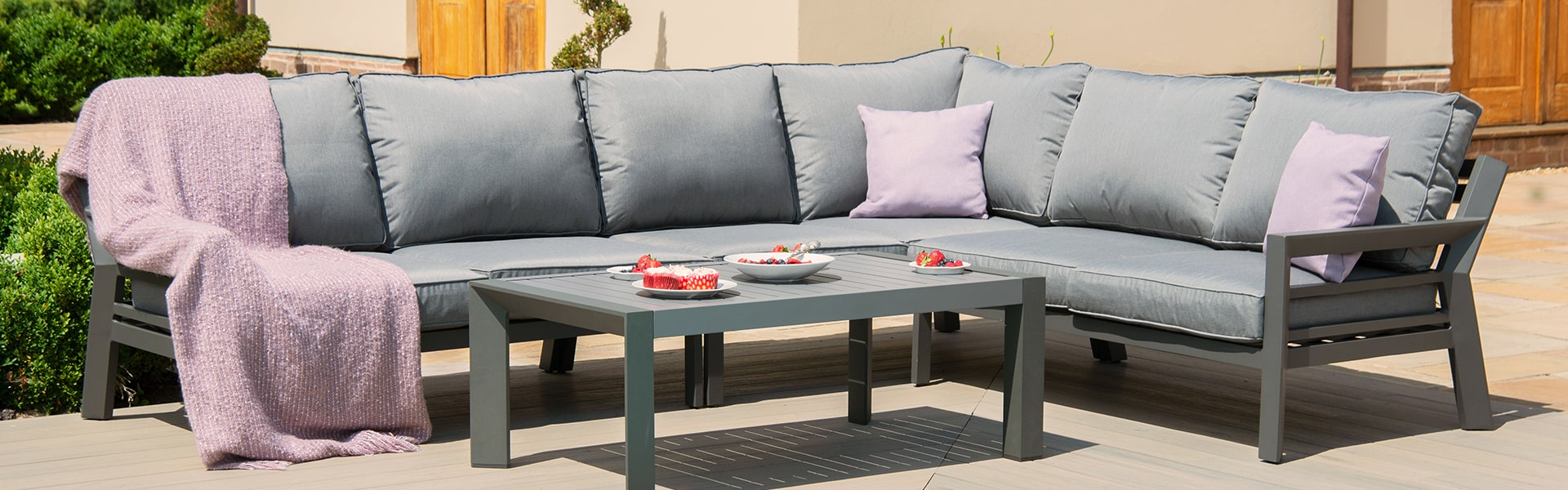
Can I find aluminum furniture pieces that are both stylish and easy to clean?
Yes, it is possible to find aluminum furniture pieces that are both stylish and easy to clean. Many manufacturers offer a wide range of aluminum furniture designs that combine aesthetic appeal with practicality. Here are some factors to consider when looking for stylish and easy-to-clean aluminum furniture:
- Design and Aesthetics: Look for aluminum furniture pieces that match your personal style and desired aesthetic. Aluminum furniture comes in various styles, ranging from sleek and modern to classic and ornate. Consider the overall design, shape, and details of the furniture to ensure it complements your space and adds visual appeal.
- Finishes and Colors: Aluminum furniture is available in different finishes and colors, allowing you to customize the look to suit your preferences. Common finishes include polished, brushed, or powder-coated options. Powder coating provides a durable and easy-to-clean surface while offering a wide range of color choices to match your decor.
- Simplicity of Design: Furniture with simple and streamlined designs tends to be easier to clean. Look for pieces with minimal crevices, intricate details, or hard-to-reach areas where dirt and dust can accumulate. Smooth surfaces and clean lines make maintenance and cleaning more straightforward.
- Removable Cushions: If your aluminum furniture includes cushions, opt for designs with removable and washable cushion covers. Removable covers allow you to easily launder them when needed, keeping your furniture looking fresh and clean. Look for fabrics that are stain-resistant or easy to spot clean for added convenience.
- Weather-Resistant Materials: Consider furniture that incorporates weather-resistant materials for added durability and ease of maintenance. For example, choosing cushions made from outdoor-specific fabrics that are resistant to fading, moisture, and mildew can make cleaning and upkeep more manageable.
- Easy-Clean Surfaces: Some aluminum furniture may feature surfaces treated with protective coatings or finishes that make cleaning easier. These surfaces can be wiped clean with a damp cloth or mild soapy water, eliminating the need for specialized cleaning products or labor-intensive maintenance.
When searching for stylish and easy-to-clean aluminum furniture, take your time to explore various brands, designs, and options available. Read product descriptions, customer reviews, and maintenance instructions to ensure you find furniture that meets your style preferences and practical needs.
Remember that proper cleaning and maintenance practices are essential for keeping your furniture looking its best. Regularly clean and care for your aluminum furniture according to the manufacturer’s recommendations to maintain its stylish appearance and prolong its lifespan.
Can I find child-friendly aluminum furniture options for family use?
Yes, you can find child-friendly aluminum furniture options that are suitable for family use. When selecting furniture for a family with children, it’s important to consider factors such as safety, durability, ease of maintenance, and comfort. Here are some key points to keep in mind:
1. Rounded Edges and Smooth Surfaces:
Look for aluminum furniture with rounded edges and smooth surfaces to minimize the risk of accidental injuries. Sharp corners or rough edges can pose hazards, especially for young children who are prone to bumps and falls. Furniture with rounded edges provides a safer environment for children to play and move around without the risk of getting hurt.
2. Sturdy Construction:
Choose aluminum furniture that has a sturdy construction. Look for furniture pieces that are well-built and can withstand the active play and rough handling often associated with children. Sturdy construction ensures that the furniture remains stable and durable even with regular use by energetic little ones.
3. Non-Toxic Materials:
Ensure that the aluminum furniture you choose is made from non-toxic materials. This is especially important for items like tables and chairs that children may come into direct contact with. Verify that the furniture has been tested for harmful substances and meets safety standards. Look for certifications or labels such as ASTM (American Society for Testing and Materials) or CPSC (Consumer Product Safety Commission) compliance.
4. Easy to Clean and Maintain:
Opt for aluminum furniture that is easy to clean and maintain. Children can be messy, so furniture that can be easily wiped down or cleaned with mild soap and water is preferable. Avoid furniture with intricate designs or hard-to-reach crevices that can accumulate dirt and grime. Choose materials and finishes that are resistant to stains and can withstand frequent cleaning without losing their appearance or functionality.
5. Comfortable and Ergonomic Design:
Consider the comfort and ergonomic design of the furniture. Look for chairs and seating options that provide proper support for children’s posture. Cushions or padding on chairs can add an extra layer of comfort, making it more enjoyable for children to sit and use the furniture. Avoid furniture with hard surfaces or uncomfortable seating arrangements that may discourage children from using them.
6. Size and Scale:
Take into account the size and scale of the furniture in relation to the children’s needs. Choose furniture that is appropriately sized for children, with seat heights and table heights that are comfortable and accessible for them. Furniture that is too large or too tall may pose challenges for children to use independently or safely.
7. Versatility and Adaptability:
Consider furniture options that are versatile and adaptable to changing needs. Look for furniture pieces that can grow with your children, such as adjustable chairs or tables. This allows you to make adjustments as children grow taller or require different seating arrangements over time.
8. Outdoor-Specific Considerations:
If you’re specifically looking for child-friendly aluminum furniture for outdoor use, also consider factors such as UV resistance and weather resistance. Look for furniture that has been treated or coated to withstand sun exposure and outdoor elements without fading or deteriorating. Additionally, consider furniture with features like umbrella holes or adjustable shading options to provide protection from direct sunlight.
By considering these factors and conducting thorough research, you can find child-friendly aluminum furniture options that are safe, durable, comfortable, and suitable for family use. Prioritize furniture that meets safety standards and has features designed with children in mind, ensuring that your family can enjoy a functional and child-friendly space both indoors and outdoors.

What are the advantages of lightweight aluminum furniture?
Lightweight aluminum furniture offers several advantages due to its specific characteristics. Here are some of the benefits of lightweight aluminum furniture:
- Easy Portability: One of the primary advantages of lightweight aluminum furniture is its ease of portability. Aluminum is a lightweight material, making it effortless to move and rearrange furniture as needed. This is particularly beneficial for outdoor furniture, where you may want to adjust the seating arrangement or move the furniture indoors during inclement weather.
- Convenient Storage: The lightweight nature of aluminum furniture also makes it convenient to store when not in use. You can easily stack or fold aluminum chairs, tables, or other pieces to save space in storage areas or when transporting them.
- Effortless Handling: Due to its light weight, aluminum furniture is generally easy to handle during assembly or when making adjustments. This can be especially useful if you need to move or carry the furniture up stairs or through narrow doorways.
- Reduced Strain: Lightweight aluminum furniture can be advantageous for individuals who may have physical limitations or difficulty lifting heavy objects. The reduced weight of the furniture reduces the strain on those who are moving or repositioning it.
- Versatility: Lightweight aluminum furniture can be used in various settings. It is commonly used for outdoor patio furniture, but it can also be suitable for indoor spaces like dining areas, offices, or recreational rooms. Its versatility allows you to easily incorporate it into different design styles and environments.
Overall, the advantages of lightweight aluminum furniture make it a practical choice for those seeking furniture that is easy to handle, move, store, and adapt to different spaces and needs.
editor by CX 2023-11-02
China factory Factory Price CHINAMFG PE Rattan Sofa Set Outdoor Lounge Corner Dining Sofa Outdoor Furniture vacuum pump for ac
Product Description
Product Description
| Factory Price CHINAMFG PE Rattan Sofa Set Corner Dining Sofa Outdoor Furniture |
| 5pcs K/D Bestselling Rattan Garden Sofa Outdoor Wicker Corner Dining Se |
| Size: |
| 1x 3 seat sofa:181x68x70cm |
| 1x 1 arm sofa:172x68x70cm |
| 1x table:145x70x66cm |
| 2xOttoman:40x40x37cm |
| Finish: |
| alum frame with powder coating |
| PE Half Round Rattan |
| Loading Quantity: 31sets/40HQ |
Detailed Photos
A The Patio Furniture Set With Dining table is an outdoor dining set designed for large and spacious BBQ dinners. This luxury rattan set comfortably seats 5 across its corner sofa arrangement, and the 3 footstools double up as extra seating, allowing for 8 guests. The key feature that truly sets this rattan furniture apart from others is the wonderful rising table, allowing you to switch between a coffee and dining table in a few simple movements. This means that you can enjoy a relaxing corner sofa with a low coffee table, ideal for a tea and slice of cake, or a casual dining table ideal for al fresco dining with friends and family. This rattan furniture is crafted using a powder-coated aluminium framework offering protection from rust and corrosion, even during damp conditions. The rattan weave is PE synthetic rattan, also famed for its weatherproof qualities and is protected from the suns UV rays, meaning it will not fade, as well as frost and snow so it will not crack or go brittle. The table is topped with 5mm tempered safety glass which offers extra protection and is also easy to clean, ideal for entertaining. Available as either left or right-handed sofa arrangements, this set has been developed to fit snugly into the side of your patio so you can keep the entire outdoor space open
Company Profile
HangZhou LODESTONE IMPORT & EXPORT CO.,LTD. Started from 2016, a professional manufacturer and exporter of outdoor furniture and outdoor cushions in HangZhou, ZHangZhoug of China. Product range covering aluminium furniture, rattan furniture, steel, textilene furniture, outdoor cushions, furniture cover, umbrella and so on. We focus on providing the high quality products and service to every our customer and good reputation from Germany, UK, France, Poland, Norway, Israel, Canada, America and some other countries.
Our team has more than 12 years experience in outdoor furniture, We are fully aware of customer needs and pay highly attention to every step of the production. Efficient professional services and strict quality control which make our products well received by our customers worldwide.
Packaging & Shipping
FAQ
| 1. What is your MOQ? |
| Normally whole container shipping, some are 50pc, some are 20pc. LCL is acceptable. |
| 2. What is your payment term? |
| T/T deposit or L/C at sight |
| 3. What is your delivery time? |
| 40-50 days in peak season from October to April. |
| 30-40 days in low season from May to September. |
| 4. What are your warranty terms? |
| 24 month |
| 5. Does the product support customization? |
| Yes, we can make the product according to your size and color. |
| 6. How’s the package? |
| standard package for export. Special mail order packing is available . |
| 7. What’s your sample policy? |
| We accept the sample order. However the customers have to pay the sample cost and shipping cost. The samples need 15 days to delivery. |
| 8. What’s your shipping term? |
| FOB HangZhou/ZheJiang |
Thanks for your attention! Welcome to your inquiry.
We will give you prompt reply.
| Material: | Fabric |
|---|---|
| Style: | Modern |
| Folded: | Unfolded |
| Samples: |
US$ 600/Set
1 Set(Min.Order) | Order Sample |
|---|
| Customization: |
Available
|
|
|---|
.shipping-cost-tm .tm-status-off{background: none;padding:0;color: #1470cc}
|
Shipping Cost:
Estimated freight per unit. |
about shipping cost and estimated delivery time. |
|---|
| Payment Method: |
|
|---|---|
|
Initial Payment Full Payment |
| Currency: | US$ |
|---|
| Return&refunds: | You can apply for a refund up to 30 days after receipt of the products. |
|---|
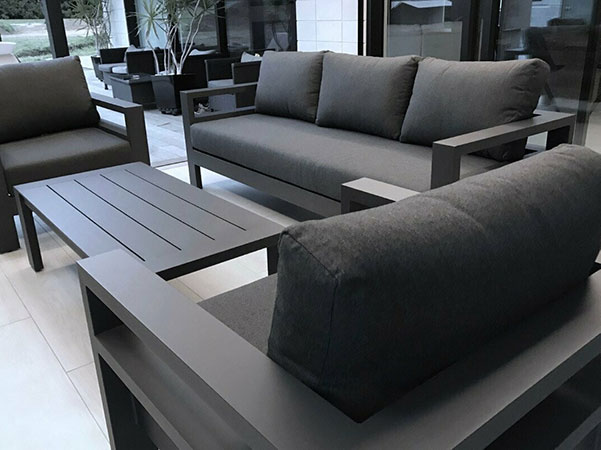
How do aluminum furniture parts enhance the overall aesthetics of my furniture?
Aluminum furniture parts can enhance the overall aesthetics of your furniture in several ways. Here is a detailed explanation:
1. Modern and Sleek Appearance: Aluminum has a contemporary and sleek look that can add a touch of modernity to your furniture. The clean lines and smooth surface of aluminum parts contribute to a minimalist aesthetic that is popular in modern furniture design. Whether it’s aluminum legs on a table or aluminum frames on chairs, these parts can give your furniture a stylish and up-to-date appearance.
2. Variety of Finishes: Aluminum can be finished in various ways, allowing for a wide range of design possibilities. You can choose from finishes such as powder coating, anodizing, polishing, or brushed/satin finishes to achieve different visual effects. These finishes can enhance the color, texture, and overall look of the aluminum parts, complementing the style of your furniture and creating a cohesive design theme.
3. Contrast and Accentuation: Incorporating aluminum parts into your furniture can create visual contrast and accentuate certain features. For example, using aluminum legs on a wooden table can provide a striking contrast between the warm tones of wood and the metallic sheen of aluminum. This contrast can draw attention to specific elements of your furniture, adding visual interest and making a design statement.
4. Lightweight and Airy Design: Aluminum is a lightweight material compared to many others used in furniture construction. This characteristic allows for the creation of furniture parts that appear visually light and airy. Aluminum legs or frames can give the impression of floating or suspended elements, which can contribute to an open and spacious feel in your furniture arrangement.
5. Versatile Design Possibilities: Aluminum is a highly versatile material that can be molded, shaped, and extruded into various forms. This versatility opens up a wide range of design possibilities for furniture parts. Aluminum can be used to create intricate patterns, unique shapes, or custom details that add visual appeal to your furniture. Whether you prefer a minimalist and simple design or a more ornate and decorative style, aluminum can be adapted to suit your aesthetic preferences.
6. Durability and Longevity: Aluminum is known for its durability and resistance to corrosion, making it a practical choice for furniture parts. When your furniture incorporates aluminum components, you can enjoy not only the aesthetic benefits but also the assurance of long-lasting quality. The inherent durability of aluminum ensures that your furniture will maintain its appearance and structural integrity over time.
By utilizing aluminum furniture parts, you can enhance the overall aesthetics of your furniture by introducing a modern and sleek look, utilizing a variety of finishes, creating visual contrast, achieving a lightweight design, exploring versatile design possibilities, and ensuring long-term durability. These factors contribute to an appealing and visually pleasing furniture arrangement that can elevate the aesthetic appeal of your space.

What are the benefits of using powder-coated aluminum for furniture parts?
Using powder-coated aluminum for furniture parts offers several benefits. Here is a detailed explanation:
1. Enhanced Durability: Powder coating is a highly durable finish that creates a protective layer on the surface of aluminum parts. This coating helps to resist scratches, chips, and corrosion, extending the lifespan of the furniture parts. The durability of powder-coated aluminum makes it suitable for both indoor and outdoor furniture, as it can withstand various environmental conditions.
2. Wide Range of Colors and Finishes: Powder coating provides a wide variety of color options and finishes for aluminum furniture parts. The powder coating process involves the application of dry powder to the aluminum surface, which is then cured under heat. This allows for a vast selection of colors, including metallic, glossy, matte, and textured finishes. The ability to choose from different colors and finishes gives you the flexibility to match your furniture parts to your desired aesthetic and design scheme.
3. Uniform and Consistent Appearance: Powder coating results in a smooth and even finish on the aluminum parts. The powder is electrostatically applied to the surface, ensuring uniform coverage and consistent color distribution. This creates a visually appealing and professional-looking appearance for the furniture parts. The consistency of the coating also helps to hide any minor imperfections or blemishes on the aluminum surface.
4. Chemical and UV Resistance: Powder-coated aluminum is resistant to chemicals, making it more resistant to stains, discoloration, and fading. It also provides protection against UV rays, preventing the color of the furniture parts from fading or deteriorating when exposed to sunlight. This resistance to chemicals and UV rays helps to maintain the original appearance and color of the furniture parts over time.
5. Easy Maintenance: Powder-coated aluminum furniture parts are relatively easy to maintain. The smooth and non-porous surface created by the powder coating process makes it resistant to dirt, dust, and stains. Regular cleaning with mild soap and water is usually sufficient to keep the parts looking clean and fresh. Additionally, the durability of powder coating means that the furniture parts are less likely to require frequent touch-ups or refinishing.
6. Environmental Friendliness: Powder coating is an environmentally friendly finishing option for aluminum furniture parts. Unlike traditional liquid paints, powder coating does not contain harmful solvents or volatile organic compounds (VOCs). The powder coating process produces minimal waste, as any excess powder can be collected and reused. Additionally, powder-coated aluminum parts are recyclable, contributing to sustainability efforts.
By using powder-coated aluminum for furniture parts, you can benefit from enhanced durability, a wide range of colors and finishes, a uniform appearance, resistance to chemicals and UV rays, easy maintenance, and environmental friendliness. These advantages make powder-coated aluminum an excellent choice for creating attractive, long-lasting, and low-maintenance furniture pieces.
How do I choose the right size and dimensions for aluminum furniture parts?
Choosing the right size and dimensions for aluminum furniture parts is crucial to ensure a proper fit and functionality within your furniture design. Here is a detailed explanation of the factors to consider when selecting the size and dimensions of aluminum furniture parts:
1. Measurements: Start by measuring the specific areas or components of your furniture where the aluminum parts will be installed. Take accurate measurements of the length, width, height, and any other relevant dimensions. This will help you determine the exact size and shape required for the aluminum parts.
2. Proportions and Scale: Consider the proportions and scale of your existing furniture and the surrounding space. The size of the aluminum parts should be in proportion to the overall size of the furniture and should complement the surrounding elements. Oversized or undersized aluminum parts can disrupt the balance and harmony of the design.
3. Functionality: Evaluate the intended functionality of the aluminum parts. Consider factors such as weight-bearing capacity, structural stability, and ergonomic considerations. For example, if you are replacing furniture legs, ensure that the dimensions of the aluminum legs can adequately support the weight of the furniture.
4. Aesthetics: Consider the desired aesthetic impact of the aluminum parts. Determine whether you want the parts to be visually prominent or blend seamlessly with the existing furniture. The dimensions of the aluminum parts can influence the overall visual appeal and style of the furniture.
5. Compatibility: Ensure that the dimensions of the aluminum parts are compatible with other components or hardware in your furniture. This includes checking alignment, attachment points, and any necessary connectors or fasteners. The parts should fit properly and integrate smoothly with the rest of the furniture.
6. Ease of Installation: Consider the practical aspects of installing the aluminum parts. Ensure that the dimensions allow for easy installation and assembly without causing any damage to the furniture or compromising its structural integrity.
It is important to consult the manufacturer or a professional furniture designer if you are unsure about the appropriate size and dimensions for the aluminum parts. They can provide expert advice and guidance based on their experience and knowledge of furniture design and construction.
By carefully considering measurements, proportions, functionality, aesthetics, compatibility, and ease of installation, you can choose the right size and dimensions for aluminum furniture parts that will enhance the overall design and functionality of your furniture.
editor by CX 2023-11-02
China Professional Modern Outdoor Restaurant Dining Table Set and Chairs CHINAMFG Rope Teakwood Patio Garden Furniture for Hotel vacuum pump distributors
Product Description
Modern Outdoor Restaurant Dining Table Set and Chairs CHINAMFG Rope Teakwood Patio Garden Furniture for Hotel
Why choose us?
1. Rich OEM & ODM Experience
Our factory has 20years experience focus on producing high quality outdoor furniture, we will make your idea come true according to your design drawing or just photo share.
2. Strict Quality Standards
We have professional Quality Control Team, every our department has QC checking, and must be pass checking then through to next department. Before packing and loading we must have totally full checking.
3. Professional Sales Service Team
We will provide professional solution for every customer, gain more market share. We will be your backup and grow up together.
4. Competitive Price With Friendly MOQ
Competitive price highly support you to win more market share.
Sample order is also welcome.
5. Delivery On Time
25-45days delivery time
6. Quick Response
We will response you within 0.5-12hours, will never later than 24hours.
7. Before & After Service
Professional suggestion and information help you choose the right styles.
Provide high resolution photos service.
Provide detail photos for your close checking from order beginning to loading
8. One-Stop Service
We have established long term business with more than 30 raw material suppliers in China. We have an efficient supply chain management system to make sure the delivery on time. We focus on producing outdoor furniture, but also supply Sun-umbrella, bean bags, hammock etc. to support with one-stop shopping service to save your time and cost.
| Material: | Aluminum |
|---|---|
| Customized: | Customized |
| Condition: | New |
| Use Place: | Outdoor/Indoor |
| Warranty: | 3~5 Years |
| Color: | Optional |
| Samples: |
US$ 280/Piece
1 Piece(Min.Order) | |
|---|
| Customization: |
Available
|
|
|---|
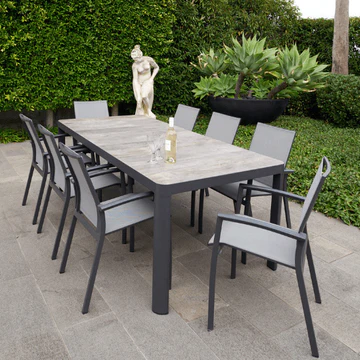
How can I maintain and care for aluminum furniture parts to extend their lifespan?
To extend the lifespan of aluminum furniture parts, proper maintenance and care are essential. Here is a detailed explanation of how you can maintain and care for aluminum furniture parts:
- 1. Regular Cleaning:
- 2. Avoid Harsh Chemicals:
- 3. Protect from Scratches:
- 4. Apply a Protective Finish:
- 5. Address Corrosion Promptly:
- 6. Store Properly:
- 7. Inspect and Tighten:
- 8. Follow Manufacturer’s Guidelines:
Regularly clean aluminum furniture parts to remove dirt, dust, and debris. Use a mild soap or detergent mixed with water and a soft cloth or sponge to gently scrub the surface. Avoid using abrasive cleaners or tools that can scratch the aluminum. Rinse thoroughly with clean water and dry the parts completely to prevent water spots.
Avoid using harsh chemicals or solvents on aluminum furniture parts as they can damage the surface finish. This includes cleaners containing ammonia, bleach, or acidic substances. Instead, opt for mild and non-abrasive cleaning solutions specifically designed for aluminum surfaces.
Prevent scratches on aluminum furniture parts by using coasters, placemats, or felt pads under objects that may cause friction or abrasion. Avoid dragging heavy or sharp objects directly on the surface. This helps preserve the appearance and integrity of the aluminum.
If your aluminum furniture parts have a painted or powder-coated finish, periodically inspect the finish for any signs of wear or damage. If necessary, touch up or recoat the finish to provide an additional layer of protection against environmental elements.
If you notice any signs of corrosion or oxidation on aluminum furniture parts, address it promptly to prevent further damage. Use a gentle cleaner specifically formulated for removing oxidation and follow the manufacturer’s instructions. After cleaning, rinse and dry the parts thoroughly.
During periods of non-use or inclement weather, store aluminum furniture parts in a dry and covered area. This helps protect them from moisture, extreme temperatures, and prolonged exposure to sunlight, which can cause fading or discoloration.
Regularly inspect the hardware, joints, and connections of your aluminum furniture parts. Check for any loose screws, bolts, or fasteners and tighten them as needed. This ensures structural stability and prevents further damage or wear.
Refer to the manufacturer’s guidelines or care instructions specific to your aluminum furniture parts. They may provide additional recommendations or precautions based on the particular finish or coating applied to the aluminum.
By following these maintenance practices, you can extend the lifespan of your aluminum furniture parts and keep them looking their best. Proper care helps preserve the appearance, functionality, and structural integrity of the parts, ensuring that you can enjoy them for years to come.
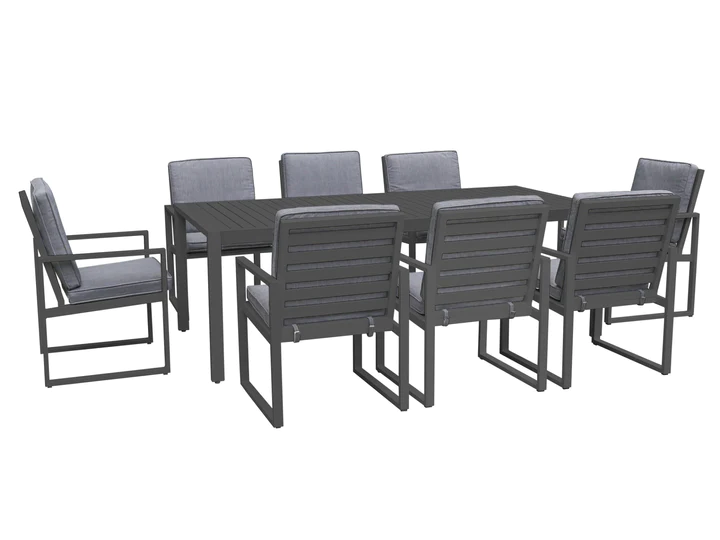
Can I repurpose aluminum furniture parts for other DIY projects?
Yes, you can repurpose aluminum furniture parts for other DIY projects. Here is a detailed explanation:
1. Versatility: Aluminum furniture parts are versatile and can be repurposed for a wide range of DIY projects. The lightweight nature of aluminum makes it easy to handle and work with, allowing you to create various structures, frames, or decorative elements. Whether you’re building shelves, planters, artwork, or outdoor structures, aluminum furniture parts can be adapted and repurposed to suit your specific project needs.
2. Structural Integrity: Aluminum is known for its strength and durability. The furniture parts made from aluminum are designed to withstand regular use and external forces. This structural integrity makes them suitable for repurposing into new projects that require stability and reliability. You can rely on the strength of aluminum parts to support weight, provide structural support, or serve as a framework for your DIY creations.
3. Easy Modification: Aluminum is a relatively easy material to modify and customize. You can cut, drill, shape, and weld aluminum furniture parts to fit your desired specifications for your DIY projects. With the right tools and techniques, you can transform aluminum parts into new components or modify them to suit the specific requirements of your repurposing project.
4. Surface Treatments: Aluminum furniture parts often come with surface treatments or finishes, such as powder coating or anodizing. These treatments can provide aesthetic appeal and protection against corrosion. Depending on your DIY project, you may choose to keep the existing finish or remove it to reveal the raw aluminum surface. You can also apply new finishes or coatings to match the desired look or theme of your repurposed project.
5. Environmental Benefits: Repurposing aluminum furniture parts for DIY projects is an environmentally friendly choice. By giving new life to existing aluminum components, you reduce waste and promote sustainability. Aluminum is also a highly recyclable material, so if your repurposed project reaches the end of its life cycle, the aluminum parts can be recycled and used in the production of new aluminum products.
When repurposing aluminum furniture parts for DIY projects, it’s essential to consider the specific requirements of your project and ensure that the aluminum parts you’re using are suitable for the intended purpose. Assess the structural integrity of the parts, make necessary modifications, and take any safety precautions as needed. With creativity and proper planning, you can repurpose aluminum furniture parts into unique and functional pieces for your DIY projects.

Can aluminum furniture parts be customized to match my existing furniture?
Yes, aluminum furniture parts can be customized to match your existing furniture. Customization allows you to achieve a cohesive and harmonious look by ensuring that the aluminum parts blend seamlessly with your current furniture. Here is a detailed explanation of how aluminum furniture parts can be customized to match your existing furniture:
1. Color and Finish: Aluminum furniture parts can be customized in terms of color and finish to match the existing furniture. Aluminum can be powder-coated or painted in various colors to closely resemble the desired shade or tone. This allows you to coordinate the color of the aluminum parts with the color scheme of your existing furniture.
2. Profile and Design: Aluminum can be shaped and formed into different profiles and designs to match the aesthetic and style of your existing furniture. Whether your furniture has curved lines, clean and modern shapes, or intricate details, aluminum furniture parts can be customized to replicate those features, ensuring a cohesive overall look.
3. Dimension and Size: Aluminum furniture parts can be customized in terms of dimension and size to fit seamlessly with your existing furniture. Whether you need replacement parts for specific components or additional parts to expand or modify your furniture, customizing the dimensions ensures a proper fit and alignment with your current pieces.
4. Hardware Compatibility: When customizing aluminum furniture parts, consideration can be given to the compatibility of the hardware. This includes ensuring that the attachment points, connectors, or fasteners used in the existing furniture are compatible and properly integrated with the customized aluminum parts. This ensures structural integrity and functionality.
5. Material Combination: In some cases, aluminum furniture parts can be combined with other materials to match the existing furniture. For example, if your furniture has wooden elements, aluminum parts can be customized to incorporate or complement those wooden features, creating a cohesive and visually appealing combination of materials.
Customization of aluminum furniture parts may involve working with skilled craftsmen, designers, or furniture manufacturers who specialize in customization services. They can guide you through the process, discuss your specific requirements, and create customized aluminum parts that seamlessly integrate with your existing furniture.
It’s important to provide detailed information about your existing furniture, including photographs, measurements, and any specific design elements or requirements, to ensure accurate customization of the aluminum parts. With proper customization, your aluminum furniture parts can be tailored to match your existing furniture and enhance the overall aesthetic and functionality of your outdoor space.
editor by CX 2023-11-02
China manufacturer New Lightweight 375g DC 12V Air Pump Swing Piston Oil Free Air Compressor with Hot selling
Product Description
Product Parameter
|
ITEM NO |
GLE1016D2 |
|
Name |
Air compressor |
|
Packing |
2 Layers Carton Box + Wooden Pallet |
|
Weight |
375 g |
|
Dimension |
86.25*45.6*72.85 mm |
|
Installation size |
33.71*72.96 mm |
|
Technical Specification |
Voltage :DC12V Power: <=36.4 W ; Rated air flow rate: >=15 L/min @1.4bar; Rated work pressure : 1.4 bar ; MAX pressure: 2.1 bar MAX restart pressure : 1.4 bar; Noise : ≤52dB(A) ; Motor typ: 8 pole brushless DC, 3 phase Motor insulation class:155°C maximum winding temperature Motor lead:Red, black, and white 3 leads (no Hall) Speed: 2000rpm ; Temperature : 5ºC-40ºC ;
|
| After-sales Service: | on Line Support and Free Spare Parts |
|---|---|
| Lubrication Style: | Oil-free |
| Cooling System: | Air Cooling |
| Cylinder Arrangement: | Duplex Arrangement |
| Voltage: | DC 12V |
| Net Weight: | 375 G |
| Samples: |
US$ 100/Piece
1 Piece(Min.Order) | |
|---|
| Customization: |
Available
|
|
|---|
.webp)
Can air compressors be used for painting and sandblasting?
Yes, air compressors can be used for both painting and sandblasting applications. Here’s a closer look at how air compressors are utilized for painting and sandblasting:
Painting:
Air compressors are commonly used in painting processes, especially in automotive, industrial, and construction applications. Here’s how they are involved:
- Spray Guns: Air compressors power spray guns used for applying paint coatings. The compressed air atomizes the paint, creating a fine mist that can be evenly sprayed onto surfaces. The pressure and volume of the compressed air impact the spray pattern, coverage, and overall finish quality.
- Paint Mixers and Agitators: Compressed air is often used to power mixers and agitators that ensure proper blending of paint components. These devices use the compressed air to stir or circulate the paint, preventing settling and maintaining a consistent mixture.
- Airbrushing: Air compressors are essential for airbrushing techniques, which require precise control over airflow and pressure. Airbrushes are commonly used in artistic applications, such as illustrations, murals, and fine detailing work.
Sandblasting:
Air compressors play a crucial role in sandblasting operations, which involve propelling abrasive materials at high velocity to clean, etch, or prepare surfaces. Here’s how air compressors are used in sandblasting:
- Blasting Cabinets: Air compressors power blasting cabinets or booths, which are enclosed spaces where the sandblasting process takes place. The compressed air propels the abrasive media, such as sand or grit, through a nozzle or gun, creating a forceful stream that impacts the surface being treated.
- Abrasive Blasting Pots: Air compressors supply air to abrasive blasting pots or tanks that store and pressurize the abrasive media. The compressed air from the compressor enters the pot, pressurizing it and allowing for a controlled release of the abrasive material during the sandblasting process.
- Air Dryers and Filters: In sandblasting applications, it is crucial to have clean, dry air to prevent moisture and contaminants from affecting the abrasive blasting process and the quality of the surface being treated. Air compressors may be equipped with air dryers and filters to remove moisture, oil, and impurities from the compressed air.
When using air compressors for painting or sandblasting, it is important to consider factors such as the compressor’s pressure and volume output, the specific requirements of the application, and the type of tools or equipment being used. Consult the manufacturer’s guidelines and recommendations to ensure the air compressor is suitable for the intended painting or sandblasting tasks.
Proper safety measures, such as wearing protective gear and following established protocols, should always be followed when working with air compressors for painting and sandblasting applications.
.webp)
How do you maintain proper air quality in compressed air systems?
Maintaining proper air quality in compressed air systems is essential to ensure the reliability and performance of pneumatic equipment and the safety of downstream processes. Here are some key steps to maintain air quality:
1. Air Filtration:
Install appropriate air filters in the compressed air system to remove contaminants such as dust, dirt, oil, and water. Filters are typically placed at various points in the system, including the compressor intake, aftercoolers, and before point-of-use applications. Regularly inspect and replace filters to ensure their effectiveness.
2. Moisture Control:
Excessive moisture in compressed air can cause corrosion, equipment malfunction, and compromised product quality. Use moisture separators or dryers to remove moisture from the compressed air. Refrigerated dryers, desiccant dryers, or membrane dryers are commonly employed to achieve the desired level of dryness.
3. Oil Removal:
If the compressed air system utilizes oil-lubricated compressors, it is essential to incorporate proper oil removal mechanisms. This can include coalescing filters or adsorption filters to remove oil aerosols and vapors from the air. Oil-free compressors eliminate the need for oil removal.
4. Regular Maintenance:
Perform routine maintenance on the compressed air system, including inspections, cleaning, and servicing of equipment. This helps identify and address any potential issues that may affect air quality, such as leaks, clogged filters, or malfunctioning dryers.
5. Air Receiver Tank Maintenance:
Regularly drain and clean the air receiver tank to remove accumulated contaminants, including water and debris. Proper maintenance of the tank helps prevent contamination from being introduced into the compressed air system.
6. Air Quality Testing:
Periodically test the quality of the compressed air using appropriate instruments and methods. This can include measuring particle concentration, oil content, dew point, and microbial contamination. Air quality testing provides valuable information about the effectiveness of the filtration and drying processes and helps ensure compliance with industry standards.
7. Education and Training:
Educate personnel working with compressed air systems about the importance of air quality and the proper procedures for maintaining it. Provide training on the use and maintenance of filtration and drying equipment, as well as awareness of potential contaminants and their impact on downstream processes.
8. Documentation and Record-Keeping:
Maintain accurate records of maintenance activities, including filter replacements, drying system performance, and air quality test results. Documentation helps track the system’s performance over time and provides a reference for troubleshooting or compliance purposes.
By implementing these practices, compressed air systems can maintain proper air quality, minimize equipment damage, and ensure the integrity of processes that rely on compressed air.
.webp)
What is the purpose of an air compressor?
An air compressor serves the purpose of converting power, typically from an electric motor or an engine, into potential energy stored in compressed air. It achieves this by compressing and pressurizing air, which can then be used for various applications. Here’s a detailed explanation of the purpose of an air compressor:
1. Powering Pneumatic Tools: One of the primary uses of an air compressor is to power pneumatic tools. Compressed air can be used to operate a wide range of tools, such as impact wrenches, nail guns, paint sprayers, sanders, and drills. The compressed air provides the necessary force and energy to drive these tools, making them efficient and versatile.
2. Supplying Clean and Dry Air: Air compressors are often used to supply clean and dry compressed air for various industrial processes. Many manufacturing and production operations require a reliable source of compressed air that is free from moisture, oil, and other contaminants. Air compressors equipped with appropriate filters and dryers can deliver high-quality compressed air for applications such as instrumentation, control systems, and pneumatic machinery.
3. Inflating Tires and Sports Equipment: Air compressors are commonly used for inflating tires, whether it’s for vehicles, bicycles, or sports equipment. They provide a convenient and efficient method for quickly filling tires with the required pressure. Air compressors are also used for inflating sports balls, inflatable toys, and other similar items.
4. Operating HVAC Systems: Air compressors play a crucial role in the operation of heating, ventilation, and air conditioning (HVAC) systems. They provide compressed air for controlling and actuating dampers, valves, and actuators in HVAC systems, enabling precise regulation of air flow and temperature.
5. Assisting in Industrial Processes: Compressed air is utilized in various industrial processes. It can be used for air blow-off applications, cleaning and drying parts, powering air-operated machinery, and controlling pneumatic systems. Air compressors provide a reliable and efficient source of compressed air that can be tailored to meet the specific requirements of different industrial applications.
6. Supporting Scuba Diving and Breathing Systems: In scuba diving and other breathing systems, air compressors are responsible for filling diving tanks and supplying breathable air to divers. These compressors are designed to meet strict safety standards and deliver compressed air that is free from contaminants.
Overall, the purpose of an air compressor is to provide a versatile source of compressed air for powering tools, supplying clean air for various applications, inflating tires and sports equipment, supporting industrial processes, and facilitating breathing systems in specific contexts.


editor by CX 2023-11-02
China factory Auto Air-Condition Compressor for Signum/Vectra C 6854052/6854063/6854089 air compressor repair near me
Product Description
Product Description
| Product Name | Auto ac compressor |
| Application | for SIGNUM/VECTRA C |
| Certification | IATF16949,ISO14001 |
| Refrigeration | R134a |
| Volt | 12V |
| OE NO | 6854052/6854063/6854089/13171593 /13140505/12843774 |
| Bailin NO | BL.82.195 |
Company Profile
| After-sales Service: | 24 Hour on-Line |
|---|---|
| Warranty: | 2 Years |
| Classification: | AC Compressor |
| Samples: |
US$ 499/Piece
1 Piece(Min.Order) | Order Sample |
|---|
| Customization: |
Available
|
|
|---|
.shipping-cost-tm .tm-status-off{background: none;padding:0;color: #1470cc}
|
Shipping Cost:
Estimated freight per unit. |
about shipping cost and estimated delivery time. |
|---|
| Payment Method: |
|
|---|---|
|
Initial Payment Full Payment |
| Currency: | US$ |
|---|
| Return&refunds: | You can apply for a refund up to 30 days after receipt of the products. |
|---|
.webp)
Can air compressors be used for gas compression and storage?
Yes, air compressors can be used for gas compression and storage. While air compressors are commonly used to compress and store air, they can also be utilized for compressing and storing other gases, depending on the specific application requirements. Here’s how air compressors can be used for gas compression and storage:
Gas Compression:
Air compressors can compress various gases by utilizing the same principles applied to compressing air. The compressor takes in the gas at a certain pressure, and through the compression process, it increases the pressure and reduces the volume of the gas. This compressed gas can then be used for different purposes, such as in industrial processes, gas pipelines, or storage systems.
Gas Storage:
Air compressors can also be used for gas storage by compressing the gas into storage vessels or tanks. The compressed gas is stored at high pressure within these vessels until it is needed for use. Gas storage is commonly employed in industries where a continuous and reliable supply of gas is required, such as in natural gas storage facilities or for storing compressed natural gas (CNG) used as a fuel for vehicles.
Gas Types:
While air compressors are primarily designed for compressing air, they can be adapted to handle various gases, including but not limited to:
- Nitrogen
- Oxygen
- Hydrogen
- Carbon dioxide
- Natural gas
- Refrigerant gases
It’s important to note that when using air compressors for gas compression and storage, certain considerations must be taken into account. These include compatibility of the compressor materials with the specific gas being compressed, ensuring proper sealing to prevent gas leaks, and adhering to safety regulations and guidelines for handling and storing compressed gases.
By leveraging the capabilities of air compressors, it is possible to compress and store gases efficiently, providing a reliable supply for various industrial, commercial, and residential applications.
.webp)
What safety precautions should be taken when working with compressed air?
Working with compressed air requires adherence to certain safety precautions to prevent accidents and ensure the well-being of individuals involved. Here are some important safety measures to consider:
1. Personal Protective Equipment (PPE):
Wear appropriate PPE, including safety goggles or a face shield to protect eyes from flying debris or particles, hearing protection to reduce noise exposure, and gloves to safeguard hands from potential hazards.
2. Compressed Air Storage:
Avoid storing compressed air in containers that are not designed for this purpose, such as soda bottles or makeshift containers. Use approved and properly labeled air storage tanks or cylinders that can handle the pressure and are regularly inspected and maintained.
3. Pressure Regulation:
Ensure that the air pressure is regulated to a safe level suitable for the equipment and tools being used. High-pressure air streams can cause serious injuries, so it is important to follow the manufacturer’s recommendations and never exceed the maximum allowable pressure.
4. Air Hose Inspection:
Regularly inspect air hoses for signs of damage, such as cuts, abrasions, or leaks. Replace damaged hoses immediately to prevent potential accidents or loss of pressure.
5. Air Blowguns:
Exercise caution when using air blowguns. Never direct compressed air towards yourself or others, as it can cause eye injuries, hearing damage, or dislodge particles that may be harmful if inhaled. Always point blowguns away from people or any sensitive equipment or materials.
6. Air Tool Safety:
Follow proper operating procedures for pneumatic tools. Ensure that tools are in good working condition, and inspect them before each use. Use the appropriate accessories, such as safety guards or shields, to prevent accidental contact with moving parts.
7. Air Compressor Maintenance:
Maintain air compressors according to the manufacturer’s guidelines. Regularly check for leaks, clean or replace filters, and drain moisture from the system. Proper maintenance ensures the safe and efficient operation of the compressor.
8. Training and Education:
Provide adequate training and education to individuals working with compressed air. Ensure they understand the potential hazards, safe operating procedures, and emergency protocols. Encourage open communication regarding safety concerns and implement a culture of safety in the workplace.
9. Lockout/Tagout:
When performing maintenance or repairs on compressed air systems, follow lockout/tagout procedures to isolate the equipment from energy sources and prevent accidental startup. This ensures the safety of the individuals working on the system.
10. Proper Ventilation:
Ensure proper ventilation in enclosed areas where compressed air is used. Compressed air can displace oxygen, leading to a potential risk of asphyxiation. Adequate ventilation helps maintain a safe breathing environment.
By adhering to these safety precautions, individuals can minimize the risks associated with working with compressed air and create a safer work environment.
What is the difference between a piston and rotary screw compressor?
Piston compressors and rotary screw compressors are two common types of air compressors with distinct differences in their design and operation. Here’s a detailed explanation of the differences between these two compressor types:
1. Operating Principle:
- Piston Compressors: Piston compressors, also known as reciprocating compressors, use one or more pistons driven by a crankshaft to compress air. The piston moves up and down within a cylinder, creating a vacuum during the intake stroke and compressing the air during the compression stroke.
- Rotary Screw Compressors: Rotary screw compressors utilize two intermeshing screws (rotors) to compress air. As the male and female screws rotate, the air is trapped between them and gradually compressed as it moves along the screw threads.
2. Compression Method:
- Piston Compressors: Piston compressors achieve compression through a positive displacement process. The air is drawn into the cylinder and compressed as the piston moves back and forth. The compression is intermittent, occurring in discrete cycles.
- Rotary Screw Compressors: Rotary screw compressors also employ a positive displacement method. The compression is continuous as the rotating screws create a continuous flow of air and compress it gradually as it moves along the screw threads.
3. Efficiency:
- Piston Compressors: Piston compressors are known for their high efficiency at lower flow rates and higher pressures. They are well-suited for applications that require intermittent or variable air demand.
- Rotary Screw Compressors: Rotary screw compressors are highly efficient for continuous operation and are designed to handle higher flow rates. They are often used in applications with a constant or steady air demand.
4. Noise Level:
- Piston Compressors: Piston compressors tend to generate more noise during operation due to the reciprocating motion of the pistons and valves.
- Rotary Screw Compressors: Rotary screw compressors are generally quieter in operation compared to piston compressors. The smooth rotation of the screws contributes to reduced noise levels.
5. Maintenance:
- Piston Compressors: Piston compressors typically require more frequent maintenance due to the higher number of moving parts, such as pistons, valves, and rings.
- Rotary Screw Compressors: Rotary screw compressors have fewer moving parts, resulting in lower maintenance requirements. They often have longer service intervals and can operate continuously for extended periods without significant maintenance.
6. Size and Portability:
- Piston Compressors: Piston compressors are available in both smaller portable models and larger stationary units. Portable piston compressors are commonly used in construction, automotive, and DIY applications.
- Rotary Screw Compressors: Rotary screw compressors are typically larger and more suitable for stationary installations in industrial and commercial settings. They are less commonly used in portable applications.
These are some of the key differences between piston compressors and rotary screw compressors. The choice between the two depends on factors such as required flow rate, pressure, duty cycle, efficiency, noise level, maintenance needs, and specific application requirements.
editor by CX 2023-11-02
China Professional CHINAMFG Portable Air Compressor for Mining Drilling with Best Sales
Product Description
Product Description
This series of screw air compressors adopts a new 2 -stage compression engine. Compared with the traditional single -stage compression model, the efficiency is increased by more than 15%. The exhaust capacity can achieve cross -power segment coverage. It uses electric -driven, and has more environmentally friendly energy -saving advantages.
| Item | Portable air compressor-Option A | |
| 1 | Model | LUY050-7 |
| 2 | volume flow m3/min | 5.18 (185CFM) |
| 3 | Working pressure bar | 7 |
| 4 | Acoustic sound level | 70+3 |
| Fuel tank L | 67 | |
| 5 | Diesel engine | Kubota |
| 6 | Model | V 1505 T |
| 7 | Engine kw | 33 |
| 8 | Dimension Length mm | 1848 |
| 9 | Dimension Width mm | 1040 |
| 10 | Dimension Heigth mm | 1154 |
| 11 | Weight kg | 650 |
Features
- High -energy -saving type: This series uses a new dual -level high -efficiency host to achieve higher exhaust volume with the same power motor to achieve truly efficient energy saving.
- Comprehensive monitoring: The customized version module realizes the comprehensive monitoring of the equipment, and understands the operating status of the aircraft in real time.
- Customized: The electrical system can customize the soft startup version to achieve smooth startup equipment to avoid the impact on the power grid. For more exhaust volume and exhaust pressure, it can be customized according to working conditions.
Detailed Photos
Other related products
| Diameter in mm | NO. Air Holes | Gauge PDC Buttons | Front PDC Buttons | Approx. weight | Shank style |
| 85 | 2 | 6*φ13 | 4*φ12 | 5.0 kgs | COP34/COP32/DHD3.5 /BR3/Mach303 |
| 90 | 2 | 6*φ14 | 4*φ12 | 5.8 kgs | |
| 95 | 2 | 6*φ14 | 5*φ12 | 5.9 kgs | |
| 100 | 2 | 6*φ14 | 6*φ12 | 6.1 kgs | |
| 105 | 2 | 8*φ13 | 6*φ12 | 6.3 kgs | |
| 105 | 2 | 6*φ14 | 5*φ13 | 8.6 kgs | COP44/DHD340/Mach44 /M40/SD4/XL4/QL40 |
| 110 | 2 | 7*φ14 | 6*φ13 | 8.8 kgs | |
| 115 | 2 | 7*φ14 | 7*φ13 | 9.0 kgs | |
| 120 | 2 | 8*φ14 | 7*φ13 | 9.5 kgs | |
| 127 | 2 | 8*φ14 | 7*φ14 | 9.9 kgs | |
| 133 | 2 | 7*φ16 | 7*φ14 | 15.0 kgs | COP54/DHD350/Mach50 /M50/SD5/QL50 |
| 140 | 2 | 7*φ19 | 7*φ14 | 16.5 kgs | |
| 146 | 2 | 8*φ19 | 7*φ14 | 17.0 kgs | |
| 152 | 2 | 8*φ19 | 8*φ14 | 17.8 kgs | |
| 165 | 2 | 8*φ19 | 8*φ16 | 18.5 kgs | |
| 152 | 2 | 8*φ19 | 8*φ16 | 23.3kgs | COP64/COP62/DHD360 /M60/SD6/XL6/QL60/TD150 |
| 165 | 2 | 8*φ19 | 8*φ16 | 25.2 kgs | |
| 171 | 2 | 8*φ19 | 10*φ16 | 25.8 kgs | |
| 190 | 2 | 10*φ19 | 12*φ16 | 28.5 kgs | |
| 203 | 2 | 10*φ19 | 14*φ16 | 29.5 kgs | |
| 203 | 2 | 10*φ19 | 14*φ16 | 48.1 kgs | DHD380/COP84/SD8 /QL80/TK18 |
| 216 | 2 | 10*φ19 | 14*φ16 | 52.0 kgs | |
| 241 | 2 | 12*φ19 | 18*φ16 | 58.7kgs | |
| 254 | 2 | 12*φ19 | 21*φ16 | 60.4 kgs | |
| 292 | 2 | 12*φ19 | 21*φ16 | 80.1 kgs |
Company Profile
HangZhou FIRIP Mining&Machinery Co., Ltd is specializing a manufacture of drill tools for 23 years in China. It mainly studies and manufactures the low&high pressure down-the-hole impactors, various down-the-hole drills, drill pipes and drilling tools. The products are widely used in earthwork, mining, water well engineering and construction. Geothermal drilling, etc.
Domestic brands in China are mainly Xihu (West Lake) Dis.g. We have about 5, 000 square kilometers of standard plant, complete equipment, advanced technology, reliable and stable quality which has won the praise of most of the domestic and foreign markets. In recent years, with the continues growth of the company’s sales, target market gradually exported to all over the world, Nowadays, our products are exported to more than 20 countries and regions in Russia, Central Asia, Southeast Asia, the Middle East, Africa and South America. We always continuously improved the industry standards for rock drilling and drilling tools. We are committed to establish a stable cooperative relationship with customers and suppliers from all over the world, mutual benefit and common development.
Packaging & Shipping
Our Advantages
1. Our products can match over 95% against the original products.
2. High quality raw material, with premium hardened procedures for long life.
3. Full production chain to secure stable and prompt production leadtime.
4. Experienced senior technicians and long year experienced workers and engineers.
5. Customized acceptable and quick and efficient service.
6. Price are competitive against the famous brands and best quality against the small factory.
7. Owing to high quality, professional serivce and competitive price, we have gotton good reputation from our customer all over the world, such as France, Spain, Italy, South Africa, Australia, Iran, Malaysia, etc.
FAQ
1. Where is your company located?
We are located in HangZhou City, ZheJiang Province, about 200 kilometers away from HangZhou International Port.
2. Why choose Firip drill bits?
1) We have more than 20 years of experience in researching, developing, manufacturing and supplying high quality rock drilling tools to all over the world.
2) We have super high quality and cheap price.
3) Excellent service.
3.Which port do you ship from?
We usually ship containers from HangZhou Port. Or customers can specify any port in mainland China
4.What is your minimum order quantity?
Our MOQ is 1 piece or 1 set, the price may depend on the order quantity.
5.How about the delivery time?
It usually takes about 15 days.
| After-sales Service: | Video Technical Support, Online Support, Spare PAR |
|---|---|
| Warranty: | 1 Year |
| Lubrication Style: | Lubricated |
| Cooling System: | Air Cooling |
| Power Source: | Diesel Engine |
| Cylinder Position: | Horizontal |
| Customization: |
Available
|
|
|---|
.webp)
How are air compressors utilized in the aerospace industry?
Air compressors play a crucial role in various applications within the aerospace industry. They are utilized for a wide range of tasks that require compressed air or gas. Here are some key uses of air compressors in the aerospace industry:
1. Aircraft Systems:
Air compressors are used in aircraft systems to provide compressed air for various functions. They supply compressed air for pneumatic systems, such as landing gear operation, braking systems, wing flap control, and flight control surfaces. Compressed air is also utilized for starting aircraft engines and for cabin pressurization and air conditioning systems.
2. Ground Support Equipment:
Air compressors are employed in ground support equipment used in the aerospace industry. They provide compressed air for tasks such as inflating aircraft tires, operating pneumatic tools for maintenance and repair, and powering air-driven systems for fueling, lubrication, and hydraulic operations.
3. Component Testing:
Air compressors are utilized in component testing within the aerospace industry. They supply compressed air for testing and calibrating various aircraft components, such as valves, actuators, pressure sensors, pneumatic switches, and control systems. Compressed air is used to simulate operating conditions and evaluate the performance and reliability of these components.
4. Airborne Systems:
In certain aircraft, air compressors are employed for specific airborne systems. For example, in military aircraft, air compressors are used for air-to-air refueling systems, where compressed air is utilized to transfer fuel between aircraft in mid-air. Compressed air is also employed in aircraft de-icing systems, where it is used to inflate inflatable de-icing boots on the wing surfaces to remove ice accumulation during flight.
5. Environmental Control Systems:
Air compressors play a critical role in the environmental control systems of aircraft. They supply compressed air for air conditioning, ventilation, and pressurization systems, ensuring a comfortable and controlled environment inside the aircraft cabin. Compressed air is used to cool and circulate air, maintain desired cabin pressure, and control humidity levels.
6. Engine Testing:
In the aerospace industry, air compressors are utilized for engine testing purposes. They provide compressed air for engine test cells, where aircraft engines are tested for performance, efficiency, and durability. Compressed air is used to simulate different operating conditions and loads on the engine, allowing engineers to assess its performance and make necessary adjustments or improvements.
7. Oxygen Systems:
In aircraft, air compressors are involved in the production of medical-grade oxygen for onboard oxygen systems. Compressed air is passed through molecular sieve beds or other oxygen concentrator systems to separate oxygen from other components of air. The generated oxygen is then supplied to the onboard oxygen systems, ensuring a sufficient and continuous supply of breathable oxygen for passengers and crew at high altitudes.
It is important to note that air compressors used in the aerospace industry must meet stringent quality and safety standards. They need to be reliable, efficient, and capable of operating under demanding conditions to ensure the safety and performance of aircraft systems.
How do you maintain proper air quality in compressed air systems?
Maintaining proper air quality in compressed air systems is essential to ensure the reliability and performance of pneumatic equipment and the safety of downstream processes. Here are some key steps to maintain air quality:
1. Air Filtration:
Install appropriate air filters in the compressed air system to remove contaminants such as dust, dirt, oil, and water. Filters are typically placed at various points in the system, including the compressor intake, aftercoolers, and before point-of-use applications. Regularly inspect and replace filters to ensure their effectiveness.
2. Moisture Control:
Excessive moisture in compressed air can cause corrosion, equipment malfunction, and compromised product quality. Use moisture separators or dryers to remove moisture from the compressed air. Refrigerated dryers, desiccant dryers, or membrane dryers are commonly employed to achieve the desired level of dryness.
3. Oil Removal:
If the compressed air system utilizes oil-lubricated compressors, it is essential to incorporate proper oil removal mechanisms. This can include coalescing filters or adsorption filters to remove oil aerosols and vapors from the air. Oil-free compressors eliminate the need for oil removal.
4. Regular Maintenance:
Perform routine maintenance on the compressed air system, including inspections, cleaning, and servicing of equipment. This helps identify and address any potential issues that may affect air quality, such as leaks, clogged filters, or malfunctioning dryers.
5. Air Receiver Tank Maintenance:
Regularly drain and clean the air receiver tank to remove accumulated contaminants, including water and debris. Proper maintenance of the tank helps prevent contamination from being introduced into the compressed air system.
6. Air Quality Testing:
Periodically test the quality of the compressed air using appropriate instruments and methods. This can include measuring particle concentration, oil content, dew point, and microbial contamination. Air quality testing provides valuable information about the effectiveness of the filtration and drying processes and helps ensure compliance with industry standards.
7. Education and Training:
Educate personnel working with compressed air systems about the importance of air quality and the proper procedures for maintaining it. Provide training on the use and maintenance of filtration and drying equipment, as well as awareness of potential contaminants and their impact on downstream processes.
8. Documentation and Record-Keeping:
Maintain accurate records of maintenance activities, including filter replacements, drying system performance, and air quality test results. Documentation helps track the system’s performance over time and provides a reference for troubleshooting or compliance purposes.
By implementing these practices, compressed air systems can maintain proper air quality, minimize equipment damage, and ensure the integrity of processes that rely on compressed air.
How is air pressure measured in air compressors?
Air pressure in air compressors is typically measured using one of two common units: pounds per square inch (PSI) or bar. Here’s a brief explanation of how air pressure is measured in air compressors:
1. Pounds per Square Inch (PSI): PSI is the most widely used unit of pressure measurement in air compressors, especially in North America. It represents the force exerted by one pound of force over an area of one square inch. Air pressure gauges on air compressors often display pressure readings in PSI, allowing users to monitor and adjust the pressure accordingly.
2. Bar: Bar is another unit of pressure commonly used in air compressors, particularly in Europe and many other parts of the world. It is a metric unit of pressure equal to 100,000 pascals (Pa). Air compressors may have pressure gauges that display readings in bar, providing an alternative measurement option for users in those regions.
To measure air pressure in an air compressor, a pressure gauge is typically installed on the compressor’s outlet or receiver tank. The gauge is designed to measure the force exerted by the compressed air and display the reading in the specified unit, such as PSI or bar.
It’s important to note that the air pressure indicated on the gauge represents the pressure at a specific point in the air compressor system, typically at the outlet or tank. The actual pressure experienced at the point of use may vary due to factors such as pressure drop in the air lines or restrictions caused by fittings and tools.
When using an air compressor, it is essential to set the pressure to the appropriate level required for the specific application. Different tools and equipment have different pressure requirements, and exceeding the recommended pressure can lead to damage or unsafe operation. Most air compressors allow users to adjust the pressure output using a pressure regulator or similar control mechanism.
Regular monitoring of the air pressure in an air compressor is crucial to ensure optimal performance, efficiency, and safe operation. By understanding the units of measurement and using pressure gauges appropriately, users can maintain the desired air pressure levels in their air compressor systems.
editor by CX 2023-11-02
China manufacturer China Mini White Vertical Tank 24L Oil Free Low-Noise Portable Piston Compressor wholesaler
Product Description
About company:
HangZhou Shangyang Trading Co., Ltd. is a foreign trade technology enterprise focusing on providing air compressor products. The company has obvious advantages in the whole industry in terms of technical strength, business communication ability and quality control.
The company’s products mainly include air compressor, welding machine, cleaning machine, water pump, motor, etc., sold to more than 80 countries and regions around the world; And long-term for Europe, North and South America and other CHINAMFG brands and end sellers to provide high-quality air compressor products; The cooperation with these customers enables the company’s products to meet the technical and quality requirements of the mainstream markets in Europe and America.
| Model No. | Motor Power | Cylinder | Speed | Exhaust Volume | Working Pressure | Tank Volume | Weight | Dimension | ||
| HP | kW | mm | Rpm | L/Min | Bar | Psi | Liter | kg | LxWxH(mm) | |
| HL550X1-24 | 0.75 | 0.55 | ∅63.7X2 | 1400 | 46 | 8 | 115 | 24 | 24 | 43x43X62 |
| HL750X1-35 | 1.0 | 0.75 | ∅63.7X2 | 1400 | 68 | 8 | 115 | 35 | 28 | 43x43X65 |
Product Features:
1. Oil Free Air Compressor, Convenient To Use, Simple Maintenance, Long Service Life.
2. Compare With Traditional Oil Free Air Compressor, The Machine Have Small Vibration,Low Noise
3. All Units Are Working Together, High Aerogenesis, Gas Rising Fast.
4. The First New Type Air Compressor In China.
5. Saving 50% Electricity Compare With General Oil Free Air Compressor.
6. The Air Compressor Is Suitable For The Packaging Company, Spray Paint, Factory Gas-Works, Food Production, Medical, Scientific Research Institutes Etc.
Common Problem:
Q1. How can I get a quotation of the electric air compressor?
A. Leave us message with your purchase requirements and we will reply you within 1 hour on working
time. Or you may contact us directly by Trade Manager.
Q2. Can you do the OEM for us?
A. Yes, OEM are welcome.
Q3. How about your company’s quality control?
A. We have a professional QA & QC team and will fully track the orders from the very beginning to the very end, such as checking
the materail, supervising the production, checking the finished product, inspecting the packing, ect.
Q4. Can I get a sample to check the quality?
A. We are glad to offer you samples for test. And there is a discount for Trade Assurance Sample Order.
Q5. What about the lead time for bulk production?
A. It will depend on the order quantity, normally it will be 25 days after the deposit.
Service:
| before sales | 1.24 hours online service . 2.Any inquiries will be replied within 12 hours. 3.Offer professional machine details and information. 4.Technology knowledge share . |
| on sale |
1.Protect the client payment security . more better. |
| after sales |
1.Fast delivery and test and adjust machine working well before delivery. |
| After-sales Service: | Overseas Third-Party Support Available |
|---|---|
| Warranty: | 0ne Year |
| Lubrication Style: | Lubricated |
| Cooling System: | Air Cooling |
| Cylinder Arrangement: | Duplex Arrangement |
| Cylinder Position: | Vertical |
| Customization: |
Available
|
|
|---|
.webp)
What is the impact of humidity on compressed air quality?
Humidity can have a significant impact on the quality of compressed air. Compressed air systems often draw in ambient air, which contains moisture in the form of water vapor. When this air is compressed, the moisture becomes concentrated, leading to potential issues in the compressed air. Here’s an overview of the impact of humidity on compressed air quality:
1. Corrosion:
High humidity in compressed air can contribute to corrosion within the compressed air system. The moisture in the air can react with metal surfaces, leading to rust and corrosion in pipes, tanks, valves, and other components. Corrosion not only weakens the structural integrity of the system but also introduces contaminants into the compressed air, compromising its quality and potentially damaging downstream equipment.
2. Contaminant Carryover:
Humidity in compressed air can cause carryover of contaminants. Water droplets formed due to condensation can carry particulates, oil, and other impurities present in the air. These contaminants can then be transported along with the compressed air, leading to fouling of filters, clogging of pipelines, and potential damage to pneumatic tools, machinery, and processes.
3. Decreased Efficiency of Pneumatic Systems:
Excessive moisture in compressed air can reduce the efficiency of pneumatic systems. Water droplets can obstruct or block the flow of air, leading to decreased performance of pneumatic tools and equipment. Moisture can also cause problems in control valves, actuators, and other pneumatic devices, affecting their responsiveness and accuracy.
4. Product Contamination:
In industries where compressed air comes into direct contact with products or processes, high humidity can result in product contamination. Moisture in compressed air can mix with sensitive products, leading to quality issues, spoilage, or even health hazards in industries such as food and beverage, pharmaceuticals, and electronics manufacturing.
5. Increased Maintenance Requirements:
Humidity in compressed air can increase the maintenance requirements of a compressed air system. Moisture can accumulate in filters, separators, and other air treatment components, necessitating frequent replacement or cleaning. Excessive moisture can also lead to the growth of bacteria, fungus, and mold within the system, requiring additional cleaning and maintenance efforts.
6. Adverse Effects on Instrumentation:
Humidity can adversely affect instrumentation and control systems that rely on compressed air. Moisture can disrupt the accuracy and reliability of pressure sensors, flow meters, and other pneumatic instruments, leading to incorrect measurements and control signals.
To mitigate the impact of humidity on compressed air quality, various air treatment equipment is employed, including air dryers, moisture separators, and filters. These devices help remove moisture from the compressed air, ensuring that the air supplied is dry and of high quality for the intended applications.
How do you maintain proper air quality in compressed air systems?
Maintaining proper air quality in compressed air systems is essential to ensure the reliability and performance of pneumatic equipment and the safety of downstream processes. Here are some key steps to maintain air quality:
1. Air Filtration:
Install appropriate air filters in the compressed air system to remove contaminants such as dust, dirt, oil, and water. Filters are typically placed at various points in the system, including the compressor intake, aftercoolers, and before point-of-use applications. Regularly inspect and replace filters to ensure their effectiveness.
2. Moisture Control:
Excessive moisture in compressed air can cause corrosion, equipment malfunction, and compromised product quality. Use moisture separators or dryers to remove moisture from the compressed air. Refrigerated dryers, desiccant dryers, or membrane dryers are commonly employed to achieve the desired level of dryness.
3. Oil Removal:
If the compressed air system utilizes oil-lubricated compressors, it is essential to incorporate proper oil removal mechanisms. This can include coalescing filters or adsorption filters to remove oil aerosols and vapors from the air. Oil-free compressors eliminate the need for oil removal.
4. Regular Maintenance:
Perform routine maintenance on the compressed air system, including inspections, cleaning, and servicing of equipment. This helps identify and address any potential issues that may affect air quality, such as leaks, clogged filters, or malfunctioning dryers.
5. Air Receiver Tank Maintenance:
Regularly drain and clean the air receiver tank to remove accumulated contaminants, including water and debris. Proper maintenance of the tank helps prevent contamination from being introduced into the compressed air system.
6. Air Quality Testing:
Periodically test the quality of the compressed air using appropriate instruments and methods. This can include measuring particle concentration, oil content, dew point, and microbial contamination. Air quality testing provides valuable information about the effectiveness of the filtration and drying processes and helps ensure compliance with industry standards.
7. Education and Training:
Educate personnel working with compressed air systems about the importance of air quality and the proper procedures for maintaining it. Provide training on the use and maintenance of filtration and drying equipment, as well as awareness of potential contaminants and their impact on downstream processes.
8. Documentation and Record-Keeping:
Maintain accurate records of maintenance activities, including filter replacements, drying system performance, and air quality test results. Documentation helps track the system’s performance over time and provides a reference for troubleshooting or compliance purposes.
By implementing these practices, compressed air systems can maintain proper air quality, minimize equipment damage, and ensure the integrity of processes that rely on compressed air.
.webp)
What are the key components of an air compressor system?
An air compressor system consists of several key components that work together to generate and deliver compressed air. Here are the essential components:
1. Compressor Pump: The compressor pump is the heart of the air compressor system. It draws in ambient air and compresses it to a higher pressure. The pump can be reciprocating (piston-driven) or rotary (screw, vane, or scroll-driven) based on the compressor type.
2. Electric Motor or Engine: The electric motor or engine is responsible for driving the compressor pump. It provides the power necessary to operate the pump and compress the air. The motor or engine’s size and power rating depend on the compressor’s capacity and intended application.
3. Air Intake: The air intake is the opening or inlet through which ambient air enters the compressor system. It is equipped with filters to remove dust, debris, and contaminants from the incoming air, ensuring clean air supply and protecting the compressor components.
4. Compression Chamber: The compression chamber is where the actual compression of air takes place. In reciprocating compressors, it consists of cylinders, pistons, valves, and connecting rods. In rotary compressors, it comprises intermeshing screws, vanes, or scrolls that compress the air as they rotate.
5. Receiver Tank: The receiver tank, also known as an air tank, is a storage vessel that holds the compressed air. It acts as a buffer, allowing for a steady supply of compressed air during peak demand periods and reducing pressure fluctuations. The tank also helps separate moisture from the compressed air, allowing it to condense and be drained out.
6. Pressure Relief Valve: The pressure relief valve is a safety device that protects the compressor system from over-pressurization. It automatically releases excess pressure if it exceeds a predetermined limit, preventing damage to the system and ensuring safe operation.
7. Pressure Switch: The pressure switch is an electrical component that controls the operation of the compressor motor. It monitors the pressure in the system and automatically starts or stops the motor based on pre-set pressure levels. This helps maintain the desired pressure range in the receiver tank.
8. Regulator: The regulator is a device used to control and adjust the output pressure of the compressed air. It allows users to set the desired pressure level for specific applications, ensuring a consistent and safe supply of compressed air.
9. Air Outlet and Distribution System: The air outlet is the point where the compressed air is delivered from the compressor system. It is connected to a distribution system comprising pipes, hoses, fittings, and valves that carry the compressed air to the desired application points or tools.
10. Filters, Dryers, and Lubricators: Depending on the application and air quality requirements, additional components such as filters, dryers, and lubricators may be included in the system. Filters remove contaminants, dryers remove moisture from the compressed air, and lubricators provide lubrication to pneumatic tools and equipment.
These are the key components of an air compressor system. Each component plays a crucial role in the generation, storage, and delivery of compressed air for various industrial, commercial, and personal applications.
editor by CX 2023-11-02
China Best Sales Truck Parts Air Compressor D20tcid X10002935 Dongfeng/Shacman/Hongyan/Hino/Jmc/Foton/Forland/Isuzu/DFAC/FAW/HOWO/Sinotruk/Sitrak/Shacman/JAC with Good quality
Product Description
| Description: | Air Compressor |
| Model: | D20TCID |
| Part No.: | X1057135 |
| Brand: | ZHONGPEI |
| Warranty: | 6 Months |
| Application: | Truck |
| Package: | Carton Box |
One -station purchasing
Occupy an area of 50, 000 square meters, 20 warehouses with over 700 members…
Supporting with over 100, 000 kinds of spare parts, which make us always offer our customers satisfied service, especially timely deliver and variety kinds of auto parts
1: 25 years’ experience in auto parts.
2: No. 1 auto parts supplier in China Brand vehicles.
3: Auto parts on light, medium and heavy truck, bus, pick up.
4: Supply Engine/Gearbox assy and all Engine/Gearbox/Chassis/Body spare parts.
Chinese brand vehicles’ spare parts available…
| JAC SERIES
JAC1571,JAC1571,JAC1030,JAC1035,JAC1040,JAC1045,JAC1048,JAC1061,JAC1063,JAC1083,JAC3045,JAC3048,JAC3072,JAC3090,JAC-SWORD,JAC-GALLOP,ReFine,JAC-BUS(HK/HFC),JAC-forklifts,JAC-PICK… |
| FOTON/FORLAND/BAW SERIES
BJ1571,BJ6486/88, BJ1571,BJ1571,BJ1036,BJ1039,BJ1043,BJ1046,BJ1049(OLLIN),BJ1069(OLLIN),BJ1089,BJ3042,BJ3043,BJ3052,BJ3062,BJ3072,AUMAN,BAW1030,BAW1040,BAW1044,BAW1048^ |
| JMC/ISUZU SERIES
JMC1571,JMC1030,JMC1032,JMC1040,JMC1042,NHR,NKR,100P,600P,700P^ |
| XIHU (WEST LAKE) DIS.FENG SERIES
EQ1030,EQ1032,EQ1040,EQ1044,EQ1045,EQ1071,EQ1081,EQ3060,EQ3061,EQ3092,DFL-KINLAND,DFA-BUS^ |
| SINOTRUK SERIES
STEYR,STEYR KING,NEW-HUANGHE,HOWO,HOWO-A7,SITRAK-T7H,Golden Prince,HOKA,HAOYUN,HOWO -LIGHT TRUCK,MINE TRUCK,Golden Prince^ |
| FAW SERIES
CA1571,CA1031,CA1041,CA1047,CA1051,CA1061,CA1081,J4,J4Q,J5K,J5M,J5P,J5Q,J6^ |
| YUXIHU (WEST LAKE) DIS. SERIES
NJ1571,NJ1026,NJ1571,NJ1030,NJ1035,NJ1038,NJ1040,NJ1042,NJ1043,NJ1062,NJ1063^ |
| BUS SERIES
KING LONG(XMQ),GOLDEN DRAGON(XML),HIGER(KLQ),YUTONG(ZK),ZHONG TONG(LCK),YOUNG MAN(JNP),HENG TONG(CKZ),SHAOLIN(SLG),XIHU (WEST LAKE) DIS.,SHENLONG(SLK),ANKAI(HFF),FOTON O-V(BJ),HUANGHAI(DD),ZONDA(YCK)^ |
| OTHER SERIES
ZheJiang -F2000, ZheJiang -F3000,SAIC-IVECO XIHU (WEST LAKE) DIS.N,CAMC GREAT WALL(CC),ZXIHU (WEST LAKE) DIS.(BQ),JINBEI(SY),DADI AUTO(BDD),XINKAI(HXK),TIANMA(KZ),GONOW,HAFEI,CHANA,CHANGHE,XIHU (WEST LAKE) DIS.,CHERY,GEELY,BYD^ |
| After-sales Service: | 6 Months |
|---|---|
| Warranty: | 6 Months |
| Type: | Chassis |
| Customization: |
Available
|
|
|---|
.shipping-cost-tm .tm-status-off{background: none;padding:0;color: #1470cc}
|
Shipping Cost:
Estimated freight per unit. |
about shipping cost and estimated delivery time. |
|---|
| Payment Method: |
|
|---|---|
|
Initial Payment Full Payment |
| Currency: | US$ |
|---|
| Return&refunds: | You can apply for a refund up to 30 days after receipt of the products. |
|---|
Can air compressors be used for gas compression and storage?
Yes, air compressors can be used for gas compression and storage. While air compressors are commonly used to compress and store air, they can also be utilized for compressing and storing other gases, depending on the specific application requirements. Here’s how air compressors can be used for gas compression and storage:
Gas Compression:
Air compressors can compress various gases by utilizing the same principles applied to compressing air. The compressor takes in the gas at a certain pressure, and through the compression process, it increases the pressure and reduces the volume of the gas. This compressed gas can then be used for different purposes, such as in industrial processes, gas pipelines, or storage systems.
Gas Storage:
Air compressors can also be used for gas storage by compressing the gas into storage vessels or tanks. The compressed gas is stored at high pressure within these vessels until it is needed for use. Gas storage is commonly employed in industries where a continuous and reliable supply of gas is required, such as in natural gas storage facilities or for storing compressed natural gas (CNG) used as a fuel for vehicles.
Gas Types:
While air compressors are primarily designed for compressing air, they can be adapted to handle various gases, including but not limited to:
- Nitrogen
- Oxygen
- Hydrogen
- Carbon dioxide
- Natural gas
- Refrigerant gases
It’s important to note that when using air compressors for gas compression and storage, certain considerations must be taken into account. These include compatibility of the compressor materials with the specific gas being compressed, ensuring proper sealing to prevent gas leaks, and adhering to safety regulations and guidelines for handling and storing compressed gases.
By leveraging the capabilities of air compressors, it is possible to compress and store gases efficiently, providing a reliable supply for various industrial, commercial, and residential applications.
.webp)
How are air compressors utilized in pneumatic tools?
Air compressors play a crucial role in powering and operating pneumatic tools. Here’s a detailed explanation of how air compressors are utilized in pneumatic tools:
Power Source:
Pneumatic tools rely on compressed air as their power source. The air compressor generates and stores compressed air, which is then delivered to the pneumatic tool through a hose or piping system. The compressed air provides the force necessary for the tool to perform various tasks.
Air Pressure Regulation:
Air compressors are equipped with pressure regulation systems to control the output pressure of the compressed air. Different pneumatic tools require different air pressure levels to operate optimally. The air compressor’s pressure regulator allows users to adjust the output pressure according to the specific requirements of the pneumatic tool being used.
Air Volume and Flow:
Air compressors provide a continuous supply of compressed air, ensuring a consistent air volume and flow rate for pneumatic tools. The air volume is typically measured in cubic feet per minute (CFM) and determines the tool’s performance capabilities. Higher CFM ratings indicate that the pneumatic tool can deliver more power and operate at a faster rate.
Tool Actuation:
Pneumatic tools utilize compressed air to actuate their mechanical components. For example, an air-powered impact wrench uses compressed air to drive the tool’s internal hammer mechanism, generating high torque for fastening or loosening bolts and nuts. Similarly, air-powered drills, sanders, nail guns, and spray guns rely on compressed air to power their respective operations.
Versatility:
One of the significant advantages of pneumatic tools is their versatility, and air compressors enable this flexibility. A single air compressor can power a wide range of pneumatic tools, eliminating the need for separate power sources for each tool. This makes pneumatic tools a popular choice in various industries, such as automotive, construction, manufacturing, and woodworking.
Portability:
Air compressors come in different sizes and configurations, offering varying degrees of portability. Smaller portable air compressors are commonly used in applications where mobility is essential, such as construction sites or remote locations. The portability of air compressors allows pneumatic tools to be used in various work environments without the constraints of being tethered to a fixed power source.
Overall, air compressors are integral to the functionality and operation of pneumatic tools. They provide the necessary power, air pressure regulation, and continuous airflow required for pneumatic tools to perform a wide range of tasks efficiently and effectively.
What are the safety considerations when operating an air compressor?
Operating an air compressor requires careful attention to safety to prevent accidents, injuries, and equipment damage. Here are some important safety considerations to keep in mind:
1. Read the Manual: Before operating an air compressor, thoroughly read and understand the manufacturer’s instruction manual. Familiarize yourself with the specific safety guidelines, recommended operating procedures, and any specific precautions or warnings provided by the manufacturer.
2. Proper Ventilation: Ensure that the area where the air compressor is operated has adequate ventilation. Compressed air can produce high levels of heat and exhaust gases. Good ventilation helps dissipate heat, prevent the buildup of fumes, and maintain a safe working environment.
3. Personal Protective Equipment (PPE): Always wear appropriate personal protective equipment, including safety glasses or goggles, hearing protection, and non-slip footwear. Depending on the task, additional PPE such as gloves, a dust mask, or a face shield may be necessary to protect against specific hazards.
4. Pressure Relief: Air compressors should be equipped with pressure relief valves or devices to prevent overpressurization. Ensure that these safety features are in place and functioning correctly. Regularly inspect and test the pressure relief mechanism to ensure its effectiveness.
5. Secure Connections: Use proper fittings, hoses, and couplings to ensure secure connections between the air compressor, air tools, and accessories. Inspect all connections before operation to avoid leaks or sudden hose disconnections, which can cause injuries or damage.
6. Inspect and Maintain: Regularly inspect the air compressor for any signs of damage, wear, or leaks. Ensure that all components, including hoses, fittings, and safety devices, are in good working condition. Follow the manufacturer’s recommended maintenance schedule to keep the compressor in optimal shape.
7. Electrical Safety: If the air compressor is electric-powered, take appropriate electrical safety precautions. Use grounded outlets and avoid using extension cords unless approved for the compressor’s power requirements. Protect electrical connections from moisture and avoid operating the compressor in wet or damp environments.
8. Safe Start-Up and Shut-Down: Properly start and shut down the air compressor following the manufacturer’s instructions. Ensure that all air valves are closed before starting the compressor and release all pressure before performing maintenance or repairs.
9. Training and Competence: Ensure that operators are adequately trained and competent in using the air compressor and associated tools. Provide training on safe operating procedures, hazard identification, and emergency response protocols.
10. Emergency Preparedness: Have a clear understanding of emergency procedures and how to respond to potential accidents or malfunctions. Know the location of emergency shut-off valves, fire extinguishers, and first aid kits.
By adhering to these safety considerations and implementing proper safety practices, the risk of accidents and injuries associated with operating an air compressor can be significantly reduced. Prioritizing safety promotes a secure and productive working environment.
editor by CX 2023-11-01
China high quality 45kw Oil Lubricated Injected Rotary Air CHINAMFG Permanent Magnet Oil Free Direct Drive Air Compressor best air compressor
Product Description
High Quality Screw Air compressor
Our company specialize in making various kinds of compressors, such as:Diaphragm compressor,Piston compressor, screw Air compressor,Nitrogen generator,Oxygen generator ,Gas cylinder,etc. All products can be customized according to your parameters and other requirements
The CHINAMFG is a volume -type gas compression machine with a volume of work volume. The compression of the gas is achieved by changes in volume, and the change of the volume is to achieve a rotation movement in the case with a pair of rotor of the compressor.
Basic structure of the screw air compressor: In the body of the compressor, a pair of intertwined spiral rotors are parallel. Usually, there is a rotor with convex teeth outside the ball, which is called yang rotor or yang screw. The rotor with concave teeth in the festival is called a pussy rotor or yin screw. Generally, the yang rotor is connected to the original motivation. Axial force. The cylindrical roller bearing at both ends of the rotor enables the rotor to achieve radial positioning and is underneath the radial force in the compressor. At both ends of the compressor body, a certain shape and size of the pores are opened respectively. One is used for inhalation, which is called the air intake; the other is used for exhaust, called the exhaust port.
Customized is accepted , Pls provide the following information to us :
1.Working Pressure : ____ Bar
2.Rated Power : _____ KW/HP
Do you really choose the right Screw compressor?
About Power Saving
1. The annual electricity bill for purchasing a 37KW ordinary screw air compressor is
37KWx24hx365 days x1. 2 (electric fee) xO. 6 (loading)
Power consumption is as high as 233.3366 million!
Power saving after switching to permanent magnet variable frequency screw air compressor:
23. 3366×30% save electric fee 7. 00.98 million!Advantages of screw air compressor :
01.Advanced Medium Voltage Dual Stage Mainframe
1. Two-stage integrated design, oil mist spray cooling is used between stages, which reduces the temperature of the air, and the compression process is close to the most energy-saving isothermal compression. In principle, two-stage compression saves 5%-8% of energy compared to single-machine compression ;
2. It is suitable for the compression ratio matching of medium voltage, the leakage in the main engine is small, and the volumetric efficiency is high;
3. The bearing adopts imported heavy-duty bearing, which makes the force of the rotor better; the two-stage rotors are driven by helical gears respectively, so that each stage of the rotor has the best linear speed;
4. The third-generation asymmetric rotor technology, the tooth surface is processed by the German KAPP rotor grinder, creating a high-precision rotor, which is the first guarantee for the high efficiency and stability of the host.
02.High efficiency permanent magnet synchronous motor
1. IP54 protection grade, which is more stable and reliable than IP23 in harsh environment;
2. Low temperature rise design, higher efficiency, and extended the service life of the motor;
3. Use ceramic plated bearings to completely eliminate the influence of shaft current on bearings;
4. It is made of rare earth permanent magnet materials, with large torque and small current during startup and operation;
5. With reasonable magnetic field design and magnetic density distribution, the working frequency range of energy-saving motors is wider and the operating noise is low;
6. Cooperating with the operation of the frequency converter, the frequency conversion soft start is realized, which avoids the strong mechanical impact of the machine and equipment when the motor is started at full pressure, and is conducive
to protecting the mechanical equipment, reducing equipment maintenance and improving the reliability of the equipment.
03. Special valve group
1. Intake valve: It adopts a special normally closed butterfly valve for medium voltage, with a non-return function, stable operation, high precision of air volume control, built-in noise reduction design, low cavitation noise and long service life;
2. Minimum pressure maintenance valve: special valve for medium voltage, high pressure resistance, high temperature resistance, accurate opening pressure, ensuring stable pressure in the barrel, ultra-fast return to seat, strong sealing, ensuring no backflow of gas, low pressure loss and high efficiency ;
3. Temperature control valve: The unit is equipped with a mixed-flow temperature control valve to ensure that the unit is more convenient to start in a low temperature environment, and to ensure the oil supply of the unit at any time; by controlling the oil supply temperature of the main engine to ensure that the unit is in the best performance state;
4. Oil cut-off valve: special normally closed valve for medium voltage, controlled by the exhaust pressure of the machine head. When starting up, the valve opens quickly to ensure that the compressor is lubricated and warmed up as soon as possible; when shutting down, the valve prevents oil from being ejected from the intake end.
4.Advanced and reliable electric control system
1. Large-size color LCD touch screen, with good man-machine communication interface, touch screen with anti-mistouch and sleep function;
2. It adopts double frequency conversion system, which is more energy-saving. The frequency converter and the motor are perfectly matched, and the low frequency and high torque can output 180% of the rated torque;
3. According to the characteristics of medium voltage, a special program is developed, with multiple pressure sensors and multiple temperature sensors, which can comprehensively detect the operating status of the unit, and automatically control the machine status without special care;
4. Configure the Internet of Things, you can check the operating status of the unit on the mobile phone;
5. Independent air duct design, suitable for various working conditions.
5.Silent centrifugal fan
1. Adopt centrifugal fan, brand-new separate radial cooling fan design, with special cooler, better cooling effect and more energy saving;
2. Compared with axial flow fans, centrifugal fans have higher wind pressure and lower noise;
3. Using variable frequency fan control, the oil temperature is constant, prolonging the service life of lubricating oil;
4. Due to the high wind pressure, the cooler and the filter are less likely to be blocked.
6..High quality triple filter
1. The filtration area of the air filter exceeds 150% of the normal requirement, the inlet pressure loss is low, and the energy efficiency is good;2. The oil filter adopts a full-flow built-in pressure-bearing oil filter suitable for medium voltage conditions. The rated processing capacity of the oil filter is 1.3 times the circulating oil volume. The imported filter material and the design scheme of large margin are selected, which has high filtration precision and good durability.
3. The oil is divided into special customized oil, which is designed and developed for medium-pressure working conditions, with wide applicable pressure range, good separation effect and low operating pressure loss; imported glass fiber material is selected;
4. The design of the 3 filter positions is reasonable, the maintenance is convenient, and the downtime is reduced.
High quality and efficient coupling
1. The coupling is a torsional elastic coupling with a failure protection function, which can effectively damp and reduce the vibration and impact generated during operation;
2. The elastic body is only under pressure and can bear a larger load, and the drum-shaped teeth of the elastic body can avoid stress concentration.
Main Parameter
| Technical parameters of oil-free water-lubricated permanent magnet variable frequency screw compressor | ||||||||||||
| HYW-G | Working pressure | Exhaust volume | Power | Noise | Air outlet pipe diameter | Net weight | Dimensions(mm) | |||||
| Water lubricated series | bar | psig | (m3/min) | cfm | kW | hp | dB | kg | Length | Width | Height | |
| HYWV-7G | 7 | 102 | 0.7-1.2 | 24.7-42.4 | 7.5 | 10 | 58±3 | G1″ | 500 | 1135 | 800 | 1000 |
| 8 | 116 | 0.6-1.1 | 21.2-38.8 | 7.5 | 10 | 58±3 | G1″ | 500 | 1135 | 800 | 1000 | |
| 10 | 145 | 0.5-0.9 | 17.7-31.8 | 7.5 | 10 | 58±3 | G1″ | 500 | 1135 | 800 | 1000 | |
| HYWV-11G | 7 | 102 | 1.0-1.6 | 35.3-56.5 | 11 | 15 | 58±3 | G1″ | 500 | 1135 | 800 | 1000 |
| 8 | 116 | 0.9-1.5 | 31.8-53 | 11 | 15 | 58±3 | G1″ | 500 | 1135 | 800 | 1000 | |
| 10 | 145 | 0.7-1.3 | 24.7-45.9 | 11 | 15 | 58±3 | G1″ | 500 | 1135 | 800 | 1000 | |
| HYWV-15G | 7 | 102 | 1.1-2 | 38.8-71 | 15 | 20 | 60±3 | G1″ | 550 | 1400 | 1000 | 1200 |
| 8 | 116 | 1-1.9 | 35.4-67.3 | 15 | 20 | 60±3 | G1″ | 550 | 1400 | 1000 | 1200 | |
| 10 | 145 | / | / | 15 | 20 | 60±3 | G1″ | 550 | 1400 | 1000 | 1200 | |
| HYWV-15G | 7 | 102 | / | / | 15 | 20 | 60±3 | G1″ | 550 | 1170 | 900 | 1100 |
| 8 | 116 | / | / | 15 | 20 | 60±3 | G1″ | 550 | 1170 | 900 | 1100 | |
| 10 | 145 | 0.9-1.6 | 31.8-56.6 | 15 | 20 | 60±3 | G1″ | 550 | 1170 | 900 | 1100 | |
| HYWV-18.5G | 7 | 102 | 1.8-3.1 | 63.6-109.5 | 18.5 | 25 | 61 ±3 | G1″ | 600 | 1400 | 1000 | 1200 |
| 8 | 116 | 1.6-2.8 | 56.5-98.9 | 18.5 | 25 | 61 ±3 | G1″ | 600 | 1400 | 1000 | 1200 | |
| 10 | 145 | 1.5-2.5 | 53-88.3 | 18.5 | 25 | 61±3 | G1″ | 600 | 1400 | 1000 | 1200 | |
| HYWV-22G | 7 | 102 | 2.2-3.7 | 77.7-130.7 | 22 | 30 | 61 ±3 | G1″ | 655 | 1400 | 1000 | 1200 |
| 8 | 116 | 2.0-3.4 | 70.6-120.1 | 22 | 30 | 61 ±3 | G1″ | 655 | 1400 | 1000 | 1200 | |
| 10 | 145 | 1.8-3.0 | 63.6-105.9 | 22 | 30 | 61 ±3 | G1″ | 655 | 1400 | 1000 | 1200 | |
| HYWV-30G | 7 | 102 | 3.1-5.2 | 109.5-183.6 | 30 | 40 | 64±3 | G11/2″ | 1150 | 1920 | 1170 | 1320 |
| 8 | 116 | 2.8-4.7 | 98.9-166 | 30 | 40 | 64±3 | G11/2″ | 1150 | 1920 | 1170 | 1320 | |
| 10 | 145 | 2.5-4.3 | 88.3-151.9 | 30 | 40 | 64±3 | G11/2″ | 1150 | 1920 | 1170 | 1320 | |
| HYWV-37G | 7 | 102 | 3.6-6.1 | 127.1-215.4 | 37 | 50 | 64±3 | G11/2″ | 1200 | 1920 | 1170 | 1320 |
| 8 | 116 | 3.3-5.6 | 116.5-197.8 | 37 | 50 | 64±3 | G11/2″ | 1200 | 1920 | 1170 | 1320 | |
| 10 | 145 | 3.0-5.0 | 105.9-176.6 | 37 | 50 | 64±3 | G11/2″ | 1200 | 1920 | 1170 | 1320 | |
| HYWV-45G | 7 | 102 | 4.5-7.5 | 158.9-264.9 | 45 | 60 | 66±3 | G11/2″ | 1320 | 1920 | 1170 | 1320 |
| 8 | 116 | 4.0-6.8 | 141.3-240.1 | 45 | 60 | 66±3 | G11/2″ | 1320 | 1920 | 1170 | 1320 | |
| 10 | 145 | 3.6-6.0 | 127.1-211.9 | 45 | 60 | 66±3 | G11/2″ | 1320 | 1920 | 1170 | 1320 | |
| HYWV-55G | 7 | 102 | 6.0-10.0 | 211.9-353.1 | 55 | 75 | 66±3 | DN50 | 1520 | 1930 | 1320 | 1535 |
| 8 | 116 | 5.4-9.0 | 191-317.8 | 55 | 75 | 66±3 | DN50 | 1520 | 1930 | 1320 | 1535 | |
| 10 | 145 | 4.6-7.8 | 162.4-275.5 | 55 | 75 | 66±3 | DN50 | 1520 | 1930 | 1320 | 1535 | |
| HYWV-75G | 7 | 102 | 7.8-13.0 | 275.5-459.1 | 75 | 100 | 70±3 | DN50 | 1620 | 1930 | 1320 | 1535 |
| 8 | 116 | 7.2-12.0 | 254.3-423.8 | 75 | 100 | 70±3 | DN50 | 1620 | 1930 | 1320 | 1535 | |
| 10 | 145 | 6.0-10.0 | 211.9-353.1 | 75 | 100 | 70±3 | DN50 | 1620 | 1930 | 1320 | 1535 | |
| HYWV-90G | 7 | 102 | 9.3-15.5 | 328.4-547.4 | 90 | 120 | 70±3 | DN50 | 1800 | 1930 | 1320 | 1535 |
| 8 | 116 | 8.4-14.0 | 296.6-494.4 | 90 | 120 | 70±3 | DN50 | 1800 | 1930 | 1320 | 1535 | |
| 10 | 145 | 7.5-12.5 | 264.9-414 | 90 | 120 | 70±3 | DN50 | 1800 | 1930 | 1320 | 1535 | |
| HYWV-110G | 7 | 102 | 12.0-20.0 | 423.8-706.3 | 110 | 150 | 72±3 | DN80 | 3100 | 2300 | 1600 | 1750 |
| 8 | 116 | 10.8-18.0 | 381.4-635.7 | 110 | 150 | 72±3 | DN80 | 3100 | 2300 | 1600 | 1750 | |
| 10 | 145 | 9.6-16.0 | 339-565 | 110 | 150 | 72±3 | DN80 | 3100 | 2300 | 1600 | 1750 | |
| HYWV-132G | 7 | 102 | 15.0-25.0 | 527.9-882.9 | 132 | 175 | 72±3 | DN80 | 3250 | 2300 | 1600 | 1750 |
| 8 | 116 | 13.8-23.0 | 487.3-812.2 | 132 | 175 | 72±3 | DN80 | 3250 | 2300 | 1600 | 1750 | |
| 10 | 145 | 12.0-20.0 | 423.8-706.3 | 132 | 175 | 72±3 | DN80 | 3250 | 2300 | 1600 | 1750 | |
| HYWV-160G | 7 | 102 | 16.2-27.0 | 572.1-953.5 | 160 | 215 | 72±3 | DN100 | 4500 | 2860 | 1600 | 1800 |
| 8 | 116 | 15.3-25.5 | 540.3-900.5 | 160 | 215 | 72±3 | DN100 | 4500 | 2860 | 1600 | 1800 | |
| 10 | 145 | 14.4-24.0 | 508.5-847.6 | 160 | 215 | 72±3 | DN100 | 4500 | 2860 | 1600 | 1800 | |
| HYWV-185G | 7 | 102 | 18.0-30.0 | 635.7-1059.4 | 185 | 250 | 74±3 | DN100 | 4500 | 2860 | 1600 | 1800 |
| 8 | 116 | 16.8-28.0 | 593.3-988.8 | 185 | 250 | 74±3 | DN100 | 4500 | 2860 | 1600 | 1800 | |
| 10 | 145 | 15.0-25.0 | 529.7-882.9 | 185 | 250 | 74±3 | DN100 | 4500 | 2860 | 1600 | 1800 | |
| HYWV-200G | 7 | 102 | 21.6-36.0 | 762.8-1271.3 | 200 | 270 | 74±3 | DN125 | 4800 | 3150 | 1850 | 2050 |
| 8 | 116 | 19.8-33.0 | 699.2-1165.4 | 200 | 270 | 74±3 | DN125 | 4800 | 3150 | 1850 | 2050 | |
| 10 | 145 | 16.2-27.0 | 572.1-953.5 | 200 | 270 | 74±3 | DN125 | 4800 | 3150 | 1850 | 2050 | |
| HYWV-250G | 7 | 102 | 25.8-43.0 | 911.1-1518.5 | 250 | 350 | 74±3 | DN125 | 5200 | 3150 | 1850 | 2050 |
| 8 | 116 | 24.6-41.0 | 868.7-1447.9 | 250 | 350 | 74±3 | DN125 | 5200 | 3150 | 1850 | 2050 | |
| 10 | 145 | 22.8-38.0 | 805.2-1342 | 250 | 350 | 74±3 | DN125 | 5200 | 3150 | 1850 | 2050 | |
Workshop of natural gas compressor
Our products
Our Certificate : CE and ISO certification
Our exhibition for the gas compressor
Our Service for diaphragm compressor :
1.Service time : 24*7 Hours
2.Customized Service
3.Perfect pre-sale,sale,after-sales service
4.FAT
5.Onsite commissioning Service
6.18 months warranty period
FAQ :
Q1.How about your after-sales service?
A: 1. Provide customers with intallation and commissioning online instructions.
2. Well-trained engineers available to overseas after-sales service.
Q2.What’s payment term?
A: T/T, L/C, D/P, Western Union, Trade Assurance and etc. Also we could accept USD, RMB, GBP, Euro and other currency.
Q3 : How long is your air compressor warranty?
A: Usually 1 year /12 Months for whole compressor machine, 2years/24months for air end (except maintenance spare parts.). And we can provide further warranty if necessary.
| After-sales Service: | 18 Months |
|---|---|
| Warranty: | 18 Months |
| Lubrication Style: | Oil-free |
| Cooling System: | Air Cooling |
| Power Source: | AC Power |
| Cylinder Position: | Vertical |
| Customization: |
Available
|
|
|---|
How are air compressors employed in the petrochemical industry?
Air compressors play a vital role in the petrochemical industry, where they are employed for various applications that require compressed air. The petrochemical industry encompasses the production of chemicals and products derived from petroleum and natural gas. Here’s an overview of how air compressors are utilized in the petrochemical industry:
1. Instrumentation and Control Systems:
Air compressors are used to power pneumatic instrumentation and control systems in petrochemical plants. These systems rely on compressed air to operate control valves, actuators, and other pneumatic devices that regulate processes such as flow control, pressure control, and temperature control. Compressed air provides a reliable and clean source of energy for these critical control mechanisms.
2. Pneumatic Tools and Equipment:
Petrochemical plants often utilize pneumatic tools and equipment for various tasks such as maintenance, repair, and construction activities. Air compressors supply the necessary compressed air to power these tools, including pneumatic drills, impact wrenches, grinders, sanders, and painting equipment. The versatility and convenience of compressed air make it an ideal energy source for a wide range of pneumatic tools used in the industry.
3. Process Air and Gas Supply:
Petrochemical processes often require a supply of compressed air and gases for specific applications. Air compressors are employed to generate compressed air for processes such as oxidation, combustion, and aeration. They may also be used to compress gases like nitrogen, hydrogen, and oxygen, which are utilized in various petrochemical reactions and treatment processes.
4. Cooling and Ventilation:
Petrochemical plants require adequate cooling and ventilation systems to maintain optimal operating conditions and ensure the safety of personnel. Air compressors are used to power cooling fans, blowers, and air circulation systems that help maintain the desired temperature, remove heat generated by equipment, and provide ventilation in critical areas.
5. Nitrogen Generation:
Nitrogen is widely used in the petrochemical industry for applications such as blanketing, purging, and inerting. Air compressors are utilized in nitrogen generation systems, where they compress atmospheric air, which is then passed through a nitrogen separation process to produce high-purity nitrogen gas. This nitrogen is used for various purposes, including preventing the formation of explosive mixtures, protecting sensitive equipment, and maintaining the integrity of stored products.
6. Instrument Air:
Instrument air is essential for operating pneumatic instruments, analyzers, and control devices throughout the petrochemical plant. Air compressors supply compressed air that is treated and conditioned to meet the stringent requirements of instrument air quality standards. Instrument air is used for tasks such as pneumatic conveying, pneumatic actuators, and calibration of instruments.
By employing air compressors in the petrochemical industry, operators can ensure reliable and efficient operation of pneumatic systems, power various tools and equipment, support critical processes, and maintain safe and controlled environments.
What safety precautions should be taken when working with compressed air?
Working with compressed air requires adherence to certain safety precautions to prevent accidents and ensure the well-being of individuals involved. Here are some important safety measures to consider:
1. Personal Protective Equipment (PPE):
Wear appropriate PPE, including safety goggles or a face shield to protect eyes from flying debris or particles, hearing protection to reduce noise exposure, and gloves to safeguard hands from potential hazards.
2. Compressed Air Storage:
Avoid storing compressed air in containers that are not designed for this purpose, such as soda bottles or makeshift containers. Use approved and properly labeled air storage tanks or cylinders that can handle the pressure and are regularly inspected and maintained.
3. Pressure Regulation:
Ensure that the air pressure is regulated to a safe level suitable for the equipment and tools being used. High-pressure air streams can cause serious injuries, so it is important to follow the manufacturer’s recommendations and never exceed the maximum allowable pressure.
4. Air Hose Inspection:
Regularly inspect air hoses for signs of damage, such as cuts, abrasions, or leaks. Replace damaged hoses immediately to prevent potential accidents or loss of pressure.
5. Air Blowguns:
Exercise caution when using air blowguns. Never direct compressed air towards yourself or others, as it can cause eye injuries, hearing damage, or dislodge particles that may be harmful if inhaled. Always point blowguns away from people or any sensitive equipment or materials.
6. Air Tool Safety:
Follow proper operating procedures for pneumatic tools. Ensure that tools are in good working condition, and inspect them before each use. Use the appropriate accessories, such as safety guards or shields, to prevent accidental contact with moving parts.
7. Air Compressor Maintenance:
Maintain air compressors according to the manufacturer’s guidelines. Regularly check for leaks, clean or replace filters, and drain moisture from the system. Proper maintenance ensures the safe and efficient operation of the compressor.
8. Training and Education:
Provide adequate training and education to individuals working with compressed air. Ensure they understand the potential hazards, safe operating procedures, and emergency protocols. Encourage open communication regarding safety concerns and implement a culture of safety in the workplace.
9. Lockout/Tagout:
When performing maintenance or repairs on compressed air systems, follow lockout/tagout procedures to isolate the equipment from energy sources and prevent accidental startup. This ensures the safety of the individuals working on the system.
10. Proper Ventilation:
Ensure proper ventilation in enclosed areas where compressed air is used. Compressed air can displace oxygen, leading to a potential risk of asphyxiation. Adequate ventilation helps maintain a safe breathing environment.
By adhering to these safety precautions, individuals can minimize the risks associated with working with compressed air and create a safer work environment.
What are the key components of an air compressor system?
An air compressor system consists of several key components that work together to generate and deliver compressed air. Here are the essential components:
1. Compressor Pump: The compressor pump is the heart of the air compressor system. It draws in ambient air and compresses it to a higher pressure. The pump can be reciprocating (piston-driven) or rotary (screw, vane, or scroll-driven) based on the compressor type.
2. Electric Motor or Engine: The electric motor or engine is responsible for driving the compressor pump. It provides the power necessary to operate the pump and compress the air. The motor or engine’s size and power rating depend on the compressor’s capacity and intended application.
3. Air Intake: The air intake is the opening or inlet through which ambient air enters the compressor system. It is equipped with filters to remove dust, debris, and contaminants from the incoming air, ensuring clean air supply and protecting the compressor components.
4. Compression Chamber: The compression chamber is where the actual compression of air takes place. In reciprocating compressors, it consists of cylinders, pistons, valves, and connecting rods. In rotary compressors, it comprises intermeshing screws, vanes, or scrolls that compress the air as they rotate.
5. Receiver Tank: The receiver tank, also known as an air tank, is a storage vessel that holds the compressed air. It acts as a buffer, allowing for a steady supply of compressed air during peak demand periods and reducing pressure fluctuations. The tank also helps separate moisture from the compressed air, allowing it to condense and be drained out.
6. Pressure Relief Valve: The pressure relief valve is a safety device that protects the compressor system from over-pressurization. It automatically releases excess pressure if it exceeds a predetermined limit, preventing damage to the system and ensuring safe operation.
7. Pressure Switch: The pressure switch is an electrical component that controls the operation of the compressor motor. It monitors the pressure in the system and automatically starts or stops the motor based on pre-set pressure levels. This helps maintain the desired pressure range in the receiver tank.
8. Regulator: The regulator is a device used to control and adjust the output pressure of the compressed air. It allows users to set the desired pressure level for specific applications, ensuring a consistent and safe supply of compressed air.
9. Air Outlet and Distribution System: The air outlet is the point where the compressed air is delivered from the compressor system. It is connected to a distribution system comprising pipes, hoses, fittings, and valves that carry the compressed air to the desired application points or tools.
10. Filters, Dryers, and Lubricators: Depending on the application and air quality requirements, additional components such as filters, dryers, and lubricators may be included in the system. Filters remove contaminants, dryers remove moisture from the compressed air, and lubricators provide lubrication to pneumatic tools and equipment.
These are the key components of an air compressor system. Each component plays a crucial role in the generation, storage, and delivery of compressed air for various industrial, commercial, and personal applications.
editor by CX 2023-11-01