Product Description
Product Category
Yiran BOUTIQUE PROJECT CASE
About product
| MODEL | YR-230113-C |
| Product name | Modern black and bule rope outdoor furniture Double seat chair for hotel and home and garden |
| Useage | Home furniture use,outdoor,garden,hotel,courtyard,patio,swimming pool,beach |
| Frame Material | aluminum,rope |
| Style | Modern |
| DESCRIPTION | Metal:aluminum,rope Quality:superior quality and durability, water resistance and UV protection, easy cleaning, and a wide range of uses. Cushion&pillow:polyester fabrics,quick dry foam Common Scenarios:Whether used as home furniture, garden furniture, hotel furniture, or outdoors, camping, beach, swimming pool, our outdoor chairs provide a comfortable and relaxing experience. |
| Quality Control | 100 % inspection before packing |
About Yiran
FAQ
Q: Are you a Factory?
A:Yes,that is why we can ensure that you get the lowest price. Our factory located in HangZhou, Guand Xihu (West Lake) Dis.,you are welcome to visit us.
Q: When can I get the quotation?
A:We usually quote within 24hours after we get your inquiry. If you are very urgent to get the price, please call us or tell us in your email so that we will regard your inquiry priority.
Q: How can I get a sample to check your quality?
A: After price confirmation, you can require for samples to check our qualitu counter display. If you need the samples, we will charge for the sample cost. But the sample cost can be refundable after order confirmation when your quantity of the order is more about the MOQ.
Q: Can you do the design for us?
A:Yes. We have a professional team having rich experience in outdoor furniture design and manufacturing. Just tell us your ideas and we will help to carry out your ideas into perfect furniture. It doed not matter if you do not have someone to complete files. Send us high resolution images, your logo and text and tell us hoe you would like to arrange them. We will send you finished files for confirmation.
Q: What about the lead time for mass production?
A:Honestly, it depends on the order quantity and the season you place the order. The lead time of MOQ is about 15 to 20 days. Generally speaking, we suggest that you start inquiry 2 months before the date you would like to get the prodcts at your country.
Q:What is your payment term?
A:Normally we can provide TT, LC, PAYPAL ect. Any other ideas, please contact us for better support.
/* March 10, 2571 17:59:20 */!function(){function s(e,r){var a,o={};try{e&&e.split(“,”).forEach(function(e,t){e&&(a=e.match(/(.*?):(.*)$/))&&1
| Material: | Metal |
|---|---|
| Style: | Simple |
| Folded: | Unfolded |
| Usage: | Bar, Hotel, Dining Room, Outdoor |
| Condition: | New |
| Customized: | Customized |
| Customization: |
Available
|
|
|---|
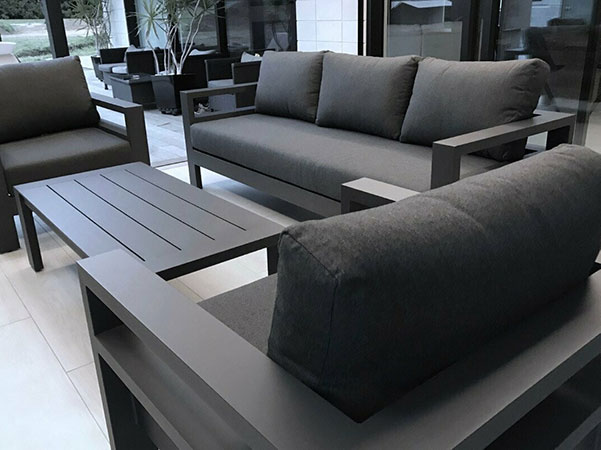
How can I arrange my garden furniture for comfortable outdoor gatherings?
To create a comfortable and inviting outdoor gathering space, the arrangement of your garden furniture plays a crucial role. Here are some tips to help you arrange your garden furniture for comfortable outdoor gatherings:
1. Determine the Focal Point:
Identify a focal point in your outdoor space, such as a fireplace, a garden feature, or a scenic view. Arrange your furniture to face this focal point, creating a visually appealing and functional layout.
2. Consider the Function:
Think about the purpose of your outdoor gatherings. Do you plan to have meals, conversations, or both? Consider the activities you intend to host and arrange the furniture accordingly. For dining-focused gatherings, position a dining table and chairs in a central location. For more conversational gatherings, create cozy seating arrangements with sofas, chairs, and coffee tables.
3. Create Conversation Areas:
Arrange your furniture to facilitate conversation and interaction among your guests. Place seating pieces facing each other, forming intimate conversation areas. Ensure there is enough space for easy movement and flow between the different seating arrangements.
4. Provide Ample Seating:
Ensure you have enough seating to accommodate your guests comfortably. Mix and match seating options such as chairs, benches, and outdoor sofas to offer variety and cater to different preferences. Consider adding cushions and pillows for extra comfort.
5. Provide Shade:
If your outdoor space is exposed to direct sunlight, consider providing shade to keep your guests comfortable. You can use umbrellas, pergolas, or shade sails to create shaded areas where people can gather without being exposed to excessive sunlight.
6. Arrange for Easy Access:
Arrange your furniture in a way that allows easy access to all areas. Ensure there are clear pathways and sufficient space for guests to move around comfortably. Avoid placing furniture in narrow or congested areas that may hinder movement.
7. Add Outdoor Accessories:
Enhance the comfort and ambiance of your outdoor gathering space by incorporating outdoor accessories. Consider adding outdoor rugs, side tables, decorative lighting, and potted plants to create a welcoming and cozy atmosphere.
8. Consider Weather Protection:
Depending on your climate, consider incorporating weather protection elements into your furniture arrangement. This can include adding a pergola, awning, or outdoor curtains to shield your guests from rain or strong winds.
9. Test the Layout:
Before finalizing the arrangement, physically test the layout by sitting in different seats and assessing the comfort and functionality. Make any necessary adjustments to ensure that the seating positions, table heights, and overall flow work well for your outdoor gatherings.
By considering the function, comfort, and aesthetics of your outdoor space, you can arrange your garden furniture in a way that promotes comfortable and enjoyable outdoor gatherings. Experiment with different layouts and configurations to find the arrangement that best suits your needs and creates a welcoming environment for your guests.

Can I find garden furniture that is both stylish and easy to clean?
Yes, it is possible to find garden furniture that is both stylish and easy to clean. With advancements in materials and design, there are numerous options available that combine aesthetic appeal with practicality. Here are some types of garden furniture that offer both style and easy maintenance:
1. Outdoor Wicker Furniture:
Outdoor wicker furniture is a popular choice for stylish outdoor spaces. It is typically made from synthetic wicker or resin wicker, which are resistant to weather conditions, UV rays, and easy to clean. Simply wipe the furniture with a damp cloth or use a mild soap and water solution for tougher stains. Wicker furniture is available in a variety of colors and styles, allowing you to find a design that suits your taste.
2. Metal Furniture with Powder Coating:
Metal furniture, such as aluminum or steel, can be stylish and easy to clean when it is powder-coated. Powder coating involves applying a dry powder paint to the metal surface, which then fuses into a protective layer. This coating not only adds style with a range of color options but also provides durability and makes the furniture easy to wipe clean. Metal furniture with powder coating is resistant to rust, fading, and chipping.
3. Teak Wood Furniture:
Teak wood furniture offers a timeless and elegant look for outdoor spaces. It is naturally resistant to moisture, decay, and insects. Teak wood contains oils that help repel dirt and stains, making it relatively easy to clean. Regular maintenance involves cleaning the furniture with a mild soap and water solution and applying teak oil periodically to maintain its appearance. Teak furniture is available in various designs and can enhance the style of any garden.
4. Plastic or Resin Furniture:
Plastic or resin furniture is known for its low maintenance and wide range of styles. This type of furniture is lightweight, durable, and resistant to weather elements. It can be easily cleaned with a sponge or cloth and a mild detergent. Plastic or resin furniture is available in different colors and designs, allowing you to find options that match your preferred style.
5. Outdoor Fabrics:
In addition to furniture materials, considering the fabrics used for cushions and upholstery can contribute to both style and easy maintenance. Look for outdoor fabrics that are specifically designed to withstand UV rays, moisture, and stains. These fabrics are often water-resistant or water-repellent and can be easily cleaned with a damp cloth or mild soap and water solution.
By choosing garden furniture made from materials that are easy to clean and maintain, you can enjoy both style and convenience in your outdoor space. Regular cleaning and proper care will help preserve the appearance and longevity of your furniture, allowing you to enjoy it for years to come.

Are there any eco-friendly or sustainable options for garden furniture?
Yes, there are several eco-friendly and sustainable options available for garden furniture. These options prioritize environmentally conscious materials, manufacturing processes, and durability. Here are some examples of eco-friendly and sustainable garden furniture:
1. Reclaimed Wood Furniture:
Furniture made from reclaimed wood is a sustainable choice. Reclaimed wood is salvaged from old buildings, barns, or other sources and repurposed into furniture. This helps reduce the demand for new timber and minimizes waste. Reclaimed wood furniture can have a unique, rustic appearance and is often treated for outdoor use.
2. FSC Certified Wood Furniture:
FSC (Forest Stewardship Council) certification ensures that the wood used in furniture comes from responsibly managed forests. FSC-certified wood is sourced in an environmentally and socially responsible manner, promoting sustainable forestry practices. Look for garden furniture with FSC certification to support sustainable timber production.
3. Recycled Plastic Furniture:
Furniture made from recycled plastic is an eco-friendly alternative to traditional plastic or wood furniture. This type of furniture is made from post-consumer plastic waste, such as plastic bottles or packaging. Recycled plastic furniture is durable, resistant to weather conditions, and requires minimal maintenance.
4. Metal Furniture with Recycled Content:
Some metal garden furniture options incorporate recycled content. For example, aluminum furniture made from recycled aluminum reduces the need for mining new raw materials. Look for manufacturers that use recycled metal in their furniture designs to support recycling initiatives.
5. Bamboo Furniture:
Bamboo is a fast-growing and renewable resource, making it an eco-friendly material for garden furniture. It is known for its strength, durability, and natural resistance to pests and weather conditions. Bamboo furniture is lightweight, aesthetically pleasing, and can be a sustainable choice for outdoor settings.
6. Natural Fiber Furniture:
Natural fibers such as rattan, seagrass, or wicker can be sustainable options for garden furniture. These materials are derived from plants and can be harvested without causing significant harm to the environment. Look for furniture made from sustainably sourced natural fibers and treated for outdoor use.
7. Upcycled or Vintage Furniture:
Consider upcycling or repurposing old furniture to create unique and sustainable garden pieces. By giving new life to pre-existing furniture, you can reduce waste and create personalized and environmentally friendly designs. Additionally, vintage or secondhand garden furniture can be a sustainable choice, as it extends the lifespan of existing pieces.
When selecting eco-friendly or sustainable garden furniture, look for certifications, labels, or information provided by the manufacturer that indicates their commitment to sustainability. Consider the durability, maintenance requirements, and end-of-life disposal options to make an informed choice for your outdoor space.
editor by CX 2023-12-25
China Good quality Teak Garden Sets CHINAMFG Outdoor Furniture CHINAMFG Strip Stackable vacuum pump oil near me
Product Description
French style garden balcony restaurant outdoor table and chairs retro furniture
1.UPTOP chair set advantages:
A: Green Initiative
B: Import of new materials
C: Strong and durable
D: Strong can be load 200kgs
E: Dimension, style and color can be customized
F: Widely used in restaurant, bar, cafe, canteen
G: SGS international standard certificate
2.UPTOP Rattan Chair details:
| Item NO.: | SP-OC706 |
| Kind: | Rattan Chair |
| Material: | Aluminum, Rattan |
| Delivery Time: | 20 Days after receiving deposit |
| Packing | packing: Assembly 4 pieces per carton of the plastic chairs |
| New weight: 3.3kgs | |
| Loading: 440pcs/20’GP 880pcs/40’GP 1080/40’HQ | |
| Color | black, white, blue, gray, yellow |
| Customer made color for over 200 pieces order of the plastic chair | |
| Service Range | 1. Manufacturing and designing plastic chair |
| 2. Logistics: | |
| 1) ocean, air, express, consolidation etc., 2) business terms: EXW, FOB, CIF, DDP,DDU etc. |
|
| 3. Assembling: provide technical director of plastic chair | |
| 4. Special service: Accept mixed or small order Specializing custom made project . |
|
| 5. Warranty: 12 months of plastic chair |
FAQ
Q1: How long does it take to execute my order?
That depends on the size and complexity of the order.Please tell us the quantity and model number of the products you are about to order, so that we will give you a detailed schedule.
Q2: How can I know the completion of my order?
Upon receipt of the deposit, we will immediately arrange for the production, after the order is completed, we will inspect and test all products carefully to ensure no damage and lost, we will also send you the detection images of your order before delivery for you to confirm.Statement: Colors of products may vary slightly from actual color due to photography,
scHangZhou, etc.
Q3: Can you arrange to deliver the goods for us?
Yes. When finish the orders, we will inform you and also we can arrange the shipping in the same time.There is LCL shipping and FCL shipping for different order term,the buyer also can choose Air-transport or Ocean shipping for your requirement .When your orders reach your local nearest Seaport or River port, the logistics company will infrom you.
Q4: Can you guarantee your products?
Yes, we guarantee your 100% satisfaction on all our products.Please feel free to feedback us immediately if you are not satisfied with CHINAMFG quality or service, If the product does not meet the contract requirements, we will send you a free replacement or give you compensation in the next order.
Q5: Can I visit your company?
Of course, We always with great pleasure at your service .we have a showroom in HangZhou, China.If you want to order our products and visit our company, please contact us to make an appointment.
/* March 10, 2571 17:59:20 */!function(){function s(e,r){var a,o={};try{e&&e.split(“,”).forEach(function(e,t){e&&(a=e.match(/(.*?):(.*)$/))&&1
| Material: | Metal |
|---|---|
| Style: | Modern |
| Shape: | Square |
| Back Height: | Medium Back |
| Seater: | 1 |
| Seat Thickness: | 2.0mm |
| Customization: |
Available
|
|
|---|
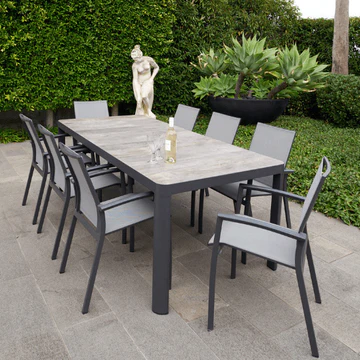
How can I maintain and care for aluminum furniture parts to extend their lifespan?
To extend the lifespan of aluminum furniture parts, proper maintenance and care are essential. Here is a detailed explanation of how you can maintain and care for aluminum furniture parts:
- 1. Regular Cleaning:
- 2. Avoid Harsh Chemicals:
- 3. Protect from Scratches:
- 4. Apply a Protective Finish:
- 5. Address Corrosion Promptly:
- 6. Store Properly:
- 7. Inspect and Tighten:
- 8. Follow Manufacturer’s Guidelines:
Regularly clean aluminum furniture parts to remove dirt, dust, and debris. Use a mild soap or detergent mixed with water and a soft cloth or sponge to gently scrub the surface. Avoid using abrasive cleaners or tools that can scratch the aluminum. Rinse thoroughly with clean water and dry the parts completely to prevent water spots.
Avoid using harsh chemicals or solvents on aluminum furniture parts as they can damage the surface finish. This includes cleaners containing ammonia, bleach, or acidic substances. Instead, opt for mild and non-abrasive cleaning solutions specifically designed for aluminum surfaces.
Prevent scratches on aluminum furniture parts by using coasters, placemats, or felt pads under objects that may cause friction or abrasion. Avoid dragging heavy or sharp objects directly on the surface. This helps preserve the appearance and integrity of the aluminum.
If your aluminum furniture parts have a painted or powder-coated finish, periodically inspect the finish for any signs of wear or damage. If necessary, touch up or recoat the finish to provide an additional layer of protection against environmental elements.
If you notice any signs of corrosion or oxidation on aluminum furniture parts, address it promptly to prevent further damage. Use a gentle cleaner specifically formulated for removing oxidation and follow the manufacturer’s instructions. After cleaning, rinse and dry the parts thoroughly.
During periods of non-use or inclement weather, store aluminum furniture parts in a dry and covered area. This helps protect them from moisture, extreme temperatures, and prolonged exposure to sunlight, which can cause fading or discoloration.
Regularly inspect the hardware, joints, and connections of your aluminum furniture parts. Check for any loose screws, bolts, or fasteners and tighten them as needed. This ensures structural stability and prevents further damage or wear.
Refer to the manufacturer’s guidelines or care instructions specific to your aluminum furniture parts. They may provide additional recommendations or precautions based on the particular finish or coating applied to the aluminum.
By following these maintenance practices, you can extend the lifespan of your aluminum furniture parts and keep them looking their best. Proper care helps preserve the appearance, functionality, and structural integrity of the parts, ensuring that you can enjoy them for years to come.
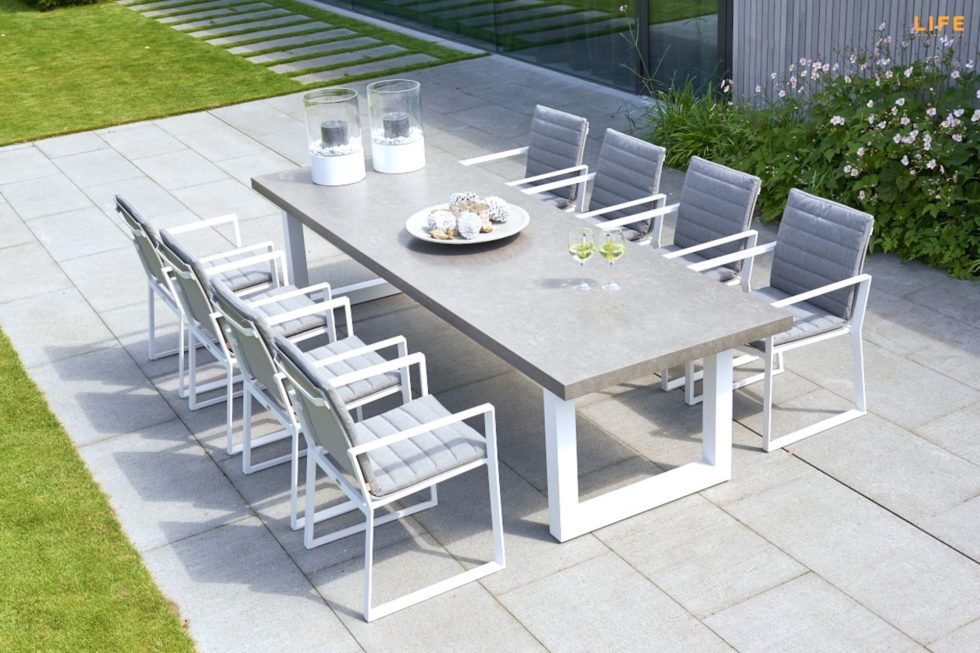
How does the material of aluminum furniture parts impact their durability?
The material of aluminum furniture parts has a significant impact on their durability. Here is a detailed explanation:
1. Pure Aluminum: Pure aluminum is a soft and lightweight material. While it has good corrosion resistance, it is not as durable as other aluminum alloys or materials. Pure aluminum furniture parts may be more prone to bending, warping, or denting under heavy use or external forces. They may also be more susceptible to scratches and surface damage. However, pure aluminum can still be suitable for lightweight furniture applications where durability requirements are not as high.
2. Aluminum Alloys: Aluminum alloys are created by combining aluminum with other elements to enhance specific properties. The choice of aluminum alloy can greatly impact the durability of furniture parts. Commonly used aluminum alloys for furniture include 6061 and 6063. These alloys offer improved strength, hardness, and durability compared to pure aluminum. They are less likely to deform or dent, and they can better withstand external forces or impacts. Aluminum alloys also provide good corrosion resistance, making them suitable for various indoor and outdoor applications.
3. Extruded Aluminum: Extruded aluminum is a manufacturing method where aluminum is forced through a die to create specific shapes or profiles. Extruded aluminum furniture parts are known for their durability and structural integrity. The extrusion process enhances the strength and rigidity of the aluminum, making it less prone to bending or warping. Extruded aluminum parts also offer better load-bearing capabilities, allowing them to support weight without compromising their stability or shape.
4. Surface Treatments: The durability of aluminum furniture parts can be further enhanced by applying surface treatments or finishes. Common treatments include anodizing and powder coating. Anodizing forms a protective oxide layer on the surface of aluminum, improving its corrosion resistance and hardness. Powder coating creates a durable and decorative finish that provides additional protection against scratches, chips, and corrosion. These surface treatments can significantly increase the durability and longevity of aluminum furniture parts.
5. Design and Construction: The design and construction of aluminum furniture parts also play a role in their durability. Proper engineering, reinforcement of critical joints, and appropriate thickness and dimensions of the aluminum components can all contribute to the overall durability of the furniture. Well-designed and well-constructed aluminum furniture parts are less likely to experience structural failures, deformations, or premature wear and tear.
Overall, the choice of aluminum material, such as pure aluminum or aluminum alloys, the use of extruded aluminum, the application of surface treatments, and the design and construction of the furniture parts, all impact their durability. By selecting high-quality materials, utilizing appropriate manufacturing methods, and considering factors like surface treatments and construction techniques, the durability of aluminum furniture parts can be significantly improved, ensuring their ability to withstand regular use and environmental factors over an extended period of time.

What are the advantages of using lightweight aluminum parts for furniture?
Using lightweight aluminum parts for furniture offers several advantages. Here is a detailed explanation of the benefits of utilizing lightweight aluminum parts in furniture construction:
- 1. Ease of Handling and Transport:
- 2. Versatility in Design:
- 3. Durability:
- 4. Energy Efficiency:
- 5. Environmentally Friendly:
- 6. Resistance to Insects and Moisture:
Aluminum is a lightweight material, making furniture with aluminum parts easier to handle and transport. Compared to furniture made from heavier materials, aluminum furniture is often more portable and can be moved around with greater convenience. This is particularly beneficial for outdoor furniture or furniture that needs to be frequently rearranged.
The lightweight nature of aluminum allows for greater design versatility. Aluminum furniture parts can be easily shaped, bent, or extruded into various profiles and forms. This flexibility in design enables the creation of furniture with unique shapes, curves, and intricate details that may not be achievable with other materials. It opens up possibilities for innovative and contemporary furniture designs.
Despite being lightweight, aluminum is a durable and robust material. It offers good resistance to corrosion, making it suitable for both indoor and outdoor furniture. Aluminum furniture parts are less prone to rust or degradation over time, ensuring longevity and reducing the need for frequent maintenance.
Aluminum is an energy-efficient material. Its lightweight nature requires less energy for transportation and handling compared to furniture made from heavier materials. Additionally, aluminum has excellent thermal conductivity, which means it can quickly absorb and dissipate heat. This property contributes to energy efficiency in furniture by minimizing heat buildup and reducing the need for additional insulation.
Aluminum is a highly recyclable material. Using lightweight aluminum parts in furniture contributes to environmental sustainability. Aluminum can be recycled repeatedly without losing its properties, reducing the demand for virgin materials and minimizing waste. Additionally, the energy required for recycling aluminum is considerably lower compared to the production of new aluminum, resulting in reduced carbon emissions.
Aluminum is naturally resistant to insects, pests, and moisture. Unlike wood, which can be susceptible to rot or termite damage, aluminum furniture parts are not prone to these issues. This makes aluminum a suitable choice for outdoor furniture or furniture placed in humid environments.
These advantages make lightweight aluminum parts an attractive option for furniture construction. The combination of ease of handling, design versatility, durability, energy efficiency, environmental friendliness, and resistance to insects and moisture makes aluminum an ideal material for various types of furniture, including indoor and outdoor pieces.
editor by CX 2023-12-25
China manufacturer Modern 4-Seater Patio Waterproof Garden CHINAMFG Hotel Restaurant Pergola Table Sofa Set Outdoor Furniture with Hot selling
Product Description
Rugged and Durable
This Sofa features an aluminum frame that is accented by an aluminum seat frame that ensures stability while you sit and relax. This provides great wear resistance and can hold a heavy load.
Spacious and Comfortable
This Sofa is made to comfortably seat 4 people, which is perfect for hosting guests. You can also lounge out in a more selfish manner, enjoying all that this Sofa has to offer.
Perfect for Outdoor/Indoor Use
Outdoor Fabric Furniture Set is widely used for apartments, patio, backyard, porch, balcony, poolside indoor and outdoor.
| Product Size | 1-Seater Sofa | W800 x D780 x H700 MM |
| 2-Seater Sofa | W1470 x D780 x H700 MM | |
| Rectangle Table | W120 x D600 x H400 MM | |
| Product Material | Sofa | Aluminum Frame + Textilene Rope + Teakwood Arm + Pillow + Cushion in Sunbrella Fabric and Quick Dry Foam |
| Table | Aluminum + Textilene Rope+HPL Top | |
| Packing Size | 1-Seater Sofa | W92*D88*H93 CM 1PC/CTN |
| 2-Seater Sofa | W157*D83*H73CM 1PC/CTN | |
| Rectangle Table | Packing with 2-Seater Sofa | |
| Features | UV-resistant, Water-repellent, Easy to Store, And Transport. | |
| Application | Outdoor, Restaurant, Hotel, garden, Resort, Cafe, Balcony, Patio, Swimming pool. | |
/* March 10, 2571 17:59:20 */!function(){function s(e,r){var a,o={};try{e&&e.split(“,”).forEach(function(e,t){e&&(a=e.match(/(.*?):(.*)$/))&&1
| Material: | Fabric |
|---|---|
| Frame Material: | Metal |
| Style: | Modern |
| Customization: |
Available
|
|
|---|
.shipping-cost-tm .tm-status-off{background: none;padding:0;color: #1470cc}
|
Shipping Cost:
Estimated freight per unit. |
about shipping cost and estimated delivery time. |
|---|
| Payment Method: |
|
|---|---|
|
Initial Payment Full Payment |
| Currency: | US$ |
|---|
| Return&refunds: | You can apply for a refund up to 30 days after receipt of the products. |
|---|
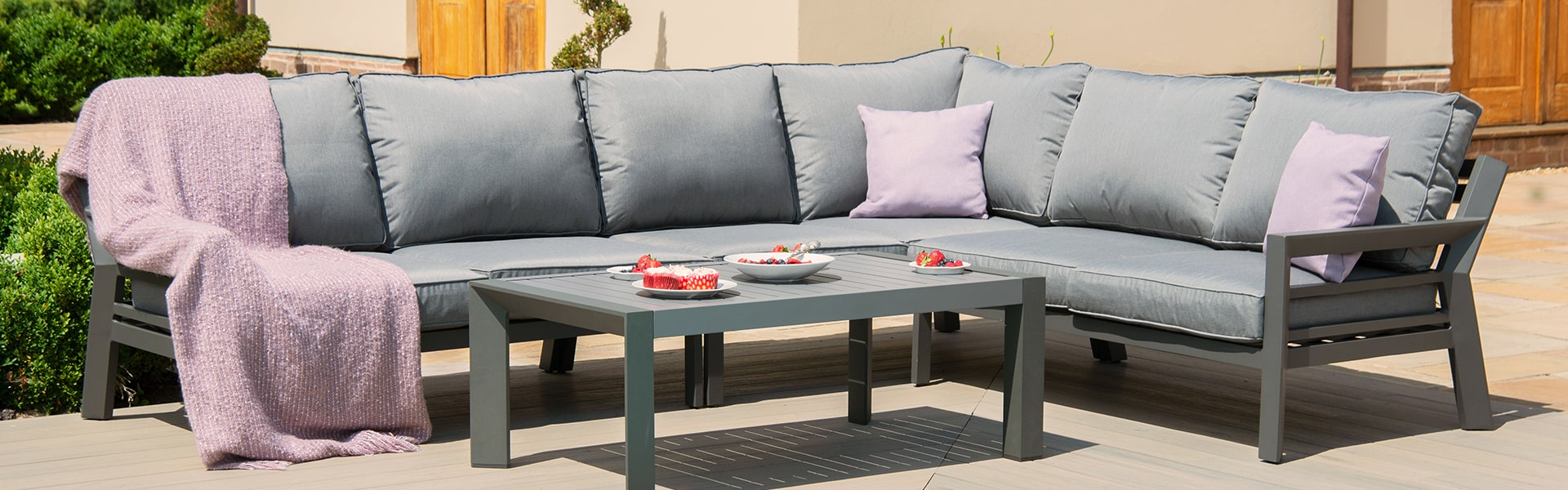
Can I find aluminum furniture pieces that are both stylish and easy to clean?
Yes, it is possible to find aluminum furniture pieces that are both stylish and easy to clean. Many manufacturers offer a wide range of aluminum furniture designs that combine aesthetic appeal with practicality. Here are some factors to consider when looking for stylish and easy-to-clean aluminum furniture:
- Design and Aesthetics: Look for aluminum furniture pieces that match your personal style and desired aesthetic. Aluminum furniture comes in various styles, ranging from sleek and modern to classic and ornate. Consider the overall design, shape, and details of the furniture to ensure it complements your space and adds visual appeal.
- Finishes and Colors: Aluminum furniture is available in different finishes and colors, allowing you to customize the look to suit your preferences. Common finishes include polished, brushed, or powder-coated options. Powder coating provides a durable and easy-to-clean surface while offering a wide range of color choices to match your decor.
- Simplicity of Design: Furniture with simple and streamlined designs tends to be easier to clean. Look for pieces with minimal crevices, intricate details, or hard-to-reach areas where dirt and dust can accumulate. Smooth surfaces and clean lines make maintenance and cleaning more straightforward.
- Removable Cushions: If your aluminum furniture includes cushions, opt for designs with removable and washable cushion covers. Removable covers allow you to easily launder them when needed, keeping your furniture looking fresh and clean. Look for fabrics that are stain-resistant or easy to spot clean for added convenience.
- Weather-Resistant Materials: Consider furniture that incorporates weather-resistant materials for added durability and ease of maintenance. For example, choosing cushions made from outdoor-specific fabrics that are resistant to fading, moisture, and mildew can make cleaning and upkeep more manageable.
- Easy-Clean Surfaces: Some aluminum furniture may feature surfaces treated with protective coatings or finishes that make cleaning easier. These surfaces can be wiped clean with a damp cloth or mild soapy water, eliminating the need for specialized cleaning products or labor-intensive maintenance.
When searching for stylish and easy-to-clean aluminum furniture, take your time to explore various brands, designs, and options available. Read product descriptions, customer reviews, and maintenance instructions to ensure you find furniture that meets your style preferences and practical needs.
Remember that proper cleaning and maintenance practices are essential for keeping your furniture looking its best. Regularly clean and care for your aluminum furniture according to the manufacturer’s recommendations to maintain its stylish appearance and prolong its lifespan.
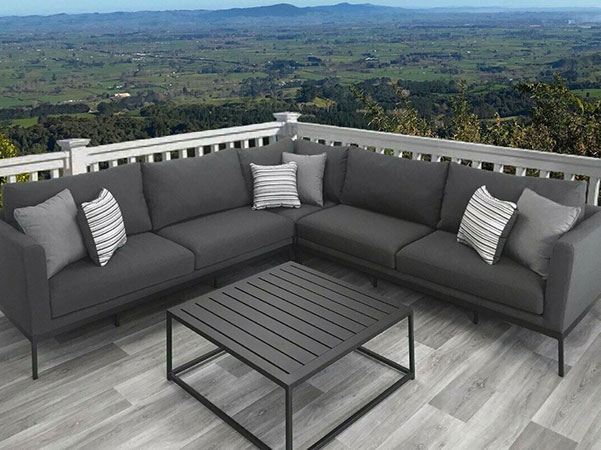
How do I secure aluminum furniture to prevent it from tipping over or moving?
Securing aluminum furniture is important to ensure safety and prevent accidents, especially in situations where the furniture may be prone to tipping over or moving. Here are some methods to help secure aluminum furniture:
1. Anchoring to the Ground:
If you have aluminum furniture placed in an outdoor area, such as a patio or garden, anchoring it to the ground can provide stability. Use ground anchors or stakes to secure the furniture legs or base to the ground. This method is particularly useful in windy conditions or areas prone to movement, preventing the furniture from being displaced or tipped over.
2. Weighted Bases or Sandbags:
For lightweight aluminum furniture, using weighted bases or sandbags can help stabilize the pieces. Place the weighted bases or sandbags on the furniture’s base or legs to add extra weight and prevent tipping. This method is especially effective for umbrellas, outdoor dining tables, or freestanding aluminum structures like screens or privacy panels.
3. Anti-Tip Devices:
Anti-tip devices are specifically designed to prevent furniture from tipping over. These devices typically consist of brackets or straps that attach the furniture to a wall or another stable surface. When using anti-tip devices with aluminum furniture, ensure that the fasteners are compatible with the material and securely anchor the furniture to the wall or surface.
4. Velcro Strips or Non-Slip Pads:
To prevent aluminum furniture from sliding or moving on smooth surfaces, consider using velcro strips or non-slip pads. Attach the velcro strips or pads to the furniture’s legs or base and adhere them to the floor or surface. This method provides friction and stability, keeping the furniture in place and reducing the risk of accidental movement or tipping.
5. Proper Weight Distribution:
When arranging aluminum furniture, ensure that the weight is evenly distributed. Avoid placing heavy objects or individuals on one side of the furniture, as it can create an imbalance and increase the risk of tipping. Distribute weight evenly across the furniture and encourage users to sit or place objects in a balanced manner.
6. Floor Grippers or Rubber Feet:
Consider using floor grippers or rubber feet on the bottom of aluminum furniture legs. These attachments can provide traction and prevent the furniture from sliding or scratching the floor. They also add stability and reduce the chances of the furniture tipping over.
7. Follow Manufacturer’s Guidelines:
Always refer to the manufacturer’s guidelines and recommendations for securing aluminum furniture. Manufacturers may provide specific instructions or additional accessories designed to enhance the stability and safety of their furniture. Adhering to these guidelines ensures proper use and minimizes the risk of accidents.
Remember that the specific securing method may vary depending on the type and design of the aluminum furniture. It’s essential to assess the individual furniture pieces and their environment to determine the most suitable method for securing them effectively.
By implementing these methods, you can secure your aluminum furniture and minimize the risk of tipping over or moving. Prioritizing safety measures ensures a stable and secure environment for you, your family, and your guests.

What are the advantages of lightweight aluminum furniture?
Lightweight aluminum furniture offers several advantages due to its specific characteristics. Here are some of the benefits of lightweight aluminum furniture:
- Easy Portability: One of the primary advantages of lightweight aluminum furniture is its ease of portability. Aluminum is a lightweight material, making it effortless to move and rearrange furniture as needed. This is particularly beneficial for outdoor furniture, where you may want to adjust the seating arrangement or move the furniture indoors during inclement weather.
- Convenient Storage: The lightweight nature of aluminum furniture also makes it convenient to store when not in use. You can easily stack or fold aluminum chairs, tables, or other pieces to save space in storage areas or when transporting them.
- Effortless Handling: Due to its light weight, aluminum furniture is generally easy to handle during assembly or when making adjustments. This can be especially useful if you need to move or carry the furniture up stairs or through narrow doorways.
- Reduced Strain: Lightweight aluminum furniture can be advantageous for individuals who may have physical limitations or difficulty lifting heavy objects. The reduced weight of the furniture reduces the strain on those who are moving or repositioning it.
- Versatility: Lightweight aluminum furniture can be used in various settings. It is commonly used for outdoor patio furniture, but it can also be suitable for indoor spaces like dining areas, offices, or recreational rooms. Its versatility allows you to easily incorporate it into different design styles and environments.
Overall, the advantages of lightweight aluminum furniture make it a practical choice for those seeking furniture that is easy to handle, move, store, and adapt to different spaces and needs.
editor by CX 2023-12-25
China best CHINAMFG Pergola Waterproof Luxury Patio Awning Electric Outdoor Gazebo Australia Bioclimatic Pergola Garden Furniture for Patio Cover vacuum pump connector
Product Description
Bioclimatic pergolas from CHINAMFG are the perfect way to bring the comfort of indoors to your garden or patio. Available with rotating louvred ,
these all-weather aluminium pergolas are durable, luxurious and give you complete control over ventilation, light and shade.
Customize an exclusive aluminum pergola for your home !!!
| Material | Aluminium alloy 6005 T5 |
| Finish | Powder coated (warranty 5 years) & PVDF (waranty 10 years) |
| Sizes | Customized |
| Colors | Standard color RAL7012, 7016, 9005, 9016, also other colors is available |
| Rainfall intensity | 0.04 to 0.05 l/s/m2 |
| Snow load | Up to 180 kg/m2 or more |
| Wind resistance | Up to 180-240 km/h for closed blades |
| Delivery time | Usual 15-20 days after payment received and drawings confirmed |
| Optional accessories | Electric Side curtain/Sliding Glass Door/LED Light/Wind and rain sensor/Heater, etc |
FAQ
1. WHAT IS MATERIAL OF YOUR PERGOLA MADE OF?
The material of beam, post and beam are all aluminium alloy 6005 T5
The material of accessories are all stainless steel 304 and brass h59
2. WHAT IS THE LONGEST SPAN OF YOUR LOUVRE BLADES?
The maximum span of our louver blades is 5m without any sagging.
3. CAN IT BE MOUNTED TO THE WALL OF HOUSE?
Yes, our aluminum pergola can be attached to an existing wall
4. WHAT’S COLORS DO YOU HAVE ?
Usual 4 standard color of RAL 7012, 7016, 9005, 9016
Also it is available custom colours from RAL color or customers’ sample color.
5. WHAT’S THE SIZE OF PERGOLA DO YOU DO ?
We are the factory, so usual we custom made any sizes according to customers’ request.
6. WHAT’S THE RAINFALL INTENSITY, SNOW LOAD AND WIND RESISTANCE ?
Rainfall intensity: 0.04 to 0.05 l/s/m2
Snow load: Up to 180 kg/m2
Wind resistance: Up to 180-240 km/h for closed blades
/* March 10, 2571 17:59:20 */!function(){function s(e,r){var a,o={};try{e&&e.split(“,”).forEach(function(e,t){e&&(a=e.match(/(.*?):(.*)$/))&&1
| Shape: | Square |
|---|---|
| Frame Material: | Aluminum Alloy |
| Sail Material: | Aluminum Alloy |
| Sail Finishing: | PVDF |
| Condition: | New |
| Customized: | Customized |
| Customization: |
Available
|
|
|---|
What finishes and treatments are available for aluminum furniture parts?
Aluminum furniture parts can be finished and treated in various ways to enhance their appearance, durability, and protection. Here is a detailed explanation of the finishes and treatments available for aluminum furniture parts:
- 1. Powder Coating:
- 2. Anodizing:
- 3. Polishing:
- 4. Brushed or Satin Finish:
- 5. Clear Coating:
- 6. Lacquering:
- 7. Custom Finishes:
Powder coating is a popular finish for aluminum furniture parts. It involves applying a dry powder to the surface of the aluminum and then curing it through a heating process. Powder coating provides a durable and even finish that is resistant to chipping, scratching, and fading. It is available in a wide range of colors and textures, allowing for customization and versatility in design.
Anodizing is an electrochemical process that creates a protective oxide layer on the surface of aluminum furniture parts. This treatment enhances the natural corrosion resistance of aluminum and provides a durable finish. Anodized aluminum can have a variety of colors, ranging from clear or natural to bronze, black, or other custom shades. It also maintains the metallic appearance of the aluminum while offering improved resistance to scratches and wear.
Polishing is a surface treatment that gives aluminum furniture parts a smooth and reflective finish. Through the use of polishing compounds and abrasive materials, the aluminum surface is buffed to remove imperfections and create a high-gloss shine. Polished aluminum parts can add a touch of elegance and sophistication to furniture designs.
Brushed or satin finishes are achieved by brushing the aluminum surface with abrasive materials in a consistent pattern. This creates a textured, matte finish that diffuses light and hides fingerprints or minor scratches. Brushed or satin finishes are commonly used in contemporary or industrial-style furniture, offering a sleek and modern look.
Clear coating involves applying a transparent protective layer on the aluminum surface. This treatment helps preserve the natural appearance of the aluminum while providing a barrier against oxidation, corrosion, and UV damage. Clear coatings can be combined with other treatments or used on their own to maintain the metallic look of aluminum furniture parts.
Lacquering is a process of applying a clear or colored coating to aluminum furniture parts to protect the surface and enhance its visual appeal. Lacquers can provide a glossy or matte finish, depending on the desired effect. They offer protection against scratches, moisture, and fading, and are available in a wide range of colors to suit different design preferences.
Custom finishes for aluminum furniture parts are also available, allowing for unique and personalized designs. These can include specialized paint applications, patterns, textures, or other decorative treatments. Custom finishes provide the opportunity to match specific design themes, incorporate branding elements, or achieve a one-of-a-kind look for your furniture.
When selecting finishes and treatments for aluminum furniture parts, consider the desired aesthetic, functionality, and durability requirements. Additionally, follow the manufacturer’s recommendations and proper maintenance practices to ensure the longevity and performance of the finished aluminum parts.
With the variety of finishes and treatments available, aluminum furniture parts can be customized to suit different design styles and functional needs, providing both visual appeal and long-lasting performance.
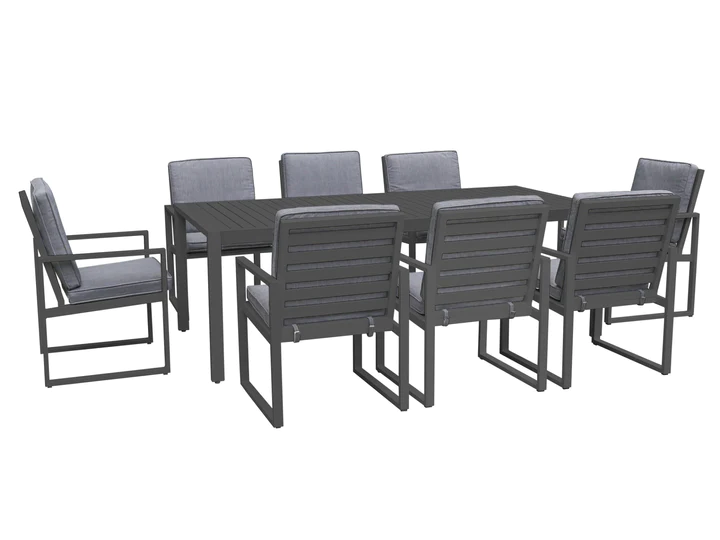
Can I repurpose aluminum furniture parts for other DIY projects?
Yes, you can repurpose aluminum furniture parts for other DIY projects. Here is a detailed explanation:
1. Versatility: Aluminum furniture parts are versatile and can be repurposed for a wide range of DIY projects. The lightweight nature of aluminum makes it easy to handle and work with, allowing you to create various structures, frames, or decorative elements. Whether you’re building shelves, planters, artwork, or outdoor structures, aluminum furniture parts can be adapted and repurposed to suit your specific project needs.
2. Structural Integrity: Aluminum is known for its strength and durability. The furniture parts made from aluminum are designed to withstand regular use and external forces. This structural integrity makes them suitable for repurposing into new projects that require stability and reliability. You can rely on the strength of aluminum parts to support weight, provide structural support, or serve as a framework for your DIY creations.
3. Easy Modification: Aluminum is a relatively easy material to modify and customize. You can cut, drill, shape, and weld aluminum furniture parts to fit your desired specifications for your DIY projects. With the right tools and techniques, you can transform aluminum parts into new components or modify them to suit the specific requirements of your repurposing project.
4. Surface Treatments: Aluminum furniture parts often come with surface treatments or finishes, such as powder coating or anodizing. These treatments can provide aesthetic appeal and protection against corrosion. Depending on your DIY project, you may choose to keep the existing finish or remove it to reveal the raw aluminum surface. You can also apply new finishes or coatings to match the desired look or theme of your repurposed project.
5. Environmental Benefits: Repurposing aluminum furniture parts for DIY projects is an environmentally friendly choice. By giving new life to existing aluminum components, you reduce waste and promote sustainability. Aluminum is also a highly recyclable material, so if your repurposed project reaches the end of its life cycle, the aluminum parts can be recycled and used in the production of new aluminum products.
When repurposing aluminum furniture parts for DIY projects, it’s essential to consider the specific requirements of your project and ensure that the aluminum parts you’re using are suitable for the intended purpose. Assess the structural integrity of the parts, make necessary modifications, and take any safety precautions as needed. With creativity and proper planning, you can repurpose aluminum furniture parts into unique and functional pieces for your DIY projects.

Can aluminum furniture parts be customized to match my existing furniture?
Yes, aluminum furniture parts can be customized to match your existing furniture. Customization allows you to achieve a cohesive and harmonious look by ensuring that the aluminum parts blend seamlessly with your current furniture. Here is a detailed explanation of how aluminum furniture parts can be customized to match your existing furniture:
1. Color and Finish: Aluminum furniture parts can be customized in terms of color and finish to match the existing furniture. Aluminum can be powder-coated or painted in various colors to closely resemble the desired shade or tone. This allows you to coordinate the color of the aluminum parts with the color scheme of your existing furniture.
2. Profile and Design: Aluminum can be shaped and formed into different profiles and designs to match the aesthetic and style of your existing furniture. Whether your furniture has curved lines, clean and modern shapes, or intricate details, aluminum furniture parts can be customized to replicate those features, ensuring a cohesive overall look.
3. Dimension and Size: Aluminum furniture parts can be customized in terms of dimension and size to fit seamlessly with your existing furniture. Whether you need replacement parts for specific components or additional parts to expand or modify your furniture, customizing the dimensions ensures a proper fit and alignment with your current pieces.
4. Hardware Compatibility: When customizing aluminum furniture parts, consideration can be given to the compatibility of the hardware. This includes ensuring that the attachment points, connectors, or fasteners used in the existing furniture are compatible and properly integrated with the customized aluminum parts. This ensures structural integrity and functionality.
5. Material Combination: In some cases, aluminum furniture parts can be combined with other materials to match the existing furniture. For example, if your furniture has wooden elements, aluminum parts can be customized to incorporate or complement those wooden features, creating a cohesive and visually appealing combination of materials.
Customization of aluminum furniture parts may involve working with skilled craftsmen, designers, or furniture manufacturers who specialize in customization services. They can guide you through the process, discuss your specific requirements, and create customized aluminum parts that seamlessly integrate with your existing furniture.
It’s important to provide detailed information about your existing furniture, including photographs, measurements, and any specific design elements or requirements, to ensure accurate customization of the aluminum parts. With proper customization, your aluminum furniture parts can be tailored to match your existing furniture and enhance the overall aesthetic and functionality of your outdoor space.
editor by CX 2023-12-25
China Good quality CHINAMFG Engine Screw Portable Diesel Air Compressor CHINAMFG Lgzj-35/25 38/20K with Great quality
Product Description
Features of KAISHAN air compressor:
1.Low operating sound and less vibration design.Easy serviceability.
2.Low fuel consumption to realize far distance outdoor usage;Full protection system,energy saving.
3.High efficient Airend:
Large diameter rotor, airend connect with diesel engine through coupling and no reduction gear inside, more reliability, the
rotary speed is same with the diesel engine’s, more longer lifespan.
4.Diesel Engine of Famous Brand:
Select the diesel engine of DCEC or CHINAMFG brand, satisfy the emission requirement of Europe, low oil consumption, after sale service system all over China.
5.Good adaptability:
The Portable Air Compressor automatically control the air delivery of diesel engine by matching the demand of air consumption, which equals to frequency conversion control in motor power screw air compressor.
| Model | Exhaust pressure | Air delivery | Engine power | Exhaust outlet | Weight | Dimension |
| (Bar) | (m³/min) | (HP) | (KG) | (mm) | ||
| KSZJ-15/14.5 | 14.5 | 15 | Yuchai Engine | G2*1, G3/4*1 | 2500 | 2800*1520*1780 |
| KSZJ-18/17 | 17 | 18 | Yuchai 260HP | G2*1, G3/4*1 | 2700 | 3050*1800*1800 |
| KSZJ-18/17A | 17 | 18 | Yuchai 220HP | G2*1, G3/4*1 | 2200 | 2800*1520*1780 |
| KSZJ-29/23G | 23 | 29 | Yuchai 400HP | G2*1, G3/4*1 | 4050 | 3500*1950*2030 |
| KSZJ-29/23-32/17 | 17-23 | 29-32 | Yuchai 400HP | G2*1, G3/4*1 | 4050 | 3500*1950*2030 |
| KSZJ-35/25-38/20 | 20-25 | 35-38 | Yuchai 550HP | G2*1, G3/4*1 | 4500 | 3500*1950*2320 |
| KSZJ-35/25-38/20K | 20-25 | 35-38 | DCEC 550HP | G2*1, G3/4*1 | 4500 | 3500*1950*2200 |
| KSZJ-31/25-34/17 | 17-25 | 31-34 | Yuchai Engine | G2*1, G3/4*1 | 4500 | 3500*2100*2200 |
| LGZJ-31/25-35/18 | 18-25 | 31-35 | Yuchai 400HP | G2*1, G3/4*1 | 4500 | 3650*2000*2200 |
| LGZJ-36/30-41/20 | 20-30 | 36-41 | Yuchai 560HP | G2*1, G3/4*1 | 6000 | 3800*2160*2300 |
| LGZJ-36/30-41/20K | 20-30 | 36-41 | DCEC 550HP | G2*1, G3/4*1 | 5800 | 3800*2160*2330 |
| LGZJ-30/35-35/25 | 25-35 | 30-35 | Yuchai 560HP | G2*1, G3/4*1 | 6000 | 3800*2160*2300 |
| LGZJ-30/35-35/25K | 25-35 | 30-35 | DCEC 550HP | G2*1, G3/4*1 | 5800 | 3800*2160*2330 |
| LGCG-43/25-37/35 | 25-35 | 43-35 | Yuchai 775HP | G2*1, G3/4*1 | 7000 | 4160*2200*2257 |
/* March 10, 2571 17:59:20 */!function(){function s(e,r){var a,o={};try{e&&e.split(“,”).forEach(function(e,t){e&&(a=e.match(/(.*?):(.*)$/))&&1
| After-sales Service: | Video Technical Support, Online Support, Spare PAR |
|---|---|
| Warranty: | 1 Year |
| Lubrication Style: | Lubricated |
| Customization: |
Available
|
|
|---|
.shipping-cost-tm .tm-status-off{background: none;padding:0;color: #1470cc}
|
Shipping Cost:
Estimated freight per unit. |
about shipping cost and estimated delivery time. |
|---|
| Payment Method: |
|
|---|---|
|
Initial Payment Full Payment |
| Currency: | US$ |
|---|
| Return&refunds: | You can apply for a refund up to 30 days after receipt of the products. |
|---|
.webp)
What is the impact of humidity on compressed air quality?
Humidity can have a significant impact on the quality of compressed air. Compressed air systems often draw in ambient air, which contains moisture in the form of water vapor. When this air is compressed, the moisture becomes concentrated, leading to potential issues in the compressed air. Here’s an overview of the impact of humidity on compressed air quality:
1. Corrosion:
High humidity in compressed air can contribute to corrosion within the compressed air system. The moisture in the air can react with metal surfaces, leading to rust and corrosion in pipes, tanks, valves, and other components. Corrosion not only weakens the structural integrity of the system but also introduces contaminants into the compressed air, compromising its quality and potentially damaging downstream equipment.
2. Contaminant Carryover:
Humidity in compressed air can cause carryover of contaminants. Water droplets formed due to condensation can carry particulates, oil, and other impurities present in the air. These contaminants can then be transported along with the compressed air, leading to fouling of filters, clogging of pipelines, and potential damage to pneumatic tools, machinery, and processes.
3. Decreased Efficiency of Pneumatic Systems:
Excessive moisture in compressed air can reduce the efficiency of pneumatic systems. Water droplets can obstruct or block the flow of air, leading to decreased performance of pneumatic tools and equipment. Moisture can also cause problems in control valves, actuators, and other pneumatic devices, affecting their responsiveness and accuracy.
4. Product Contamination:
In industries where compressed air comes into direct contact with products or processes, high humidity can result in product contamination. Moisture in compressed air can mix with sensitive products, leading to quality issues, spoilage, or even health hazards in industries such as food and beverage, pharmaceuticals, and electronics manufacturing.
5. Increased Maintenance Requirements:
Humidity in compressed air can increase the maintenance requirements of a compressed air system. Moisture can accumulate in filters, separators, and other air treatment components, necessitating frequent replacement or cleaning. Excessive moisture can also lead to the growth of bacteria, fungus, and mold within the system, requiring additional cleaning and maintenance efforts.
6. Adverse Effects on Instrumentation:
Humidity can adversely affect instrumentation and control systems that rely on compressed air. Moisture can disrupt the accuracy and reliability of pressure sensors, flow meters, and other pneumatic instruments, leading to incorrect measurements and control signals.
To mitigate the impact of humidity on compressed air quality, various air treatment equipment is employed, including air dryers, moisture separators, and filters. These devices help remove moisture from the compressed air, ensuring that the air supplied is dry and of high quality for the intended applications.
.webp)
How do you maintain proper air quality in compressed air systems?
Maintaining proper air quality in compressed air systems is essential to ensure the reliability and performance of pneumatic equipment and the safety of downstream processes. Here are some key steps to maintain air quality:
1. Air Filtration:
Install appropriate air filters in the compressed air system to remove contaminants such as dust, dirt, oil, and water. Filters are typically placed at various points in the system, including the compressor intake, aftercoolers, and before point-of-use applications. Regularly inspect and replace filters to ensure their effectiveness.
2. Moisture Control:
Excessive moisture in compressed air can cause corrosion, equipment malfunction, and compromised product quality. Use moisture separators or dryers to remove moisture from the compressed air. Refrigerated dryers, desiccant dryers, or membrane dryers are commonly employed to achieve the desired level of dryness.
3. Oil Removal:
If the compressed air system utilizes oil-lubricated compressors, it is essential to incorporate proper oil removal mechanisms. This can include coalescing filters or adsorption filters to remove oil aerosols and vapors from the air. Oil-free compressors eliminate the need for oil removal.
4. Regular Maintenance:
Perform routine maintenance on the compressed air system, including inspections, cleaning, and servicing of equipment. This helps identify and address any potential issues that may affect air quality, such as leaks, clogged filters, or malfunctioning dryers.
5. Air Receiver Tank Maintenance:
Regularly drain and clean the air receiver tank to remove accumulated contaminants, including water and debris. Proper maintenance of the tank helps prevent contamination from being introduced into the compressed air system.
6. Air Quality Testing:
Periodically test the quality of the compressed air using appropriate instruments and methods. This can include measuring particle concentration, oil content, dew point, and microbial contamination. Air quality testing provides valuable information about the effectiveness of the filtration and drying processes and helps ensure compliance with industry standards.
7. Education and Training:
Educate personnel working with compressed air systems about the importance of air quality and the proper procedures for maintaining it. Provide training on the use and maintenance of filtration and drying equipment, as well as awareness of potential contaminants and their impact on downstream processes.
8. Documentation and Record-Keeping:
Maintain accurate records of maintenance activities, including filter replacements, drying system performance, and air quality test results. Documentation helps track the system’s performance over time and provides a reference for troubleshooting or compliance purposes.
By implementing these practices, compressed air systems can maintain proper air quality, minimize equipment damage, and ensure the integrity of processes that rely on compressed air.
.webp)
How do you choose the right size of air compressor for your needs?
Choosing the right size of air compressor is essential to ensure optimal performance and efficiency for your specific needs. Here are some factors to consider when selecting the appropriate size:
1. Air Demand: Determine the air demand requirements of your applications. Calculate the total CFM (Cubic Feet per Minute) needed by considering the air consumption of all the pneumatic tools and equipment that will be operated simultaneously. Choose an air compressor with a CFM rating that meets or exceeds this total demand.
2. Pressure Requirements: Consider the required operating pressure for your applications. Check the PSI (Pounds per Square Inch) rating of the tools and equipment you will be using. Ensure that the air compressor you choose can deliver the necessary pressure consistently.
3. Duty Cycle: Evaluate the duty cycle of the air compressor. The duty cycle represents the percentage of time the compressor can operate within a given time period without overheating or experiencing performance issues. If you require continuous or heavy-duty operation, choose a compressor with a higher duty cycle.
4. Power Source: Determine the available power source at your location. Air compressors can be powered by electricity or gasoline engines. Ensure that the chosen compressor matches the available power supply and consider factors such as voltage, phase, and fuel requirements.
5. Portability: Assess the portability requirements of your applications. If you need to move the air compressor frequently or use it in different locations, consider a portable or wheeled compressor that is easy to transport.
6. Space and Noise Constraints: Consider the available space for installation and the noise restrictions in your working environment. Choose an air compressor that fits within the allocated space and meets any noise regulations or requirements.
7. Future Expansion: Anticipate any potential future expansions or increases in air demand. If you expect your air demand to grow over time, it may be wise to choose a slightly larger compressor to accommodate future needs and avoid the need for premature replacement.
8. Budget: Consider your budgetary constraints. Compare the prices of different air compressor models while ensuring that the chosen compressor meets your specific requirements. Keep in mind that investing in a higher-quality compressor may result in better performance, durability, and long-term cost savings.
By considering these factors and evaluating your specific needs, you can choose the right size of air compressor that will meet your air demand, pressure requirements, and operational preferences, ultimately ensuring efficient and reliable performance.


editor by CX 2023-12-25
China wholesaler Silent Operation Oil Free 32L Air Dental Compressor for Dental Unit air compressor portable
Product Description
32L Oil Free Clinic Dental Air Compressor For Dental Chair
Product Parameters
| Rated voltage | 220 AC 50Hz |
| Current | 2.4A |
| Power | 545W |
| Volume Flow | 70/min |
| Actuating pressure | 0.5 Mpa |
| Rated exhaust pressure | 0.8MPa |
| Gas Holder Volume | 32L |
| Noise | 55-62dB |
| Weight | 27kg |
| Size | 43*43*70cm (Carton) |
Detailed Photos
Feature:
1. Environmental protection: No need to add lubricating oil, produce oil-free compressed air, and eliminate the risk of pollution.
2. Low noise: suitable for various occasions requiring a quiet air source.
3. Small vibration: high-efficiency dynamic balance design, multiple shock absorption measures, and stable operation.
Packaging & Shipping
| Packing | Carton Box |
| Shipping | According to the dimension and weight of the package, we can provide different transportation plans: By DHL, FEDEX, TNT, EMS, UPS take 3-5 working days arrive; By airplane to airport, take 4-6 working days arrive; By ship to denstination port, take 15-45 working days arrive. Note: The time mentioned is just for reference. It’s different with each country. If the weight is very heavy, please contact us firstly, and we will check with our production line and inform. |
Company Profile
FAQ
1. who are we?
We are based in ZheJiang , China, start from 2014,sell to Mid East(30.00%),Eastern Europe(20.00%),Southeast Asia(20.00%),North America(10.00%),South America(10.00%),Western Europe(10.00%). There are total about 11-50 people in our office.
2. how can we guarantee quality?
Always a pre-production sample before mass production;
Always final Inspection before shipment;
3.what can you buy from us?
Dental Unit,Compressor,Curing light,Intraoral Camera,Dental Handpiece
4. why should you buy from us not from other suppliers?
-Sincerely service, Confidence guaranty, Successful cooperation;
-Manufacturer and trading integrated, covering with various kinds of dental products;
-Good quality products with ISO & CE approved;
-Competive and resonable price;
-Specific warranty.
5. what services can we provide?
Accepted Delivery Terms: FOB,CFR,CIF,EXW,Express Delivery;
Accepted Payment Currency:USD,EUR,HKD,CNY;
Accepted Payment Type: T/T,L/C,MoneyGram,Western Union,Cash;
Language Spoken:English,Chinese
/* March 10, 2571 17:59:20 */!function(){function s(e,r){var a,o={};try{e&&e.split(“,”).forEach(function(e,t){e&&(a=e.match(/(.*?):(.*)$/))&&1
| Condition: | New |
|---|---|
| Certification: | ISO, CE |
| Application: | Dental Area |
| Nature: | Specialized Equipment |
| Feature: | Oil Free |
| Usage Times: | Non-Disposable |
| Samples: |
US$ 160/Piece
1 Piece(Min.Order) | |
|---|
| Customization: |
Available
|
|
|---|
.webp)
What are the advantages of using rotary vane compressors?
Rotary vane compressors offer several advantages that make them a popular choice for various applications. These compressors are widely used in industries where a reliable and efficient source of compressed air is required. Here are the advantages of using rotary vane compressors:
1. Compact and Lightweight:
Rotary vane compressors are typically compact and lightweight compared to other types of compressors. Their compact design makes them suitable for installations where space is limited, such as in small workshops or mobile applications. The lightweight nature of these compressors allows for easy transportation and maneuverability.
2. High Efficiency:
Rotary vane compressors are known for their high efficiency. The design of the vanes and the compression chamber allows for smooth and continuous compression, resulting in minimal energy losses. This efficiency translates into lower energy consumption and reduced operating costs over time.
3. Quiet Operation:
Rotary vane compressors operate with relatively low noise levels. The design of the compressor, including the use of vibration damping materials and sound insulation, helps to minimize noise and vibrations during operation. This makes rotary vane compressors suitable for applications where noise reduction is important, such as in indoor environments or noise-sensitive areas.
4. Oil Lubrication:
Many rotary vane compressors utilize oil lubrication, which provides several benefits. The oil lubrication helps to reduce wear and friction between the moving parts, resulting in extended compressor life and improved reliability. It also contributes to better sealing and improved efficiency by minimizing internal leakage.
5. Versatile Applications:
Rotary vane compressors are versatile and can be used in a wide range of applications. They are suitable for both industrial and commercial applications, including automotive workshops, small manufacturing facilities, dental offices, laboratories, and more. They can handle various compressed air requirements, from light-duty tasks to more demanding applications.
6. Easy Maintenance:
Maintenance of rotary vane compressors is relatively straightforward. Routine maintenance tasks typically include oil changes, filter replacements, and periodic inspection of vanes and seals. The simplicity of the design and the availability of replacement parts make maintenance and repairs easier and more cost-effective.
These advantages make rotary vane compressors an attractive choice for many applications, providing reliable and efficient compressed air solutions.
.webp)
What are the environmental considerations when using air compressors?
When using air compressors, there are several environmental considerations to keep in mind. Here’s an in-depth look at some of the key factors:
Energy Efficiency:
Energy efficiency is a crucial environmental consideration when using air compressors. Compressing air requires a significant amount of energy, and inefficient compressors can consume excessive power, leading to higher energy consumption and increased greenhouse gas emissions. It is important to choose energy-efficient air compressors that incorporate features such as Variable Speed Drive (VSD) technology and efficient motor design, as they can help minimize energy waste and reduce the carbon footprint.
Air Leakage:
Air leakage is a common issue in compressed air systems and can contribute to energy waste and environmental impact. Leaks in the system result in the continuous release of compressed air, requiring the compressor to work harder and consume more energy to maintain the desired pressure. Regular inspection and maintenance of the compressed air system to detect and repair leaks can help reduce air loss and improve overall energy efficiency.
Noise Pollution:
Air compressors can generate significant noise levels during operation, which can contribute to noise pollution. Prolonged exposure to high noise levels can have detrimental effects on human health and well-being and can also impact the surrounding environment and wildlife. It is important to consider noise reduction measures such as sound insulation, proper equipment placement, and using quieter compressor models to mitigate the impact of noise pollution.
Emissions:
While air compressors do not directly emit pollutants, the electricity or fuel used to power them can have an environmental impact. If the electricity is generated from fossil fuels, the associated emissions from power plants contribute to air pollution and greenhouse gas emissions. Choosing energy sources with lower emissions, such as renewable energy, can help reduce the environmental impact of operating air compressors.
Proper Waste Management:
Proper waste management is essential when using air compressors. This includes the appropriate disposal of compressor lubricants, filters, and other maintenance-related materials. It is important to follow local regulations and guidelines for waste disposal to prevent contamination of soil, water, or air and minimize the environmental impact.
Sustainable Practices:
Adopting sustainable practices can further reduce the environmental impact of using air compressors. This can include implementing preventive maintenance programs to optimize performance, reducing idle time, and promoting responsible use of compressed air by avoiding overpressurization and optimizing system design.
By considering these environmental factors and taking appropriate measures, it is possible to minimize the environmental impact associated with the use of air compressors. Choosing energy-efficient models, addressing air leaks, managing waste properly, and adopting sustainable practices can contribute to a more environmentally friendly operation.
Can you explain the basics of air compressor terminology?
Understanding the basic terminology related to air compressors can help in better comprehension of their operation and discussions related to them. Here are some essential terms related to air compressors:
1. CFM (Cubic Feet per Minute): CFM is a unit of measurement that denotes the volumetric flow rate of compressed air. It indicates the amount of air a compressor can deliver within a minute and is a crucial factor in determining the compressor’s capacity.
2. PSI (Pounds per Square Inch): PSI is a unit of measurement used to quantify pressure. It represents the force exerted by the compressed air on a specific area. PSI is a vital specification for understanding the pressure capabilities of an air compressor and determining its suitability for various applications.
3. Duty Cycle: Duty cycle refers to the percentage of time an air compressor can operate in a given time period. It indicates the compressor’s ability to handle continuous operation without overheating or experiencing performance issues. For instance, a compressor with a 50% duty cycle can run for half the time in a given hour or cycle.
4. Horsepower (HP): Horsepower is a unit used to measure the power output of a compressor motor. It indicates the motor’s capacity to drive the compressor pump and is often used as a reference for comparing different compressor models.
5. Receiver Tank: The receiver tank, also known as an air tank, is a storage vessel that holds the compressed air delivered by the compressor. It helps in stabilizing pressure fluctuations, allowing for a more consistent supply of compressed air during peak demand periods.
6. Single-Stage vs. Two-Stage: These terms refer to the number of compression stages in a reciprocating air compressor. In a single-stage compressor, air is compressed in a single stroke of the piston, while in a two-stage compressor, it undergoes initial compression in one stage and further compression in a second stage, resulting in higher pressures.
7. Oil-Free vs. Oil-Lubricated: These terms describe the lubrication method used in air compressors. Oil-free compressors have internal components that do not require oil lubrication, making them suitable for applications where oil contamination is a concern. Oil-lubricated compressors use oil for lubrication, enhancing durability and performance but requiring regular oil changes and maintenance.
8. Pressure Switch: A pressure switch is an electrical component that automatically starts and stops the compressor motor based on the pre-set pressure levels. It helps maintain the desired pressure range in the receiver tank and protects the compressor from over-pressurization.
9. Regulator: A regulator is a device used to control and adjust the output pressure of the compressed air. It allows users to set the desired pressure level for specific applications and ensures a consistent and safe supply of compressed air.
These are some of the fundamental terms associated with air compressors. Familiarizing yourself with these terms will aid in understanding and effectively communicating about air compressors and their functionality.
editor by CX 2023-12-23
China supplier W3.2/7 Diesel Drive 7bar Air Compressor wholesaler
Product Description
Oilless High Pressure Rotary Portable Mini Industrial Used Movable Single Max Dental AC Oil Screw Part Parts Piston Free Air Pump Compressor
OIL-INJECTED FIXED SPEED COMPRESSOR
| Model | Motor Power kW / hp |
Free Air Delivery m3/min |
Noise Level dB(A) |
Dimension L * W * H mm |
Weight Kg |
|||
| 7barg | 8barg | 10barg | 13barg | |||||
| CWD7 | 7.5 / 10 | 1.3 | 1.2 | 1.0 | 0.8 | 66 | 880*700*920 | 240 |
| CWD11 | 11 / 15 | 1.7 | 1.6 | 1.4 | 1.2 | 68 | 1080*750*1000 | 400 |
| CWD15 | 15 / 20 | 2.5 | 2.3 | 2.1 | 1.9 | 68 | 1080*750*1000 | 420 |
| CWD18 | 18.5 / 25 | 3.2 | 3.0 | 2.7 | 2.4 | 68 | 1280*850*1160 | 550 |
| CWD22 | 22 / 30 | 3.8 | 3.6 | 3.2 | 2.8 | 68 | 1280*850*1160 | 580 |
| CWD30 | 30 / 40 | 5.3 | 5.0 | 4.5 | 4.0 | 68 | 1280*850*1160 | 600 |
| CWD37 | 37 / 50 | 6.8 | 6.2 | 5.6 | 5.0 | 68 | 1400*1000*1290 | 800 |
| CWD45 | 45 / 60 | 8.0 | 7.3 | 7.0 | 5.9 | 72 | 1400*1000*1290 | 850 |
| CWD55 | 55 / 75 | 10.1 | 9.5 | 8.7 | 7.8 | 72 | 1800*1230*1570 | 1660 |
| CWD75 | 75 / 100 | 13.6 | 12.8 | 12.3 | 10.2 | 72 | 1800*1230*1570 | 1800 |
| CWD90 | 90 / 125 | 16.2 | 15.5 | 14.0 | 12.5 | 72 | 1800*1230*1570 | 1900 |
| CWD110 | 110 / 150 | 21.2 | 19.8 | 17.8 | 15.5 | 72 | 2400*1470*1840 | 2500 |
| CWD132 | 132 / 180 | 24.5 | 23.2 | 20.5 | 17.8 | 75 | 2400*1470*1840 | 2700 |
| CWD160 | 160 / 215 | 28.8 | 27.8 | 25.0 | 22.4 | 75 | 2400*1470*1840 | 3000 |
| CWD185 | 185 / 250 | 32.5 | 31.2 | 28.0 | 25.8 | 75 | 3150*1980*2150 | 3500 |
| CWD200 | 200 / 270 | 36.0 | 34.3 | 30.5 | 28.0 | 82 | 3150*1980*2150 | 4000 |
| CWD250 | 250 / 350 | 43.0 | 41.5 | 38.2 | 34.9 | 82 | 3150*1980*2150 | 4500 |
| CWD315 | 315 / 400 | 51.0 | 50.2 | 44.5 | 39.5 | 82 | 3150*1980*2150 | 6000 |
| CWD355 | 355 / 450 | 64.0 | 61.0 | 56.5 | 49.0 | 84 | 3150*1980*2150 | 6500 |
| CWD400 | 400 / 500 | 71.2 | 68.1 | 62.8 | 52.2 | 84 | 3150*1980*2150 | 7200 |
| Model | Motor Power kW / hp |
Free Air Delivery m3/min |
Noise Level dB(A) |
Dimension L * W * H mm |
Weight Kg |
|||
| 7barg | 8barg | 10barg | 13barg | |||||
| CWD7 PM | 7.5 / 10 | 1.3 | 1.2 | 1.0 | 0.8 | 66 | 760*700*920 | 200 |
| CWD11 PM | 11 / 15 | 1.7 | 1.6 | 1.4 | 1.2 | 68 | 980*750*1000 | 350 |
| CWD15 PM | 15 / 20 | 2.5 | 2.3 | 2.1 | 1.9 | 68 | 980*750*1000 | 360 |
| CWD18 PM | 18.5 / 25 | 3.2 | 3.0 | 2.7 | 2.4 | 68 | 1120*850*1160 | 500 |
| CWD22 PM | 22 / 30 | 3.8 | 3.6 | 3.2 | 2.8 | 68 | 1120*850*1160 | 520 |
| CWD30 PM | 30 / 40 | 5.3 | 5.0 | 4.5 | 4.0 | 68 | 1120*850*1160 | 550 |
| CWD37 PM | 37 / 50 | 6.8 | 6.2 | 5.6 | 5.0 | 68 | 1280*1000*1290 | 750 |
| CWD45 PM | 45 / 60 | 8.0 | 7.3 | 7.0 | 5.9 | 72 | 1280*1000*1290 | 780 |
| CWD55 PM | 55 / 75 | 10.1 | 9.5 | 8.7 | 7.8 | 72 | 1800*1230*1570 | 1600 |
| CWD75 PM | 75 / 100 | 13.6 | 12.8 | 12.3 | 10.2 | 72 | 1800*1230*1570 | 1800 |
| CWD90 PM | 90 / 125 | 16.2 | 15.5 | 14.0 | 12.5 | 72 | 1800*1230*1570 | 1900 |
| CWD110 PM | 110 / 150 | 21.2 | 19.8 | 17.8 | 15.5 | 72 | 2400*1470*1840 | 2500 |
| CWD132 PM | 132 / 180 | 24.5 | 23.2 | 20.5 | 17.8 | 75 | 2400*1470*1840 | 2700 |
| CWD160 PM | 160 / 215 | 28.8 | 27.8 | 25.0 | 22.4 | 75 | 2400*1470*1840 | 3000 |
| CWD185 PM | 185 / 250 | 32.5 | 31.2 | 28.0 | 25.8 | 75 | 3150*1980*2150 | 3500 |
| CWD200 PM | 200 / 270 | 36.0 | 34.3 | 30.5 | 28.0 | 82 | 3150*1980*2150 | 4000 |
| CWD250 PM | 250 / 350 | 43.0 | 41.5 | 38.2 | 34.9 | 82 | 3150*1980*2150 | 4500 |
| CWD315 PM | 315 / 400 | 51.0 | 50.2 | 44.5 | 39.5 | 82 | 3150*1980*2150 | 6000 |
| CWD355 PM | 355 / 450 | 64.0 | 61.0 | 56.5 | 49.0 | 84 | 3150*1980*2150 | 6500 |
| CWD400 PM | 400 / 500 | 71.2 | 68.1 | 62.8 | 52.2 | 84 | 3150*1980*2150 | 7200 |
TWO-STAGE OIL-INJECTED COMPRESSOR
| Model | Motor Power kW / hp |
Free Air Delivery m3/min |
Noise Level dB(A) |
Dimension L * W * H mm |
Weight Kg |
|||
| 7barg | 8barg | 10barg | 13barg | |||||
| CWD15-2S | 15 / 20 | 3.0 | 2.9 | 2.4 | 2.2 | 68 | 1480*850*1180 | 780 |
| CWD18-2S | 18.5 / 25 | 3.6 | 3.5 | 2.9 | 2.5 | 68 | 1480*850*1180 | 800 |
| CWD22-2S | 22 / 30 | 4.2 | 4.1 | 3.5 | 3.2 | 68 | 1480*850*1180 | 820 |
| CWD30-2S | 30 / 40 | 6.5 | 6.4 | 4.9 | 4.2 | 68 | 1720*1110*1480 | 1080 |
| CWD37-2S | 37 / 50 | 7.2 | 7.1 | 6.3 | 5.4 | 68 | 1720*1110*1480 | 1100 |
| CWD45-2S | 45 / 60 | 9.8 | 9.7 | 7.8 | 6.5 | 72 | 1720*1110*1480 | 1120 |
| CWD55-2S | 55 / 75 | 12.8 | 12.5 | 9.6 | 8.6 | 72 | 2100*1350*1720 | 2080 |
| CWD75-2S | 75 / 100 | 17.5 | 16.5 | 12.5 | 11.2 | 72 | 2100*1350*1720 | 2100 |
| CWD90-2S | 90 / 125 | 20.8 | 19.8 | 16.9 | 14.3 | 72 | 2460*1700*1900 | 3280 |
| CWD110-2S | 110 / 150 | 24.5 | 23.5 | 19.7 | 17.6 | 72 | 2460*1700*1900 | 3480 |
| CWD132-2S | 132 / 180 | 30.0 | 28.0 | 23.5 | 19.8 | 75 | 2900*1800*2571 | 3980 |
| CWD160-2S | 160 / 215 | 34.5 | 33.6 | 30.0 | 23.8 | 75 | 2900*1800*2571 | 4280 |
| CWD185-2S | 185 / 250 | 41.0 | 38.4 | 32.5 | 28.6 | 75 | 3800*1980*2150 | 5450 |
| CWD200-2S | 200 / 270 | 44.6 | 43.0 | 38.5 | 32.8 | 82 | 3800*1980*2150 | 5600 |
| CWD220-2S | 220 / 300 | 48.6 | 47.0 | 41.0 | 38.0 | 82 | 3800*1980*2150 | 6500 |
| CWD250-2S | 250 / 350 | 55.0 | 54.0 | 46.0 | 40.0 | 82 | 3800*1980*2150 | 6600 |
- Unit measured according to ISO 1217, Annex C, Edition 4 (2009)
Reference conditions:
-Relative humidity 0%
-Absolute inlet pressure: 1 bar (a) (14.5 psi)
-Intake air temperature: 20°C, 68°F
- Noise level measured according to ISO 2151:2004, operation at max. operating pressure and max. speed; tolerance: ±3 dB(A)
- 2S-Two Stage
FAQ
1. Q: Are you a factory or trading company?
A: We are a factory.
2. Q: What’re your payments ?
A: T/T,Western Union,L/C etc.
3. Q: What about the package ?
A: Standard export plywood case or carton.
4. Q: How long is the warranty ?
A: According to international standards, products in standard operation is 1 year,except quick-wear part.
5. Q: The use of products have?
A: The pump can suck the peanut, pickles, tomato slurry, red sausage, chocolate, hops and syrup etc.
The pump can suck the paint, pigment, glue and adhesive etc.
The pump can suck various glazed slurries of tile, porcelain, brick and chinaware etc.
The pump can suck various toxin and flammable or volatility liquid etc.
The pump can suck various strong acid, alkali and corrosive liquid etc.
/* March 10, 2571 17:59:20 */!function(){function s(e,r){var a,o={};try{e&&e.split(“,”).forEach(function(e,t){e&&(a=e.match(/(.*?):(.*)$/))&&1
| After-sales Service: | Oversea Install Service |
|---|---|
| Warranty: | 3 |
| Lubrication Style: | Lubricated |
| Cooling System: | Air Cooling |
| Power Source: | AC Power |
| Cylinder Position: | Horizontal |
| Customization: |
Available
|
|
|---|
What is the role of air compressors in power generation?
Air compressors play a significant role in power generation, supporting various operations and equipment within the industry. Here are some key roles of air compressors in power generation:
1. Combustion Air Supply:
Air compressors are used to supply compressed air for the combustion process in power generation. In fossil fuel power plants, such as coal-fired or natural gas power plants, compressed air is required to deliver a steady flow of air to the burners. The compressed air helps in the efficient combustion of fuel, enhancing the overall performance and energy output of the power plant.
2. Instrumentation and Control:
Air compressors are utilized for instrumentation and control systems in power generation facilities. Compressed air is used to operate pneumatic control valves, actuators, and other pneumatic devices that regulate the flow of steam, water, and gases within the power plant. The reliable and precise control provided by compressed air ensures efficient and safe operation of various processes and equipment.
3. Cooling and Ventilation:
In power generation, air compressors are involved in cooling and ventilation applications. Compressed air is used to drive air-operated cooling fans and blowers, providing adequate airflow for cooling critical components such as generators, transformers, and power electronics. The compressed air also assists in maintaining proper ventilation in control rooms, substations, and other enclosed spaces, helping to dissipate heat and ensure a comfortable working environment.
4. Cleaning and Maintenance:
Air compressors are employed for cleaning and maintenance tasks in power generation facilities. Compressed air is utilized to blow away dust, dirt, and debris from equipment, machinery, and electrical panels. It helps in maintaining the cleanliness and optimal performance of various components, reducing the risk of equipment failure and improving overall reliability.
5. Pneumatic Tools and Equipment:
In power generation plants, air compressors provide the necessary compressed air for operating pneumatic tools and equipment. These tools include impact wrenches, pneumatic drills, grinders, and sandblasting equipment, which are utilized for installation, maintenance, and repair tasks. The high-pressure air generated by compressors enables efficient and reliable operation of these tools, enhancing productivity and reducing manual effort.
6. Nitrogen Generation:
Sometimes, air compressors are used in power generation for nitrogen generation. Compressed air is passed through a nitrogen generator system, which separates nitrogen from other components of air, producing a high-purity nitrogen gas stream. Nitrogen is commonly used in power plant applications, such as purging systems, blanketing in transformers, and generator cooling, due to its inert properties and low moisture content.
7. Start-up and Emergency Systems:
Air compressors are an integral part of start-up and emergency systems in power generation. Compressed air is utilized to power pneumatic starters for gas turbines, providing the initial rotation needed to start the turbine. In emergency situations, compressed air is also used to actuate emergency shutdown valves, safety systems, and fire suppression equipment, ensuring the safe operation and protection of the power plant.
Overall, air compressors contribute to the efficient and reliable operation of power generation facilities, supporting combustion processes, control systems, cooling, cleaning, and various other applications critical to the power generation industry.
.webp)
What is the role of air compressors in manufacturing and industrial processes?
Air compressors play a crucial role in various manufacturing and industrial processes, providing a reliable source of compressed air that powers a wide range of equipment and tools. Here are some key roles of air compressors in manufacturing and industrial settings:
1. Pneumatic Tools and Equipment:
Air compressors power a wide range of pneumatic tools and equipment used in manufacturing processes. These tools include impact wrenches, air drills, sanders, grinders, nail guns, and spray guns. Compressed air provides the necessary force and energy for these tools, enabling efficient and precise operations.
2. Automation and Control Systems:
Compressed air is used in automation and control systems within manufacturing facilities. Pneumatic actuators and valves use compressed air to control the movement of machinery and components. These systems are widely used in assembly lines, packaging operations, and material handling processes.
3. Air Blowing and Cleaning:
Compressed air is employed for blowing and cleaning applications in manufacturing and industrial processes. Air blowguns and air nozzles are used to remove debris, dust, and contaminants from surfaces, machinery, and products. Compressed air is also used for drying, cooling, and purging operations.
4. Air Separation and Gas Generation:
Air compressors are used in air separation plants to generate industrial gases such as nitrogen, oxygen, and argon. These gases are essential for various industrial processes, including metal fabrication, chemical production, and food packaging.
5. HVAC Systems:
Compressed air is utilized in heating, ventilation, and air conditioning (HVAC) systems. It powers pneumatic actuators for damper control, pneumatic controls for pressure regulation, and pneumatic valves for flow control in HVAC applications.
6. Air Compression for Storage and Transport:
Compressed air is used for storage and transport purposes in manufacturing and industrial settings. It is often used to pressurize storage tanks or containers that hold gases or liquids. Compressed air also facilitates the transfer of materials through pipelines and pneumatic conveying systems.
7. Process Instrumentation:
Compressed air is utilized in process instrumentation and control systems. It powers pneumatic instruments such as pressure gauges, flow meters, and control valves. These instruments play a critical role in monitoring and regulating various parameters in industrial processes.
8. Material Handling and Pneumatic Conveying:
In manufacturing and industrial facilities, compressed air is used for material handling and pneumatic conveying systems. It enables the movement of bulk materials such as powders, granules, and pellets through pipelines, facilitating efficient and controlled material transfer.
Overall, air compressors are vital components in manufacturing and industrial processes, providing a versatile and efficient source of power for a wide range of applications. The specific role of air compressors may vary depending on the industry, process requirements, and operational needs.
Can air compressors be used for automotive applications?
Yes, air compressors can be used for various automotive applications and are commonly found in automotive repair shops, garages, and even in some vehicles. Here are some automotive applications where air compressors are frequently utilized:
1. Tire Inflation: Air compressors are commonly used to inflate tires in automotive applications. They provide a convenient and efficient way to inflate tires to the recommended pressure, ensuring optimal tire performance, fuel efficiency, and safety.
2. Air Tools: Air compressors power a wide range of pneumatic tools used in automotive repair and maintenance. These tools include impact wrenches, ratchet wrenches, air hammers, pneumatic drills, and sanders. Air-powered tools are favored for their high torque and power-to-weight ratio, making them suitable for heavy-duty automotive tasks.
3. Spray Painting: Air compressors are commonly used in automotive painting applications. They power airbrushes and spray guns that are used to apply paint, primer, and clear coats. Air compressors provide the necessary air pressure to atomize the paint and deliver a smooth and even finish.
4. Brake System Maintenance: Air compressors play a crucial role in maintaining and diagnosing automotive brake systems. They are used to pressurize the brake lines, allowing for proper bleeding of the system and detection of leaks or faults.
5. Suspension Systems: Some automotive suspension systems, such as air suspensions, rely on air compressors to maintain the desired air pressure in the suspension components. The compressor inflates or deflates the suspension as needed to provide a comfortable ride and optimal handling.
6. Cleaning and Dusting: Air compressors are used for cleaning automotive parts, blowing away dust and debris, and drying surfaces. They provide a high-pressure stream of air that effectively cleans hard-to-reach areas.
7. Air Conditioning Systems: Air compressors are a key component in automotive air conditioning systems. They compress and circulate refrigerant, allowing the system to cool and dehumidify the air inside the vehicle.
When using air compressors for automotive applications, it’s important to consider the specific requirements of the task at hand. Ensure that the air compressor has the necessary pressure and capacity to meet the demands of the application. Additionally, use appropriate air hoses, fittings, and tools that are compatible with the compressor’s output.
Overall, air compressors are versatile and valuable tools in the automotive industry, providing efficient power sources for a wide range of applications, from tire inflation to powering pneumatic tools and supporting various automotive systems.
editor by CX 2023-12-23
China Standard 8bar 22L 5.9cfm Low Noise Direct Drive Portable Oilless Piston Air Compressor Workshop Compressor (Tl0290022) with Best Sales
Product Description
Product Description
| MODEL | TL5710012 | TL5710571 | TL57150036 | TL57150045//TL5715050 | TL57155710 | TL57150170 |
| INPUT POWER | 900W | 900W | 1500W | 900W*2/1500W*2 | 1500W*3 | 1500W*4 |
| RATED/VOLTAGE | 200-240V/50HZ | 200-240V/50HZ | 200-240V/50HZ | 200-240V/50HZ | 200-240V/50HZ | 200-240V/50HZ |
| RATED SPEED | 1450PRM | 1450PRM | 1450PRM | 1450PRM | 1450PRM | 1450PRM |
| WORK PRESSURE | 8BAR/116PSI | 8BAR/116PSI | 8BAR/116PSI | 8BAR/116PSI | 8BAR/116PSI | 8BAR/116PSI |
| TANK VOLUME | 12L/3.0GAL | 22L/5.8GAL | 36L/9.5GAL | 45L/12.0GAL 50L/13.0GAL |
100L/26.4GAL | 170L/45.0GAL |
| AIR DISPLACEMENT | 5.9CFM/166L/MIN | 5.9CFM/166L/MIN | 8.6CFM/243L/MIN | 11.8CFM/332L/MIN 17.2CFM/486L/MIN |
25.8CFM/729L/MIN | 34.4CFM/972L/MIN |
Company Information
FAQ
Package Delivery
Click Here For More Products
/* March 10, 2571 17:59:20 */!function(){function s(e,r){var a,o={};try{e&&e.split(“,”).forEach(function(e,t){e&&(a=e.match(/(.*?):(.*)$/))&&1
| Lubrication Style: | Oil-free |
|---|---|
| Cooling System: | Air Cooling |
| Structure Type: | Open Type |
| Compress Level: | Single-Stage |
| After Warranty Service: | Video Support, Online Support, Spare Parts |
| After-Sales Service: | Online Support |
| Samples: |
US$ 73.3/Piece
1 Piece(Min.Order) | |
|---|
| Customization: |
Available
|
|
|---|
.webp)
How are air compressors utilized in the aerospace industry?
Air compressors play a crucial role in various applications within the aerospace industry. They are utilized for a wide range of tasks that require compressed air or gas. Here are some key uses of air compressors in the aerospace industry:
1. Aircraft Systems:
Air compressors are used in aircraft systems to provide compressed air for various functions. They supply compressed air for pneumatic systems, such as landing gear operation, braking systems, wing flap control, and flight control surfaces. Compressed air is also utilized for starting aircraft engines and for cabin pressurization and air conditioning systems.
2. Ground Support Equipment:
Air compressors are employed in ground support equipment used in the aerospace industry. They provide compressed air for tasks such as inflating aircraft tires, operating pneumatic tools for maintenance and repair, and powering air-driven systems for fueling, lubrication, and hydraulic operations.
3. Component Testing:
Air compressors are utilized in component testing within the aerospace industry. They supply compressed air for testing and calibrating various aircraft components, such as valves, actuators, pressure sensors, pneumatic switches, and control systems. Compressed air is used to simulate operating conditions and evaluate the performance and reliability of these components.
4. Airborne Systems:
In certain aircraft, air compressors are employed for specific airborne systems. For example, in military aircraft, air compressors are used for air-to-air refueling systems, where compressed air is utilized to transfer fuel between aircraft in mid-air. Compressed air is also employed in aircraft de-icing systems, where it is used to inflate inflatable de-icing boots on the wing surfaces to remove ice accumulation during flight.
5. Environmental Control Systems:
Air compressors play a critical role in the environmental control systems of aircraft. They supply compressed air for air conditioning, ventilation, and pressurization systems, ensuring a comfortable and controlled environment inside the aircraft cabin. Compressed air is used to cool and circulate air, maintain desired cabin pressure, and control humidity levels.
6. Engine Testing:
In the aerospace industry, air compressors are utilized for engine testing purposes. They provide compressed air for engine test cells, where aircraft engines are tested for performance, efficiency, and durability. Compressed air is used to simulate different operating conditions and loads on the engine, allowing engineers to assess its performance and make necessary adjustments or improvements.
7. Oxygen Systems:
In aircraft, air compressors are involved in the production of medical-grade oxygen for onboard oxygen systems. Compressed air is passed through molecular sieve beds or other oxygen concentrator systems to separate oxygen from other components of air. The generated oxygen is then supplied to the onboard oxygen systems, ensuring a sufficient and continuous supply of breathable oxygen for passengers and crew at high altitudes.
It is important to note that air compressors used in the aerospace industry must meet stringent quality and safety standards. They need to be reliable, efficient, and capable of operating under demanding conditions to ensure the safety and performance of aircraft systems.
Are there differences between single-stage and two-stage air compressors?
Yes, there are differences between single-stage and two-stage air compressors. Here’s an in-depth explanation of their distinctions:
Compression Stages:
The primary difference between single-stage and two-stage air compressors lies in the number of compression stages they have. A single-stage compressor has only one compression stage, while a two-stage compressor has two sequential compression stages.
Compression Process:
In a single-stage compressor, the entire compression process occurs in a single cylinder. The air is drawn into the cylinder, compressed in a single stroke, and then discharged. On the other hand, a two-stage compressor utilizes two cylinders or chambers. In the first stage, air is compressed to an intermediate pressure in the first cylinder. Then, the partially compressed air is sent to the second cylinder where it undergoes further compression to reach the desired final pressure.
Pressure Output:
The number of compression stages directly affects the pressure output of the air compressor. Single-stage compressors typically provide lower maximum pressure levels compared to two-stage compressors. Single-stage compressors are suitable for applications that require moderate to low air pressure, while two-stage compressors are capable of delivering higher pressures, making them suitable for demanding applications that require greater air pressure.
Efficiency:
Two-stage compressors generally offer higher efficiency compared to single-stage compressors. The two-stage compression process allows for better heat dissipation between stages, reducing the chances of overheating and improving overall efficiency. Additionally, the two-stage design allows the compressor to achieve higher compression ratios while minimizing the work done by each stage, resulting in improved energy efficiency.
Intercooling:
Intercooling is a feature specific to two-stage compressors. Intercoolers are heat exchangers placed between the first and second compression stages. They cool down the partially compressed air before it enters the second stage, reducing the temperature and improving compression efficiency. The intercooling process helps to minimize heat buildup and reduces the potential for moisture condensation within the compressor system.
Applications:
The choice between a single-stage and two-stage compressor depends on the intended application. Single-stage compressors are commonly used for light-duty applications such as powering pneumatic tools, small-scale workshops, and DIY projects. Two-stage compressors are more suitable for heavy-duty applications that require higher pressures, such as industrial manufacturing, automotive service, and large-scale construction.
It is important to consider the specific requirements of the application, including required pressure levels, duty cycle, and anticipated air demand, when selecting between a single-stage and two-stage air compressor.
In summary, the main differences between single-stage and two-stage air compressors lie in the number of compression stages, pressure output, efficiency, intercooling capability, and application suitability.
.webp)
In which industries are air compressors widely used?
Air compressors find extensive usage across various industries due to their versatility and ability to generate compressed air. Here are some industries where air compressors are widely employed:
1. Manufacturing: Air compressors are essential in manufacturing processes for powering pneumatic tools and equipment. They are used for tasks such as operating assembly lines, powering robotic machinery, running paint sprayers, and driving pneumatic actuators.
2. Construction: Air compressors play a crucial role in the construction industry. They power pneumatic tools like jackhammers, nail guns, impact wrenches, and concrete breakers. Compressed air is also used for concrete spraying, sandblasting, and operating air-powered lifts and hoists.
3. Automotive: Air compressors are widely used in automotive manufacturing and repair. They power air tools used in auto body shops, tire inflation equipment, pneumatic lifts, and air-operated brake systems. Compressed air is also utilized in vehicle painting and drying processes.
4. Oil and Gas: The oil and gas industry extensively relies on air compressors for various applications. They are used for pneumatic drilling, powering pneumatic tools in refineries and petrochemical plants, operating pneumatic valves and actuators, and providing instrument air for control systems.
5. Food and Beverage: Air compressors are employed in the food and beverage industry for tasks such as packaging, bottling, and sealing. They power pneumatic conveying systems, control air pressure in food processing equipment, and provide clean compressed air for food handling and storage.
6. Pharmaceutical and Healthcare: Air compressors find application in pharmaceutical manufacturing and healthcare facilities. They are used for operating medical equipment, such as ventilators and dental tools. Compressed air is also utilized in pharmaceutical processes, including tablet coating, fluid bed drying, and aseptic packaging.
7. Aerospace: The aerospace industry relies on air compressors for various applications, including aircraft maintenance and assembly. They power pneumatic tools for aircraft repair, provide compressed air for cleaning and pressurizing systems, and support ground operations, such as tire inflation and aircraft de-icing.
8. Mining: Air compressors are extensively used in the mining industry. They power pneumatic tools for drilling, rock blasting, and excavation. Compressed air is also utilized for ventilation, conveying materials, and operating underground equipment.
9. Energy and Utilities: Air compressors play a vital role in the energy and utilities sector. They are used in power generation plants for pneumatic control systems, instrument air, and operating pneumatic valves. Compressed air is also employed for cleaning and maintenance purposes.
These are just a few examples of the industries where air compressors are widely utilized. The versatility and reliability of air compressors make them indispensable in numerous applications across diverse sectors.
editor by CX 2023-12-23
China Good quality PC55mr-3 708-3s-00942 22L-979-2200 22L9792200 Air Compressor for Excavator PC27 PC30 PC35 PC45 PC55 PC56-7 PC45mr-3 PC30mr-3 lowes air compressor
Product Description
| MOQ | 1 set |
| Warranty | 6 months |
Images
Our Advantage
1.Quick response within 12 hours
2.Accept small order(MOQ:1pcs)
3.Custom service.Unusual packaging,standard packing or as customer required
4.Excellent after-sales service
5.Strict quality control system.100% factory testing and inspection personnel in accordance with international standards for the high-frequency sampling, to ensure the quality of products manufactured
6.Accept ODM&OEM
Pre-sales Service
1. Inquiry and consulting support
2. Sample testing support
3. Recommend the most suitable machine according to customer’s purpose
4. Factory visiting welcomed
After-sales Service
1. Training how to install the machine
2. Training how to use the machine
3. Warranty 1 year
4. Engineers available to service machinery oversea
FAQ
Q:1.What’s your main application?
–Hydraulic Orbit Motors
–Electric Hydraulic Hole Punchers
–Hydraulic Winches
–Mini Excavators
Q:2.What is the MOQ? –MOQ:1pcs.
Q:3.How long is your delivery time?
–Generally it is 2-3 days if the goods are in stock. or it is 7-15 days .if the goods are not in stock, it is according to quantity.
Q:4.What payment method is accepted?
–T/T,L/C,Paypal,Western union,Trade assurance,VISA
Q:5.How to Place your order ?
1).Tell us Model number ,quantity and other special requirements.
2).Proforma Invoice will be made and send for your approval.
3).Productions will be arranged CHINAMFG receipt of your approval and payment or deposit.
4).Goods will be delivered as stated on the proforma invoice.
/* March 10, 2571 17:59:20 */!function(){function s(e,r){var a,o={};try{e&&e.split(“,”).forEach(function(e,t){e&&(a=e.match(/(.*?):(.*)$/))&&1
| After-sales Service: | Online Technical Support/Changing Spare Parts |
|---|---|
| Warranty: | 6 Months |
| Type: | Bearing |
| Samples: |
US$ 2588/Piece
1 Piece(Min.Order) | Order Sample |
|---|
| Customization: |
Available
|
|
|---|
.shipping-cost-tm .tm-status-off{background: none;padding:0;color: #1470cc}
| Shipping Cost:
Estimated freight per unit. |
about shipping cost and estimated delivery time. |
|---|
| Payment Method: |
|
|---|---|
|
Initial Payment Full Payment |
| Currency: | US$ |
|---|
| Return&refunds: | You can apply for a refund up to 30 days after receipt of the products. |
|---|
What is the impact of humidity on compressed air quality?
Humidity can have a significant impact on the quality of compressed air. Compressed air systems often draw in ambient air, which contains moisture in the form of water vapor. When this air is compressed, the moisture becomes concentrated, leading to potential issues in the compressed air. Here’s an overview of the impact of humidity on compressed air quality:
1. Corrosion:
High humidity in compressed air can contribute to corrosion within the compressed air system. The moisture in the air can react with metal surfaces, leading to rust and corrosion in pipes, tanks, valves, and other components. Corrosion not only weakens the structural integrity of the system but also introduces contaminants into the compressed air, compromising its quality and potentially damaging downstream equipment.
2. Contaminant Carryover:
Humidity in compressed air can cause carryover of contaminants. Water droplets formed due to condensation can carry particulates, oil, and other impurities present in the air. These contaminants can then be transported along with the compressed air, leading to fouling of filters, clogging of pipelines, and potential damage to pneumatic tools, machinery, and processes.
3. Decreased Efficiency of Pneumatic Systems:
Excessive moisture in compressed air can reduce the efficiency of pneumatic systems. Water droplets can obstruct or block the flow of air, leading to decreased performance of pneumatic tools and equipment. Moisture can also cause problems in control valves, actuators, and other pneumatic devices, affecting their responsiveness and accuracy.
4. Product Contamination:
In industries where compressed air comes into direct contact with products or processes, high humidity can result in product contamination. Moisture in compressed air can mix with sensitive products, leading to quality issues, spoilage, or even health hazards in industries such as food and beverage, pharmaceuticals, and electronics manufacturing.
5. Increased Maintenance Requirements:
Humidity in compressed air can increase the maintenance requirements of a compressed air system. Moisture can accumulate in filters, separators, and other air treatment components, necessitating frequent replacement or cleaning. Excessive moisture can also lead to the growth of bacteria, fungus, and mold within the system, requiring additional cleaning and maintenance efforts.
6. Adverse Effects on Instrumentation:
Humidity can adversely affect instrumentation and control systems that rely on compressed air. Moisture can disrupt the accuracy and reliability of pressure sensors, flow meters, and other pneumatic instruments, leading to incorrect measurements and control signals.
To mitigate the impact of humidity on compressed air quality, various air treatment equipment is employed, including air dryers, moisture separators, and filters. These devices help remove moisture from the compressed air, ensuring that the air supplied is dry and of high quality for the intended applications.
.webp)
How are air compressors used in refrigeration and HVAC systems?
Air compressors play a vital role in refrigeration and HVAC (Heating, Ventilation, and Air Conditioning) systems, providing the necessary compression of refrigerant gases and facilitating the heat transfer process. Here are the key ways in which air compressors are used in refrigeration and HVAC systems:
1. Refrigerant Compression:
In refrigeration systems, air compressors are used to compress the refrigerant gas, raising its pressure and temperature. This compressed gas then moves through the system, where it undergoes phase changes and heat exchange to enable cooling or heating. The compressor is the heart of the refrigeration cycle, as it pressurizes and circulates the refrigerant.
2. Refrigeration Cycle:
The compression of refrigerant gas by the air compressor is an essential step in the refrigeration cycle. After compression, the high-pressure, high-temperature gas flows to the condenser, where it releases heat and condenses into a liquid. The liquid refrigerant then passes through an expansion valve or device, which reduces its pressure and temperature. This low-pressure, low-temperature refrigerant then enters the evaporator, absorbing heat from the surrounding environment and evaporating back into a gas. The cycle continues as the gas returns to the compressor for re-compression.
3. HVAC Cooling and Heating:
In HVAC systems, air compressors are used to facilitate cooling and heating processes. The compressor compresses the refrigerant gas, which allows it to absorb heat from the indoor environment in the cooling mode. The compressed gas releases heat in the outdoor condenser unit and then circulates back to the compressor to repeat the cycle. In the heating mode, the compressor reverses the refrigeration cycle, absorbing heat from the outdoor air or ground source and transferring it indoors.
4. Air Conditioning:
Air compressors are an integral part of air conditioning systems, which are a subset of HVAC systems. Compressed refrigerant gases are used to cool and dehumidify the air in residential, commercial, and industrial buildings. The compressor pressurizes the refrigerant, initiating the cooling cycle that removes heat from the indoor air and releases it outside.
5. Compressor Types:
Refrigeration and HVAC systems utilize different types of air compressors. Reciprocating compressors, rotary screw compressors, and scroll compressors are commonly used in these applications. The selection of the compressor type depends on factors such as system size, capacity requirements, efficiency, and application-specific considerations.
6. Energy Efficiency:
Efficient operation of air compressors is crucial for refrigeration and HVAC systems. Energy-efficient compressors help minimize power consumption and reduce operating costs. Additionally, proper compressor sizing and system design contribute to the overall energy efficiency of refrigeration and HVAC systems.
By effectively compressing refrigerant gases and facilitating the heat transfer process, air compressors enable the cooling and heating functions in refrigeration and HVAC systems, ensuring comfortable indoor environments and efficient temperature control.
How do you choose the right size of air compressor for your needs?
Choosing the right size of air compressor is essential to ensure optimal performance and efficiency for your specific needs. Here are some factors to consider when selecting the appropriate size:
1. Air Demand: Determine the air demand requirements of your applications. Calculate the total CFM (Cubic Feet per Minute) needed by considering the air consumption of all the pneumatic tools and equipment that will be operated simultaneously. Choose an air compressor with a CFM rating that meets or exceeds this total demand.
2. Pressure Requirements: Consider the required operating pressure for your applications. Check the PSI (Pounds per Square Inch) rating of the tools and equipment you will be using. Ensure that the air compressor you choose can deliver the necessary pressure consistently.
3. Duty Cycle: Evaluate the duty cycle of the air compressor. The duty cycle represents the percentage of time the compressor can operate within a given time period without overheating or experiencing performance issues. If you require continuous or heavy-duty operation, choose a compressor with a higher duty cycle.
4. Power Source: Determine the available power source at your location. Air compressors can be powered by electricity or gasoline engines. Ensure that the chosen compressor matches the available power supply and consider factors such as voltage, phase, and fuel requirements.
5. Portability: Assess the portability requirements of your applications. If you need to move the air compressor frequently or use it in different locations, consider a portable or wheeled compressor that is easy to transport.
6. Space and Noise Constraints: Consider the available space for installation and the noise restrictions in your working environment. Choose an air compressor that fits within the allocated space and meets any noise regulations or requirements.
7. Future Expansion: Anticipate any potential future expansions or increases in air demand. If you expect your air demand to grow over time, it may be wise to choose a slightly larger compressor to accommodate future needs and avoid the need for premature replacement.
8. Budget: Consider your budgetary constraints. Compare the prices of different air compressor models while ensuring that the chosen compressor meets your specific requirements. Keep in mind that investing in a higher-quality compressor may result in better performance, durability, and long-term cost savings.
By considering these factors and evaluating your specific needs, you can choose the right size of air compressor that will meet your air demand, pressure requirements, and operational preferences, ultimately ensuring efficient and reliable performance.
editor by CX 2023-12-22
China Hot selling 50HP/37kw 30% Energy Saving Industrial Permanent Magnet Motor VSD Electric Screw Air Compressor 12v air compressor
Product Description
DM Series Permanent Magnet Variable Frequency Screw Compressor
Characteristics of permanent magnet frequency conversion air compressor
Ultra-low temperature rise design, the compressor allows long-term stable operation at ultra-low frequency, adopts closed-loop vector control system, faster control, more precise speed regulation, when the frequency is reduced by more than 50%, the compressor unit can still maintain high-efficiency operation, stable pressure, and precise pressure control Fluctuation within 0.01MPA.
The figure shows the comparison of several start-up methods. It can be seen that the inverter starts slowly and accelerates, which is more stable and completely avoids the current peak.
Under the set frequency conversion pressure, the unit will automatically adjust to keep the output pressure within ±0.1bar, reducing unnecessary waste. (For every 1 bar increase in pressure, power consumption increases by 7%)
Product feature
Super Premium Efficiency PM Motor (IE4 equivalent) Oil-cooled motor.
- Fully enclosed IP65 protection.
- Reach lE4 efficiency standard.
- VSD: variable speed drive.
- Optimal cooling for all speeds and ambient conditions.
- Bearing free motor requires zero maintenance.
- UH series Permanent magnets resist to 180°C
- F grade insulation and B grade temperature rise assessment.
- High temperature design prevents demagnetization.
New compressor airend
1. New improved rotor profile
2. R&D in Germany
3. Designed to give many years of reliable operation
Inlet filter
- Nano scale Heavy duty
- Filtration accuracy upto 99.9%
- Dust particles below 0.3 micron
- Pressure drop indicator
VSD fan
- VSD control
- Compact
- Low noise level
- High capacity for optimized cooling
- Low power consumption
Classic cooler design
- Easy access for maintenance
- Paint anti-corrosion coating on surface
- 30% oversized cooler design
Innovative flux vector inverter
- Wide voltage design
- Meets C3 and C3 EMC requirements
- Built-in DC reactor
- Independent cooling air duct design
Touch PLC
- 7.0 inch full color touch screen
- Real-time operation/ maintenance/ alarm information
- Full graphical flow diagram
- Operation record/ chart display
- Multiple languages
- Weekly and daily scheduling, service history and plHangZhou
- On board RS485 interface
Inlet valve
- Optimizes the inlet flow of the air end
- No blow down losses
- Full aluminum maintenance free design
- Fast check: prevent unloading and shut-
- down oil injection
Oil filter
- High efficiency oil filter removes contaminants from the oil
- Oil particles can be controlled at 0.1 micron
- Ensures a smooth and well-lubricated oil system
Oil tank
- Oversized air and oil tank improves the cyclone effect maximising the separation process
- The high efficiency oil separator ensures that the oil carry over is less than 3ppm
- System pressure loss is less than 0.02mpa
All-steel internal pipe system
- All steel internal pipe work and compression joints are used to prevents leakage and premature ageing often seen with flexible pipes
- Less pipe friction loss
Product parameter
| Model No. | Power | Max. | Capacity | Cooling | Driven | Starting | Weight(Kg) | Air | Dimension (mm) |
| (kw/hp) | Pressure | (m3/min) | Method | System | Outlet | ||||
| DM-10A | 7.5/10 | 8 bar | 1.2 | Oil | Direct | Frequency | 190 | G3/4″ | 895*590*970 |
| DM-20A | 15/20 | 7bar | 2.4 | 236 | G3/4″ | 1062*690*1000 | |||
| 8 bar | 2.3 | ||||||||
| 10 bar | 2.2 | ||||||||
| DM-30A | 22/30 | 7bar | 4.1 | 370 | G1″ | 1330*830*1265 | |||
| 8 bar | 3.6 | ||||||||
| 10 bar | 3.2 | ||||||||
| DM-40A | 30/40 | 7bar | 5.7 | 450 | G1″ | 1330*830*1265 | |||
| 8 bar | 5.2 | ||||||||
| 10 bar | / | ||||||||
| DM-50A | 37/50 | 8 bar | 6.5 | 655 | G1 1/2″ | 1500*940*1415 | |||
| 10 bar | 5.6 | ||||||||
| 13 bar | 4.9 | ||||||||
| DM-60A | 45/60 | 7 bar | 8.1 | 730 | G1 1/2″ | 1500*940*1415 | |||
| 8 bar | 7.5 | ||||||||
| 13bar | 5.9 | ||||||||
| DM-75A | 55/75 | 7 bar | 10.3 | 1050 | G2″ | 1600*1060*1470 | |||
| 8 bar | 9.5 | ||||||||
| 13 bar | 7.8 | ||||||||
| DM-100A | 75/100 | 7 bar | 13 | Air | 1291 | G2″ | 2000*1120*1590 | ||
| 8 bar | 12.8 | ||||||||
| 10 bar | 11 | ||||||||
| 13 bar | 9.5 | ||||||||
| DM-125A | 90/125 | 7 bar | 16.33 | 1421 | G2″ | 2000*1120*1590 | |||
| 8 bar | 13.65 | ||||||||
| 10 bar | 14 | ||||||||
| 13 bar | 12.5 | ||||||||
| DM-150A | 110/150 | 7 bar | 20.8 | 1970 | DN65 | 2400*1630*1980 | |||
| 8 bar | 19.6 | ||||||||
| 10 bar | 17.8 | ||||||||
| 13 bar | 15.5 | ||||||||
| DM-175A | 132/175 | 7 bar | 24.1 | 2120 | DN65 | 2400*1630*1980 | |||
| 8 bar | 23.2 | ||||||||
| 10 bar | 19.5 | ||||||||
| 13 bar | 17 | ||||||||
| DM-220A | 160/220 | 7 bar | 28.5 | 2650 | DN80 | 2600*1700*1980 | |||
| 8 bar | 27.5 | ||||||||
| 10 bar | 23 | ||||||||
| 13 bar | 20 | ||||||||
| DM-250A | 185/250 | 7 bar | 33.2 | 2850 | DN80 | 2600*1700*1980 | |||
| 8 bar | 31.2 | ||||||||
| 10 bar | 27.5 | ||||||||
| 13 bar | 25.8 | ||||||||
| Motor Efficiency Class: Ultraefficient/IE3/IE2 as per your required Motor Protection Class: IP23/IP54/IP55 or as per your required Certification: CE/ISO9001/TUV/UL/SGS/ASME Voltage: 380V/3PH/50HZ/60HZ, 220V/3PH/50HZ/60HZ, 400V/3PH/50HZ/60HZ, 440V/3PH/50HZ/60HZ, 415V/3PH/50HZ/60HZ, 230V/3PH/50HZ/60HZ, dual voltage is also ok |
|||||||||
1.DHH Permanent Magnet VSD Screw Compressor Energy-saving technology makes it an indispensable part in your factory.
Features
Motor Power:7.5~55(Kw)
Air Delivery: 0.7~10.3(m3/min)
Working Pressure:7.0~13.0(Bar)
Cooling Method: Oil cooling
Motor protection class: IP65
High-efficiency, One-piece structure
Motor Power:75~185(Kw)
Air Delivery:13~33.2(m3/min)
Working Pressure:7.0~13.0(Bar)
Cooling Method: Ail cooling
Motor protection class: IP54
High-efficiency, Significant Energy saving
Certificate
Project case
Shipping and packaging
Customer feedback
About us
Dehaha Compressor was founded in 1996 with over 150 skilled employees and more than 25 R&D engineers’ teams.We focus on the research & develop, manufacture and energy-saving solutions of screw air compressor to create value for customers and society.
Dehaha opened to the world since 2015, and now we have a foreign trade department with more than dozens people, serving customers around the world 24 hours. We have sales representatives who can speak English, Spanish, Portuguese, French,and Russian which makes it easier for our clients from all over the world to interact and negotiate with us.now our valued customers are over 130 countries. Germany Standard and 13 years exporting experience help us won more than 50 loyal overseas agents.
Dehaha continuously innovates product development and management to meet customers’ demand. The powerful enterprise culture and continuous innovation make CHINAMFG improved rapidly to reach the business principle “Energy Saving First, Mutual Value Shared”. The production line of CHINAMFG is consist of screw air compressor from 5.5KW to 550KW, oil free air compressor, portable air compressor, permanent magnet variable frequency air compressor, high pressure air compressor and compressed air purification equipment, etc.
Dehaha mission is to be a world-renowned high-end brand, with sustainable development, constantly improving its own value and sharing it with our customers and staff. Committed to offer our customers a silent and energy-saving manufactured products.
Our services
1.24/7 after sales service support in different languages.
2.Follow up the feedback of products in 2 months interval by email or call.
3.Guidance of installation and commissioning on site can be provided by factory-trained technicians or local Authorized Service Center.
4.Technical training for customers in DEHAHA air compressor factory or working site.
5.Plenty of original spare parts with proven quality are all available from our central stocks in ZheJiang and all distributors’depots.
6.All kinds of technical documents in different languages.
Why choose us
FAQ
1.Why customer choose us?
DEHAHA COMPRESSOR ZheJiang CO.,LTD.with 24 years old history,we are specialized in Rotary Screw Air Compressor.Germany Standard and 13 years exporting experience help us won more than 30 loyal foreign agents.We warmly welcome your small trial order for quality or market test.
2.Are you a manufacturer or trading company?
We are professional manufacturer with big modern factory in HangZhou,China,with professional design team.Both OEM & ODM service can be accepted.
3.Where is your factory located? How can I visit there?
Our factory is located in HangZhou City, ZheJiang Province, China. We can pick up you from ZheJiang , it’s about 1 hour from ZheJiang Xihu (West Lake) Dis. Airport to our factory. Warmly welcome to visit us!
4.What’s your delivery time?
380V 50HZ we can delivery the goods within 14 days. Other electricity or other color we will delivery within 22 days,if urgently order,pls contact our sales in advance.
5.How long is your air compressor warranty?
One year for the whole machine and 2 years for screw air end, except consumable spare parts and we can provide some spare parts of the machines.
6.How does your factory do regarding quality control?
Quality is everything. we always attach great importance to quality controlling from the very beginning to the very end. Our factory has gained ISO9001:2015 authentication and CE certificate.
7.How long could your air compressor be used?
Generally, more than 10 years.
8. What’s payment term?
T/T,L/C,D/P,Western Union,Paypal,Credit Card,and etc.Also we could accept USD, RMB, Euro and other currency.
9.How about your customer service?
24 hours on-line service available.48 hours problem solved promise.
10.How about your after-sales service?
(1) Provide customers with installation and commissioning online instructions.
(2) Well-trained engineers available to overseas service.
(3) CHINAMFG agents and after service available.
/* March 10, 2571 17:59:20 */!function(){function s(e,r){var a,o={};try{e&&e.split(“,”).forEach(function(e,t){e&&(a=e.match(/(.*?):(.*)$/))&&1
| After-sales Service: | Online Support |
|---|---|
| Warranty: | 24months |
| Lubrication Style: | Lubricated |
| Cooling System: | Air Cooling |
| Power Source: | AC Power |
| Cylinder Position: | Angular |
| Customization: |
Available
|
|
|---|
What is the impact of humidity on compressed air quality?
Humidity can have a significant impact on the quality of compressed air. Compressed air systems often draw in ambient air, which contains moisture in the form of water vapor. When this air is compressed, the moisture becomes concentrated, leading to potential issues in the compressed air. Here’s an overview of the impact of humidity on compressed air quality:
1. Corrosion:
High humidity in compressed air can contribute to corrosion within the compressed air system. The moisture in the air can react with metal surfaces, leading to rust and corrosion in pipes, tanks, valves, and other components. Corrosion not only weakens the structural integrity of the system but also introduces contaminants into the compressed air, compromising its quality and potentially damaging downstream equipment.
2. Contaminant Carryover:
Humidity in compressed air can cause carryover of contaminants. Water droplets formed due to condensation can carry particulates, oil, and other impurities present in the air. These contaminants can then be transported along with the compressed air, leading to fouling of filters, clogging of pipelines, and potential damage to pneumatic tools, machinery, and processes.
3. Decreased Efficiency of Pneumatic Systems:
Excessive moisture in compressed air can reduce the efficiency of pneumatic systems. Water droplets can obstruct or block the flow of air, leading to decreased performance of pneumatic tools and equipment. Moisture can also cause problems in control valves, actuators, and other pneumatic devices, affecting their responsiveness and accuracy.
4. Product Contamination:
In industries where compressed air comes into direct contact with products or processes, high humidity can result in product contamination. Moisture in compressed air can mix with sensitive products, leading to quality issues, spoilage, or even health hazards in industries such as food and beverage, pharmaceuticals, and electronics manufacturing.
5. Increased Maintenance Requirements:
Humidity in compressed air can increase the maintenance requirements of a compressed air system. Moisture can accumulate in filters, separators, and other air treatment components, necessitating frequent replacement or cleaning. Excessive moisture can also lead to the growth of bacteria, fungus, and mold within the system, requiring additional cleaning and maintenance efforts.
6. Adverse Effects on Instrumentation:
Humidity can adversely affect instrumentation and control systems that rely on compressed air. Moisture can disrupt the accuracy and reliability of pressure sensors, flow meters, and other pneumatic instruments, leading to incorrect measurements and control signals.
To mitigate the impact of humidity on compressed air quality, various air treatment equipment is employed, including air dryers, moisture separators, and filters. These devices help remove moisture from the compressed air, ensuring that the air supplied is dry and of high quality for the intended applications.
How do you maintain proper air quality in compressed air systems?
Maintaining proper air quality in compressed air systems is essential to ensure the reliability and performance of pneumatic equipment and the safety of downstream processes. Here are some key steps to maintain air quality:
1. Air Filtration:
Install appropriate air filters in the compressed air system to remove contaminants such as dust, dirt, oil, and water. Filters are typically placed at various points in the system, including the compressor intake, aftercoolers, and before point-of-use applications. Regularly inspect and replace filters to ensure their effectiveness.
2. Moisture Control:
Excessive moisture in compressed air can cause corrosion, equipment malfunction, and compromised product quality. Use moisture separators or dryers to remove moisture from the compressed air. Refrigerated dryers, desiccant dryers, or membrane dryers are commonly employed to achieve the desired level of dryness.
3. Oil Removal:
If the compressed air system utilizes oil-lubricated compressors, it is essential to incorporate proper oil removal mechanisms. This can include coalescing filters or adsorption filters to remove oil aerosols and vapors from the air. Oil-free compressors eliminate the need for oil removal.
4. Regular Maintenance:
Perform routine maintenance on the compressed air system, including inspections, cleaning, and servicing of equipment. This helps identify and address any potential issues that may affect air quality, such as leaks, clogged filters, or malfunctioning dryers.
5. Air Receiver Tank Maintenance:
Regularly drain and clean the air receiver tank to remove accumulated contaminants, including water and debris. Proper maintenance of the tank helps prevent contamination from being introduced into the compressed air system.
6. Air Quality Testing:
Periodically test the quality of the compressed air using appropriate instruments and methods. This can include measuring particle concentration, oil content, dew point, and microbial contamination. Air quality testing provides valuable information about the effectiveness of the filtration and drying processes and helps ensure compliance with industry standards.
7. Education and Training:
Educate personnel working with compressed air systems about the importance of air quality and the proper procedures for maintaining it. Provide training on the use and maintenance of filtration and drying equipment, as well as awareness of potential contaminants and their impact on downstream processes.
8. Documentation and Record-Keeping:
Maintain accurate records of maintenance activities, including filter replacements, drying system performance, and air quality test results. Documentation helps track the system’s performance over time and provides a reference for troubleshooting or compliance purposes.
By implementing these practices, compressed air systems can maintain proper air quality, minimize equipment damage, and ensure the integrity of processes that rely on compressed air.
.webp)
What are the safety considerations when operating an air compressor?
Operating an air compressor requires careful attention to safety to prevent accidents, injuries, and equipment damage. Here are some important safety considerations to keep in mind:
1. Read the Manual: Before operating an air compressor, thoroughly read and understand the manufacturer’s instruction manual. Familiarize yourself with the specific safety guidelines, recommended operating procedures, and any specific precautions or warnings provided by the manufacturer.
2. Proper Ventilation: Ensure that the area where the air compressor is operated has adequate ventilation. Compressed air can produce high levels of heat and exhaust gases. Good ventilation helps dissipate heat, prevent the buildup of fumes, and maintain a safe working environment.
3. Personal Protective Equipment (PPE): Always wear appropriate personal protective equipment, including safety glasses or goggles, hearing protection, and non-slip footwear. Depending on the task, additional PPE such as gloves, a dust mask, or a face shield may be necessary to protect against specific hazards.
4. Pressure Relief: Air compressors should be equipped with pressure relief valves or devices to prevent overpressurization. Ensure that these safety features are in place and functioning correctly. Regularly inspect and test the pressure relief mechanism to ensure its effectiveness.
5. Secure Connections: Use proper fittings, hoses, and couplings to ensure secure connections between the air compressor, air tools, and accessories. Inspect all connections before operation to avoid leaks or sudden hose disconnections, which can cause injuries or damage.
6. Inspect and Maintain: Regularly inspect the air compressor for any signs of damage, wear, or leaks. Ensure that all components, including hoses, fittings, and safety devices, are in good working condition. Follow the manufacturer’s recommended maintenance schedule to keep the compressor in optimal shape.
7. Electrical Safety: If the air compressor is electric-powered, take appropriate electrical safety precautions. Use grounded outlets and avoid using extension cords unless approved for the compressor’s power requirements. Protect electrical connections from moisture and avoid operating the compressor in wet or damp environments.
8. Safe Start-Up and Shut-Down: Properly start and shut down the air compressor following the manufacturer’s instructions. Ensure that all air valves are closed before starting the compressor and release all pressure before performing maintenance or repairs.
9. Training and Competence: Ensure that operators are adequately trained and competent in using the air compressor and associated tools. Provide training on safe operating procedures, hazard identification, and emergency response protocols.
10. Emergency Preparedness: Have a clear understanding of emergency procedures and how to respond to potential accidents or malfunctions. Know the location of emergency shut-off valves, fire extinguishers, and first aid kits.
By adhering to these safety considerations and implementing proper safety practices, the risk of accidents and injuries associated with operating an air compressor can be significantly reduced. Prioritizing safety promotes a secure and productive working environment.
editor by CX 2023-12-22