Product Description
Product Description
| Product Name | Outdoor CHINAMFG Furniture Table Chair Combination |
| Item Number | AC1426 |
| Overall Size | 6 * Textilene Aluminium Dining Chair:W56xD62.5xH88cm 1 Table: L180xW90xH74cm |
| Material | Aluminum Dia25xT2.0mm Proceeded at 220 centigrade degree,colorfast, UV resistant,at least 5 years color warranty,colors can be customized |
| MOQ | 1 set 1×40’HQ container, 2 different models mixed acceptable sample order available |
| Packing | Knock Down Packing; Inner with Bobble bags and anti-ash package |
| Feature | Eco-friendly, green product, UV resistant, colorfast, , stackable, easy to store and transport |
| Delivery time | Generally 30-45 days for full container and 7-15 days for sample |
| OEM&ODM | OEM&ODM service is available. We have great capacity to meet your demands |
| Application | Hotel, restaurant, living room, backyard, patio, balcony, villa, bathroom |
Product Features
Company Profile
Apex Horeca
As a supplier of commercial / cantract / event & banquet furniture, with years of development, has grown into a leading and reliable source of quality outdoor furniture to the hospitality industry as well as bespoke furniture and family homes around the world.
Not only will you get the best prices for the best quality up-to-date outdoor furniture, you’ll also find our widest variety of outdoor furniture, help to create an inviting and comfortable atmosphere displaying much character and ambiance for your very own garden/resort/hotel/restaurant/cafe.
Our collections are made with quality materials, and can withstand all the harsh weather conditions and climate. Whether you would like 1 chair to laze on reading paper while sipping on a cappuccino in your garden/balcony or have a hotel/restaurant/cafe project in hand that needs outdoor furniture, welcome to come to us!
We ensure that you will be delighted with your choice!
Projects
Exhibition Record
Certifications
FAQ
1. What is your MOQ?
Depends on items, some are 50pc, some are 20pc.
2. What is the loading port?
HangZhou, HangZhou.
3. What is your payment term?
T/T or L/C.
4. What is your delivery time?
About 20-30 days after 30% deposit received. Stocked items will be faster.
5. What are your warranty terms?
24 month
6.How to control your quality?
We have built a professional technical team for quality control and innovation development. With the powerful management and QA & QC team.
7. What’s materials can we offer?
CHINAMFG ;stainless steel ;cast iron;wood
8. Did you have stock?
Depend on what products you need. we have stock in some hot selling products.
9. Where are our main export market?
Our main market includes Unite State,Europe
10. How we arrange shipment?
We do business with foreign country for more than 10 years, so we keep a long well our forworders.
11.Can i use my own fabric or other materials?
Yes, please send the materials to our factory before the production. However, we are not responsible for the international delivery cost or any tax.
12.How can I make a change or cancel my order?
Making a change to your order is only allowed before production, Once your order has been produced, the order cannot be canceled or returned.
| Material: | Aluminum |
|---|---|
| Style: | Morden |
| Usage: | Bar, Hotel, Dining Room, Outdoor |
| Customization: |
Available
|
|
|---|
.shipping-cost-tm .tm-status-off{background: none;padding:0;color: #1470cc}
| Shipping Cost:
Estimated freight per unit. |
about shipping cost and estimated delivery time. |
|---|
| Payment Method: |
|
|---|---|
|
Initial Payment Full Payment |
| Currency: | US$ |
|---|
| Return&refunds: | You can apply for a refund up to 30 days after receipt of the products. |
|---|
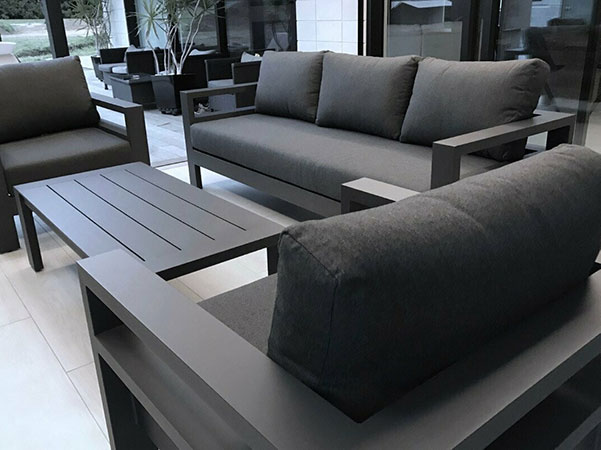
How do aluminum furniture parts enhance the overall aesthetics of my furniture?
Aluminum furniture parts can enhance the overall aesthetics of your furniture in several ways. Here is a detailed explanation:
1. Modern and Sleek Appearance: Aluminum has a contemporary and sleek look that can add a touch of modernity to your furniture. The clean lines and smooth surface of aluminum parts contribute to a minimalist aesthetic that is popular in modern furniture design. Whether it’s aluminum legs on a table or aluminum frames on chairs, these parts can give your furniture a stylish and up-to-date appearance.
2. Variety of Finishes: Aluminum can be finished in various ways, allowing for a wide range of design possibilities. You can choose from finishes such as powder coating, anodizing, polishing, or brushed/satin finishes to achieve different visual effects. These finishes can enhance the color, texture, and overall look of the aluminum parts, complementing the style of your furniture and creating a cohesive design theme.
3. Contrast and Accentuation: Incorporating aluminum parts into your furniture can create visual contrast and accentuate certain features. For example, using aluminum legs on a wooden table can provide a striking contrast between the warm tones of wood and the metallic sheen of aluminum. This contrast can draw attention to specific elements of your furniture, adding visual interest and making a design statement.
4. Lightweight and Airy Design: Aluminum is a lightweight material compared to many others used in furniture construction. This characteristic allows for the creation of furniture parts that appear visually light and airy. Aluminum legs or frames can give the impression of floating or suspended elements, which can contribute to an open and spacious feel in your furniture arrangement.
5. Versatile Design Possibilities: Aluminum is a highly versatile material that can be molded, shaped, and extruded into various forms. This versatility opens up a wide range of design possibilities for furniture parts. Aluminum can be used to create intricate patterns, unique shapes, or custom details that add visual appeal to your furniture. Whether you prefer a minimalist and simple design or a more ornate and decorative style, aluminum can be adapted to suit your aesthetic preferences.
6. Durability and Longevity: Aluminum is known for its durability and resistance to corrosion, making it a practical choice for furniture parts. When your furniture incorporates aluminum components, you can enjoy not only the aesthetic benefits but also the assurance of long-lasting quality. The inherent durability of aluminum ensures that your furniture will maintain its appearance and structural integrity over time.
By utilizing aluminum furniture parts, you can enhance the overall aesthetics of your furniture by introducing a modern and sleek look, utilizing a variety of finishes, creating visual contrast, achieving a lightweight design, exploring versatile design possibilities, and ensuring long-term durability. These factors contribute to an appealing and visually pleasing furniture arrangement that can elevate the aesthetic appeal of your space.
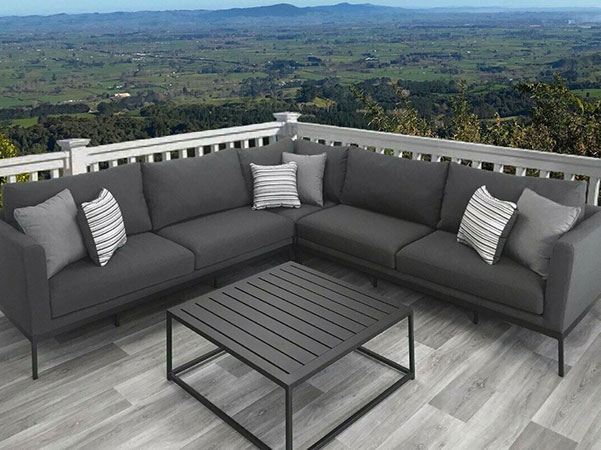
Can aluminum furniture parts withstand exposure to saltwater in coastal environments?
Yes, aluminum furniture parts can generally withstand exposure to saltwater in coastal environments. Here is a detailed explanation:
1. Corrosion Resistance: Aluminum is naturally resistant to corrosion, which makes it well-suited for coastal environments where saltwater is present. The oxide layer that forms on the surface of aluminum provides a protective barrier against saltwater, preventing direct contact between the metal and the corrosive elements. This corrosion resistance helps to maintain the structural integrity and appearance of aluminum furniture parts over time.
2. Anodized Aluminum: Anodizing is an additional surface treatment process that can further enhance the corrosion resistance of aluminum. Anodized aluminum undergoes an electrochemical process that thickens the natural oxide layer on the surface, creating a more durable and protective coating. Anodized aluminum furniture parts are even more resistant to saltwater exposure and can withstand the harsh coastal environment with minimal corrosion or degradation.
3. Proper Maintenance: While aluminum furniture parts are generally resistant to saltwater, proper maintenance is still important to ensure their longevity. Regular cleaning with fresh water and mild soap is recommended to remove any salt residue or other contaminants. Avoid using abrasive cleaners or materials that can scratch the surface of the aluminum. Periodically inspect the furniture parts for any signs of corrosion or damage and address any issues promptly.
4. Protective Finishes: Applying a protective finish, such as powder coating or a clear sealant, can provide an additional layer of protection for aluminum furniture parts in coastal environments. Powder coating creates a durable and corrosion-resistant barrier on the surface, while a clear sealant can help seal the aluminum and prevent direct exposure to saltwater. These finishes not only enhance the corrosion resistance but also offer aesthetic options to match your desired style.
5. Stainless Steel Hardware: When assembling aluminum furniture parts for coastal environments, using stainless steel hardware is recommended. Stainless steel is highly resistant to corrosion caused by saltwater, ensuring that the fasteners and connectors used in the furniture assembly remain strong and intact. Using stainless steel hardware helps maintain the overall integrity of the furniture and prevents potential issues due to corrosion.
While aluminum furniture parts are generally well-suited for coastal environments, it’s important to note that prolonged exposure to saltwater can still cause some degree of corrosion over time. Regular maintenance, including cleaning and inspection, will help identify and address any issues before they become significant. Additionally, choosing high-quality aluminum materials, considering anodized or protective finishes, and using stainless steel hardware can further enhance the ability of aluminum furniture parts to withstand saltwater exposure in coastal environments.

What are the advantages of using lightweight aluminum parts for furniture?
Using lightweight aluminum parts for furniture offers several advantages. Here is a detailed explanation of the benefits of utilizing lightweight aluminum parts in furniture construction:
- 1. Ease of Handling and Transport:
- 2. Versatility in Design:
- 3. Durability:
- 4. Energy Efficiency:
- 5. Environmentally Friendly:
- 6. Resistance to Insects and Moisture:
Aluminum is a lightweight material, making furniture with aluminum parts easier to handle and transport. Compared to furniture made from heavier materials, aluminum furniture is often more portable and can be moved around with greater convenience. This is particularly beneficial for outdoor furniture or furniture that needs to be frequently rearranged.
The lightweight nature of aluminum allows for greater design versatility. Aluminum furniture parts can be easily shaped, bent, or extruded into various profiles and forms. This flexibility in design enables the creation of furniture with unique shapes, curves, and intricate details that may not be achievable with other materials. It opens up possibilities for innovative and contemporary furniture designs.
Despite being lightweight, aluminum is a durable and robust material. It offers good resistance to corrosion, making it suitable for both indoor and outdoor furniture. Aluminum furniture parts are less prone to rust or degradation over time, ensuring longevity and reducing the need for frequent maintenance.
Aluminum is an energy-efficient material. Its lightweight nature requires less energy for transportation and handling compared to furniture made from heavier materials. Additionally, aluminum has excellent thermal conductivity, which means it can quickly absorb and dissipate heat. This property contributes to energy efficiency in furniture by minimizing heat buildup and reducing the need for additional insulation.
Aluminum is a highly recyclable material. Using lightweight aluminum parts in furniture contributes to environmental sustainability. Aluminum can be recycled repeatedly without losing its properties, reducing the demand for virgin materials and minimizing waste. Additionally, the energy required for recycling aluminum is considerably lower compared to the production of new aluminum, resulting in reduced carbon emissions.
Aluminum is naturally resistant to insects, pests, and moisture. Unlike wood, which can be susceptible to rot or termite damage, aluminum furniture parts are not prone to these issues. This makes aluminum a suitable choice for outdoor furniture or furniture placed in humid environments.
These advantages make lightweight aluminum parts an attractive option for furniture construction. The combination of ease of handling, design versatility, durability, energy efficiency, environmental friendliness, and resistance to insects and moisture makes aluminum an ideal material for various types of furniture, including indoor and outdoor pieces.
editor by CX 2023-12-14
China factory China Accessories CHINAMFG Air Compressor for Powder Tank Trailer Hycw-12/2 Car Oil Free Screw Air Compressor air compressor price
Product Description
China Accessories CHINAMFG Air Compressor For Powder tank trailer HYCW-12/2 Car oil free screw air compressor
Product Description
Product features:
1:Larger gas production, higher gas production cleanliness;
2:Higher efficiency, faster discharge, less fuel consumption;
3: Smaller volume, lighter weight, more loading;
4: the mechanism is simpler, the maintenance is more convenient, and the service life is longer;
5: the main car engine is installed in direct drive, without independent diesel engine;
6: Multi-inlet and exhaust port design, a variety of suspension fixed installation methods, adapt to different working conditions;
7: Built-in lubricating oil pump to ensure good lubrication of main bearings and gears.
Detailed Photos
Product Parameters
| Machine type | HYCW-12/2 Car oil free screw air compressor | |
| item | unit | Parameter value |
| Air displacement | m3 / min | 12 |
| Exhaust pressure | MPa | 0.2 |
| Shaft power | KW | ≤42 |
| Specific power | KW / m3 . min -1 | 3.5 |
| Inspiratory temperature | ºC | ≤40 |
| Exhaust temperature | ºC | ≤200 |
| Lubricating oil temperature | ºC | 80 |
| cleanliness | Mg | 640 |
| noise | Db ( A ) | 96 |
| weight | KG | 128 |
| Rotational speed | r / min | 1000 |
| torque | N . M | 425 |
| Continuous running time | Min | ≤60 |
| Overall dimension | mm (Length * width * height) | 570 * 390 * 427 |
| Installation position | The mounted below of Car chassis | |
Company Profile
Rongheng times (ZheJiang ) International Trade Services Co. , Ltd. is mainly engaged in the Air compressor and special purpose vehicles.
Air compressor including oil-free lubrication pendulum air compressor and screw air compressor 2 series of more than 20 kinds of products. As a manufacturer of Compressed air systems, the company has always advocated for customized Compressed air solutions and long-term quality services for specific industry applications.
The leading products of special vehicles are tank-type special vehicles, which include fluid material transport equipment such as concrete mixer, powder material transport vehicles, liquid transport vehicles, and special equipment for sanitation and animal husbandry, at present, the annual production capacity of more than 10,000 units.
Our Advantages
The products cover 31 provinces, cities and autonomous regions, and export to more than 50 countries and regions.
Get Quality Products to you faster and better.
FAQ
Q1. Do you test all your goods before delivery?
A1: Yes, we have 100% test before delivery
Q2. What is your terms of delivery?
A2: EXW, FOB, CFR, CIF, DDU…As for the payment terms,it depends on the total amount.
Q3. What is the average delivery time?
A3: Usually takes about 10-20 days . The specific delivery time depends on the items and the quantity of your order.
Q4. What is the Payment term?
A4: By T/T before shipment or By L/C at sight.
Q5. During shipping, if there is a damage to products, how do you get replacement?
A5:Firstly, we should investigate the reason cause the damage. At the same time, we will claim for the insurance by ourselves or assist the buyer. Secondly we will send the replacement to the buyer. The responsible person for above damage will take charge of the cost of the replacement.
| After-sales Service: | on-Line 7*24h |
|---|---|
| Warranty: | 6 Months |
| Lubrication Style: | Oil-free |
| Cooling System: | Air Cooling |
| Cylinder Position: | Horizontal |
| Structure Type: | Closed Type |
| Customization: |
Available
|
|
|---|
.webp)
Can air compressors be used for painting and sandblasting?
Yes, air compressors can be used for both painting and sandblasting applications. Here’s a closer look at how air compressors are utilized for painting and sandblasting:
Painting:
Air compressors are commonly used in painting processes, especially in automotive, industrial, and construction applications. Here’s how they are involved:
- Spray Guns: Air compressors power spray guns used for applying paint coatings. The compressed air atomizes the paint, creating a fine mist that can be evenly sprayed onto surfaces. The pressure and volume of the compressed air impact the spray pattern, coverage, and overall finish quality.
- Paint Mixers and Agitators: Compressed air is often used to power mixers and agitators that ensure proper blending of paint components. These devices use the compressed air to stir or circulate the paint, preventing settling and maintaining a consistent mixture.
- Airbrushing: Air compressors are essential for airbrushing techniques, which require precise control over airflow and pressure. Airbrushes are commonly used in artistic applications, such as illustrations, murals, and fine detailing work.
Sandblasting:
Air compressors play a crucial role in sandblasting operations, which involve propelling abrasive materials at high velocity to clean, etch, or prepare surfaces. Here’s how air compressors are used in sandblasting:
- Blasting Cabinets: Air compressors power blasting cabinets or booths, which are enclosed spaces where the sandblasting process takes place. The compressed air propels the abrasive media, such as sand or grit, through a nozzle or gun, creating a forceful stream that impacts the surface being treated.
- Abrasive Blasting Pots: Air compressors supply air to abrasive blasting pots or tanks that store and pressurize the abrasive media. The compressed air from the compressor enters the pot, pressurizing it and allowing for a controlled release of the abrasive material during the sandblasting process.
- Air Dryers and Filters: In sandblasting applications, it is crucial to have clean, dry air to prevent moisture and contaminants from affecting the abrasive blasting process and the quality of the surface being treated. Air compressors may be equipped with air dryers and filters to remove moisture, oil, and impurities from the compressed air.
When using air compressors for painting or sandblasting, it is important to consider factors such as the compressor’s pressure and volume output, the specific requirements of the application, and the type of tools or equipment being used. Consult the manufacturer’s guidelines and recommendations to ensure the air compressor is suitable for the intended painting or sandblasting tasks.
Proper safety measures, such as wearing protective gear and following established protocols, should always be followed when working with air compressors for painting and sandblasting applications.
.webp)
How are air compressors employed in the mining industry?
Air compressors play a crucial role in the mining industry, providing reliable and efficient power for various mining operations. Here are some common applications of air compressors in mining:
1. Exploration and Drilling:
Air compressors are used during exploration and drilling activities in the mining industry. Compressed air is used to power drilling rigs, pneumatic hammers, and other drilling equipment. The high-pressure air generated by the compressor helps in drilling boreholes, extracting core samples, and exploring potential mineral deposits.
2. Ventilation and Air Quality Control:
Air compressors are employed in underground mining to provide ventilation and control air quality. Compressed air is used to operate ventilation fans and air circulation systems, ensuring adequate airflow and removing harmful gases, dust, and fumes from the mining tunnels and work areas.
3. Material Conveyance:
In mining operations, air compressors are used for material conveyance. Pneumatic systems powered by air compressors are utilized to transport materials such as coal, ore, and other minerals. Compressed air is used to operate pneumatic conveyors, pumps, and material handling equipment, allowing for efficient and controlled movement of bulk materials.
4. Dust Suppression:
Air compressors are employed for dust suppression in mining areas. Compressed air is used to spray water or other suppressants to control dust generated during mining activities. This helps in maintaining a safe and healthy work environment, reducing the risks associated with dust inhalation and improving visibility.
5. Instrumentation and Control:
Air compressors are used for instrumentation and control purposes in mining operations. Compressed air is utilized to power pneumatic control systems, control valves, and actuators. These systems regulate the flow of fluids, control equipment movements, and ensure the proper functioning of various mining processes.
6. Explosive Applications:
In mining, air compressors are used for explosive applications. Compressed air is employed to power pneumatic tools used for rock fragmentation, such as rock drills and pneumatic breakers. The controlled power of compressed air enables safe and efficient rock breaking without the need for traditional explosives.
7. Maintenance and Repair:
Air compressors are essential for maintenance and repair activities in the mining industry. Compressed air is used for cleaning machinery, removing debris, and powering pneumatic tools for equipment maintenance and repair tasks. The versatility and portability of air compressors make them valuable assets in maintaining mining equipment.
It is important to note that different mining operations may have specific requirements and considerations when selecting and using air compressors. The size, capacity, and features of air compressors can vary based on the specific mining application and environmental conditions.
By utilizing air compressors effectively, the mining industry can benefit from increased productivity, improved safety, and efficient operation of various mining processes.
.webp)
What maintenance is required for air compressors?
Maintaining air compressors is essential to ensure their optimal performance, longevity, and safe operation. Regular maintenance helps prevent breakdowns, improves efficiency, and reduces the risk of accidents. Here are some key maintenance tasks for air compressors:
1. Regular Inspection: Perform visual inspections of the air compressor to identify any signs of wear, damage, or leaks. Inspect the compressor, hoses, fittings, and connections for any abnormalities. Pay attention to oil leaks, loose bolts, and worn-out components.
2. Oil Changes: If your air compressor has an oil lubrication system, regular oil changes are crucial. Follow the manufacturer’s recommendations for the frequency of oil changes and use the recommended oil type. Dirty or degraded oil can impact compressor performance and lead to premature wear.
3. Air Filter Cleaning or Replacement: Clean or replace the air filter regularly to ensure proper air intake and prevent contaminants from entering the compressor. Clogged or dirty filters can restrict airflow and reduce efficiency.
4. Drain Moisture: Air compressors produce moisture as a byproduct of the compression process. Accumulated moisture in the tank can lead to rust and corrosion. Drain the moisture regularly from the tank to prevent damage. Some compressors have automatic drains, while others require manual draining.
5. Belt Inspection and Adjustment: If your compressor has a belt-driven system, inspect the belts for signs of wear, cracks, or tension issues. Adjust or replace the belts as necessary to maintain proper tension and power transmission.
6. Tank Inspection: Inspect the compressor tank for any signs of corrosion, dents, or structural issues. A damaged tank can be hazardous and should be repaired or replaced promptly.
7. Valve Maintenance: Check the safety valves, pressure relief valves, and other valves regularly to ensure they are functioning correctly. Test the valves periodically to verify their proper operation.
8. Motor and Electrical Components: Inspect the motor and electrical components for any signs of damage or overheating. Check electrical connections for tightness and ensure proper grounding.
9. Keep the Area Clean: Maintain a clean and debris-free area around the compressor. Remove any dirt, dust, or obstructions that can hinder the compressor’s performance or cause overheating.
10. Follow Manufacturer’s Guidelines: Always refer to the manufacturer’s manual for specific maintenance instructions and recommended service intervals for your air compressor model. They provide valuable information on maintenance tasks, lubrication requirements, and safety precautions.
Regular maintenance is vital to keep your air compressor in optimal condition and extend its lifespan. It’s also important to note that maintenance requirements may vary depending on the type, size, and usage of the compressor. By following a comprehensive maintenance routine, you can ensure the reliable operation of your air compressor and maximize its efficiency and longevity.


editor by CX 2023-12-14
China Custom Air Compressor (ACW70250-DI) air compressor parts
Product Description
Generator: 3KW 4HP
Storage Volume: 250L
Cylinder[Diameter× No. (mm)]: 70× 3(mm)
Exhaust Volume: 420(L/min)
Rating Pressure: 8Bar
Heaviness: 175kg
Dimension[L× W× H(cm)]: 68× 63× 122(cm)
| Our service 1. 1% of order amount free parts for replacement. 2. 1 year warranty since conatiner arrive port of destination . 3. 2 post lifts, alignment lifts, parking lifts, mid-rise lifts, scissor lifts, and high-rise lifts are warranted for 5 (5) years on structural components and 1 (1) year on electric or air / hydraulic power units and cylinders effective since date of arrive port of destination. 4. Any parts which broken for quality reason will be replaced via courier within 1 week. If any question you can find 24 hours 365 days at: Mob: 18017229377 Linkedin: 18017229377 FAQ |
| Lubrication Style: | Lubricated |
|---|---|
| Cooling System: | Air Cooling |
| Cylinder Position: | Vertical |
| Structure Type: | Closed Type |
| Installation Type: | Movable Type |
| Generator: | 3kw 4HP |
.webp)
How are air compressors used in the food and beverage industry?
Air compressors play a vital role in the food and beverage industry, providing a reliable source of compressed air for various applications. Here are some common uses of air compressors in this industry:
1. Packaging and Filling:
Air compressors are extensively used in packaging and filling operations in the food and beverage industry. Compressed air is utilized to power pneumatic systems that control the movement and operation of packaging machinery, such as filling machines, capping machines, labeling equipment, and sealing devices. The precise and controlled delivery of compressed air ensures accurate and efficient packaging of products.
2. Cleaning and Sanitization:
Air compressors are employed for cleaning and sanitization purposes in food and beverage processing facilities. Compressed air is used to operate air-powered cleaning equipment, such as air blowguns, air-operated vacuum systems, and air knives. It helps remove debris, dust, and contaminants from production lines, equipment, and hard-to-reach areas. Additionally, compressed air is used for drying surfaces after cleaning and for applying sanitizing agents.
3. Cooling and Refrigeration:
In the food and beverage industry, air compressors are utilized in cooling and refrigeration systems. Compressed air is used to drive air compressors in refrigeration units, enabling the circulation of refrigerants and maintaining optimal temperatures for food storage and preservation. The controlled airflow provided by the compressors facilitates efficient cooling and refrigeration processes.
4. Aeration and Mixing:
Air compressors are used for aeration and mixing applications in the food and beverage industry. Compressed air is introduced into processes such as fermentation, dough mixing, and wastewater treatment. It helps in promoting oxygen transfer, enhancing microbial activity, and facilitating proper mixing of ingredients or substances, contributing to the desired quality and consistency of food and beverage products.
5. Pneumatic Conveying:
In food processing plants, air compressors are employed for pneumatic conveying systems. Compressed air is used to transport bulk materials such as grains, powders, and ingredients through pipes or tubes. It enables the gentle and efficient movement of materials without the need for mechanical conveyors, reducing the risk of product damage or contamination.
6. Quality Control and Testing:
Air compressors are utilized in quality control and testing processes within the food and beverage industry. Compressed air is used for leak testing of packaging materials, containers, and seals to ensure product integrity. It is also employed for spraying air or gases during sensory analysis and flavor testing.
7. Air Agitation:
In certain food and beverage production processes, air compressors are used for air agitation. Compressed air is introduced into tanks, mixing vessels, or fermentation tanks to create turbulence and promote mixing or chemical reactions. It aids in achieving consistent product quality and uniform distribution of ingredients or additives.
It is important to note that air compressors used in the food and beverage industry must meet strict hygiene and safety standards. They may require specific filtration systems, oil-free operation, and compliance with food safety regulations to prevent contamination or product spoilage.
By utilizing air compressors effectively, the food and beverage industry can benefit from improved productivity, enhanced product quality, and efficient processing operations.
Can air compressors be used for medical and dental applications?
Yes, air compressors can be used for various medical and dental applications. Compressed air is a reliable and versatile utility in healthcare settings, providing power for numerous devices and procedures. Here are some common applications of air compressors in medical and dental fields:
1. Dental Tools:
Air compressors power a wide range of dental tools and equipment, such as dental handpieces, air syringes, air scalers, and air abrasion devices. These tools rely on compressed air to generate the necessary force and airflow for effective dental procedures.
2. Medical Devices:
Compressed air is used in various medical devices and equipment. For example, ventilators and anesthesia machines utilize compressed air to deliver oxygen and other gases to patients. Nebulizers, used for respiratory treatments, also rely on compressed air to convert liquid medications into a fine mist for inhalation.
3. Laboratory Applications:
Air compressors are used in medical and dental laboratories for various purposes. They power laboratory instruments, such as air-driven centrifuges and sample preparation equipment. Compressed air is also used for pneumatic controls and automation systems in lab equipment.
4. Surgical Tools:
In surgical settings, compressed air is employed to power specialized surgical tools. High-speed air-driven surgical drills, saws, and bone-cutting instruments are commonly used in orthopedic and maxillofacial procedures. Compressed air ensures precise control and efficiency during surgical interventions.
5. Sterilization and Autoclaves:
Compressed air is essential for operating sterilization equipment and autoclaves. Autoclaves use steam generated by compressed air to sterilize medical instruments, equipment, and supplies. The pressurized steam provides effective disinfection and ensures compliance with rigorous hygiene standards.
6. Dental Air Compressors:
Specialized dental air compressors are designed specifically for dental applications. These compressors have features such as moisture separators, filters, and noise reduction mechanisms to meet the specific requirements of dental practices.
7. Air Quality Standards:
In medical and dental applications, maintaining air quality is crucial. Compressed air used in healthcare settings must meet specific purity standards. This often requires the use of air treatment systems, such as filters, dryers, and condensate management, to ensure the removal of contaminants and moisture.
8. Compliance and Regulations:
Medical and dental facilities must comply with applicable regulations and guidelines regarding the use of compressed air. These regulations may include requirements for air quality, maintenance and testing procedures, and documentation of system performance.
It is important to note that medical and dental applications have specific requirements and standards. Therefore, it is essential to choose air compressors and associated equipment that meet the necessary specifications and comply with industry regulations.
.webp)
How does an air compressor work?
An air compressor works by using mechanical energy to compress and pressurize air, which is then stored and used for various applications. Here’s a detailed explanation of how an air compressor operates:
1. Air Intake: The air compressor draws in ambient air through an intake valve or filter. The air may pass through a series of filters to remove contaminants such as dust, dirt, and moisture, ensuring the compressed air is clean and suitable for its intended use.
2. Compression: The intake air enters a compression chamber, typically consisting of one or more pistons or a rotating screw mechanism. As the piston moves or the screw rotates, the volume of the compression chamber decreases, causing the air to be compressed. This compression process increases the pressure and reduces the volume of the air.
3. Pressure Build-Up: The compressed air is discharged into a storage tank or receiver where it is held at a high pressure. The tank allows the compressed air to be stored for later use and helps to maintain a consistent supply of compressed air, even during periods of high demand.
4. Pressure Regulation: Air compressors often have a pressure regulator that controls the output pressure of the compressed air. This allows the user to adjust the pressure according to the requirements of the specific application. The pressure regulator ensures that the compressed air is delivered at the desired pressure level.
5. Release and Use: When compressed air is needed, it is released from the storage tank or receiver through an outlet valve or connection. The compressed air can then be directed to the desired application, such as pneumatic tools, air-operated machinery, or other pneumatic systems.
6. Continued Operation: The air compressor continues to operate as long as there is a demand for compressed air. When the pressure in the storage tank drops below a certain level, the compressor automatically starts again to replenish the compressed air supply.
Additionally, air compressors may include various components such as pressure gauges, safety valves, lubrication systems, and cooling mechanisms to ensure efficient and reliable operation.
In summary, an air compressor works by drawing in air, compressing it to increase its pressure, storing the compressed air, regulating the output pressure, and releasing it for use in various applications. This process allows for the generation of a continuous supply of compressed air for a wide range of industrial, commercial, and personal uses.
editor by CX 2023-12-14
China manufacturer Factory Price Oxygen Oil-Free Low Noise Free Maintenance Medical Oxygen Air Compressor lowes air compressor
Product Description
Factory Price Oxygen Oil-Free Low Noise Free Maintenance Medical Oxygen Air Compressor
Features:
- Light weight and very portable
- Durable and near ZERO maintenance
- Vortex Type and Thermal protection
- Power cord with plug
- Oil free and Shock Mount
- Silencer – muffler
- Stainless steel vacuum and pressure gauge, both with oil damping
- Long Working Hours
Specifications:
| Model | Frequency | Flow | Pressure | Power | Working Hour | Voltage | Heat | Sound |
| Hz | L/min | Mpa | Kw | hour | V | 0 C | dB(A) | |
| XR0.5-3.5 | 50 | 68 | <0.35 | 0.50 | >10000 | 210/235 | -20-40 | 41 |
| 60 | 68 | <0.35 | 0.50 | >10000 | 110/125 | -20-40 | 41 | |
| XR0.55A-2.4 | 50 | 130 | <0.24 | 0.55 | >10000 | 210/235 | -20-40 | 43 |
| 60 | 130 | <0.24 | 0.55 | >10000 | 110/125 | -20-40 | 43 | |
| XR0.75A-8 | 50 | 60 | <0.80 | 0.75 | >10000 | 210/235 | -20-40 | 48 |
| 60 | 60 | <0.80 | 0.75 | >10000 | 110/125 | -20-40 | 48 | |
| XR1.5A-8 | 50 | 130 | <0.80 | 0.75 | >10000 | 210/235 | -20-40 | 50 |
| 60 | 130 | <0.80 | 0.75 | >10000 | 110/125 | -20-40 | 50 |
Related Products
Certificate:
Package:
Shipping:
Our Service:
| After-sales Service: | on-Line After-Sales Service |
|---|---|
| Warranty: | Life Time |
| Principle: | Vortex |
| Application: | Back Pressure Type, Intermediate Back Pressure Type, High Back Pressure Type, Low Back Pressure Type |
| Performance: | Low Noise |
| Mute: | Mute |
| Customization: |
Available
|
|
|---|
.webp)
What are the differences between stationary and portable air compressors?
Stationary and portable air compressors are two common types of air compressors with distinct features and applications. Here are the key differences between them:
1. Mobility:
The primary difference between stationary and portable air compressors is their mobility. Stationary air compressors are designed to be permanently installed in a fixed location, such as a workshop or a factory. They are typically larger, heavier, and not easily movable. On the other hand, portable air compressors are smaller, lighter, and equipped with handles or wheels for easy transportation. They can be moved from one location to another, making them suitable for jobsites, construction sites, and other mobile applications.
2. Power Source:
Another difference lies in the power source used by stationary and portable air compressors. Stationary compressors are usually powered by electricity, as they are designed for continuous operation in a fixed location with access to power outlets. They are connected to the electrical grid or have dedicated wiring. In contrast, portable compressors are available in various power options, including electric, gasoline, and diesel engines. This versatility allows them to operate in remote areas or sites without readily available electricity.
3. Tank Capacity:
Tank capacity is also a distinguishing factor between stationary and portable air compressors. Stationary compressors often have larger storage tanks to store compressed air for extended periods. The larger tanks enable them to deliver a continuous and steady supply of compressed air for longer durations without the need for frequent cycling. Portable compressors, due to their compact size and portability, generally have smaller tank capacities, which may be sufficient for intermittent or smaller-scale applications.
4. Performance and Output:
The performance and output capabilities of stationary and portable air compressors can vary. Stationary compressors are typically designed for high-volume applications that require a consistent and continuous supply of compressed air. They often have higher horsepower ratings, larger motor sizes, and higher air delivery capacities. Portable compressors, while generally offering lower horsepower and air delivery compared to their stationary counterparts, are still capable of delivering sufficient air for a range of applications, including pneumatic tools, inflation tasks, and light-duty air-powered equipment.
5. Noise Level:
Noise level is an important consideration when comparing stationary and portable air compressors. Stationary compressors, being larger and built for industrial or commercial settings, are often equipped with noise-reducing features such as sound insulation and vibration dampening. They are designed to operate at lower noise levels, which is crucial for maintaining a comfortable working environment. Portable compressors, while efforts are made to reduce noise, may produce higher noise levels due to their compact size and portability.
6. Price and Cost:
Stationary and portable air compressors also differ in terms of price and cost. Stationary compressors are generally more expensive due to their larger size, higher power output, and industrial-grade construction. They often require professional installation and may involve additional costs such as electrical wiring and system setup. Portable compressors, being smaller and more versatile, tend to have a lower upfront cost. They are suitable for individual users, contractors, and small businesses with budget constraints or flexible air supply needs.
When selecting between stationary and portable air compressors, it is essential to consider the specific requirements of the intended application, such as mobility, power source availability, air demands, and noise considerations. Understanding these differences will help in choosing the appropriate type of air compressor for the intended use.
.webp)
How do you maintain proper air quality in compressed air systems?
Maintaining proper air quality in compressed air systems is essential to ensure the reliability and performance of pneumatic equipment and the safety of downstream processes. Here are some key steps to maintain air quality:
1. Air Filtration:
Install appropriate air filters in the compressed air system to remove contaminants such as dust, dirt, oil, and water. Filters are typically placed at various points in the system, including the compressor intake, aftercoolers, and before point-of-use applications. Regularly inspect and replace filters to ensure their effectiveness.
2. Moisture Control:
Excessive moisture in compressed air can cause corrosion, equipment malfunction, and compromised product quality. Use moisture separators or dryers to remove moisture from the compressed air. Refrigerated dryers, desiccant dryers, or membrane dryers are commonly employed to achieve the desired level of dryness.
3. Oil Removal:
If the compressed air system utilizes oil-lubricated compressors, it is essential to incorporate proper oil removal mechanisms. This can include coalescing filters or adsorption filters to remove oil aerosols and vapors from the air. Oil-free compressors eliminate the need for oil removal.
4. Regular Maintenance:
Perform routine maintenance on the compressed air system, including inspections, cleaning, and servicing of equipment. This helps identify and address any potential issues that may affect air quality, such as leaks, clogged filters, or malfunctioning dryers.
5. Air Receiver Tank Maintenance:
Regularly drain and clean the air receiver tank to remove accumulated contaminants, including water and debris. Proper maintenance of the tank helps prevent contamination from being introduced into the compressed air system.
6. Air Quality Testing:
Periodically test the quality of the compressed air using appropriate instruments and methods. This can include measuring particle concentration, oil content, dew point, and microbial contamination. Air quality testing provides valuable information about the effectiveness of the filtration and drying processes and helps ensure compliance with industry standards.
7. Education and Training:
Educate personnel working with compressed air systems about the importance of air quality and the proper procedures for maintaining it. Provide training on the use and maintenance of filtration and drying equipment, as well as awareness of potential contaminants and their impact on downstream processes.
8. Documentation and Record-Keeping:
Maintain accurate records of maintenance activities, including filter replacements, drying system performance, and air quality test results. Documentation helps track the system’s performance over time and provides a reference for troubleshooting or compliance purposes.
By implementing these practices, compressed air systems can maintain proper air quality, minimize equipment damage, and ensure the integrity of processes that rely on compressed air.
.webp)
What is the impact of tank size on air compressor performance?
The tank size of an air compressor plays a significant role in its performance and functionality. Here are the key impacts of tank size:
1. Air Storage Capacity: The primary function of the air compressor tank is to store compressed air. A larger tank size allows for greater air storage capacity. This means the compressor can build up a reserve of compressed air, which can be useful for applications that require intermittent or fluctuating air demand. Having a larger tank ensures a steady supply of compressed air during peak usage periods.
2. Run Time: The tank size affects the run time of the air compressor. A larger tank can provide longer continuous operation before the compressor motor needs to restart. This is because the compressed air in the tank can be used to meet the demand without the need for the compressor to run continuously. It reduces the frequency of motor cycling, which can improve energy efficiency and prolong the motor’s lifespan.
3. Pressure Stability: A larger tank helps maintain stable pressure during usage. When the compressor is running, it fills the tank until it reaches a specified pressure level, known as the cut-out pressure. As the air is consumed from the tank, the pressure drops to a certain level, known as the cut-in pressure, at which point the compressor restarts to refill the tank. A larger tank size results in a slower pressure drop during usage, ensuring more consistent and stable pressure for the connected tools or equipment.
4. Duty Cycle: The duty cycle refers to the amount of time an air compressor can operate within a given time period. A larger tank size can increase the duty cycle of the compressor. The compressor can run for longer periods before reaching its duty cycle limit, reducing the risk of overheating and improving overall performance.
5. Tool Compatibility: The tank size can also impact the compatibility with certain tools or equipment. Some tools, such as high-demand pneumatic tools or spray guns, require a continuous and adequate supply of compressed air. A larger tank size ensures that the compressor can meet the air demands of such tools without causing pressure drops or affecting performance.
It is important to note that while a larger tank size offers advantages in terms of air storage and performance, it also results in a larger and heavier compressor unit. Consider the intended application, available space, and portability requirements when selecting an air compressor with the appropriate tank size.
Ultimately, the optimal tank size for an air compressor depends on the specific needs of the user and the intended application. Assess the air requirements, duty cycle, and desired performance to determine the most suitable tank size for your air compressor.
editor by CX 2023-12-14
China Standard CHINAMFG RC-5010 Portable Air Compressor 2800rpm Motor Capacity Oil Less Silent Type 50L Latest Model Heavy Duty Air Compressor air compressor for car
Product Description
Ronix Model RC-5571 Air Compressor
Product Parameters
| Product Information | |
| Power | 2HP |
| Voltage | 220V~240V |
| No load speed | 28000rpm |
| Tank capacity | 50L |
| Max pressure | 8 bar |
Product Description
Features:
Thermo switch system to control the motor’s temperature while operating;
Two big body quick couplers for fast connection;
Equipped with CE standard safety valve;
With wheels easy to carry.
Packaging & Shipping
| Packing Information | |
| Package | Color box and carton |
| Quantity | 1pc/box & 1pcs/carton |
| Carton size | 69*32*74cm |
| NW/GW | 30/33KG |
Company Profile
Ronix is the international brand specialized in different kinds of tools such as Hand tools, Power Tools, Air Tools, Wood Working Tools, Cutting Tools, Welding Tools and Accessories for over 10 years with the premium quality collection of the tools which make CHINAMFG as the unique tools brand in the world on the basis of Variety.
Ronix tries to get the satisfaction of all users by providing Premium Quality products and services in the field of Hand Tools, Air Tools, Power Tool, Wood Working Tools…and also providing an appropriate combination of price, quality, satisfying services and fast delivery.
Its products are provided based on 3 fundamental factors:
1) Quality
2) Variety
3) Reliabiliy
| After-sales Service: | Online Support |
|---|---|
| Warranty: | 1 Year |
| Principle: | Centrifugal Compressor |
| Samples: |
US$ 160/Piece
1 Piece(Min.Order) | Order Sample |
|---|
| Customization: |
Available
|
|
|---|
.shipping-cost-tm .tm-status-off{background: none;padding:0;color: #1470cc}
|
Shipping Cost:
Estimated freight per unit. |
about shipping cost and estimated delivery time. |
|---|
| Payment Method: |
|
|---|---|
|
Initial Payment Full Payment |
| Currency: | US$ |
|---|
| Return&refunds: | You can apply for a refund up to 30 days after receipt of the products. |
|---|
What is the impact of humidity on compressed air quality?
Humidity can have a significant impact on the quality of compressed air. Compressed air systems often draw in ambient air, which contains moisture in the form of water vapor. When this air is compressed, the moisture becomes concentrated, leading to potential issues in the compressed air. Here’s an overview of the impact of humidity on compressed air quality:
1. Corrosion:
High humidity in compressed air can contribute to corrosion within the compressed air system. The moisture in the air can react with metal surfaces, leading to rust and corrosion in pipes, tanks, valves, and other components. Corrosion not only weakens the structural integrity of the system but also introduces contaminants into the compressed air, compromising its quality and potentially damaging downstream equipment.
2. Contaminant Carryover:
Humidity in compressed air can cause carryover of contaminants. Water droplets formed due to condensation can carry particulates, oil, and other impurities present in the air. These contaminants can then be transported along with the compressed air, leading to fouling of filters, clogging of pipelines, and potential damage to pneumatic tools, machinery, and processes.
3. Decreased Efficiency of Pneumatic Systems:
Excessive moisture in compressed air can reduce the efficiency of pneumatic systems. Water droplets can obstruct or block the flow of air, leading to decreased performance of pneumatic tools and equipment. Moisture can also cause problems in control valves, actuators, and other pneumatic devices, affecting their responsiveness and accuracy.
4. Product Contamination:
In industries where compressed air comes into direct contact with products or processes, high humidity can result in product contamination. Moisture in compressed air can mix with sensitive products, leading to quality issues, spoilage, or even health hazards in industries such as food and beverage, pharmaceuticals, and electronics manufacturing.
5. Increased Maintenance Requirements:
Humidity in compressed air can increase the maintenance requirements of a compressed air system. Moisture can accumulate in filters, separators, and other air treatment components, necessitating frequent replacement or cleaning. Excessive moisture can also lead to the growth of bacteria, fungus, and mold within the system, requiring additional cleaning and maintenance efforts.
6. Adverse Effects on Instrumentation:
Humidity can adversely affect instrumentation and control systems that rely on compressed air. Moisture can disrupt the accuracy and reliability of pressure sensors, flow meters, and other pneumatic instruments, leading to incorrect measurements and control signals.
To mitigate the impact of humidity on compressed air quality, various air treatment equipment is employed, including air dryers, moisture separators, and filters. These devices help remove moisture from the compressed air, ensuring that the air supplied is dry and of high quality for the intended applications.
.webp)
What are the environmental considerations when using air compressors?
When using air compressors, there are several environmental considerations to keep in mind. Here’s an in-depth look at some of the key factors:
Energy Efficiency:
Energy efficiency is a crucial environmental consideration when using air compressors. Compressing air requires a significant amount of energy, and inefficient compressors can consume excessive power, leading to higher energy consumption and increased greenhouse gas emissions. It is important to choose energy-efficient air compressors that incorporate features such as Variable Speed Drive (VSD) technology and efficient motor design, as they can help minimize energy waste and reduce the carbon footprint.
Air Leakage:
Air leakage is a common issue in compressed air systems and can contribute to energy waste and environmental impact. Leaks in the system result in the continuous release of compressed air, requiring the compressor to work harder and consume more energy to maintain the desired pressure. Regular inspection and maintenance of the compressed air system to detect and repair leaks can help reduce air loss and improve overall energy efficiency.
Noise Pollution:
Air compressors can generate significant noise levels during operation, which can contribute to noise pollution. Prolonged exposure to high noise levels can have detrimental effects on human health and well-being and can also impact the surrounding environment and wildlife. It is important to consider noise reduction measures such as sound insulation, proper equipment placement, and using quieter compressor models to mitigate the impact of noise pollution.
Emissions:
While air compressors do not directly emit pollutants, the electricity or fuel used to power them can have an environmental impact. If the electricity is generated from fossil fuels, the associated emissions from power plants contribute to air pollution and greenhouse gas emissions. Choosing energy sources with lower emissions, such as renewable energy, can help reduce the environmental impact of operating air compressors.
Proper Waste Management:
Proper waste management is essential when using air compressors. This includes the appropriate disposal of compressor lubricants, filters, and other maintenance-related materials. It is important to follow local regulations and guidelines for waste disposal to prevent contamination of soil, water, or air and minimize the environmental impact.
Sustainable Practices:
Adopting sustainable practices can further reduce the environmental impact of using air compressors. This can include implementing preventive maintenance programs to optimize performance, reducing idle time, and promoting responsible use of compressed air by avoiding overpressurization and optimizing system design.
By considering these environmental factors and taking appropriate measures, it is possible to minimize the environmental impact associated with the use of air compressors. Choosing energy-efficient models, addressing air leaks, managing waste properly, and adopting sustainable practices can contribute to a more environmentally friendly operation.
What is the impact of tank size on air compressor performance?
The tank size of an air compressor plays a significant role in its performance and functionality. Here are the key impacts of tank size:
1. Air Storage Capacity: The primary function of the air compressor tank is to store compressed air. A larger tank size allows for greater air storage capacity. This means the compressor can build up a reserve of compressed air, which can be useful for applications that require intermittent or fluctuating air demand. Having a larger tank ensures a steady supply of compressed air during peak usage periods.
2. Run Time: The tank size affects the run time of the air compressor. A larger tank can provide longer continuous operation before the compressor motor needs to restart. This is because the compressed air in the tank can be used to meet the demand without the need for the compressor to run continuously. It reduces the frequency of motor cycling, which can improve energy efficiency and prolong the motor’s lifespan.
3. Pressure Stability: A larger tank helps maintain stable pressure during usage. When the compressor is running, it fills the tank until it reaches a specified pressure level, known as the cut-out pressure. As the air is consumed from the tank, the pressure drops to a certain level, known as the cut-in pressure, at which point the compressor restarts to refill the tank. A larger tank size results in a slower pressure drop during usage, ensuring more consistent and stable pressure for the connected tools or equipment.
4. Duty Cycle: The duty cycle refers to the amount of time an air compressor can operate within a given time period. A larger tank size can increase the duty cycle of the compressor. The compressor can run for longer periods before reaching its duty cycle limit, reducing the risk of overheating and improving overall performance.
5. Tool Compatibility: The tank size can also impact the compatibility with certain tools or equipment. Some tools, such as high-demand pneumatic tools or spray guns, require a continuous and adequate supply of compressed air. A larger tank size ensures that the compressor can meet the air demands of such tools without causing pressure drops or affecting performance.
It is important to note that while a larger tank size offers advantages in terms of air storage and performance, it also results in a larger and heavier compressor unit. Consider the intended application, available space, and portability requirements when selecting an air compressor with the appropriate tank size.
Ultimately, the optimal tank size for an air compressor depends on the specific needs of the user and the intended application. Assess the air requirements, duty cycle, and desired performance to determine the most suitable tank size for your air compressor.
editor by CX 2023-12-13
China supplier Supply China Maglev Centrifugal Air Compressor air compressor oil
Product Description
Maglev Technology (zHangZhoug) Co,Ltd.(the company),as an enterprise providing air compressor technology consulting and service,is engaed in research and technlogical transformation of air compressor stations in textiles,texturing,and biological fementation and other industries ,as well as sales and services of maglv air compressors.
| After-sales Service: | Long Time |
|---|---|
| Warranty: | Long Time |
| Mute: | Mute |
| Impeller: | Closed |
| Cooling System: | Water Cooling |
| Lubrication Style: | Oil-Free |
| Customization: |
Available
|
|
|---|
Can air compressors be used for painting and sandblasting?
Yes, air compressors can be used for both painting and sandblasting applications. Here’s a closer look at how air compressors are utilized for painting and sandblasting:
Painting:
Air compressors are commonly used in painting processes, especially in automotive, industrial, and construction applications. Here’s how they are involved:
- Spray Guns: Air compressors power spray guns used for applying paint coatings. The compressed air atomizes the paint, creating a fine mist that can be evenly sprayed onto surfaces. The pressure and volume of the compressed air impact the spray pattern, coverage, and overall finish quality.
- Paint Mixers and Agitators: Compressed air is often used to power mixers and agitators that ensure proper blending of paint components. These devices use the compressed air to stir or circulate the paint, preventing settling and maintaining a consistent mixture.
- Airbrushing: Air compressors are essential for airbrushing techniques, which require precise control over airflow and pressure. Airbrushes are commonly used in artistic applications, such as illustrations, murals, and fine detailing work.
Sandblasting:
Air compressors play a crucial role in sandblasting operations, which involve propelling abrasive materials at high velocity to clean, etch, or prepare surfaces. Here’s how air compressors are used in sandblasting:
- Blasting Cabinets: Air compressors power blasting cabinets or booths, which are enclosed spaces where the sandblasting process takes place. The compressed air propels the abrasive media, such as sand or grit, through a nozzle or gun, creating a forceful stream that impacts the surface being treated.
- Abrasive Blasting Pots: Air compressors supply air to abrasive blasting pots or tanks that store and pressurize the abrasive media. The compressed air from the compressor enters the pot, pressurizing it and allowing for a controlled release of the abrasive material during the sandblasting process.
- Air Dryers and Filters: In sandblasting applications, it is crucial to have clean, dry air to prevent moisture and contaminants from affecting the abrasive blasting process and the quality of the surface being treated. Air compressors may be equipped with air dryers and filters to remove moisture, oil, and impurities from the compressed air.
When using air compressors for painting or sandblasting, it is important to consider factors such as the compressor’s pressure and volume output, the specific requirements of the application, and the type of tools or equipment being used. Consult the manufacturer’s guidelines and recommendations to ensure the air compressor is suitable for the intended painting or sandblasting tasks.
Proper safety measures, such as wearing protective gear and following established protocols, should always be followed when working with air compressors for painting and sandblasting applications.
Can air compressors be integrated into automated systems?
Yes, air compressors can be integrated into automated systems, providing a reliable and versatile source of compressed air for various applications. Here’s a detailed explanation of how air compressors can be integrated into automated systems:
Pneumatic Automation:
Air compressors are commonly used in pneumatic automation systems, where compressed air is utilized to power and control automated machinery and equipment. Pneumatic systems rely on the controlled release of compressed air to generate linear or rotational motion, actuating valves, cylinders, and other pneumatic components. By integrating an air compressor into the system, a continuous supply of compressed air is available to power the automation process.
Control and Regulation:
In automated systems, air compressors are often connected to a control and regulation system to manage the compressed air supply. This system includes components such as pressure regulators, valves, and sensors to monitor and adjust the air pressure, flow, and distribution. The control system ensures that the air compressor operates within the desired parameters and provides the appropriate amount of compressed air to different parts of the automated system as needed.
Sequential Operations:
Integration of air compressors into automated systems enables sequential operations to be carried out efficiently. Compressed air can be used to control the timing and sequencing of different pneumatic components, ensuring that the automated system performs tasks in the desired order and with precise timing. This is particularly useful in manufacturing and assembly processes where precise coordination of pneumatic actuators is required.
Energy Efficiency:
Air compressors can contribute to energy-efficient automation systems. By incorporating energy-saving features such as Variable Speed Drive (VSD) technology, air compressors can adjust their power output according to the demand, reducing energy consumption during periods of low activity. Additionally, efficient control and regulation systems help optimize the use of compressed air, minimizing waste and improving overall energy efficiency.
Monitoring and Diagnostics:
Integration of air compressors into automated systems often includes monitoring and diagnostic capabilities. Sensors and monitoring devices can be installed to collect data on parameters such as air pressure, temperature, and system performance. This information can be used for real-time monitoring, preventive maintenance, and troubleshooting, ensuring the reliable operation of the automated system.
When integrating air compressors into automated systems, it is crucial to consider factors such as the specific requirements of the automation process, the desired air pressure and volume, and the compatibility of the compressor with the control and regulation system. Consulting with experts in automation and compressed air systems can help in designing an efficient and reliable integration.
In summary, air compressors can be seamlessly integrated into automated systems, providing the necessary compressed air to power and control pneumatic components, enabling sequential operations, and contributing to energy-efficient automation processes.
Are there air compressors specifically designed for high-pressure applications?
Yes, there are air compressors specifically designed for high-pressure applications. These compressors are engineered to generate and deliver compressed air at significantly higher pressures than standard air compressors. Here are some key points about high-pressure air compressors:
1. Pressure Range: High-pressure air compressors are capable of producing compressed air at pressures typically ranging from 1000 to 5000 psi (pounds per square inch) or even higher. This is considerably higher than the typical range of 100 to 175 psi for standard air compressors.
2. Construction: High-pressure aircompressors feature robust construction and specialized components to withstand the higher pressures involved. They are designed with reinforced cylinders, pistons, valves, and seals that can handle the increased stress and prevent leaks or failures under high-pressure conditions.
3. Power: Generating high-pressure compressed air requires more power than standard compressors. High-pressure air compressors often have larger motors or engines to provide the necessary power to achieve the desired pressure levels.
4. Applications: High-pressure air compressors are utilized in various industries and applications where compressed air at elevated pressures is required. Some common applications include:
- Industrial manufacturing processes that involve high-pressure air for operations such as air tools, pneumatic machinery, and equipment.
- Gas and oil exploration and production, where high-pressure air is used for well drilling, well stimulation, and enhanced oil recovery techniques.
- Scuba diving and underwater operations, where high-pressure air is used for breathing apparatus and underwater tools.
- Aerospace and aviation industries, where high-pressure air is used for aircraft systems, testing, and pressurization.
- Fire services and firefighting, where high-pressure air compressors are used to fill breathing air tanks for firefighters.
5. Safety Considerations: Working with high-pressure air requires adherence to strict safety protocols. Proper training, equipment, and maintenance are crucial to ensure the safe operation of high-pressure air compressors. It is important to follow manufacturer guidelines and industry standards for high-pressure applications.
When selecting a high-pressure air compressor, consider factors such as the desired pressure range, required flow rate, power source availability, and the specific application requirements. Consult with experts or manufacturers specializing in high-pressure compressed air systems to identify the most suitable compressor for your needs.
High-pressure air compressors offer the capability to meet the demands of specialized applications that require compressed air at elevated pressures. Their robust design and ability to deliver high-pressure air make them essential tools in various industries and sectors.
editor by CX 2023-12-13
China supplier CHINAMFG Diesel Portable Air Compressor mini air compressor
Product Description
Product Description
By continuous pursuit of technological innovation, adapting to the direction of market development, and developing a more reliable and cost -effective single -stage high -voltage mobile screw air bearing. Extra comprehensive performance, more widely used in high -efficiency drilling, pipeline testing and related fields. For the use environment of extreme conditions, the unit is equipped with heavy fuel filters, large -capacity batteries, and fuel liquid heater can also be selected in the cold zone. The cooling cylinder of the cooling cylinder of the diesel engine can start worrying-free.
Features
1. High reliability
All major components use well -known domestic and foreign enterprises products and reliable quality. The pressure is constant, the flow of traffic is continuously adjusted continuously from 0-100%, and efficient energy saving, stable and reliable.
2. Convenience
Small volume, light weight, low noise; lightweight appearance, convenient transportation, achieve a small area of land, can also enter and exit in a narrow working conditions, reducing transportation costs.
Open the door design to ensure a large operating space and facilitate maintenance and maintenance. Save time and improve efficiency.
3. Adapt to harsh environments
This air compressor ensures that it can be perfected perfectly in the condition of cold temperature and hypoxia, which meets the carrying environment and various harsh conditions of use. Solved the troubles for customers, greatly improving work efficiency.
4. Comprehensive monitoring
The operating status of the device can be comprehensively monitored; Chinese and English control panels, the interface is simple and clear, the equipment operation status is clear at a glance, the operation is convenient, and it is equipped with non -normal automatic shutdown functions to ensure people and machine safety.
Product specifications series parameters
Product specifications series parameters
| Model | HG7571A-18C | |
| Compressor | Compresion mode | Oil -cooled screw first -Grade compression |
| Engine displacement (m/min) |
17 | |
| Discharge pressure(bar) | 1.8 | |
| Compression Grade | single | |
| Volume of storage tank(L) | 150 | |
| Volume of screw oil(L) | 90 | |
| Diesel engine |
Engine manufacturer | Xihu (West Lake) Dis.feng Cummins |
| Engine Type | Inline 6 -cylinder direct injection | |
| Engine type | 6CTA8.3 | |
| Number of cylinders | 6 | |
| Rated power(kw) | 194 | |
| rated speed(rpm) | 2200 | |
| Air rotation speed(rpm) | 1400 | |
| Diesel engine (lubricating) oil(L) | 24 | |
| Coolant volume(L) | 70 | |
| Unit | Fuel tank capcity (L) | 350 |
| Battery | 6-QW-165MFx2 | |
| Connection size | 1-G2″ 1-G1″ | |
| Drive Mode | Direct Coupler | |
| Length(mm) | 3400(Without a trolley) | |
| Width(mm) | 2571 | |
| Height(mm) | 2300 | |
| Total weight(kg) | 3200 | |
| Operation moving way | Four wheels | |
| After-sales Service: | Online |
|---|---|
| Lubrication Style: | Lubricated |
| Cooling System: | Air Cooling |
| Customization: |
Available
|
|
|---|
.shipping-cost-tm .tm-status-off{background: none;padding:0;color: #1470cc}
|
Shipping Cost:
Estimated freight per unit. |
about shipping cost and estimated delivery time. |
|---|
| Payment Method: |
|
|---|---|
|
Initial Payment Full Payment |
| Currency: | US$ |
|---|
| Return&refunds: | You can apply for a refund up to 30 days after receipt of the products. |
|---|
What are the advantages of using an air compressor in construction?
Using an air compressor in construction offers numerous advantages that contribute to increased efficiency, productivity, and versatility. Here are some key benefits of using air compressors in construction:
- Powering Pneumatic Tools: Air compressors are commonly used to power a wide range of pneumatic tools on construction sites. Tools such as jackhammers, nail guns, impact wrenches, drills, and sanders can be operated using compressed air. Pneumatic tools are often preferred due to their lightweight, compact design and ability to deliver high torque or impact force.
- Efficient Operation: Air compressors provide a continuous and reliable source of power for pneumatic tools, allowing for uninterrupted operation without the need for frequent battery changes or recharging. This helps to maintain a smooth workflow and reduces downtime.
- Portability: Many construction air compressors are designed to be portable, featuring wheels or handles for easy maneuverability on job sites. Portable air compressors can be transported to different areas of the construction site as needed, providing power wherever it is required.
- Versatility: Air compressors are versatile tools that can be used for various applications in construction. Apart from powering pneumatic tools, they can also be utilized for tasks such as inflating tires, cleaning debris, operating air-operated pumps, and powering air horns.
- Increased Productivity: The efficient operation and power output of air compressors enable construction workers to complete tasks more quickly and effectively. Pneumatic tools powered by air compressors often offer higher performance and faster operation compared to their electric or manual counterparts.
- Cost Savings: Air compressors can contribute to cost savings in construction projects. Pneumatic tools powered by air compressors are generally more durable and have longer lifespans compared to electric tools. Additionally, since air compressors use compressed air as their power source, they do not require the purchase or disposal of batteries or fuel, reducing ongoing operational expenses.
- Reduced Electrocution Risk: Construction sites can be hazardous environments, with the risk of electrocution from electrical tools or equipment. By utilizing air compressors and pneumatic tools, the reliance on electrical power is minimized, reducing the risk of electrocution accidents.
It is important to select the appropriate air compressor for construction applications based on factors such as required air pressure, volume, portability, and durability. Regular maintenance, including proper lubrication and cleaning, is crucial to ensure the optimal performance and longevity of air compressors in construction settings.
In summary, the advantages of using air compressors in construction include powering pneumatic tools, efficient operation, portability, versatility, increased productivity, cost savings, and reduced electrocution risk, making them valuable assets on construction sites.
.webp)
How are air compressors utilized in pneumatic tools?
Air compressors play a crucial role in powering and operating pneumatic tools. Here’s a detailed explanation of how air compressors are utilized in pneumatic tools:
Power Source:
Pneumatic tools rely on compressed air as their power source. The air compressor generates and stores compressed air, which is then delivered to the pneumatic tool through a hose or piping system. The compressed air provides the force necessary for the tool to perform various tasks.
Air Pressure Regulation:
Air compressors are equipped with pressure regulation systems to control the output pressure of the compressed air. Different pneumatic tools require different air pressure levels to operate optimally. The air compressor’s pressure regulator allows users to adjust the output pressure according to the specific requirements of the pneumatic tool being used.
Air Volume and Flow:
Air compressors provide a continuous supply of compressed air, ensuring a consistent air volume and flow rate for pneumatic tools. The air volume is typically measured in cubic feet per minute (CFM) and determines the tool’s performance capabilities. Higher CFM ratings indicate that the pneumatic tool can deliver more power and operate at a faster rate.
Tool Actuation:
Pneumatic tools utilize compressed air to actuate their mechanical components. For example, an air-powered impact wrench uses compressed air to drive the tool’s internal hammer mechanism, generating high torque for fastening or loosening bolts and nuts. Similarly, air-powered drills, sanders, nail guns, and spray guns rely on compressed air to power their respective operations.
Versatility:
One of the significant advantages of pneumatic tools is their versatility, and air compressors enable this flexibility. A single air compressor can power a wide range of pneumatic tools, eliminating the need for separate power sources for each tool. This makes pneumatic tools a popular choice in various industries, such as automotive, construction, manufacturing, and woodworking.
Portability:
Air compressors come in different sizes and configurations, offering varying degrees of portability. Smaller portable air compressors are commonly used in applications where mobility is essential, such as construction sites or remote locations. The portability of air compressors allows pneumatic tools to be used in various work environments without the constraints of being tethered to a fixed power source.
Overall, air compressors are integral to the functionality and operation of pneumatic tools. They provide the necessary power, air pressure regulation, and continuous airflow required for pneumatic tools to perform a wide range of tasks efficiently and effectively.
What maintenance is required for air compressors?
Maintaining air compressors is essential to ensure their optimal performance, longevity, and safe operation. Regular maintenance helps prevent breakdowns, improves efficiency, and reduces the risk of accidents. Here are some key maintenance tasks for air compressors:
1. Regular Inspection: Perform visual inspections of the air compressor to identify any signs of wear, damage, or leaks. Inspect the compressor, hoses, fittings, and connections for any abnormalities. Pay attention to oil leaks, loose bolts, and worn-out components.
2. Oil Changes: If your air compressor has an oil lubrication system, regular oil changes are crucial. Follow the manufacturer’s recommendations for the frequency of oil changes and use the recommended oil type. Dirty or degraded oil can impact compressor performance and lead to premature wear.
3. Air Filter Cleaning or Replacement: Clean or replace the air filter regularly to ensure proper air intake and prevent contaminants from entering the compressor. Clogged or dirty filters can restrict airflow and reduce efficiency.
4. Drain Moisture: Air compressors produce moisture as a byproduct of the compression process. Accumulated moisture in the tank can lead to rust and corrosion. Drain the moisture regularly from the tank to prevent damage. Some compressors have automatic drains, while others require manual draining.
5. Belt Inspection and Adjustment: If your compressor has a belt-driven system, inspect the belts for signs of wear, cracks, or tension issues. Adjust or replace the belts as necessary to maintain proper tension and power transmission.
6. Tank Inspection: Inspect the compressor tank for any signs of corrosion, dents, or structural issues. A damaged tank can be hazardous and should be repaired or replaced promptly.
7. Valve Maintenance: Check the safety valves, pressure relief valves, and other valves regularly to ensure they are functioning correctly. Test the valves periodically to verify their proper operation.
8. Motor and Electrical Components: Inspect the motor and electrical components for any signs of damage or overheating. Check electrical connections for tightness and ensure proper grounding.
9. Keep the Area Clean: Maintain a clean and debris-free area around the compressor. Remove any dirt, dust, or obstructions that can hinder the compressor’s performance or cause overheating.
10. Follow Manufacturer’s Guidelines: Always refer to the manufacturer’s manual for specific maintenance instructions and recommended service intervals for your air compressor model. They provide valuable information on maintenance tasks, lubrication requirements, and safety precautions.
Regular maintenance is vital to keep your air compressor in optimal condition and extend its lifespan. It’s also important to note that maintenance requirements may vary depending on the type, size, and usage of the compressor. By following a comprehensive maintenance routine, you can ensure the reliable operation of your air compressor and maximize its efficiency and longevity.
editor by CX 2023-12-13
China supplier Factory Price 380V Air Compressor Pump Screw Type Air Compressors lowes air compressor
Product Description
Smart Choice for Air Solution
Our products help customers to achieve sustainable productivity in a wide range of markets,
including general engineering, manufacturing industries, construction, and much more. With a golden heart of the rotary screw air compressor, we make sure our products are running at maximum efficiency and minimum downtime at our customers’ sites.
| Model Number | AS-100HB |
| Pressure | 7/8/10/12bar |
| Capacity | 12m3/min |
| Dimensions(mm) Air Cooled | 1800*1200*1540 |
| Weight | 1150kg |
| Noise | 72dB(A) |
We developed our own special rotors, which provide energy savings of up to 15% compared to other conventional rotor designs.
Our roller bearings guarantee that our airends live much longer than ever before.
The capacity of rotary screw compressors are perfectly regulated by our inlet valves.
Our factory is able to produce 2500 sets per month.
About Airstone
Our Company was founded in HangZhou, China in 2000, and has since expanded with a broad international network to serve customers in every corner of the globe.
We set offices and facilities in Chang’an, HangZhou, 30 minutes drive from HangZhou Bao’an International Airport, highly convenient for your business visits.
With a group of classic Chinese hardworking team, we have been on the leading edge of compressed air solutions, for 20 years.
Our expert knowledge of air compressor makes every communication with customers as good as always.
No Cercern for Any Damage or Delay
Our strong sense of responsibility doesn’t allow any worries to bother you.
Our professionally trained packing&moving team ensures your shipments are safe and secure during the entire process.
Less than 2 hours road trip from our factory to HangZhoug Harbor.
Stay Connected
Don’t forget to follow me on social media for the latest.
tyson_jetzt
Feel free to contact, get answers in no time.
Tyson Jetzt
| After-sales Service: | 1 Year |
|---|---|
| Warranty: | 1 Year |
| Lubrication Style: | Lubricated |
| Customization: |
Available
|
|
|---|
.shipping-cost-tm .tm-status-off{background: none;padding:0;color: #1470cc}
|
Shipping Cost:
Estimated freight per unit. |
about shipping cost and estimated delivery time. |
|---|
| Payment Method: |
|
|---|---|
|
Initial Payment Full Payment |
| Currency: | US$ |
|---|
| Return&refunds: | You can apply for a refund up to 30 days after receipt of the products. |
|---|
What are the differences between stationary and portable air compressors?
Stationary and portable air compressors are two common types of air compressors with distinct features and applications. Here are the key differences between them:
1. Mobility:
The primary difference between stationary and portable air compressors is their mobility. Stationary air compressors are designed to be permanently installed in a fixed location, such as a workshop or a factory. They are typically larger, heavier, and not easily movable. On the other hand, portable air compressors are smaller, lighter, and equipped with handles or wheels for easy transportation. They can be moved from one location to another, making them suitable for jobsites, construction sites, and other mobile applications.
2. Power Source:
Another difference lies in the power source used by stationary and portable air compressors. Stationary compressors are usually powered by electricity, as they are designed for continuous operation in a fixed location with access to power outlets. They are connected to the electrical grid or have dedicated wiring. In contrast, portable compressors are available in various power options, including electric, gasoline, and diesel engines. This versatility allows them to operate in remote areas or sites without readily available electricity.
3. Tank Capacity:
Tank capacity is also a distinguishing factor between stationary and portable air compressors. Stationary compressors often have larger storage tanks to store compressed air for extended periods. The larger tanks enable them to deliver a continuous and steady supply of compressed air for longer durations without the need for frequent cycling. Portable compressors, due to their compact size and portability, generally have smaller tank capacities, which may be sufficient for intermittent or smaller-scale applications.
4. Performance and Output:
The performance and output capabilities of stationary and portable air compressors can vary. Stationary compressors are typically designed for high-volume applications that require a consistent and continuous supply of compressed air. They often have higher horsepower ratings, larger motor sizes, and higher air delivery capacities. Portable compressors, while generally offering lower horsepower and air delivery compared to their stationary counterparts, are still capable of delivering sufficient air for a range of applications, including pneumatic tools, inflation tasks, and light-duty air-powered equipment.
5. Noise Level:
Noise level is an important consideration when comparing stationary and portable air compressors. Stationary compressors, being larger and built for industrial or commercial settings, are often equipped with noise-reducing features such as sound insulation and vibration dampening. They are designed to operate at lower noise levels, which is crucial for maintaining a comfortable working environment. Portable compressors, while efforts are made to reduce noise, may produce higher noise levels due to their compact size and portability.
6. Price and Cost:
Stationary and portable air compressors also differ in terms of price and cost. Stationary compressors are generally more expensive due to their larger size, higher power output, and industrial-grade construction. They often require professional installation and may involve additional costs such as electrical wiring and system setup. Portable compressors, being smaller and more versatile, tend to have a lower upfront cost. They are suitable for individual users, contractors, and small businesses with budget constraints or flexible air supply needs.
When selecting between stationary and portable air compressors, it is essential to consider the specific requirements of the intended application, such as mobility, power source availability, air demands, and noise considerations. Understanding these differences will help in choosing the appropriate type of air compressor for the intended use.
Can air compressors be integrated into automated systems?
Yes, air compressors can be integrated into automated systems, providing a reliable and versatile source of compressed air for various applications. Here’s a detailed explanation of how air compressors can be integrated into automated systems:
Pneumatic Automation:
Air compressors are commonly used in pneumatic automation systems, where compressed air is utilized to power and control automated machinery and equipment. Pneumatic systems rely on the controlled release of compressed air to generate linear or rotational motion, actuating valves, cylinders, and other pneumatic components. By integrating an air compressor into the system, a continuous supply of compressed air is available to power the automation process.
Control and Regulation:
In automated systems, air compressors are often connected to a control and regulation system to manage the compressed air supply. This system includes components such as pressure regulators, valves, and sensors to monitor and adjust the air pressure, flow, and distribution. The control system ensures that the air compressor operates within the desired parameters and provides the appropriate amount of compressed air to different parts of the automated system as needed.
Sequential Operations:
Integration of air compressors into automated systems enables sequential operations to be carried out efficiently. Compressed air can be used to control the timing and sequencing of different pneumatic components, ensuring that the automated system performs tasks in the desired order and with precise timing. This is particularly useful in manufacturing and assembly processes where precise coordination of pneumatic actuators is required.
Energy Efficiency:
Air compressors can contribute to energy-efficient automation systems. By incorporating energy-saving features such as Variable Speed Drive (VSD) technology, air compressors can adjust their power output according to the demand, reducing energy consumption during periods of low activity. Additionally, efficient control and regulation systems help optimize the use of compressed air, minimizing waste and improving overall energy efficiency.
Monitoring and Diagnostics:
Integration of air compressors into automated systems often includes monitoring and diagnostic capabilities. Sensors and monitoring devices can be installed to collect data on parameters such as air pressure, temperature, and system performance. This information can be used for real-time monitoring, preventive maintenance, and troubleshooting, ensuring the reliable operation of the automated system.
When integrating air compressors into automated systems, it is crucial to consider factors such as the specific requirements of the automation process, the desired air pressure and volume, and the compatibility of the compressor with the control and regulation system. Consulting with experts in automation and compressed air systems can help in designing an efficient and reliable integration.
In summary, air compressors can be seamlessly integrated into automated systems, providing the necessary compressed air to power and control pneumatic components, enabling sequential operations, and contributing to energy-efficient automation processes.
What is the difference between a piston and rotary screw compressor?
Piston compressors and rotary screw compressors are two common types of air compressors with distinct differences in their design and operation. Here’s a detailed explanation of the differences between these two compressor types:
1. Operating Principle:
- Piston Compressors: Piston compressors, also known as reciprocating compressors, use one or more pistons driven by a crankshaft to compress air. The piston moves up and down within a cylinder, creating a vacuum during the intake stroke and compressing the air during the compression stroke.
- Rotary Screw Compressors: Rotary screw compressors utilize two intermeshing screws (rotors) to compress air. As the male and female screws rotate, the air is trapped between them and gradually compressed as it moves along the screw threads.
2. Compression Method:
- Piston Compressors: Piston compressors achieve compression through a positive displacement process. The air is drawn into the cylinder and compressed as the piston moves back and forth. The compression is intermittent, occurring in discrete cycles.
- Rotary Screw Compressors: Rotary screw compressors also employ a positive displacement method. The compression is continuous as the rotating screws create a continuous flow of air and compress it gradually as it moves along the screw threads.
3. Efficiency:
- Piston Compressors: Piston compressors are known for their high efficiency at lower flow rates and higher pressures. They are well-suited for applications that require intermittent or variable air demand.
- Rotary Screw Compressors: Rotary screw compressors are highly efficient for continuous operation and are designed to handle higher flow rates. They are often used in applications with a constant or steady air demand.
4. Noise Level:
- Piston Compressors: Piston compressors tend to generate more noise during operation due to the reciprocating motion of the pistons and valves.
- Rotary Screw Compressors: Rotary screw compressors are generally quieter in operation compared to piston compressors. The smooth rotation of the screws contributes to reduced noise levels.
5. Maintenance:
- Piston Compressors: Piston compressors typically require more frequent maintenance due to the higher number of moving parts, such as pistons, valves, and rings.
- Rotary Screw Compressors: Rotary screw compressors have fewer moving parts, resulting in lower maintenance requirements. They often have longer service intervals and can operate continuously for extended periods without significant maintenance.
6. Size and Portability:
- Piston Compressors: Piston compressors are available in both smaller portable models and larger stationary units. Portable piston compressors are commonly used in construction, automotive, and DIY applications.
- Rotary Screw Compressors: Rotary screw compressors are typically larger and more suitable for stationary installations in industrial and commercial settings. They are less commonly used in portable applications.
These are some of the key differences between piston compressors and rotary screw compressors. The choice between the two depends on factors such as required flow rate, pressure, duty cycle, efficiency, noise level, maintenance needs, and specific application requirements.
editor by CX 2023-12-13
China Standard Outdoor Gray Rattan Wicker Furniture Sofa Set with Hot selling
Product Description
Outdoor gray rattan wicker furniture sofa set
With an CHINAMFG frame and high grade PE rattan wicker, this high back rattan sofa set is CHINAMFG for you to use in the outdoor garden or sunroom. The stylish European design features waterproof wicker and all-weather deluxe cushions. Perfect for both indoor and outdoor use, like garden, patio, deck, or poolside area. Our rattan set offers total flexibility and can be easily moved into a convenient location. .
FEATURES:
PE WICKER_: 100% Recycled and environmentally friendly. Different designs offer contemporary and luxurious looking with high durability. With superior UV protection tested, our wicker can endure test of time.
ALUMINIUM_: Naturally rust-resistant Aluminium is carefully chosen and welded to support this outstanding wicker outdoor set. Deliberately power-coated aluminium frame allows further protection from corrosion.
certificate:
company through ISO 9000 and PE rattan ISO 9000 certificate.
color you can choose.
advantage:
our comapny willing accept customer suggestion and also can according to costomer demand custom made.
Item specifics
Condition:
Brand New: A brand-new, unused, unopened, undamaged item in its original packaging (where packaging is applicable). Packaging should be the same as what is available in a retail store, unless the item was packaged by the manufacturer in non-retail packaging, such as an unprinted box or plastic bag. See the seller’s listing for full details.
While the cream colour adds style to the design, the PE rattan is UV, weather and water resistant. This altogether ensures CHINAMFG aesthetics and high durability.
1.Products Details
PE Rattan outdoor Furniture Applicable;in various outdoor and indoor sites.
Indoor (living room, hotel, meeting room, bar, bistro, restaurant, cafe…)
Outdoor(patio, garden, beach resort, lawn, poolside, balcony, open air bar and cafe,
riverside, park… )
1. UV resistant, waterproof
2. Fashionable, High Quality, CHINAMFG Providing
3. High quality PE rattan;100% hand weaving&strong power coated CHINAMFG or Steel frame
4. 2 years/3years warranty
2.About US:
Comfort Int’l Co., Ltd. is compositive company deal in outdoor goods,such as outdoor furniture,Generators and tools.We have own factory to manage the quality of all products.
The Company Located In HangZhou City Of ZHangZhoug Province, A Beautiful Port City, About 2 Hours’ From ZheJiang .
Our Group Was Founded In 2004,Which Has 3 Companies. During 9 Years , We Were Being Stronger Year By Year, These Are What We CHINAMFG : Customers: From One Country To More Than 100 Countires In All Over The World.
Brand: From OEM To Have Own Brand “CIG” Which Is Popular In Most Countries.
3.Our advantages:
We Have QC Department To Ensure Each Cargo Was Well Produced And Packed Before Delivery.
Best Quality With Best Price: We Have More Than 1000 Suppliers Which Can Ensure The Quality And The Price.
We also have more than 1000partners Which Can Ensure The Quality And The Price.
Quickest Delivery Time: We Use The Scientific Management Like ERP To Merchandise Each Step To Make Sure Your Cargo To Be Delivered Quickest.
| Material: | Rattan / Wicker |
|---|---|
| Style: | European |
| Folded: | Folded |
| Usage: | Outdoor |
| Condition: | New |
| Customized: | Customized |
| Customization: |
Available
|
|
|---|

What are some tips for arranging outdoor furniture around a fire pit or outdoor kitchen?
Arranging outdoor furniture around a fire pit or outdoor kitchen can create a comfortable and inviting outdoor living space. Here are some tips to consider when arranging your furniture:
1. Consider the Focal Point:
Identify the focal point of your outdoor space, whether it’s a fire pit or an outdoor kitchen. Arrange the furniture in a way that allows people to gather around and enjoy the focal point comfortably.
2. Create Conversation Areas:
Arrange the furniture to create cozy conversation areas. Place seating options, such as chairs or sofas, facing each other to facilitate conversation. Consider using coffee tables or side tables to provide a convenient surface for drinks, snacks, or decorative items.
3. Provide Ample Seating:
Ensure that you have enough seating options to accommodate your guests. Mix and match different types of seating, such as chairs, benches, and outdoor sofas, to provide variety and accommodate different preferences.
4. Consider Traffic Flow:
Take into account the flow of foot traffic in the outdoor space. Arrange the furniture in a way that allows for easy movement and access to the fire pit or outdoor kitchen. Leave enough space between furniture pieces for people to walk comfortably.
5. Provide Shade and Shelter:
If your outdoor space is exposed to the sun or other elements, consider providing shade and shelter options. This can be done through umbrellas, pergolas, or outdoor canopies. Place furniture strategically under these shaded areas to ensure comfort and protection.
6. Consider the View:
Take advantage of any scenic views or natural surroundings. Position the furniture to maximize the enjoyment of the surrounding landscape or outdoor features.
7. Incorporate Outdoor Rugs:
Outdoor rugs can define and anchor different seating areas. They also add a touch of comfort and style to the outdoor space. Choose rugs that are specifically designed for outdoor use and can withstand the elements.
8. Pay Attention to Lighting:
Consider the lighting needs of your outdoor space, especially for evening gatherings. Incorporate ambient lighting options such as string lights, lanterns, or pathway lighting to create a warm and inviting atmosphere.
9. Add Functional Surfaces:
Include functional surfaces near the fire pit or outdoor kitchen. This can be in the form of side tables, countertops, or built-in ledges. These surfaces provide a convenient space for placing food, drinks, or cooking utensils.
By considering these tips and arranging your outdoor furniture thoughtfully, you can create a functional and aesthetically pleasing outdoor living space that is perfect for gatherings around a fire pit or outdoor kitchen.
How can I make my outdoor furniture more comfortable with accessories?
If you’re looking to enhance the comfort of your outdoor furniture, there are various accessories you can consider. Here are some ways to make your outdoor furniture more comfortable:
1. Cushions and Pillows: Adding cushions and pillows is one of the easiest ways to make outdoor seating more comfortable. Look for cushions specifically designed for outdoor use, as they are typically made with durable and weather-resistant materials. Choose cushions and pillows in soft, water-resistant fabrics that complement your outdoor décor.
2. Outdoor Rugs: Placing an outdoor rug beneath your furniture can add both comfort and style to your outdoor space. Outdoor rugs provide a soft surface underfoot, making the seating area more inviting. Opt for rugs made from materials that can withstand outdoor conditions, such as polypropylene or natural fibers like sisal or jute.
3. Umbrellas or Shade Sails: If your outdoor space is exposed to direct sunlight, consider adding umbrellas or shade sails to provide shade and relief from the sun’s rays. This can help create a more comfortable and enjoyable seating area, especially during hot summer days. Look for umbrellas or shade sails that are adjustable and made from UV-resistant materials.
4. Outdoor Curtains: Installing outdoor curtains around your seating area can add privacy, create a sense of enclosure, and provide shade. Choose curtains made from outdoor-rated fabrics that are resistant to fading and mildew. You can also opt for sheer curtains to allow for airflow while still providing some privacy.
5. Mosquito Netting: If you frequently deal with mosquitoes or other insects, consider using mosquito netting around your outdoor furniture. This can help create a bug-free zone, allowing you and your guests to relax comfortably without being bothered by pests. Look for netting that is specifically designed for outdoor use and easy to install.
6. Outdoor Throw Blankets: For cooler evenings or during transitional seasons, provide cozy comfort by offering outdoor throw blankets. These can be made from weather-resistant materials or outdoor-friendly fabrics that are easy to clean. Place the blankets on the back of chairs or in a basket nearby for guests to use as needed.
7. Outdoor Lighting: Proper lighting can contribute to the overall comfort and ambiance of your outdoor space. Install outdoor lighting fixtures such as string lights, lanterns, or sconces to create a warm and inviting atmosphere. This will not only enhance the comfort but also extend the usability of your outdoor furniture into the evening hours.
Remember to choose accessories that are specifically designed for outdoor use and can withstand the elements. Regular cleaning and maintenance of the accessories will help ensure their longevity and continued comfort.

How do I choose the right cushions and fabrics for my outdoor furniture?
Choosing the right cushions and fabrics for your outdoor furniture is essential to ensure comfort, durability, and resistance to the elements. Here are some factors to consider when making your selection:
1. Weather Resistance: Opt for cushions and fabrics that are specifically designed for outdoor use and can withstand various weather conditions. Look for materials that are water-resistant, fade-resistant, and mold/mildew-resistant. Common weather-resistant fabrics include solution-dyed acrylic, polyester blends, and Sunbrella fabrics.
2. Durability: Outdoor furniture cushions and fabrics should be able to withstand frequent use and the rigors of outdoor environments. Choose fabrics that are durable and have a high abrasion resistance rating. Reinforced stitching and quality construction also contribute to the longevity of the cushions.
3. UV Protection: Sun exposure can cause fading and deterioration of fabrics. Select fabrics that have built-in UV protection to minimize color fading and maintain their appearance over time. Sunbrella fabrics, for example, offer excellent UV resistance.
4. Easy Maintenance: Consider the ease of cleaning and maintenance when choosing cushions and fabrics. Look for fabrics that are easy to clean with mild soap and water or can be machine-washed. Stain-resistant fabrics can also be beneficial in outdoor settings.
5. Comfort: Opt for cushions that provide sufficient comfort and support. Consider the thickness and density of the cushion foam or filling. High-quality foam or fiberfill materials offer better resilience and long-lasting comfort.
6. Color and Style: Choose cushions and fabrics that complement your outdoor aesthetic and personal style. Consider the color scheme, patterns, and textures that will enhance the overall look of your outdoor furniture and space.
7. Compatibility: Ensure that the cushions and fabrics you choose are compatible with your specific outdoor furniture pieces. Measure the dimensions of your furniture and select cushions that fit properly and securely.
8. Test and Research: Whenever possible, examine and test the cushions and fabrics in person. Feel the texture, sit on the cushions, and assess their comfort and quality. Additionally, research customer reviews and ratings to gather insights into the performance and durability of the fabrics.
By considering these factors and conducting thorough research, you can choose cushions and fabrics that are well-suited for your outdoor furniture, providing comfort, durability, and style for your outdoor living space.
editor by CX 2023-12-13
China best Pergola aluminium Prefabricated Conservatory Sunroom Sunrooms Garden House Food & Beverage Glass Enclosed Gazebo for Cafes and Coffee Shops with Best Sales
Product Description
Pergola Alluminium Prefabricated Conservatory Sunroom Sunrooms Garden House Food & Beverage Glass Enclosed Gazebo for Cafes and Coffee Shops
| Item name | Temporary & permanent waterproof pergola |
| Occasion | Business Gifts, Camping, Party, Graduation, Wedding |
| Material | Extruded CHINAMFG Alloy (6063-T5) |
| Application | Instagrammable Places/Spots, Instagram-Worthy Location Residential Buildings Patio,coffee shop, supermarket, drinks shop etc. |
| Size | 3*3m,3*4m,3*5m,3x6m,or customized |
| Finish | Powder Coated / black , silvery or customized |
| Drainage | Hidden Drainage System |
| Main materials | Frame, flooring, Louvered, Retractable roof, led screen, glass screen, LED etc. |
| adequate and systematic service | table, photo frame, ultra-thin menu light box, retail display rack etc. |
| QC QA | 1:1 Pre-assemble in TIANYU’s factory |
| Aluminum profile size | 93x93mm |
| Aluminum thickness | 2.0×2.2×2.0mm |
| 3D Design | Drawings designed according to the customer’s requirements |
| Decoration frames | Horizontal Louvered,Vertical Louvered,WPC horizontal, wood Louvered,Vertical Louvered for top,Private Louvered,Glass etc. |
| aluminum profile color | Black, white or customized color |
| Used | Indoor or outdoor |
| Main style | Box style, freestanding style or customized style |
Q1: How to guarantee the quality of the products?
A1: We have our own QC team to control the products quality for all our clients’ orders before loading.
Q2: How long does it take to install a louvres roof/pergola ?
A3: It depends on the skills, help and tools, usual 2-3 workers will finish the installation 50m2 in 1 days.
Q3: Is it the louvre roof/pergola rain proof?
A3: Yes, the normal weather conditions, even heavily rain, the roof/pergola will not let in rain.
Q4: How does the rain sensor work?
A4: The control system normally programmed to close the louvres when rain is detected.
Q5: Are louvres pergola/roof energy efficient?
A5: The adjustable louvres blade help to reduce heating and controlling the amount of direct sunlight.
Q6: Can the louvres roof/pergola used next to the sea?
A6: All accessories in aluminum alloy, stainless steel and brass to avoid any rust and corrosion.
| After-sales Service: | Online Technical Support, |
|---|---|
| Warranty: | 2 Years |
| Material: | Aluminum Materials |
| Usage: | Villa, Temporary Offices, Workshop, Patio\Garden\Cottage\Courtyard\Beach\Restaurant |
| Customized: | Non-Customized |
| Keyword: | Outdoor Waterproof Glass Room |
| Samples: |
US$ 280/Square Meter
1 Square Meter(Min.Order) | |
|---|
| Customization: |
Available
|
|
|---|
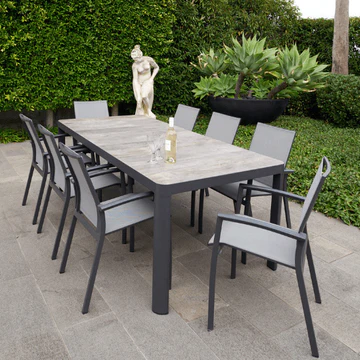
What types of cushions and fabrics pair well with aluminum garden furniture?
When choosing cushions and fabrics to pair with aluminum garden furniture, it’s important to consider both style and practicality. Here are some types of cushions and fabrics that work well with aluminum furniture:
1. Outdoor-Specific Fabrics:
Opt for fabrics that are specifically designed for outdoor use. These fabrics are typically made from durable materials that are resistant to fading, mildew, and moisture. Examples include solution-dyed acrylic, polyester, or olefin fabrics. They are often treated to withstand UV rays and are easy to clean.
2. Water-Resistant or Waterproof Fabrics:
Consider using water-resistant or waterproof fabrics for your cushions. These fabrics have a protective coating or treatment that repels water and prevents it from seeping into the cushions. They are particularly useful for areas with frequent rain or high humidity.
3. Fade-Resistant Fabrics:
Choose fabrics that are fade-resistant to ensure long-lasting vibrant colors. Fabrics with UV protection or those that have been solution-dyed tend to resist fading when exposed to sunlight. This is especially important if your furniture is placed in a sunny area.
4. Quick-Drying Cushions:
Consider cushions with quick-drying properties, especially if your furniture is exposed to rain or if you live in a humid climate. These cushions are designed to allow water to drain quickly, preventing moisture buildup and reducing the risk of mold and mildew.
5. Cushion Fill:
Consider the type of cushion fill that pairs well with aluminum furniture. Popular options include foam, polyester fiberfill, or a combination of both. Foam provides firm support, while polyester fiberfill offers a softer feel. Choose a cushion fill that suits your comfort preferences.
6. Color and Design:
Select cushion colors and designs that complement your aluminum furniture and your outdoor space. Opt for colors that coordinate with the surrounding environment or choose patterns and textures that add visual interest to the overall aesthetic.
7. Removable and Washable Covers:
Look for cushions with removable and washable covers. This feature allows for easy cleaning and maintenance, ensuring that your cushions stay fresh and free from dirt and stains. Check the care instructions to ensure that the covers can be safely machine-washed or spot-cleaned.
By considering outdoor-specific fabrics, water-resistant or waterproof options, fade-resistant fabrics, quick-drying cushions, cushion fill, color and design choices, and removable and washable covers, you can select cushions and fabrics that not only enhance the comfort and style of your aluminum garden furniture but also withstand outdoor conditions for long-lasting enjoyment.
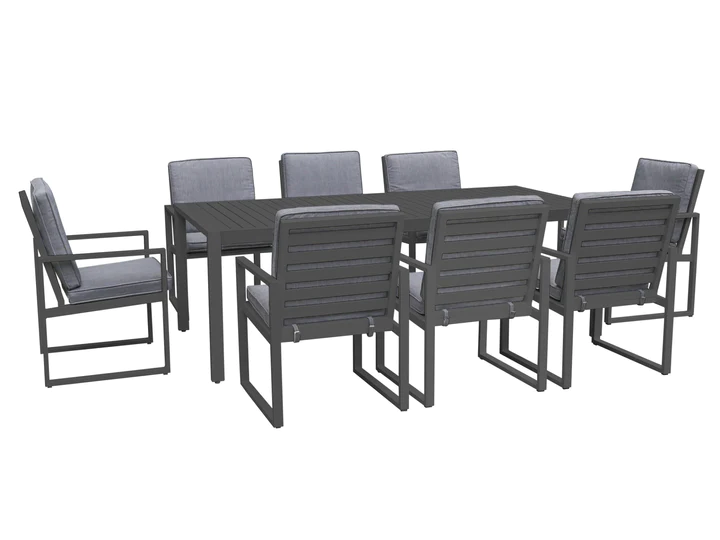
How do I secure aluminum garden furniture to prevent it from tipping over in strong winds?
To prevent aluminum garden furniture from tipping over in strong winds, there are several measures you can take to secure it effectively. Here are some methods to consider:
1. Anchor with Weights:
One of the simplest ways to secure your aluminum garden furniture is by using weights or anchors. This method involves attaching heavy objects to the furniture to increase its stability and prevent tipping. You can use sandbags, concrete blocks, or specially designed furniture weights. Place the weights on the base or legs of the furniture to provide additional stability.
2. Tie-Down Straps:
Using tie-down straps is another effective method to secure your aluminum garden furniture. These straps are typically made of durable materials like nylon or polyester and have adjustable buckles or hooks. Attach one end of the strap to the furniture and the other end to a stable structure such as a wall, fence, or ground anchor. Tighten the straps to ensure the furniture is securely fastened.
3. Ground Stakes:
If your aluminum furniture has legs or a base that can be inserted into the ground, using ground stakes can provide stability. Ground stakes are long, pointed rods that can be driven into the ground next to the furniture legs or base. This helps anchor the furniture and prevent it from tipping over in strong winds. Ensure that the stakes are securely inserted and tightly hold the furniture in place.
4. Wind Clips or Straps:
Wind clips or straps are designed specifically to secure outdoor furniture in windy conditions. These clips or straps attach to the furniture and anchor it to the ground or another stable surface. They often come with adjustable features to accommodate different furniture shapes and sizes, providing a secure connection.
5. Store or Seek Shelter:
In extreme weather conditions, such as storms or hurricanes, it may be best to store your aluminum garden furniture indoors or in a secure storage area. If indoor storage is not possible, consider seeking shelter for the furniture, such as a covered patio, gazebo, or shed. This can provide protection from strong winds and reduce the risk of tipping.
It’s important to assess the specific needs and design of your aluminum garden furniture when choosing a method to secure it. Additionally, always follow manufacturer recommendations and guidelines for securing your furniture, as they may provide specific instructions based on the design and construction of the furniture.
By implementing these measures, you can help ensure that your aluminum garden furniture remains stable and secure even in the face of strong winds, reducing the risk of damage or accidents.
How can I maintain and care for my aluminum garden furniture to keep it looking new?
To keep your aluminum garden furniture looking new and well-maintained, here are some tips for maintenance and care:
1. Regular Cleaning:
Regular cleaning is essential to prevent dirt, debris, and stains from accumulating on your aluminum furniture. Use mild soap or a gentle household cleaner mixed with water to clean the surfaces. Avoid abrasive cleaners or tools that can scratch the aluminum. After cleaning, rinse thoroughly with water and dry the furniture completely.
2. Protective Covers:
Consider using protective covers when your aluminum furniture is not in use, especially during long periods of storage or inclement weather. Covers can help shield the furniture from dust, dirt, and UV rays, prolonging its lifespan and maintaining its appearance.
3. Avoid Harsh Elements:
While aluminum is durable and weather-resistant, it’s still a good practice to avoid exposing your furniture to extreme weather conditions whenever possible. Direct exposure to prolonged sunlight, heavy rain, or snow can gradually affect the appearance and finish of the furniture. If you live in an area with harsh weather, consider moving your furniture to a protected area or using umbrellas or shade sails to provide additional protection.
4. Rust Prevention:
Although aluminum is naturally resistant to rust, certain factors can still cause corrosion. To further protect your furniture, apply a thin layer of automotive wax or a specialized metal protector to the surfaces. This protective layer can help guard against oxidation and maintain the shine of the aluminum.
5. Cushion Care:
If your aluminum furniture has cushions, follow the manufacturer’s instructions for cleaning and maintenance. Remove the cushions when not in use or during storage to prevent moisture accumulation. Spot clean any spills or stains promptly to avoid permanent damage.
6. Inspect and Repair:
Regularly inspect your aluminum furniture for any signs of damage or loose parts. Tighten screws or bolts if necessary and address any minor issues promptly to prevent further damage.
7. Seasonal Storage:
If you live in an area with harsh winters or extended periods of non-use, consider storing your aluminum furniture indoors or in a dry and well-ventilated storage area. Clean and dry the furniture thoroughly before storage, and consider using furniture covers or protective wraps to prevent scratches or dings.
By following these maintenance and care tips, you can keep your aluminum garden furniture looking new and extend its lifespan. Regular cleaning, protective covers, avoiding harsh elements, rust prevention, cushion care, inspecting and repairing, and proper seasonal storage will help you maintain the appearance and functionality of your aluminum furniture for years to come.
editor by CX 2023-12-13