Product Description
Introduction of LG Diesel Power Screw Air Compressor Mini Air Compressor Machines
1.CHINAMFG Portable Rotary Screw Air Compressor has the advantages of high efficiency, energy saving, easy to operate
2.branded engine, low fuel consumption, particularly suitable for wild environment.
3.low noise
4.multiple automat-able alarm, auto shutdown protection device
5.easy maintenance zmwm13
Main Parameter of LG Diesel Power Screw Air Compressor Mini Air Compressor Machines
| Flow rate(M3/min) | 3.5/4.5/5.8/6.1/6.4 |
| Pressure(MPa) | 0.8/0.6/0.8/1.0/0.8 |
| compressor stage | single stage |
| cooling type | air cool |
| exhaust temperature(ºC) | <+15 |
| driven type | belt driven |
| motor power(Kw) | 22-55 |
Figure Photos of LG Diesel Power Screw Air Compressor Mini Air Compressor Machines
| Lubrication Style: | Lubricated |
|---|---|
| Cooling System: | Air Cooling |
| Power Source: | AC Power |
| Cylinder Position: | Angular |
| Structure Type: | Closed Type |
| Installation Type: | Movable Type |
| Customization: |
Available
|
|
|---|
.webp)
How are air compressors used in the food and beverage industry?
Air compressors play a vital role in the food and beverage industry, providing a reliable source of compressed air for various applications. Here are some common uses of air compressors in this industry:
1. Packaging and Filling:
Air compressors are extensively used in packaging and filling operations in the food and beverage industry. Compressed air is utilized to power pneumatic systems that control the movement and operation of packaging machinery, such as filling machines, capping machines, labeling equipment, and sealing devices. The precise and controlled delivery of compressed air ensures accurate and efficient packaging of products.
2. Cleaning and Sanitization:
Air compressors are employed for cleaning and sanitization purposes in food and beverage processing facilities. Compressed air is used to operate air-powered cleaning equipment, such as air blowguns, air-operated vacuum systems, and air knives. It helps remove debris, dust, and contaminants from production lines, equipment, and hard-to-reach areas. Additionally, compressed air is used for drying surfaces after cleaning and for applying sanitizing agents.
3. Cooling and Refrigeration:
In the food and beverage industry, air compressors are utilized in cooling and refrigeration systems. Compressed air is used to drive air compressors in refrigeration units, enabling the circulation of refrigerants and maintaining optimal temperatures for food storage and preservation. The controlled airflow provided by the compressors facilitates efficient cooling and refrigeration processes.
4. Aeration and Mixing:
Air compressors are used for aeration and mixing applications in the food and beverage industry. Compressed air is introduced into processes such as fermentation, dough mixing, and wastewater treatment. It helps in promoting oxygen transfer, enhancing microbial activity, and facilitating proper mixing of ingredients or substances, contributing to the desired quality and consistency of food and beverage products.
5. Pneumatic Conveying:
In food processing plants, air compressors are employed for pneumatic conveying systems. Compressed air is used to transport bulk materials such as grains, powders, and ingredients through pipes or tubes. It enables the gentle and efficient movement of materials without the need for mechanical conveyors, reducing the risk of product damage or contamination.
6. Quality Control and Testing:
Air compressors are utilized in quality control and testing processes within the food and beverage industry. Compressed air is used for leak testing of packaging materials, containers, and seals to ensure product integrity. It is also employed for spraying air or gases during sensory analysis and flavor testing.
7. Air Agitation:
In certain food and beverage production processes, air compressors are used for air agitation. Compressed air is introduced into tanks, mixing vessels, or fermentation tanks to create turbulence and promote mixing or chemical reactions. It aids in achieving consistent product quality and uniform distribution of ingredients or additives.
It is important to note that air compressors used in the food and beverage industry must meet strict hygiene and safety standards. They may require specific filtration systems, oil-free operation, and compliance with food safety regulations to prevent contamination or product spoilage.
By utilizing air compressors effectively, the food and beverage industry can benefit from improved productivity, enhanced product quality, and efficient processing operations.
.webp)
What is the energy efficiency of modern air compressors?
The energy efficiency of modern air compressors has significantly improved due to advancements in technology and design. Here’s an in-depth look at the energy efficiency features and factors that contribute to the efficiency of modern air compressors:
Variable Speed Drive (VSD) Technology:
Many modern air compressors utilize Variable Speed Drive (VSD) technology, also known as Variable Frequency Drive (VFD). This technology allows the compressor motor to adjust its speed according to the compressed air demand. By matching the motor speed to the required airflow, VSD compressors can avoid excessive energy consumption during periods of low demand, resulting in significant energy savings compared to fixed-speed compressors.
Air Leakage Reduction:
Air leakage is a common issue in compressed air systems and can lead to substantial energy waste. Modern air compressors often feature improved sealing and advanced control systems to minimize air leaks. By reducing air leakage, the compressor can maintain optimal pressure levels more efficiently, resulting in energy savings.
Efficient Motor Design:
The motor of an air compressor plays a crucial role in its energy efficiency. Modern compressors incorporate high-efficiency electric motors that meet or exceed established energy efficiency standards. These motors are designed to minimize energy losses and operate more efficiently, reducing overall power consumption.
Optimized Control Systems:
Advanced control systems are integrated into modern air compressors to optimize their performance and energy consumption. These control systems monitor various parameters, such as air pressure, temperature, and airflow, and adjust compressor operation accordingly. By precisely controlling the compressor’s output to match the demand, these systems ensure efficient and energy-saving operation.
Air Storage and Distribution:
Efficient air storage and distribution systems are essential for minimizing energy losses in compressed air systems. Modern air compressors often include properly sized and insulated air storage tanks and well-designed piping systems that reduce pressure drops and minimize heat transfer. These measures help to maintain a consistent and efficient supply of compressed air throughout the system, reducing energy waste.
Energy Management and Monitoring:
Some modern air compressors feature energy management and monitoring systems that provide real-time data on energy consumption and performance. These systems allow operators to identify energy inefficiencies, optimize compressor settings, and implement energy-saving practices.
It’s important to note that the energy efficiency of an air compressor also depends on factors such as the specific model, size, and application. Manufacturers often provide energy efficiency ratings or specifications for their compressors, which can help in comparing different models and selecting the most efficient option for a particular application.
Overall, modern air compressors incorporate various energy-saving technologies and design elements to enhance their efficiency. Investing in an energy-efficient air compressor not only reduces operational costs but also contributes to sustainability efforts by minimizing energy consumption and reducing carbon emissions.
.webp)
What are the safety considerations when operating an air compressor?
Operating an air compressor requires careful attention to safety to prevent accidents, injuries, and equipment damage. Here are some important safety considerations to keep in mind:
1. Read the Manual: Before operating an air compressor, thoroughly read and understand the manufacturer’s instruction manual. Familiarize yourself with the specific safety guidelines, recommended operating procedures, and any specific precautions or warnings provided by the manufacturer.
2. Proper Ventilation: Ensure that the area where the air compressor is operated has adequate ventilation. Compressed air can produce high levels of heat and exhaust gases. Good ventilation helps dissipate heat, prevent the buildup of fumes, and maintain a safe working environment.
3. Personal Protective Equipment (PPE): Always wear appropriate personal protective equipment, including safety glasses or goggles, hearing protection, and non-slip footwear. Depending on the task, additional PPE such as gloves, a dust mask, or a face shield may be necessary to protect against specific hazards.
4. Pressure Relief: Air compressors should be equipped with pressure relief valves or devices to prevent overpressurization. Ensure that these safety features are in place and functioning correctly. Regularly inspect and test the pressure relief mechanism to ensure its effectiveness.
5. Secure Connections: Use proper fittings, hoses, and couplings to ensure secure connections between the air compressor, air tools, and accessories. Inspect all connections before operation to avoid leaks or sudden hose disconnections, which can cause injuries or damage.
6. Inspect and Maintain: Regularly inspect the air compressor for any signs of damage, wear, or leaks. Ensure that all components, including hoses, fittings, and safety devices, are in good working condition. Follow the manufacturer’s recommended maintenance schedule to keep the compressor in optimal shape.
7. Electrical Safety: If the air compressor is electric-powered, take appropriate electrical safety precautions. Use grounded outlets and avoid using extension cords unless approved for the compressor’s power requirements. Protect electrical connections from moisture and avoid operating the compressor in wet or damp environments.
8. Safe Start-Up and Shut-Down: Properly start and shut down the air compressor following the manufacturer’s instructions. Ensure that all air valves are closed before starting the compressor and release all pressure before performing maintenance or repairs.
9. Training and Competence: Ensure that operators are adequately trained and competent in using the air compressor and associated tools. Provide training on safe operating procedures, hazard identification, and emergency response protocols.
10. Emergency Preparedness: Have a clear understanding of emergency procedures and how to respond to potential accidents or malfunctions. Know the location of emergency shut-off valves, fire extinguishers, and first aid kits.
By adhering to these safety considerations and implementing proper safety practices, the risk of accidents and injuries associated with operating an air compressor can be significantly reduced. Prioritizing safety promotes a secure and productive working environment.


editor by CX 2023-11-28
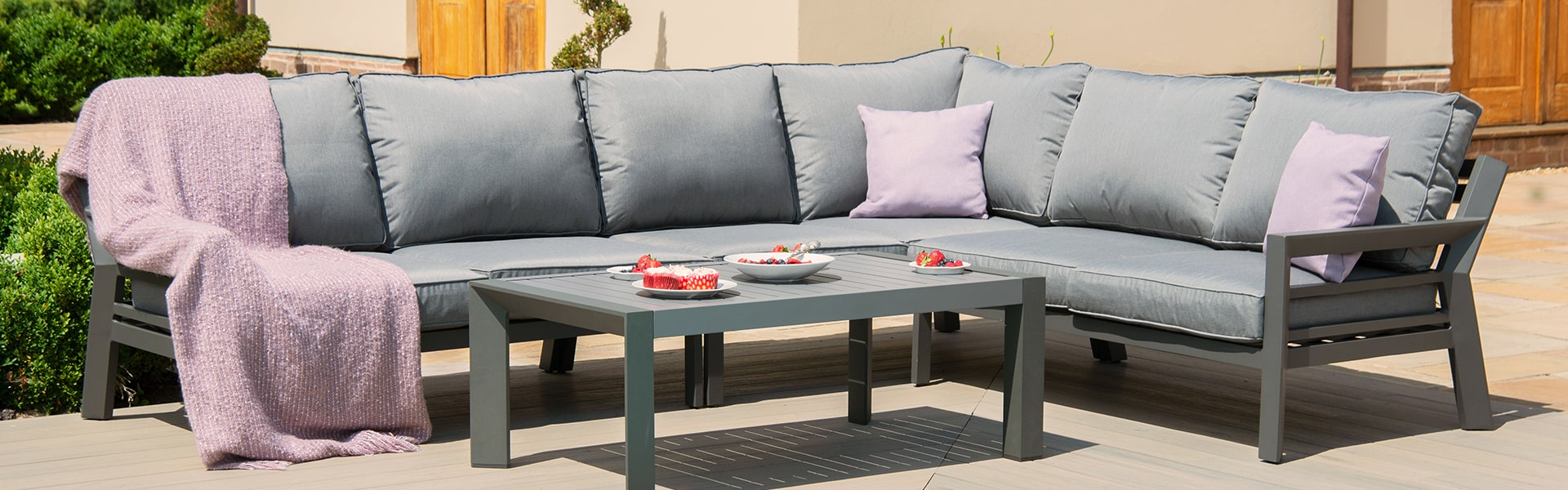
China Standard Modern Style Leisure Outdoor Garden Furniture Rope Weaving Sofa for Patio vacuum pump brakes
Product Description
Product Description
Raw Material
Company Profile
Packaging & Shipping
FAQ
1.Production Lead Time:
1. High Season (September to April): 30-40 days .
2. Low Season (May to August): around 18-25 days .
3. We will come up with a detailed production schedule for each order and this schedule will be a platform for onward communication between customers and us.
2.payment item:
1. 30% down payment before production and balance before shipment.
2. We can offer different pricing of FOB, CIF and C&F.
3. Cash, Ali Express Escrow, Paypal, West Union, Money Gram, Bank Transfer and L/C are all available.
| Material: | Fabric |
|---|---|
| Frame Material: | Metal |
| Style: | European |
| Type: | Combination |
| Usage: | Balcony/Garden/Outdoor |
| Folded: | Unfolded |
| Customization: |
Available
|
|
|---|

How do I choose the best outdoor furniture for a beachfront property?
Choosing the best outdoor furniture for a beachfront property requires considering several factors to ensure durability, functionality, and aesthetic appeal. Here are some tips to help you make the right choice:
1. Material Selection:
Opt for materials that can withstand the harsh beachfront environment, including exposure to salt, sun, and moisture. Good options for beachfront properties include teak, aluminum, stainless steel, synthetic wicker, and outdoor-grade fabrics designed to resist fading and mildew.
2. Rust and Corrosion Resistance:
Given the proximity to saltwater, it’s essential to choose outdoor furniture that is resistant to rust and corrosion. Look for furniture with rust-resistant coatings, such as powder coating or stainless steel construction, to ensure longevity in the beachfront setting.
3. Easy Maintenance:
Consider the maintenance requirements of the outdoor furniture. Beachfront properties can be prone to sand, salt, and wind-blown debris. Opt for furniture that is easy to clean and maintain, such as materials that can be wiped down with a damp cloth or hosed off.
4. UV Resistance:
Ensure that the outdoor furniture is designed to withstand prolonged exposure to the sun’s UV rays. Look for materials and fabrics that have UV-resistant properties to prevent fading, discoloration, and deterioration over time.
5. Comfort and Functionality:
Choose outdoor furniture that offers comfort and functionality. Consider factors such as cushion thickness, ergonomic design, adjustable features, and the ability to stack or fold for easy storage. Comfortable seating and lounging options will enhance the enjoyment of your beachfront property.
6. Wind Resistance:
Given the potential for strong coastal winds, select outdoor furniture that is sturdy and wind-resistant. Look for furniture with heavy-duty construction, sturdy frames, and the ability to secure or anchor the furniture to prevent tipping or damage during gusty conditions.
7. Design and Aesthetics:
Consider the overall design and aesthetics of the outdoor furniture to ensure it complements the beachfront property. Choose styles and colors that align with your personal preferences and the surrounding landscape. Coastal-inspired designs or neutral tones often work well in beachfront settings.
8. Test for Stability:
Prioritize stability when selecting outdoor furniture for a beachfront property. Test the furniture for stability and sturdiness before making a purchase. Sit on the chairs, lounge on the loungers, and check for any wobbling or instability that could be problematic in windy conditions.
9. Consider Storage Options:
Think about storage options for your outdoor furniture during seasons of non-use or inclement weather. Consider whether you have adequate storage space or if the furniture is easily stackable or foldable for compact storage.
By considering these factors, you can choose outdoor furniture that is well-suited to the demands of a beachfront property, providing both durability and comfort for years to come.
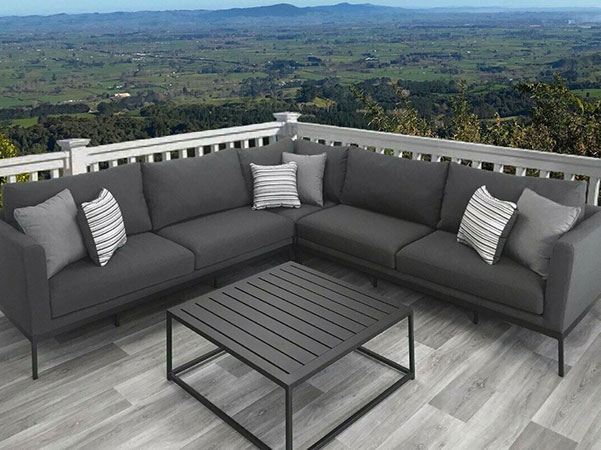
Are there any DIY projects for building custom outdoor furniture pieces?
Yes, there are plenty of DIY projects available for building custom outdoor furniture pieces. If you enjoy woodworking and crafting, creating your own outdoor furniture can be a rewarding and cost-effective option. Here are a few DIY project ideas for building custom outdoor furniture:
1. Adirondack Chairs: Adirondack chairs are classic and comfortable outdoor seating options. There are numerous plans and tutorials available online that provide step-by-step instructions for building Adirondack chairs from scratch. You can customize the design, size, and finish to match your outdoor aesthetic.
2. Pallet Furniture: Repurposing wooden pallets is a popular DIY trend for creating outdoor furniture. With pallets, you can build various pieces like benches, sofas, coffee tables, and even vertical gardens. Look for pallet furniture plans and tutorials that provide guidance on dismantling and assembling pallets into functional and stylish furniture pieces.
3. Outdoor Dining Table: Building your own outdoor dining table allows you to create a custom piece that fits your space and style preferences. You can choose from various materials such as reclaimed wood, cedar, or treated lumber. Look for plans that provide detailed instructions on construction techniques, sizing, and finishing options.
4. Hammock Stand: If you enjoy lounging in a hammock, consider building a hammock stand. This DIY project typically involves working with wood or metal to create a sturdy and stable structure to hang your hammock. Plans and tutorials are available to guide you through the construction process.
5. Outdoor Bar Cart: Building an outdoor bar cart can be a fun and practical DIY project. You can construct a mobile cart with storage for drinks, glasses, and other bar essentials. Look for plans that include details on materials, measurements, and assembly instructions.
6. Outdoor Bench: Building a bench for your outdoor space provides additional seating and can be a versatile piece of furniture. You can create a simple or intricate design based on your skill level and preferences. Look for bench plans that provide guidance on dimensions, joinery techniques, and finishing.
7. Planters and Trellises: DIY planters and trellises can add both functionality and beauty to your outdoor space. You can build custom-sized planters to fit specific areas or construct trellises to support climbing plants. Plans and tutorials are available for different styles and materials.
When undertaking any DIY project, it’s important to prioritize safety. Ensure you have the necessary tools, materials, and skills for the project. Follow the instructions carefully and take proper safety precautions, such as wearing protective gear and working in a well-ventilated area.
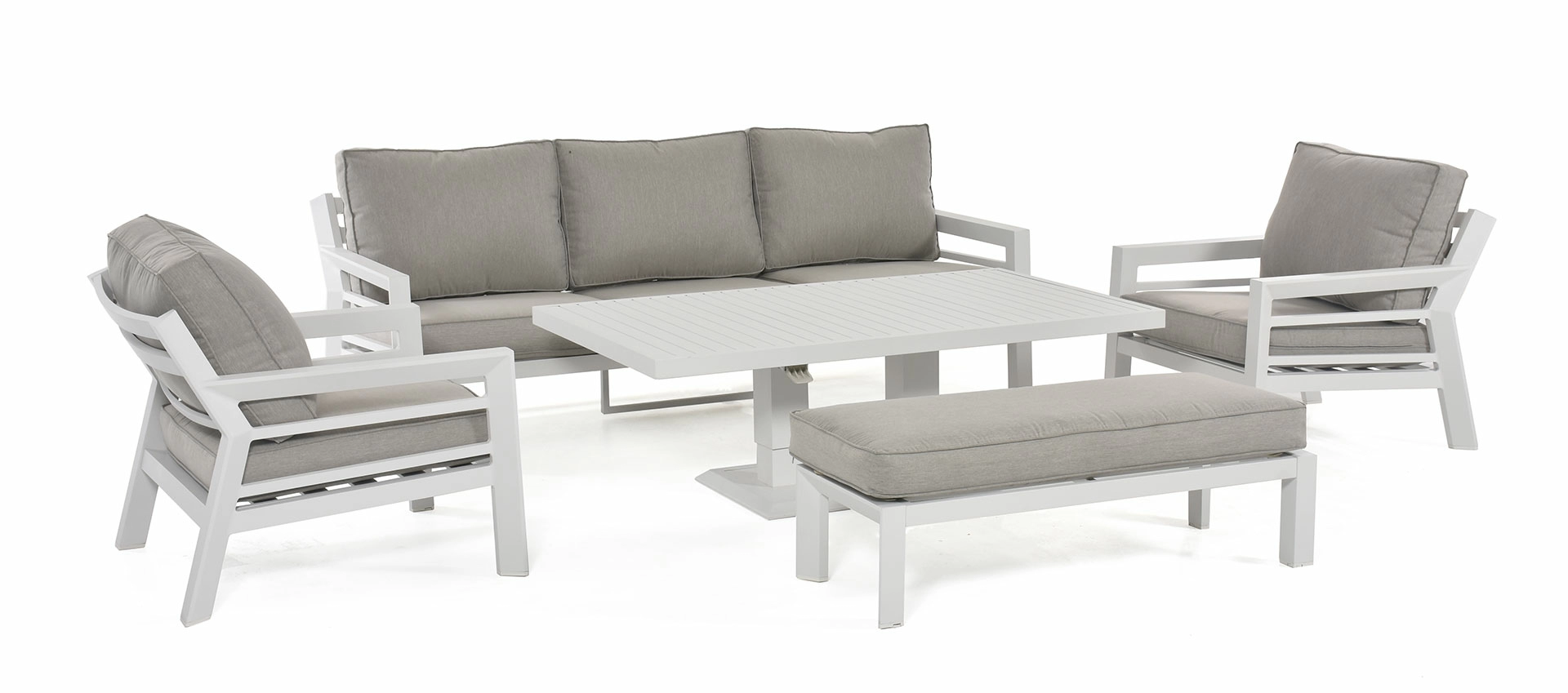
How can I protect my outdoor furniture during the winter months?
Protecting your outdoor furniture during the winter months is crucial to ensure its longevity and keep it in good condition. Here are some tips to help you protect your outdoor furniture:
1. Clean and Prepare: Before winter arrives, thoroughly clean your outdoor furniture to remove any dirt, debris, or stains. Use a mild soap, water, and a soft brush or sponge. Rinse the furniture thoroughly and allow it to dry completely. Once clean, apply an appropriate protective finish or sealant if recommended by the manufacturer.
2. Store Indoors: If possible, consider storing your outdoor furniture indoors during the winter months. A garage, basement, or storage shed can provide protection from harsh winter weather. If space is limited, prioritize storing more delicate or valuable pieces, such as cushions or lightweight furniture, while heavier or more durable items may be left outside with proper coverings.
3. Use Furniture Covers: If storing your furniture indoors is not an option, use weather-resistant covers designed specifically for outdoor furniture. Look for covers made from durable materials that are waterproof, UV-resistant, and breathable. Properly cover each piece of furniture, including tables, chairs, and cushions, to keep them protected from snow, rain, and wind.
4. Elevate and Protect: When leaving furniture outside, elevate it from the ground to prevent moisture damage. Use furniture glides, blocks, or a raised platform to keep the furniture off the wet or frozen ground. Additionally, use furniture protectors or caps on the legs to prevent scratching or damage to delicate surfaces.
5. Remove Cushions and Fabric: If your outdoor furniture has removable cushions or fabric, it’s best to store them indoors during the winter. Clean the cushions thoroughly, allow them to dry completely, and store them in a dry and protected area. If storing indoors is not possible, use weather-resistant cushion storage bags or containers to keep them protected from moisture and pests.
6. Inspect and Maintain: Periodically check on your outdoor furniture during the winter months. Remove any accumulated snow or debris from the covers and ensure they are securely in place. Inspect the furniture for any signs of damage or wear and make any necessary repairs as soon as possible.
7. Avoid Excessive Weight: While it may be tempting to use your outdoor furniture as storage surfaces during the winter, it’s best to avoid placing heavy objects on them. Excessive weight can cause damage or warping, especially if the furniture is made from materials like wicker or plastic.
By following these tips, you can help protect your outdoor furniture during the winter months and extend its lifespan. Remember to always refer to the manufacturer’s guidelines and recommendations for specific care instructions for your furniture.
editor by CX 2023-11-28
China supplier Outdoor Patio Garden Courtyard Rattan CHINAMFG Chaise Sun Lounger vacuum pump engine
Product Description
HangZhou Dezheng Outdoor Co.,Ltd is located in HangZhou City, ZheJiang Province which is less than 1 hour driving to HangZhou. We are a professional company cooperate with long-term associate factories concentrate on furniture only which has a wide range of products such as aluminum furniture, rattan furniture, rattan chair, rattan table, wicker furniture, wicker chair, wicker table, hotel furniture, hotel chair, restaurant furniture, dinning set, dining chair, dining table, outdoor furniture, outdoor chair, outdoor table, patio furniture, patio chair, patio table, modern furiture, dining chair, dining table, restaurant chair, restaurant table, bar furniture, bar chair, bar table, home furniture, adirondack chair, sun lounger, beach chair, bistro chair, rocking chair etc.
There are 100 workers in our factory and we can produce 20,000pcs chairs per month. OEM projects are highly welcomed, we have strong engineer team to support us for design and production. On time delivery, high quality and good service are the top goals of our company.
Using qualified material and producing according to standard steps, we have passed SGS quality system, BSCI and ISO certificate.
We own acid pickling pool, dirty water filtration system and two powder coated lines with environment friendly authority certificate, 1 line is for customize products and sample development, designer products, project projects.
The other 1 line is 800 meters long bulk order powder coated line for regular products, make sure for the products quality are the best, can control all the products that we produced are perfect.
| Chair frame: | ф32×1.5mm,ф28×1.5mm, 50x18x1.2mm 2 bones enforce |
| Back & Seat: | Diameter 5mm twisted Round PE rattan quick dry outdoor use |
| Base: | 6063 grade CHINAMFG tube |
| Connection way: | Full welding joints+ stainless steel screws |
| Packing way: | wrapped by bubble & KD carbon packing |
| Surface treatment: | color / logo optional |
| Capacity: | 125 kg / 2 years warranty |
| Loading QTY: | 48/100/118 pcs in 20GP/40GP/40HC |
| Size: |
W72*D115* H90 cm |
The advantages of our factory.
A. Low MOQ, we can accommodate your quantity, even if it is small.
B. OEM accepted, products can be made based on your requirements.
C.Good quality, we have very strict quality control.
D. Best price, we will give you the most competitive price.
E. Accurate delivery time, we will make sure the goods are delivered to you on time.
F. Good service, quick response, try our best to help.
G. Good English, Easy communication.
FAQ
(1)What is your MOQ?
Depends on the item, some are 50pc, some are 20pc.
(2)What is the loading port?
HangZhou, HangZhou.
(3)What is your payment term?
T/T or online transactions.
(4)What is your delivery time?
Manufacture takes about 30-45 days (depending on the complexity of the order) after the deposit has been received. Then shipping time depends on where you would like your products shipped to. Stocked items will be faster.
(5) Can i visit your factory?
Sure. We warmly welcome you to visit our factory. Please contact us to make an appointment.
(6) What’s your payment term?
Generally, our payment term is FOB or EXW. If you want to do CIF or CFR, we can quote for you. We require a 50% deposit prior to manufacture and the balance prior to shipping.
(7) Do you have the products in stock?
We have some in stock. Please enquire for what we have available.
(8) What are your warranty terms?
We provide a 1 year warranty for structure and workmanship.
(9) Can i order a sample from you?
Yes, we will charge double price for the sample with the excess put toward your main order when you place it.
(10) Can i use my own fabric or other materials?
Yes, please send the materials to our factory before the production. However, we are not responsible for the international delivery cost, any tax or delays caused by late arrival.
(11) How can I make a change or cancel my order?
Making a change to your order is only allowed before production. Once your order has been produced, the order cannot be cancelled or returned. If you require a small change, you may be charged extra according to the situation.
(12) How can I be certain the product is correct and up to standard?
Before we produce the products we will double check all the details with you. For large orders with minimal time restrictions we can make a sample first. If everything is correct, we will continue on to the production.
(13) How does your factory do quality control?
Our quality inspections will take place during each stage of the production process. Also, you are welcome to come to our factory to make an inspection before shipment. When you are satisfied with the product and make the payment, then we will make the shipment.
(14) What happens if my products are damaged?
If the products have been damaged during transportation from China to your destination, please take pictures and send the details to us. If you are concerned about damage occurring, we can purchase insurance for the shipping.
| Material: | Aluminum & PE Rattan |
|---|---|
| Style: | European |
| Type: | Single |
| Folded: | Unfolded |
| Armrest: | Without Armrest |
| Customized: | Non-Customized |
| Samples: |
US$ 89/Piece
1 Piece(Min.Order) | |
|---|
| Customization: |
Available
|
|
|---|
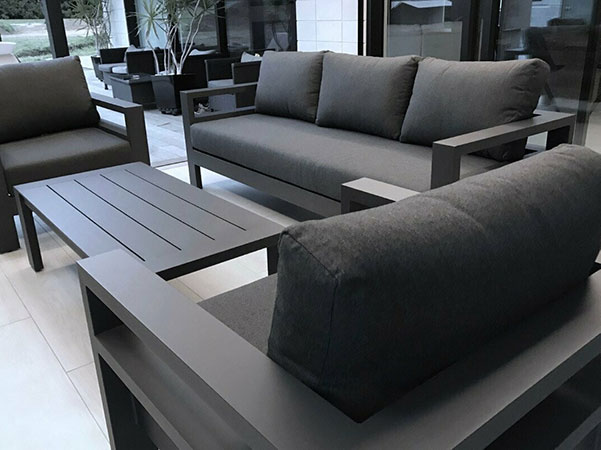
Are there any creative ways to arrange aluminum garden furniture for outdoor gatherings?
Yes, there are several creative ways to arrange aluminum garden furniture for outdoor gatherings. Here are some ideas to inspire you:
1. Conversation Pit:
Create a cozy and intimate setting by arranging your aluminum furniture in a circular or semi-circular layout, facing each other. This arrangement encourages conversation and interaction among guests, making it ideal for small gatherings or casual get-togethers.
2. Outdoor Dining Setup:
If you have an aluminum dining set, arrange it in a traditional dining setup with a table in the center and chairs placed around it. This arrangement is perfect for outdoor meals and formal gatherings. Consider adding a tablecloth, centerpiece, and ambient lighting to enhance the dining experience.
3. Lounge and Relaxation Area:
If you have aluminum lounge chairs or sofas, create a comfortable relaxation area by arranging them in a way that promotes relaxation and leisure. Place the furniture near a poolside, under a shade, or overlooking a scenic view. Add side tables or ottomans for convenience.
4. Modular and Flexible Layout:
If your aluminum furniture has modular or sectional pieces, take advantage of their flexibility. Arrange the modules in various configurations to suit the needs of each gathering. You can create a large seating area, divide the furniture into smaller groups, or even form a U-shape or L-shape setup.
5. Focal Point Arrangement:
Create a focal point by arranging the furniture around a central element such as a fire pit, water feature, or outdoor fireplace. This arrangement not only provides a gathering point but also adds visual interest and creates a cozy atmosphere.
6. Outdoor Bar Setup:
If you have a bar table or a high-top aluminum dining set, create an outdoor bar setup. Position the bar table with stools or high chairs, add some decorative lighting, and set up a drink station. This arrangement is perfect for casual gatherings and cocktail parties.
7. Coordinated Seating Areas:
If you have a large outdoor space, consider creating multiple seating areas with coordinated aluminum furniture. For example, you can have a lounge area with sofas and coffee tables, a dining area with a table and chairs, and a relaxation corner with recliners. This allows guests to move around and enjoy different spaces within the gathering.
8. Mix and Match Styles:
Don’t be afraid to mix and match different styles of aluminum furniture to create an eclectic and personalized look. Combine lounge chairs, dining chairs, benches, and other seating options to add variety and interest to the arrangement.
These are just a few creative ways to arrange your aluminum garden furniture for outdoor gatherings. Consider the size of your space, the type of gathering, and the comfort and flow of the arrangement to create a welcoming and functional outdoor environment.
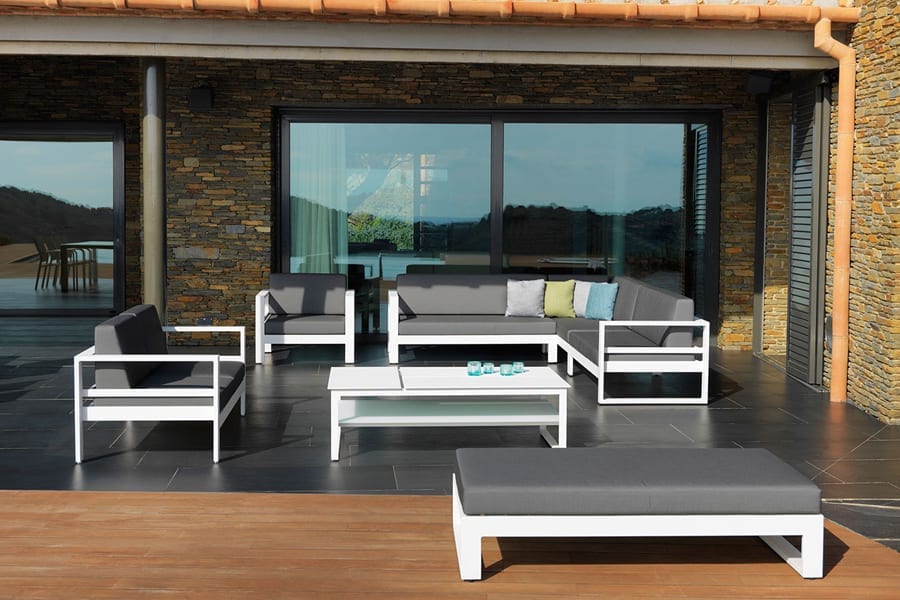
What are the ideal cushions and fabrics for aluminum garden furniture that won’t absorb moisture?
When it comes to cushions and fabrics for aluminum garden furniture that won’t absorb moisture, there are a few options that are well-suited for outdoor use. Here are some ideal choices:
1. Solution-Dyed Acrylic:
Solution-dyed acrylic fabrics are a popular choice for outdoor cushions and upholstery. They are highly resistant to moisture and won’t absorb water easily. Additionally, they are fade-resistant, durable, and resistant to mildew. Solution-dyed acrylic fabrics come in a wide range of colors and patterns, allowing you to find the perfect style for your aluminum garden furniture.
2. Polyester:
Polyester fabrics are another good option for outdoor cushions. They are naturally water-resistant and dry quickly, making them suitable for environments with moisture. Polyester fabrics are also known for their durability and resistance to fading, making them a practical choice for outdoor furniture.
3. Vinyl:
Vinyl fabrics are highly water-resistant and easy to clean, making them ideal for outdoor use. They are often used for cushions and upholstery in areas where moisture is a concern. Vinyl fabrics are available in a variety of colors and textures, providing versatility in design options for your aluminum garden furniture.
4. Olefin:
Olefin fabrics are known for their resistance to moisture and mildew. They have low water absorbency, which makes them suitable for outdoor cushions. Olefin fabrics are also resistant to fading and staining, making them a durable choice for outdoor furniture that will retain its appearance over time.
5. Sunbrella:
Sunbrella is a well-known brand of outdoor fabrics that are highly resistant to moisture. They are made from acrylic fibers that are solution-dyed, offering excellent water repellency. Sunbrella fabrics are also fade-resistant, easy to clean, and come in a wide range of colors and patterns to suit various design preferences.
When choosing cushions and fabrics for your aluminum garden furniture, look for materials that are specifically labeled as suitable for outdoor use. These fabrics are designed to withstand the elements and resist moisture absorption. It’s also a good idea to consider cushions with quick-drying foam or inserts to further prevent moisture retention.
By selecting cushions and fabrics made from these moisture-resistant materials, you can ensure that your aluminum garden furniture remains comfortable and free from moisture-related issues, even in outdoor environments.

Can you recommend affordable options for aluminum garden furniture sets?
If you’re looking for affordable options for aluminum garden furniture sets, there are several brands and retailers that offer budget-friendly choices. Here are some recommendations for affordable aluminum garden furniture sets:
1. IKEA:
IKEA is known for its affordable furniture options, and they offer a variety of aluminum garden furniture sets at budget-friendly prices. They have a range of styles and designs to choose from, suitable for different outdoor spaces and preferences.
2. Amazon Basics:
Amazon Basics is Amazon’s own brand that offers a wide range of products at affordable prices. They have aluminum garden furniture sets that are competitively priced and often come with positive customer reviews.
3. Walmart:
Walmart is a popular retailer that offers a range of affordable outdoor furniture options, including aluminum garden furniture sets. They have a variety of styles and sizes available, allowing you to find a set that fits your budget and outdoor space.
4. Target:
Target is another retailer that offers affordable and stylish aluminum garden furniture sets. They often have seasonal sales and promotions, making it a good place to find budget-friendly options.
5. Wayfair:
Wayfair is an online furniture retailer that offers a wide selection of aluminum garden furniture sets at various price points. They have frequent sales and deals, allowing you to find affordable options without compromising on quality or style.
6. Local Discount Stores:
Check your local discount stores or home improvement stores for discounted aluminum garden furniture sets. These stores often carry budget-friendly options, especially during the off-season or clearance sales.
When searching for affordable aluminum garden furniture sets, it’s important to compare prices, read customer reviews, and consider the quality and durability of the furniture. Look for sets that offer a good balance between affordability and functionality.
Remember to also consider factors such as warranty, customer service, and any additional features or accessories included with the set. With careful research and comparison, you can find affordable aluminum garden furniture sets that meet your needs and budget.
editor by CX 2023-11-28
China manufacturer Hot Sale Outdoor Garden Wicker Dining Furniture and Rock Slab Table and Fabric Chair Sets vacuum pump ac system
Product Description
| Specification (cm) | 45*79*100 |
| Cover Material | Optional |
| Cover Inside Material | Latex and PU sponge |
| Color | Standard as photo or customized |
| Size | Standard as photo or customized |
| Place of Workshop | ZheJiang ,CHINA |
| OEM Policy | free HD product images, free logo customized service, free installation instruction manual |
| Project Policy | Retailer/the wholesaler/contract project(Villa/hotel/apartment) |
| Payment Term | TT / LC at sight |
| Quality Control | 1.We have separated QC department with 8 persons, to control the raw materials quality, production process quality and final quality before shipment. 2.Each procedure have QC staff and make inspection reports accordingly,only the quality passsed can be moved to the next step. 3.Certificates 4.Accepted the buyers for random inspection or the third-part inspection. |
About US:
Richen Home mainly provides OEM and ODM service for global clients, designing and creating the most comfortable and suitable furniture as per custom-made requirement with our rich experience and technique.
Our professional technicians can surely help you turn your drawing and idea into reality, perfectly applied in a specific occasion home, office, outdoor,hotel, and others.
We have established a CHINAMFG sales net-work,including the United States,Europe,Aus-tralia,the Middle East,Asia and Africa,with a production capacity of 500 containers,about 100 million yuan per year.
| Material: | Fabric |
|---|---|
| Frame Material: | Metal |
| Style: | European |
| Type: | Single |
| Usage: | Outdoor |
| Folded: | Unfolded |
| Samples: |
US$ 1000/Piece
1 Piece(Min.Order) | |
|---|
| Customization: |
Available
|
|
|---|
How do I prevent mold and mildew from developing on garden furniture cushions?
Mold and mildew can be common problems in outdoor environments, especially in areas with high humidity or frequent rain. To prevent mold and mildew from developing on your garden furniture cushions, consider the following tips:
1. Choose Moisture-Resistant Materials:
Select cushions made from moisture-resistant materials, such as outdoor fabrics that are specifically designed to withstand exposure to water and humidity. Look for cushions with quick-drying properties to minimize the moisture retention that can lead to mold and mildew growth.
2. Use Breathable Cushion Covers:
Opt for cushion covers that are breathable and allow air circulation. Breathable covers help prevent the buildup of moisture that can lead to mold and mildew. Avoid using plastic or non-breathable covers that can trap moisture and create a conducive environment for mold growth.
3. Properly Store Cushions:
When you’re not using your garden furniture cushions, it’s essential to store them properly to prevent mold and mildew. Ensure the cushions are completely dry before storing them. If they are damp, mold can develop during storage. Store cushions in a clean and dry environment, preferably in a well-ventilated area or in cushion storage bags that allow for airflow.
4. Regular Cleaning:
Regularly clean your garden furniture cushions to remove dirt, debris, and any potential mold spores. Follow the manufacturer’s instructions for cleaning the cushions. In most cases, you can spot clean with a mild soap and water solution. Avoid using harsh chemicals that can damage the fabric or affect the waterproofing properties.
5. Proper Drainage:
Ensure that your outdoor furniture cushions have proper drainage. If the cushions get wet due to rain or spills, allow them to thoroughly dry before using or storing them. Avoid leaving cushions in standing water or on surfaces that retain moisture.
6. Adequate Air Circulation:
Promote air circulation around your cushions to prevent moisture buildup. Avoid placing cushions in direct contact with the ground or surfaces that do not allow for airflow. Elevate the cushions slightly by using furniture risers or by placing them on a mesh or slatted surface.
7. Regular Inspection:
Periodically inspect your cushions for any signs of mold or mildew. If you notice any mold or mildew growth, take immediate action to clean and treat the affected areas. Promptly addressing mold and mildew can prevent further spread and damage.
8. Consider Protective Sprays:
You can use fabric protectant sprays specifically designed for outdoor cushions. These sprays can add an extra layer of protection against moisture, stains, and mold growth. Follow the manufacturer’s instructions for application.
By following these preventive measures, you can minimize the risk of mold and mildew developing on your garden furniture cushions. Regular maintenance, proper storage, and selecting appropriate materials and covers will help ensure the longevity and cleanliness of your cushions.

What are the ideal materials for garden furniture cushions that won’t absorb moisture?
When selecting cushions for garden furniture, it’s important to choose materials that won’t absorb moisture to ensure durability and easy maintenance. Here are some ideal materials for garden furniture cushions that are resistant to moisture:
1. Solution-Dyed Acrylic:
Solution-dyed acrylic is a popular choice for outdoor cushions as it is highly resistant to moisture absorption. The fibers are dyed before they are spun into yarn, resulting in color that permeates the entire fiber. This material is known for its fade resistance, water repellency, and resistance to mold and mildew. Solution-dyed acrylic cushions are also generally easy to clean and maintain.
2. Polyester:
Polyester is another suitable material for garden furniture cushions that won’t absorb moisture. It is naturally resistant to water and dries quickly. Polyester cushions are also generally resistant to fading, staining, and mildew. Look for cushions made from high-quality, outdoor-grade polyester fabric for optimal performance.
3. Olefin:
Olefin is a synthetic fiber that is resistant to moisture, mold, and mildew. It has excellent water repellency and dries quickly, making it a suitable choice for outdoor cushions. Olefin is also known for its durability and colorfastness, retaining its vibrant colors even with prolonged exposure to sunlight.
4. PVC-Coated Polyester:
PVC-coated polyester cushions are designed to be highly water-resistant. The polyester fabric is coated with a layer of polyvinyl chloride (PVC) that creates a waterproof barrier. This coating prevents moisture absorption and makes the cushions easy to clean. PVC-coated polyester cushions are often used in marine and outdoor settings due to their excellent water resistance.
5. Quick-Dry Foam:
In addition to the cushion fabric, consider the type of foam used inside the cushions. Quick-dry foam is a high-performance foam that is designed to allow water to quickly drain and evaporate. This foam helps prevent moisture retention inside the cushions, reducing the risk of mold and mildew growth. Quick-dry foam is an excellent choice for outdoor cushions that need to withstand wet conditions.
6. Mesh or Ventilated Fabrics:
Another option for moisture-resistant cushions is to choose fabrics with mesh or ventilated designs. These fabrics allow air to circulate more freely, facilitating faster drying and reducing the chances of moisture buildup. Mesh or ventilated cushions can be particularly beneficial in humid climates or areas prone to heavy rainfall.
When selecting cushions for your garden furniture, look for materials that offer both comfort and moisture resistance. Consider the specific climate and weather conditions in your area to ensure the cushions are suitable for outdoor use. Regular cleaning and proper maintenance will also help extend the lifespan of your cushions and keep them in good condition.
How do I clean and maintain my garden furniture to keep it looking new?
To keep your garden furniture looking new and well-maintained, regular cleaning and proper maintenance are essential. Here are some steps you can follow to clean and maintain your garden furniture:
1. Read the Manufacturer’s Instructions:
Before cleaning your garden furniture, refer to the manufacturer’s instructions and guidelines. Different materials and finishes may require specific cleaning methods or products. Adhering to the manufacturer’s recommendations ensures that you don’t accidentally damage the furniture.
2. Remove Debris:
Start by removing any loose dirt, leaves, or debris from your furniture. Use a soft brush or a cloth to gently sweep away the debris. Pay attention to crevices and corners where dirt may accumulate.
3. Clean with Mild Soap and Water:
For most types of garden furniture, a solution of mild soap and water is sufficient for cleaning. Mix a small amount of mild dish soap or a gentle outdoor furniture cleaner with water. Use a sponge or a soft cloth to clean the surfaces of the furniture, including the frames, tabletops, and seating areas. Rinse thoroughly with clean water afterward.
4. Address Stains Promptly:
If you notice any stains on your furniture, address them promptly. Blot liquid stains with a clean cloth and mild soap solution. For tougher stains, you may need to use a specialized cleaner recommended for the specific material of your furniture. Follow the instructions on the cleaner and test it on a small, inconspicuous area before applying it to the entire surface.
5. Treat Wooden Furniture:
If you have wooden garden furniture, additional care is required. Regularly inspect the wood for signs of cracking, peeling, or discoloration. If necessary, sand the surface lightly and apply a protective finish or outdoor furniture oil to maintain its appearance and protect it from moisture.
6. Maintain Metal Furniture:
Metal garden furniture may require occasional maintenance to prevent rust or corrosion. Check for any signs of rust and remove it using a wire brush or sandpaper. Apply a rust-resistant paint or a protective spray to any exposed metal surfaces.
7. Store or Cover:
When not in use, consider storing your garden furniture indoors or covering it with weatherproof furniture covers. This protects the furniture from the elements and extends its lifespan. Ensure that the furniture is clean and dry before covering or storing it to prevent the growth of mold or mildew.
8. Regularly Inspect and Repair:
Periodically inspect your garden furniture for any signs of wear, loose screws, or damaged parts. Tighten any loose screws or bolts and make necessary repairs promptly to prevent further damage.
By following these cleaning and maintenance practices, you can keep your garden furniture looking new and prolong its lifespan. Regular care and attention will help preserve its appearance and functionality for years to come.
editor by CX 2023-11-28
China supplier Medical Oil Free Oil Silent Air Compressors Dental Oil-Free Air Compressor with Hot selling
Product Description
Specifications
1. Silent oil free
2. Electric of reducting energy
3. Durable working
4. High quality good price
5. Anti-rust for tank
pecifications Dental Air compressor:
1. Low noise
2. Oil less
3. Anti-rust for the tank after using for long time
4. Durable working time
5. High quality not easy broken
6. One years for warranty and life time for maintenance
7. Function for air drier or air cooling
Technical Data:
Rated voltage: 220VAC / 50HZ
Current: 2.4A
Power: 840W
Volume flow:105L/min
Starting pressure: 0.5Mpa
Rated discharge pressure: 0.77Mpa
Tank capacity: 32L/40L(CAN CHOSE 32L or 40L)
Noise :55-62dB
Weight: 32kg
Packing size: 42x42x68cm (carton)
| Tank capacity | 32L |
| Rated voltage | 220VAC / 50HZ |
| Power | 840W |
| Volume flow | 105L/min |
| Starting pressure | 0.5Mpa |
| Rated discharge pressure | 0.77Mpa |
| Noise | 55-62dB |
| G.W | 32kg |
| Interface: | 4 Holes |
|---|---|
| Teeth Whitening Method: | Cold Light Whitening |
| Applicable Departments: | Oral Department of Internal Medicine |
| Certification: | ISO, CE |
| Type: | Air Compressor |
| Material: | Metal |
| Samples: |
US$ 165/Piece
1 Piece(Min.Order) | |
|---|
| Customization: |
Available
|
|
|---|
.webp)
Can air compressors be used for painting and sandblasting?
Yes, air compressors can be used for both painting and sandblasting applications. Here’s a closer look at how air compressors are utilized for painting and sandblasting:
Painting:
Air compressors are commonly used in painting processes, especially in automotive, industrial, and construction applications. Here’s how they are involved:
- Spray Guns: Air compressors power spray guns used for applying paint coatings. The compressed air atomizes the paint, creating a fine mist that can be evenly sprayed onto surfaces. The pressure and volume of the compressed air impact the spray pattern, coverage, and overall finish quality.
- Paint Mixers and Agitators: Compressed air is often used to power mixers and agitators that ensure proper blending of paint components. These devices use the compressed air to stir or circulate the paint, preventing settling and maintaining a consistent mixture.
- Airbrushing: Air compressors are essential for airbrushing techniques, which require precise control over airflow and pressure. Airbrushes are commonly used in artistic applications, such as illustrations, murals, and fine detailing work.
Sandblasting:
Air compressors play a crucial role in sandblasting operations, which involve propelling abrasive materials at high velocity to clean, etch, or prepare surfaces. Here’s how air compressors are used in sandblasting:
- Blasting Cabinets: Air compressors power blasting cabinets or booths, which are enclosed spaces where the sandblasting process takes place. The compressed air propels the abrasive media, such as sand or grit, through a nozzle or gun, creating a forceful stream that impacts the surface being treated.
- Abrasive Blasting Pots: Air compressors supply air to abrasive blasting pots or tanks that store and pressurize the abrasive media. The compressed air from the compressor enters the pot, pressurizing it and allowing for a controlled release of the abrasive material during the sandblasting process.
- Air Dryers and Filters: In sandblasting applications, it is crucial to have clean, dry air to prevent moisture and contaminants from affecting the abrasive blasting process and the quality of the surface being treated. Air compressors may be equipped with air dryers and filters to remove moisture, oil, and impurities from the compressed air.
When using air compressors for painting or sandblasting, it is important to consider factors such as the compressor’s pressure and volume output, the specific requirements of the application, and the type of tools or equipment being used. Consult the manufacturer’s guidelines and recommendations to ensure the air compressor is suitable for the intended painting or sandblasting tasks.
Proper safety measures, such as wearing protective gear and following established protocols, should always be followed when working with air compressors for painting and sandblasting applications.
.webp)
What is the role of air compressors in manufacturing and industrial processes?
Air compressors play a crucial role in various manufacturing and industrial processes, providing a reliable source of compressed air that powers a wide range of equipment and tools. Here are some key roles of air compressors in manufacturing and industrial settings:
1. Pneumatic Tools and Equipment:
Air compressors power a wide range of pneumatic tools and equipment used in manufacturing processes. These tools include impact wrenches, air drills, sanders, grinders, nail guns, and spray guns. Compressed air provides the necessary force and energy for these tools, enabling efficient and precise operations.
2. Automation and Control Systems:
Compressed air is used in automation and control systems within manufacturing facilities. Pneumatic actuators and valves use compressed air to control the movement of machinery and components. These systems are widely used in assembly lines, packaging operations, and material handling processes.
3. Air Blowing and Cleaning:
Compressed air is employed for blowing and cleaning applications in manufacturing and industrial processes. Air blowguns and air nozzles are used to remove debris, dust, and contaminants from surfaces, machinery, and products. Compressed air is also used for drying, cooling, and purging operations.
4. Air Separation and Gas Generation:
Air compressors are used in air separation plants to generate industrial gases such as nitrogen, oxygen, and argon. These gases are essential for various industrial processes, including metal fabrication, chemical production, and food packaging.
5. HVAC Systems:
Compressed air is utilized in heating, ventilation, and air conditioning (HVAC) systems. It powers pneumatic actuators for damper control, pneumatic controls for pressure regulation, and pneumatic valves for flow control in HVAC applications.
6. Air Compression for Storage and Transport:
Compressed air is used for storage and transport purposes in manufacturing and industrial settings. It is often used to pressurize storage tanks or containers that hold gases or liquids. Compressed air also facilitates the transfer of materials through pipelines and pneumatic conveying systems.
7. Process Instrumentation:
Compressed air is utilized in process instrumentation and control systems. It powers pneumatic instruments such as pressure gauges, flow meters, and control valves. These instruments play a critical role in monitoring and regulating various parameters in industrial processes.
8. Material Handling and Pneumatic Conveying:
In manufacturing and industrial facilities, compressed air is used for material handling and pneumatic conveying systems. It enables the movement of bulk materials such as powders, granules, and pellets through pipelines, facilitating efficient and controlled material transfer.
Overall, air compressors are vital components in manufacturing and industrial processes, providing a versatile and efficient source of power for a wide range of applications. The specific role of air compressors may vary depending on the industry, process requirements, and operational needs.
.webp)
Are there portable air compressors available for home use?
Yes, there are portable air compressors specifically designed for home use. These portable models offer convenience, versatility, and ease of use for various tasks around the house. Here are some key points about portable air compressors for home use:
1. Compact and Lightweight: Portable air compressors are typically compact and lightweight, making them easy to transport and store. They are designed with portability in mind, allowing homeowners to move them around the house or take them to different locations as needed.
2. Electric-Powered: Most portable air compressors for home use are electric-powered. They can be plugged into a standard household electrical outlet, eliminating the need for gasoline or other fuel sources. This makes them suitable for indoor use without concerns about emissions or ventilation.
3. Versatile Applications: Portable air compressors can be used for a wide range of home applications. They are commonly used for inflating tires, sports equipment, and inflatable toys. They are also handy for operating pneumatic tools such as nail guns, staplers, and paint sprayers. Additionally, portable air compressors can be used for cleaning tasks, powering airbrushes, and other light-duty tasks around the house.
4. Pressure and Capacity: Portable air compressors for home use typically have lower pressure and capacity ratings compared to larger industrial or commercial models. They are designed to meet the needs of common household tasks rather than heavy-duty applications. The pressure and capacity of these compressors are usually sufficient for most home users.
5. Oil-Free Operation: Many portable air compressors for home use feature oil-free operation. This means they do not require regular oil changes or maintenance, making them more user-friendly and hassle-free for homeowners.
6. Noise Level: Portable air compressors designed for home use often prioritize low noise levels. They are engineered to operate quietly, reducing noise disturbances in residential environments.
7. Cost: Portable air compressors for home use are generally more affordable compared to larger, industrial-grade compressors. They offer a cost-effective solution for homeowners who require occasional or light-duty compressed air applications.
When considering a portable air compressor for home use, it’s important to assess your specific needs and tasks. Determine the required pressure, capacity, and features that align with your intended applications. Additionally, consider factors such as portability, noise level, and budget to choose a suitable model that meets your requirements.
Overall, portable air compressors provide a practical and accessible compressed air solution for homeowners, allowing them to tackle a variety of tasks efficiently and conveniently within a home setting.
editor by CX 2023-11-28
China Good quality Mini Air Compressor DC12V Vacuum Oil Free Oxygen Concentrator Compressor supplier
Product Description
Motor Parameter
|
Rated input voltage
|
12V DC
|
|
No-load current
|
<1.2A
|
|
No-load speed
|
>4500rpm
|
|
Rated current
|
≤5A at 0.11Nm
|
|
Rated speed
|
≥3500rpm at 0.11Nm
|
|
Rated power
|
58W is a 0.5CFM oil-less air compressor independently developed by Weiyou Intelligent Technology Co.Ltd. for the |
Unique Features
TYPICAL APPLICATIONS
(1)Portable Oxygen Concentrator;
(2)Small analytic Equipment;
(3)Instrumentation;
(4)Ambient Scenting;
(5)Lab Automation;
Application
| After-sales Service: | Online |
|---|---|
| Warranty: | 12 Month |
| Oil or Not: | Oil Free |
| Samples: |
US$ 200/Piece
1 Piece(Min.Order) | Order Sample |
|---|
| Customization: |
Available
|
|
|---|
.shipping-cost-tm .tm-status-off{background: none;padding:0;color: #1470cc}
| Shipping Cost:
Estimated freight per unit. |
about shipping cost and estimated delivery time. |
|---|
| Payment Method: |
|
|---|---|
|
Initial Payment Full Payment |
| Currency: | US$ |
|---|
| Return&refunds: | You can apply for a refund up to 30 days after receipt of the products. |
|---|
.webp)
What are the advantages of using an air compressor in construction?
Using an air compressor in construction offers numerous advantages that contribute to increased efficiency, productivity, and versatility. Here are some key benefits of using air compressors in construction:
- Powering Pneumatic Tools: Air compressors are commonly used to power a wide range of pneumatic tools on construction sites. Tools such as jackhammers, nail guns, impact wrenches, drills, and sanders can be operated using compressed air. Pneumatic tools are often preferred due to their lightweight, compact design and ability to deliver high torque or impact force.
- Efficient Operation: Air compressors provide a continuous and reliable source of power for pneumatic tools, allowing for uninterrupted operation without the need for frequent battery changes or recharging. This helps to maintain a smooth workflow and reduces downtime.
- Portability: Many construction air compressors are designed to be portable, featuring wheels or handles for easy maneuverability on job sites. Portable air compressors can be transported to different areas of the construction site as needed, providing power wherever it is required.
- Versatility: Air compressors are versatile tools that can be used for various applications in construction. Apart from powering pneumatic tools, they can also be utilized for tasks such as inflating tires, cleaning debris, operating air-operated pumps, and powering air horns.
- Increased Productivity: The efficient operation and power output of air compressors enable construction workers to complete tasks more quickly and effectively. Pneumatic tools powered by air compressors often offer higher performance and faster operation compared to their electric or manual counterparts.
- Cost Savings: Air compressors can contribute to cost savings in construction projects. Pneumatic tools powered by air compressors are generally more durable and have longer lifespans compared to electric tools. Additionally, since air compressors use compressed air as their power source, they do not require the purchase or disposal of batteries or fuel, reducing ongoing operational expenses.
- Reduced Electrocution Risk: Construction sites can be hazardous environments, with the risk of electrocution from electrical tools or equipment. By utilizing air compressors and pneumatic tools, the reliance on electrical power is minimized, reducing the risk of electrocution accidents.
It is important to select the appropriate air compressor for construction applications based on factors such as required air pressure, volume, portability, and durability. Regular maintenance, including proper lubrication and cleaning, is crucial to ensure the optimal performance and longevity of air compressors in construction settings.
In summary, the advantages of using air compressors in construction include powering pneumatic tools, efficient operation, portability, versatility, increased productivity, cost savings, and reduced electrocution risk, making them valuable assets on construction sites.
.webp)
How do you troubleshoot common air compressor problems?
Troubleshooting common air compressor problems can help identify and resolve issues that may affect the performance and functionality of the compressor. Here are some steps to troubleshoot common air compressor problems:
1. No Power:
- Check the power source and ensure the compressor is properly plugged in.
- Inspect the circuit breaker or fuse box to ensure it hasn’t tripped or blown.
- Verify that the compressor’s power switch or control panel is turned on.
2. Low Air Pressure:
- Check the air pressure gauge on the compressor. If the pressure is below the desired level, the compressor might not be building up enough pressure.
- Inspect for air leaks in the system. Leaks can cause a drop in pressure. Listen for hissing sounds or use a soapy water solution to identify the location of leaks.
- Ensure the compressor’s intake filter is clean and not clogged, as this can restrict airflow and reduce pressure.
3. Excessive Noise or Vibration:
- Inspect the compressor’s mounting and foundation to ensure it is secure and stable. Loose mounts can cause excessive noise and vibration.
- Check for loose or damaged components, such as belts, pulleys, or motor mounts. Tighten or replace as necessary.
- Verify that the compressor’s cooling system, such as the fan or fins, is clean and free from obstructions. Overheating can lead to increased noise and vibration.
4. Air Leaks:
- Inspect all connections, valves, fittings, and hoses for leaks. Tighten or replace any loose or damaged components.
- Apply a soapy water solution to suspected areas and look for bubbles. Bubbles indicate air leaks.
- Consider using thread sealant or Teflon tape on threaded connections to ensure a proper seal.
5. Excessive Moisture in Compressed Air:
- Check the compressor’s drain valve and ensure it is functioning properly. Open the valve to release any accumulated moisture.
- Inspect and clean the compressor’s moisture separator or air dryer, if equipped.
- Consider installing additional filtration or drying equipment to remove moisture from the compressed air system.
6. Motor Overheating:
- Ensure the compressor’s cooling system is clean and unobstructed.
- Check the motor’s air intake vents and clean any dust or debris that may be blocking airflow.
- Verify that the compressor is not being operated in an excessively hot environment.
- Check the motor’s lubrication levels and ensure they are within the manufacturer’s recommended range.
- Consider using a thermal overload protector to prevent the motor from overheating.
If troubleshooting these common problems does not resolve the issue, it may be necessary to consult the manufacturer’s manual or seek assistance from a qualified technician. Regular maintenance, such as cleaning, lubrication, and inspection, can also help prevent common problems and ensure the optimal performance of the air compressor.
Are there portable air compressors available for home use?
Yes, there are portable air compressors specifically designed for home use. These portable models offer convenience, versatility, and ease of use for various tasks around the house. Here are some key points about portable air compressors for home use:
1. Compact and Lightweight: Portable air compressors are typically compact and lightweight, making them easy to transport and store. They are designed with portability in mind, allowing homeowners to move them around the house or take them to different locations as needed.
2. Electric-Powered: Most portable air compressors for home use are electric-powered. They can be plugged into a standard household electrical outlet, eliminating the need for gasoline or other fuel sources. This makes them suitable for indoor use without concerns about emissions or ventilation.
3. Versatile Applications: Portable air compressors can be used for a wide range of home applications. They are commonly used for inflating tires, sports equipment, and inflatable toys. They are also handy for operating pneumatic tools such as nail guns, staplers, and paint sprayers. Additionally, portable air compressors can be used for cleaning tasks, powering airbrushes, and other light-duty tasks around the house.
4. Pressure and Capacity: Portable air compressors for home use typically have lower pressure and capacity ratings compared to larger industrial or commercial models. They are designed to meet the needs of common household tasks rather than heavy-duty applications. The pressure and capacity of these compressors are usually sufficient for most home users.
5. Oil-Free Operation: Many portable air compressors for home use feature oil-free operation. This means they do not require regular oil changes or maintenance, making them more user-friendly and hassle-free for homeowners.
6. Noise Level: Portable air compressors designed for home use often prioritize low noise levels. They are engineered to operate quietly, reducing noise disturbances in residential environments.
7. Cost: Portable air compressors for home use are generally more affordable compared to larger, industrial-grade compressors. They offer a cost-effective solution for homeowners who require occasional or light-duty compressed air applications.
When considering a portable air compressor for home use, it’s important to assess your specific needs and tasks. Determine the required pressure, capacity, and features that align with your intended applications. Additionally, consider factors such as portability, noise level, and budget to choose a suitable model that meets your requirements.
Overall, portable air compressors provide a practical and accessible compressed air solution for homeowners, allowing them to tackle a variety of tasks efficiently and conveniently within a home setting.
editor by CX 2023-11-27
China Standard Popular Selling Plant Use Efficient Fixed Speed Screw Air Compressor supplier
Product Description
Product Description
Screw air compressor
Due to its simple structure and few vulnerable parts, the CHINAMFG can operate under the condition of large pressure difference or pressure ratio, with low exhaust temperature, insensitive to a large amount of lubricating oil (often referred to as wet stroke) contained in the refrigerant, good gas transmission regulation and forced gas transmission, and the volume flow is almost not affected by the exhaust pressure. lt can maintain high efficiency in a wide range and is suitable for a variety of working fluids without any change in the compressor structure.
Liutech screw air compressor adopts pre packaged configuration,which only needs a single power connection and compressed air connection, and has a built-in cooling system,which greatly simplifies the installation work CHINAMFG screw air compressor consistently provides high-quality compressed air for all walks of life with its advantages of high efficiency, high efficiency.low maintenance cost and high reliability.
Detailed Photos
Product Parameters
|
Power |
7kw – 560kw |
|
Discharge Pressure |
7/8/10/12/13 bar |
|
Color |
Optional |
|
Voltage |
110v 220v 380v Customizable |
|
Noise level |
Silent |
|
OEM |
Accepted |
|
Video outgoing-inspection |
Provided |
|
Warranty of core components |
5 years |
Company Profile
Our Advantages
Certifications
Packaging & Shipping
| After-sales Service: | Online Guidance |
|---|---|
| Warranty: | 2 Years |
| Motor Power: | 4-30 Kw |
| Customization: |
Available
|
|
|---|
.shipping-cost-tm .tm-status-off{background: none;padding:0;color: #1470cc}
|
Shipping Cost:
Estimated freight per unit. |
about shipping cost and estimated delivery time. |
|---|
| Payment Method: |
|
|---|---|
|
Initial Payment Full Payment |
| Currency: | US$ |
|---|
| Return&refunds: | You can apply for a refund up to 30 days after receipt of the products. |
|---|
.webp)
What is the role of air compressors in power generation?
Air compressors play a significant role in power generation, supporting various operations and equipment within the industry. Here are some key roles of air compressors in power generation:
1. Combustion Air Supply:
Air compressors are used to supply compressed air for the combustion process in power generation. In fossil fuel power plants, such as coal-fired or natural gas power plants, compressed air is required to deliver a steady flow of air to the burners. The compressed air helps in the efficient combustion of fuel, enhancing the overall performance and energy output of the power plant.
2. Instrumentation and Control:
Air compressors are utilized for instrumentation and control systems in power generation facilities. Compressed air is used to operate pneumatic control valves, actuators, and other pneumatic devices that regulate the flow of steam, water, and gases within the power plant. The reliable and precise control provided by compressed air ensures efficient and safe operation of various processes and equipment.
3. Cooling and Ventilation:
In power generation, air compressors are involved in cooling and ventilation applications. Compressed air is used to drive air-operated cooling fans and blowers, providing adequate airflow for cooling critical components such as generators, transformers, and power electronics. The compressed air also assists in maintaining proper ventilation in control rooms, substations, and other enclosed spaces, helping to dissipate heat and ensure a comfortable working environment.
4. Cleaning and Maintenance:
Air compressors are employed for cleaning and maintenance tasks in power generation facilities. Compressed air is utilized to blow away dust, dirt, and debris from equipment, machinery, and electrical panels. It helps in maintaining the cleanliness and optimal performance of various components, reducing the risk of equipment failure and improving overall reliability.
5. Pneumatic Tools and Equipment:
In power generation plants, air compressors provide the necessary compressed air for operating pneumatic tools and equipment. These tools include impact wrenches, pneumatic drills, grinders, and sandblasting equipment, which are utilized for installation, maintenance, and repair tasks. The high-pressure air generated by compressors enables efficient and reliable operation of these tools, enhancing productivity and reducing manual effort.
6. Nitrogen Generation:
Sometimes, air compressors are used in power generation for nitrogen generation. Compressed air is passed through a nitrogen generator system, which separates nitrogen from other components of air, producing a high-purity nitrogen gas stream. Nitrogen is commonly used in power plant applications, such as purging systems, blanketing in transformers, and generator cooling, due to its inert properties and low moisture content.
7. Start-up and Emergency Systems:
Air compressors are an integral part of start-up and emergency systems in power generation. Compressed air is utilized to power pneumatic starters for gas turbines, providing the initial rotation needed to start the turbine. In emergency situations, compressed air is also used to actuate emergency shutdown valves, safety systems, and fire suppression equipment, ensuring the safe operation and protection of the power plant.
Overall, air compressors contribute to the efficient and reliable operation of power generation facilities, supporting combustion processes, control systems, cooling, cleaning, and various other applications critical to the power generation industry.
How do you choose the right air compressor for woodworking?
Choosing the right air compressor for woodworking is essential to ensure efficient and effective operation of pneumatic tools and equipment. Here are some factors to consider when selecting an air compressor for woodworking:
1. Required Air Volume (CFM):
Determine the required air volume or cubic feet per minute (CFM) for your woodworking tools and equipment. Different tools have varying CFM requirements, so it is crucial to choose an air compressor that can deliver the required CFM to power your tools effectively. Make sure to consider the highest CFM requirement among the tools you’ll be using simultaneously.
2. Tank Size:
Consider the tank size of the air compressor. A larger tank allows for more stored air, which can be beneficial when using tools that require short bursts of high air volume. It helps maintain a consistent air supply and reduces the frequency of the compressor cycling on and off. However, if you have tools with continuous high CFM demands, a larger tank may not be as critical.
3. Maximum Pressure (PSI):
Check the maximum pressure (PSI) rating of the air compressor. Woodworking tools typically operate within a specific PSI range, so ensure that the compressor can provide the required pressure. It is advisable to choose an air compressor with a higher maximum PSI rating to accommodate any future tool upgrades or changes in your woodworking needs.
4. Noise Level:
Consider the noise level of the air compressor, especially if you’ll be using it in a residential or shared workspace. Some air compressors have noise-reducing features or are designed to operate quietly, making them more suitable for woodworking environments where noise control is important.
5. Portability:
Assess the portability requirements of your woodworking projects. If you need to move the air compressor frequently or work in different locations, a portable and lightweight compressor may be preferable. However, if the compressor will remain stationary in a workshop, a larger, stationary model might be more suitable.
6. Power Source:
Determine the power source available in your woodworking workspace. Air compressors can be powered by electricity or gasoline engines. If electricity is readily available, an electric compressor may be more convenient and cost-effective. Gasoline-powered compressors offer greater flexibility for remote or outdoor woodworking projects where electricity may not be accessible.
7. Quality and Reliability:
Choose an air compressor from a reputable manufacturer known for producing reliable and high-quality equipment. Read customer reviews and consider the warranty and after-sales support offered by the manufacturer to ensure long-term satisfaction and reliability.
8. Budget:
Consider your budget and balance it with the features and specifications required for your woodworking needs. While it’s important to invest in a reliable and suitable air compressor, there are options available at various price points to accommodate different budgets.
By considering these factors and evaluating your specific woodworking requirements, you can choose an air compressor that meets the demands of your tools, provides efficient performance, and enhances your woodworking experience.
.webp)
In which industries are air compressors widely used?
Air compressors find extensive usage across various industries due to their versatility and ability to generate compressed air. Here are some industries where air compressors are widely employed:
1. Manufacturing: Air compressors are essential in manufacturing processes for powering pneumatic tools and equipment. They are used for tasks such as operating assembly lines, powering robotic machinery, running paint sprayers, and driving pneumatic actuators.
2. Construction: Air compressors play a crucial role in the construction industry. They power pneumatic tools like jackhammers, nail guns, impact wrenches, and concrete breakers. Compressed air is also used for concrete spraying, sandblasting, and operating air-powered lifts and hoists.
3. Automotive: Air compressors are widely used in automotive manufacturing and repair. They power air tools used in auto body shops, tire inflation equipment, pneumatic lifts, and air-operated brake systems. Compressed air is also utilized in vehicle painting and drying processes.
4. Oil and Gas: The oil and gas industry extensively relies on air compressors for various applications. They are used for pneumatic drilling, powering pneumatic tools in refineries and petrochemical plants, operating pneumatic valves and actuators, and providing instrument air for control systems.
5. Food and Beverage: Air compressors are employed in the food and beverage industry for tasks such as packaging, bottling, and sealing. They power pneumatic conveying systems, control air pressure in food processing equipment, and provide clean compressed air for food handling and storage.
6. Pharmaceutical and Healthcare: Air compressors find application in pharmaceutical manufacturing and healthcare facilities. They are used for operating medical equipment, such as ventilators and dental tools. Compressed air is also utilized in pharmaceutical processes, including tablet coating, fluid bed drying, and aseptic packaging.
7. Aerospace: The aerospace industry relies on air compressors for various applications, including aircraft maintenance and assembly. They power pneumatic tools for aircraft repair, provide compressed air for cleaning and pressurizing systems, and support ground operations, such as tire inflation and aircraft de-icing.
8. Mining: Air compressors are extensively used in the mining industry. They power pneumatic tools for drilling, rock blasting, and excavation. Compressed air is also utilized for ventilation, conveying materials, and operating underground equipment.
9. Energy and Utilities: Air compressors play a vital role in the energy and utilities sector. They are used in power generation plants for pneumatic control systems, instrument air, and operating pneumatic valves. Compressed air is also employed for cleaning and maintenance purposes.
These are just a few examples of the industries where air compressors are widely utilized. The versatility and reliability of air compressors make them indispensable in numerous applications across diverse sectors.
editor by CX 2023-11-27
China Custom Truck Parts Auto Spare Parts CHINAMFG Air Compressor C4937403 4btaa mini air compressor
Product Description
| Description: | Air Compressor |
| Model: | 4BTAA |
| Part No.: | C4937403 |
| Measurement: | 36*31*24CM |
| Brand: | ZHONGPEI |
| Warranty: | 6 Months |
| Application: | Cummins |
| Package: | CARTON BOX |
| Delivery: | 1-3days |
One -station purchasing
Occupy an area of 50, 000 square meters, 20 warehouses with over 700 members…
Supporting with over 100, 000 kinds of spare parts, which make us always offer our customers satisfied service, especially timely deliver and variety kinds of auto parts
1: 25 years’ experience in auto parts.
2: No. 1 auto parts supplier in China Brand vehicles.
3: Auto parts on light, medium and heavy truck, bus, pick up.
4: Supply Engine/Gearbox assy and all Engine/Gearbox/Chassis/Body spare parts.
Chinese brand vehicles’ spare parts available…
| JAC SERIES
JAC1571,JAC1571,JAC1030,JAC1035,JAC1040,JAC1045,JAC1048,JAC1061,JAC1063,JAC1083,JAC3045,JAC3048,JAC3072,JAC3090,JAC-SWORD,JAC-GALLOP,ReFine,JAC-BUS(HK/HFC),JAC-forklifts,JAC-PICK… |
| FOTON/FORLAND/BAW SERIES
BJ1571,BJ6486/88, BJ1571,BJ1571,BJ1036,BJ1039,BJ1043,BJ1046,BJ1049(OLLIN),BJ1069(OLLIN),BJ1089,BJ3042,BJ3043,BJ3052,BJ3062,BJ3072,AUMAN,BAW1030,BAW1040,BAW1044,BAW1048^ |
| JMC/ISUZU SERIES
JMC1571,JMC1030,JMC1032,JMC1040,JMC1042,NHR,NKR,100P,600P,700P^ |
| XIHU (WEST LAKE) DIS.FENG SERIES
EQ1030,EQ1032,EQ1040,EQ1044,EQ1045,EQ1071,EQ1081,EQ3060,EQ3061,EQ3092,DFL-KINLAND,DFA-BUS^ |
| SINOTRUK SERIES
STEYR,STEYR KING,NEW-HUANGHE,HOWO,HOWO-A7,SITRAK-T7H,Golden Prince,HOKA,HAOYUN,HOWO -LIGHT TRUCK,MINE TRUCK,Golden Prince^ |
| FAW SERIES
CA1571,CA1031,CA1041,CA1047,CA1051,CA1061,CA1081,J4,J4Q,J5K,J5M,J5P,J5Q,J6^ |
| YUXIHU (WEST LAKE) DIS. SERIES
NJ1571,NJ1026,NJ1571,NJ1030,NJ1035,NJ1038,NJ1040,NJ1042,NJ1043,NJ1062,NJ1063^ |
| BUS SERIES
KING LONG(XMQ),GOLDEN DRAGON(XML),HIGER(KLQ),YUTONG(ZK),ZHONG TONG(LCK),YOUNG MAN(JNP),HENG TONG(CKZ),SHAOLIN(SLG),XIHU (WEST LAKE) DIS.,SHENLONG(SLK),ANKAI(HFF),FOTON O-V(BJ),HUANGHAI(DD),ZONDA(YCK)^ |
| OTHER SERIES
ZheJiang -F2000, ZheJiang -F3000,SAIC-IVECO XIHU (WEST LAKE) DIS.N,CAMC GREAT WALL(CC),ZXIHU (WEST LAKE) DIS.(BQ),JINBEI(SY),DADI AUTO(BDD),XINKAI(HXK),TIANMA(KZ),GONOW,HAFEI,CHANA,CHANGHE,XIHU (WEST LAKE) DIS.,CHERY,GEELY,BYD^ |
| After-sales Service: | 6 Months |
|---|---|
| Warranty: | 6 Months |
| Type: | Engine |
| Customization: |
Available
|
|
|---|
.shipping-cost-tm .tm-status-off{background: none;padding:0;color: #1470cc}
|
Shipping Cost:
Estimated freight per unit. |
about shipping cost and estimated delivery time. |
|---|
| Payment Method: |
|
|---|---|
|
Initial Payment Full Payment |
| Currency: | US$ |
|---|
| Return&refunds: | You can apply for a refund up to 30 days after receipt of the products. |
|---|
What are the differences between stationary and portable air compressors?
Stationary and portable air compressors are two common types of air compressors with distinct features and applications. Here are the key differences between them:
1. Mobility:
The primary difference between stationary and portable air compressors is their mobility. Stationary air compressors are designed to be permanently installed in a fixed location, such as a workshop or a factory. They are typically larger, heavier, and not easily movable. On the other hand, portable air compressors are smaller, lighter, and equipped with handles or wheels for easy transportation. They can be moved from one location to another, making them suitable for jobsites, construction sites, and other mobile applications.
2. Power Source:
Another difference lies in the power source used by stationary and portable air compressors. Stationary compressors are usually powered by electricity, as they are designed for continuous operation in a fixed location with access to power outlets. They are connected to the electrical grid or have dedicated wiring. In contrast, portable compressors are available in various power options, including electric, gasoline, and diesel engines. This versatility allows them to operate in remote areas or sites without readily available electricity.
3. Tank Capacity:
Tank capacity is also a distinguishing factor between stationary and portable air compressors. Stationary compressors often have larger storage tanks to store compressed air for extended periods. The larger tanks enable them to deliver a continuous and steady supply of compressed air for longer durations without the need for frequent cycling. Portable compressors, due to their compact size and portability, generally have smaller tank capacities, which may be sufficient for intermittent or smaller-scale applications.
4. Performance and Output:
The performance and output capabilities of stationary and portable air compressors can vary. Stationary compressors are typically designed for high-volume applications that require a consistent and continuous supply of compressed air. They often have higher horsepower ratings, larger motor sizes, and higher air delivery capacities. Portable compressors, while generally offering lower horsepower and air delivery compared to their stationary counterparts, are still capable of delivering sufficient air for a range of applications, including pneumatic tools, inflation tasks, and light-duty air-powered equipment.
5. Noise Level:
Noise level is an important consideration when comparing stationary and portable air compressors. Stationary compressors, being larger and built for industrial or commercial settings, are often equipped with noise-reducing features such as sound insulation and vibration dampening. They are designed to operate at lower noise levels, which is crucial for maintaining a comfortable working environment. Portable compressors, while efforts are made to reduce noise, may produce higher noise levels due to their compact size and portability.
6. Price and Cost:
Stationary and portable air compressors also differ in terms of price and cost. Stationary compressors are generally more expensive due to their larger size, higher power output, and industrial-grade construction. They often require professional installation and may involve additional costs such as electrical wiring and system setup. Portable compressors, being smaller and more versatile, tend to have a lower upfront cost. They are suitable for individual users, contractors, and small businesses with budget constraints or flexible air supply needs.
When selecting between stationary and portable air compressors, it is essential to consider the specific requirements of the intended application, such as mobility, power source availability, air demands, and noise considerations. Understanding these differences will help in choosing the appropriate type of air compressor for the intended use.
What is the role of air compressors in manufacturing and industrial processes?
Air compressors play a crucial role in various manufacturing and industrial processes, providing a reliable source of compressed air that powers a wide range of equipment and tools. Here are some key roles of air compressors in manufacturing and industrial settings:
1. Pneumatic Tools and Equipment:
Air compressors power a wide range of pneumatic tools and equipment used in manufacturing processes. These tools include impact wrenches, air drills, sanders, grinders, nail guns, and spray guns. Compressed air provides the necessary force and energy for these tools, enabling efficient and precise operations.
2. Automation and Control Systems:
Compressed air is used in automation and control systems within manufacturing facilities. Pneumatic actuators and valves use compressed air to control the movement of machinery and components. These systems are widely used in assembly lines, packaging operations, and material handling processes.
3. Air Blowing and Cleaning:
Compressed air is employed for blowing and cleaning applications in manufacturing and industrial processes. Air blowguns and air nozzles are used to remove debris, dust, and contaminants from surfaces, machinery, and products. Compressed air is also used for drying, cooling, and purging operations.
4. Air Separation and Gas Generation:
Air compressors are used in air separation plants to generate industrial gases such as nitrogen, oxygen, and argon. These gases are essential for various industrial processes, including metal fabrication, chemical production, and food packaging.
5. HVAC Systems:
Compressed air is utilized in heating, ventilation, and air conditioning (HVAC) systems. It powers pneumatic actuators for damper control, pneumatic controls for pressure regulation, and pneumatic valves for flow control in HVAC applications.
6. Air Compression for Storage and Transport:
Compressed air is used for storage and transport purposes in manufacturing and industrial settings. It is often used to pressurize storage tanks or containers that hold gases or liquids. Compressed air also facilitates the transfer of materials through pipelines and pneumatic conveying systems.
7. Process Instrumentation:
Compressed air is utilized in process instrumentation and control systems. It powers pneumatic instruments such as pressure gauges, flow meters, and control valves. These instruments play a critical role in monitoring and regulating various parameters in industrial processes.
8. Material Handling and Pneumatic Conveying:
In manufacturing and industrial facilities, compressed air is used for material handling and pneumatic conveying systems. It enables the movement of bulk materials such as powders, granules, and pellets through pipelines, facilitating efficient and controlled material transfer.
Overall, air compressors are vital components in manufacturing and industrial processes, providing a versatile and efficient source of power for a wide range of applications. The specific role of air compressors may vary depending on the industry, process requirements, and operational needs.
.webp)
What is the purpose of an air compressor?
An air compressor serves the purpose of converting power, typically from an electric motor or an engine, into potential energy stored in compressed air. It achieves this by compressing and pressurizing air, which can then be used for various applications. Here’s a detailed explanation of the purpose of an air compressor:
1. Powering Pneumatic Tools: One of the primary uses of an air compressor is to power pneumatic tools. Compressed air can be used to operate a wide range of tools, such as impact wrenches, nail guns, paint sprayers, sanders, and drills. The compressed air provides the necessary force and energy to drive these tools, making them efficient and versatile.
2. Supplying Clean and Dry Air: Air compressors are often used to supply clean and dry compressed air for various industrial processes. Many manufacturing and production operations require a reliable source of compressed air that is free from moisture, oil, and other contaminants. Air compressors equipped with appropriate filters and dryers can deliver high-quality compressed air for applications such as instrumentation, control systems, and pneumatic machinery.
3. Inflating Tires and Sports Equipment: Air compressors are commonly used for inflating tires, whether it’s for vehicles, bicycles, or sports equipment. They provide a convenient and efficient method for quickly filling tires with the required pressure. Air compressors are also used for inflating sports balls, inflatable toys, and other similar items.
4. Operating HVAC Systems: Air compressors play a crucial role in the operation of heating, ventilation, and air conditioning (HVAC) systems. They provide compressed air for controlling and actuating dampers, valves, and actuators in HVAC systems, enabling precise regulation of air flow and temperature.
5. Assisting in Industrial Processes: Compressed air is utilized in various industrial processes. It can be used for air blow-off applications, cleaning and drying parts, powering air-operated machinery, and controlling pneumatic systems. Air compressors provide a reliable and efficient source of compressed air that can be tailored to meet the specific requirements of different industrial applications.
6. Supporting Scuba Diving and Breathing Systems: In scuba diving and other breathing systems, air compressors are responsible for filling diving tanks and supplying breathable air to divers. These compressors are designed to meet strict safety standards and deliver compressed air that is free from contaminants.
Overall, the purpose of an air compressor is to provide a versatile source of compressed air for powering tools, supplying clean air for various applications, inflating tires and sports equipment, supporting industrial processes, and facilitating breathing systems in specific contexts.
editor by CX 2023-11-27
China supplier Fashionable Design CHINAMFG and Texilene Mesh Beach Sunbed Outdoor Furniture Poolside with Hot selling
Product Description
Fashionable Design CHINAMFG And Texilene Mesh Beach Sunbed Outdoor Furniture Poolside
Product Description
The CHINAMFG Urban Sun Loungers were designed with relaxation in mind. They have 6 different positions of recline so you can find the 1 that best suits you, including completely flat. This is ideal if you’re tHangZhou or laying by the pool. Another reason it’s CHINAMFG by the pool or outdoors is the acrylic mesh fabric, which makes it easy for water to just wipe off the surface and dry. With an CHINAMFG frame on the lounge chair, this means your new patio furniture will remain rust-free and is also lightweight. The lightweight design and fact that it folds flat means this lounger can be stacked and kept in a compact space when not in use. What more could you ask for in an outdoor sun lounger?
| Product Parameters: | |
| Item No. | MY 0571 6 |
| sunbed | 200*68*56cm |
| Material | CHINAMFG frame with Mesh |
| Feature | Water-proof and UV resistance |
| Color | Optional |
| weight | 8KG/PCS |
| CBM | 0.65CBM/PCS |
| Loading ability | 100 PCS/40HQ, 96PCS/40GP, 46 PCS/20GP |
About this item:
- Six backrest settings, including flat, to allow you to relax in multiple different positions.
- The CHINAMFG frame keeps this outdoor lounge chair rust-free.
- When completely flat, the ultra-lightweight frame makes it easy to stack and storage multiple loungers in a compact space.
- The acrylic mesh fabric of the sun lounger allows for ventilation, making it easy to manage moisture and provide comfort.
Our Advantages
Detailed Photos
Aluminum Frame Color:
Rattan Color Optional:
(1). Environmental PE rattan. Water proof and UV resistance.
(2). Suitable for outdoor all day long.
(3). We have different quality rattan such as 1.5 years and 5 years warranty quality.
Mesh Color Optional:
Packaging & Shipping
(1). KD package in 3 carton boxes with screw and nstallation drawings.
(2). First, we packed the sofa with PP bag.
(3). Then packed with carton box again.
(4). Each corner part of carton box will be protected well when shipping.
Company Profile
| Material: | Textilene Mesh |
|---|---|
| Style: | Modern |
| Type: | Single |
| Samples: |
US$ 188/Set
1 Set(Min.Order) | Order Sample |
|---|
| Customization: |
Available
|
|
|---|
.shipping-cost-tm .tm-status-off{background: none;padding:0;color: #1470cc}
|
Shipping Cost:
Estimated freight per unit. |
about shipping cost and estimated delivery time. |
|---|
| Payment Method: |
|
|---|---|
|
Initial Payment Full Payment |
| Currency: | US$ |
|---|
| Return&refunds: | You can apply for a refund up to 30 days after receipt of the products. |
|---|

Are there any specific outdoor furniture recommendations for hot and sunny climates?
When choosing outdoor furniture for hot and sunny climates, it’s important to consider materials and features that can withstand the intense heat and sun exposure. Here are some specific recommendations:
1. Heat-Resistant Materials:
Opt for outdoor furniture made from heat-resistant materials such as aluminum, wrought iron, or teak. These materials have the ability to withstand high temperatures without warping or deteriorating.
2. UV-Resistant Fabrics:
Choose outdoor furniture with UV-resistant fabrics for cushions and upholstery. These fabrics are designed to resist fading and damage from prolonged sun exposure.
3. Breathable Fabrics:
In hot climates, it’s essential to choose outdoor furniture with breathable fabrics that allow for air circulation. Look for materials like mesh, quick-drying fabrics, or open-weave designs that promote airflow and help keep you cool.
4. Light Colors:
Light-colored outdoor furniture tends to reflect sunlight rather than absorb it, helping to keep the furniture and seating surfaces cooler. Opt for furniture in neutral or light shades to minimize heat absorption.
5. Shade Options:
Consider outdoor furniture that incorporates built-in shade options. Look for features like umbrellas, canopies, or pergolas that provide shade and protection from direct sunlight.
6. Ventilation and Airflow:
Choose outdoor furniture designs that facilitate ventilation and airflow. Look for slatted designs or furniture with open weaves that allow air to circulate freely, reducing heat buildup.
7. Portable and Versatile:
In hot climates, it can be beneficial to have furniture that is portable and versatile. Look for lightweight pieces that are easy to move and rearrange to take advantage of shade or breeze as the day progresses.
8. Storage Options:
Consider outdoor furniture that offers storage options. This can include built-in storage compartments or furniture that can be easily disassembled and stored during extreme weather conditions or extended periods of non-use.
9. Regular Maintenance:
Proper maintenance is crucial for outdoor furniture in hot and sunny climates. Regularly clean and protect the furniture according to the manufacturer’s instructions to prolong its lifespan and preserve its appearance.
By considering these recommendations, you can select outdoor furniture that is well-suited to hot and sunny climates, providing both comfort and durability in the face of intense heat and sun exposure.
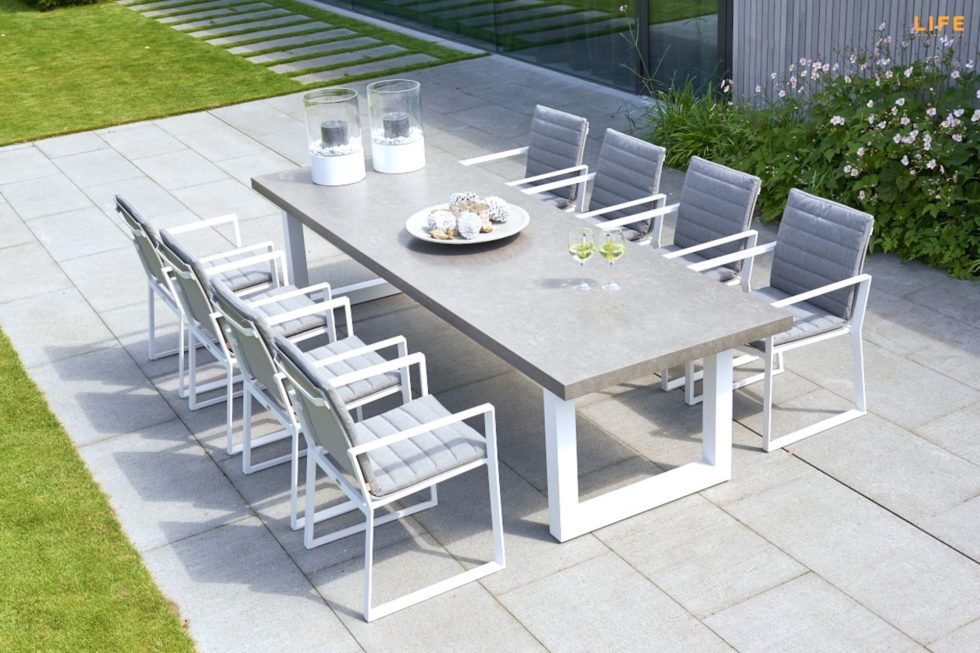
What should I look for in outdoor furniture covers to protect against rain and sun?
When selecting outdoor furniture covers to protect against rain and sun, there are several factors to consider. Here are some key features to look for:
1. Waterproof or Water-Resistant Material: Look for covers made from waterproof or water-resistant materials to protect your outdoor furniture from rain. Materials such as polyester, vinyl, or specially coated fabrics are effective in repelling water and preventing it from seeping through the cover and damaging the furniture.
2. UV Protection: Sun exposure can cause fading, discoloration, and deterioration of outdoor furniture. Ensure that the covers you choose offer UV protection to shield your furniture from harmful UV rays. Look for covers made from materials with UV-resistant coatings or those specifically designed to block UV radiation.
3. Durable Construction: Outdoor furniture covers should be constructed with durable materials and strong stitching to withstand the elements. Look for covers with reinforced seams and high-quality materials that can resist tearing and abrasion. Reinforced corners or straps can also help secure the covers in place during windy conditions.
4. Proper Fit: It’s important to choose covers that fit your outdoor furniture properly. Covers that are too small may not provide adequate protection, while those that are too large may be prone to being blown away or collecting water. Look for covers with adjustable straps, drawstrings, or elastic hems that allow you to secure them snugly around the furniture.
5. Breathability: While it’s essential for outdoor furniture covers to be waterproof, they should also be breathable to prevent the buildup of condensation and promote airflow. Look for covers with vents or mesh panels that allow moisture to escape, reducing the risk of mold or mildew formation.
6. Ease of Use and Maintenance: Consider covers that are easy to put on and take off your outdoor furniture. Covers with features like zipper closures, Velcro straps, or buckles can make the process more convenient. Additionally, look for covers that are easy to clean and maintain, as they will require periodic washing to remove dirt, debris, and stains.
7. Warranty: Check if the outdoor furniture covers come with a warranty. A warranty indicates that the manufacturer stands behind the quality and durability of their product.
When purchasing outdoor furniture covers, it’s advisable to measure your furniture dimensions accurately and choose covers that are designed for your specific furniture type or style. This will ensure a better fit and optimal protection.

What are the benefits of investing in high-quality outdoor furniture?
Investing in high-quality outdoor furniture offers numerous benefits that make it a worthwhile investment. Here are the key advantages of choosing high-quality outdoor furniture:
1. Durability and Longevity: High-quality outdoor furniture is built to withstand the elements and is often made from durable materials. It can resist fading, rusting, warping, and other forms of damage caused by sun exposure, rain, wind, or temperature fluctuations. Investing in durable furniture ensures it lasts for many years, saving you money in the long run.
2. Comfort and Ergonomics: High-quality outdoor furniture is designed with comfort in mind. It often includes features such as ergonomic shapes, supportive cushions, and adjustable components. You and your guests can enjoy the outdoor space comfortably, whether you’re lounging, dining, or socializing.
3. Enhanced Aesthetics: High-quality outdoor furniture tends to have better craftsmanship and attention to detail, resulting in a more attractive and visually appealing appearance. It can elevate the aesthetic appeal of your outdoor space, creating a stylish and inviting atmosphere.
4. Low Maintenance: High-quality outdoor furniture typically requires less maintenance compared to lower-quality alternatives. It is often designed to be resistant to stains, fading, and other forms of wear and tear, reducing the need for frequent cleaning or repairs. This saves you time and effort in maintaining your outdoor furniture.
5. Functionality and Versatility: High-quality outdoor furniture often offers a range of functional features and versatile designs. It may include modular components, adjustable settings, or multi-purpose functionality, allowing you to adapt the furniture to different activities or changing needs. This flexibility enhances the usability and practicality of your outdoor space.
6. Warranty and Customer Support: High-quality outdoor furniture is often backed by warranties from the manufacturer or retailer. This provides peace of mind, as you can rely on the warranty to address any manufacturing defects or issues that may arise. Additionally, reputable brands that offer high-quality furniture often have good customer support, ensuring you receive assistance if needed.
7. Value and Investment: While high-quality outdoor furniture may have a higher upfront cost, it offers better value and return on investment over time. The durability, longevity, and overall performance of high-quality furniture make it a wise investment that can withstand the test of time and provide enjoyment for years to come.
By investing in high-quality outdoor furniture, you can create a comfortable, durable, and visually appealing outdoor space that enhances your lifestyle and adds value to your home.
editor by CX 2023-11-27
China Good quality Medical Water-Lubrication Oil Free Oilless Single Screw Air Compressor with Good quality
Product Description
How about your after-sales service?
a.Provide customers with installation and commissioning online instructions.
b.Well-trained engineers available to overseas service.
c.CHINAMFG agents and after service available.
| Lubrication Style: | Oil-free |
|---|---|
| Cooling System: | Air Cooling |
| Power Source: | AC Power |
| Customization: |
Available
|
|
|---|
.shipping-cost-tm .tm-status-off{background: none;padding:0;color: #1470cc}
| Shipping Cost:
Estimated freight per unit. |
about shipping cost and estimated delivery time. |
|---|
| Payment Method: |
|
|---|---|
|
Initial Payment Full Payment |
| Currency: | US$ |
|---|
| Return&refunds: | You can apply for a refund up to 30 days after receipt of the products. |
|---|
Can air compressors be used for shipbuilding and maritime applications?
Air compressors are widely used in shipbuilding and maritime applications for a variety of tasks and operations. The maritime industry relies on compressed air for numerous essential functions. Here’s an overview of how air compressors are employed in shipbuilding and maritime applications:
1. Pneumatic Tools and Equipment:
Air compressors are extensively used to power pneumatic tools and equipment in shipbuilding and maritime operations. Pneumatic tools such as impact wrenches, drills, grinders, sanders, and chipping hammers require compressed air to function. The versatility and power provided by compressed air make it an ideal energy source for heavy-duty tasks, maintenance, and construction activities in shipyards and onboard vessels.
2. Painting and Surface Preparation:
Air compressors play a crucial role in painting and surface preparation during shipbuilding and maintenance. Compressed air is used to power air spray guns, sandblasting equipment, and other surface preparation tools. Compressed air provides the force necessary for efficient and uniform application of paints, coatings, and protective finishes, ensuring the durability and aesthetics of ship surfaces.
3. Pneumatic Actuation and Controls:
Air compressors are employed in pneumatic actuation and control systems onboard ships. Compressed air is used to operate pneumatic valves, actuators, and control devices that regulate the flow of fluids, control propulsion systems, and manage various shipboard processes. Pneumatic control systems offer reliability and safety advantages in maritime applications.
4. Air Start Systems:
In large marine engines, air compressors are used in air start systems. Compressed air is utilized to initiate the combustion process in the engine cylinders. The compressed air is injected into the cylinders to turn the engine’s crankshaft, enabling the ignition of fuel and starting the engine. Air start systems are commonly found in ship propulsion systems and power generation plants onboard vessels.
5. Pneumatic Conveying and Material Handling:
In shipbuilding and maritime operations, compressed air is used for pneumatic conveying and material handling. Compressed air is utilized to transport bulk materials, such as cement, sand, and grain, through pipelines or hoses. Pneumatic conveying systems enable efficient and controlled transfer of materials, facilitating construction, cargo loading, and unloading processes.
6. Air Conditioning and Ventilation:
Air compressors are involved in air conditioning and ventilation systems onboard ships. Compressed air powers air conditioning units, ventilation fans, and blowers, ensuring proper air circulation, cooling, and temperature control in various ship compartments, cabins, and machinery spaces. Compressed air-driven systems contribute to the comfort, safety, and operational efficiency of maritime environments.
These are just a few examples of how air compressors are utilized in shipbuilding and maritime applications. Compressed air’s versatility, reliability, and convenience make it an indispensable energy source for various tasks and systems in the maritime industry.
How do you choose the right air compressor for woodworking?
Choosing the right air compressor for woodworking is essential to ensure efficient and effective operation of pneumatic tools and equipment. Here are some factors to consider when selecting an air compressor for woodworking:
1. Required Air Volume (CFM):
Determine the required air volume or cubic feet per minute (CFM) for your woodworking tools and equipment. Different tools have varying CFM requirements, so it is crucial to choose an air compressor that can deliver the required CFM to power your tools effectively. Make sure to consider the highest CFM requirement among the tools you’ll be using simultaneously.
2. Tank Size:
Consider the tank size of the air compressor. A larger tank allows for more stored air, which can be beneficial when using tools that require short bursts of high air volume. It helps maintain a consistent air supply and reduces the frequency of the compressor cycling on and off. However, if you have tools with continuous high CFM demands, a larger tank may not be as critical.
3. Maximum Pressure (PSI):
Check the maximum pressure (PSI) rating of the air compressor. Woodworking tools typically operate within a specific PSI range, so ensure that the compressor can provide the required pressure. It is advisable to choose an air compressor with a higher maximum PSI rating to accommodate any future tool upgrades or changes in your woodworking needs.
4. Noise Level:
Consider the noise level of the air compressor, especially if you’ll be using it in a residential or shared workspace. Some air compressors have noise-reducing features or are designed to operate quietly, making them more suitable for woodworking environments where noise control is important.
5. Portability:
Assess the portability requirements of your woodworking projects. If you need to move the air compressor frequently or work in different locations, a portable and lightweight compressor may be preferable. However, if the compressor will remain stationary in a workshop, a larger, stationary model might be more suitable.
6. Power Source:
Determine the power source available in your woodworking workspace. Air compressors can be powered by electricity or gasoline engines. If electricity is readily available, an electric compressor may be more convenient and cost-effective. Gasoline-powered compressors offer greater flexibility for remote or outdoor woodworking projects where electricity may not be accessible.
7. Quality and Reliability:
Choose an air compressor from a reputable manufacturer known for producing reliable and high-quality equipment. Read customer reviews and consider the warranty and after-sales support offered by the manufacturer to ensure long-term satisfaction and reliability.
8. Budget:
Consider your budget and balance it with the features and specifications required for your woodworking needs. While it’s important to invest in a reliable and suitable air compressor, there are options available at various price points to accommodate different budgets.
By considering these factors and evaluating your specific woodworking requirements, you can choose an air compressor that meets the demands of your tools, provides efficient performance, and enhances your woodworking experience.
.webp)
What maintenance is required for air compressors?
Maintaining air compressors is essential to ensure their optimal performance, longevity, and safe operation. Regular maintenance helps prevent breakdowns, improves efficiency, and reduces the risk of accidents. Here are some key maintenance tasks for air compressors:
1. Regular Inspection: Perform visual inspections of the air compressor to identify any signs of wear, damage, or leaks. Inspect the compressor, hoses, fittings, and connections for any abnormalities. Pay attention to oil leaks, loose bolts, and worn-out components.
2. Oil Changes: If your air compressor has an oil lubrication system, regular oil changes are crucial. Follow the manufacturer’s recommendations for the frequency of oil changes and use the recommended oil type. Dirty or degraded oil can impact compressor performance and lead to premature wear.
3. Air Filter Cleaning or Replacement: Clean or replace the air filter regularly to ensure proper air intake and prevent contaminants from entering the compressor. Clogged or dirty filters can restrict airflow and reduce efficiency.
4. Drain Moisture: Air compressors produce moisture as a byproduct of the compression process. Accumulated moisture in the tank can lead to rust and corrosion. Drain the moisture regularly from the tank to prevent damage. Some compressors have automatic drains, while others require manual draining.
5. Belt Inspection and Adjustment: If your compressor has a belt-driven system, inspect the belts for signs of wear, cracks, or tension issues. Adjust or replace the belts as necessary to maintain proper tension and power transmission.
6. Tank Inspection: Inspect the compressor tank for any signs of corrosion, dents, or structural issues. A damaged tank can be hazardous and should be repaired or replaced promptly.
7. Valve Maintenance: Check the safety valves, pressure relief valves, and other valves regularly to ensure they are functioning correctly. Test the valves periodically to verify their proper operation.
8. Motor and Electrical Components: Inspect the motor and electrical components for any signs of damage or overheating. Check electrical connections for tightness and ensure proper grounding.
9. Keep the Area Clean: Maintain a clean and debris-free area around the compressor. Remove any dirt, dust, or obstructions that can hinder the compressor’s performance or cause overheating.
10. Follow Manufacturer’s Guidelines: Always refer to the manufacturer’s manual for specific maintenance instructions and recommended service intervals for your air compressor model. They provide valuable information on maintenance tasks, lubrication requirements, and safety precautions.
Regular maintenance is vital to keep your air compressor in optimal condition and extend its lifespan. It’s also important to note that maintenance requirements may vary depending on the type, size, and usage of the compressor. By following a comprehensive maintenance routine, you can ensure the reliable operation of your air compressor and maximize its efficiency and longevity.
editor by CX 2023-11-27