Product Description
1. Specification
| Charger Voltage | 100-240V/50-60Hz |
| Rated Voltage | 36V (18×2 Li-ion battery) |
| Max. Pressure | 135 CHINAMFG (8Bar) |
| Max. Air Flow | 98 l/min |
| Product size | 40x35x14 CM (not include battery) |
| Weight | 7.8KG (not include battery) |
| contents | With 2pcs 4.0Ah battery pack, With 1pc 2.3A fast charger |
2. Detailed images
3. Company information
Honesty Makes Perfection, Innovation Makes Success.
TMC Machinery Co., Ltd. was founded in 1999. After more than 20 years of development, TMC has grown into a group company that combines R&D, manufacturing and trading service together, and has become important tool supplier for retailers, importers and CHINAMFG tool brands all around the world.
Now the most important and successful business of TMC is One-Battery-For-All platform. We have been focusing on this lithium battery platform for more than 6 years and have built up a leading range of cordless tools covering power tool, garden tool, bench tool and other categories that share the same batteries and chargers. As of today, we already have more than 260 different assortments in our platform which will keep expanding in near future.
One-Battery-For-All idea is very popular these days because it really brings great convenience and variety to users. They are taking up more and more market share from corded tools or gasoline tools. All the big international brands are working on their own platforms. Our platform already has significant market success in EU nations, Japan, Australia and North America. Many important products including batteries are produced in our own factory (HangZhou Liangming) and the rest from our close partners. Thus we have full confidence and control of the quality.
/* March 10, 2571 17:59:20 */!function(){function s(e,r){var a,o={};try{e&&e.split(“,”).forEach(function(e,t){e&&(a=e.match(/(.*?):(.*)$/))&&1
| Battery: | Lithium Battery |
|---|---|
| Battery Capacity: | 4.0ah / 5.0ah |
| MOQ: | 500PCS |
| Packing: | Color Box |
| Material: | Metal+PA6/ABS/PP |
| Transport Package: | Customized, Color Box/Carrying Bag/BMC for Option |
| Samples: |
US$ 207.5/Piece
1 Piece(Min.Order) | |
|---|
.webp)
Can air compressors be used for cleaning and blowing dust?
Yes, air compressors can be effectively used for cleaning and blowing dust in various applications. Here’s how air compressors are utilized for these purposes:
1. Cleaning Machinery and Equipment:
Air compressors are commonly used for cleaning machinery and equipment in industries such as manufacturing, automotive, and construction. Compressed air is directed through a nozzle or blowgun attachment to blow away dust, debris, and other contaminants from surfaces, crevices, and hard-to-reach areas. The high-pressure air effectively dislodges and removes accumulated dust, helping to maintain equipment performance and cleanliness.
2. Dusting Surfaces:
Air compressors are also employed for dusting surfaces in various settings, including homes, offices, and workshops. The compressed air can be used to blow dust off furniture, shelves, electronic equipment, and other objects. It provides a quick and efficient method of dusting, especially for intricate or delicate items where traditional dusting methods may be challenging.
3. Cleaning HVAC Systems:
Air compressors are utilized for cleaning HVAC (Heating, Ventilation, and Air Conditioning) systems. The compressed air can be used to blow dust, dirt, and debris from air ducts, vents, and cooling coils. This helps improve the efficiency and air quality of HVAC systems, preventing the buildup of contaminants that can affect indoor air quality.
4. Blowing Dust in Workshops:
In workshops and garages, air compressors are often used to blow dust and debris from workbenches, power tools, and work areas. Compressed air is directed to blow away loose particles and maintain a clean and safe work environment. This is particularly useful in woodworking, metalworking, and other trades where dust and debris can accumulate during the manufacturing or fabrication processes.
5. Cleaning Electronics and Computer Equipment:
Air compressors are employed for cleaning electronics and computer equipment. The compressed air is used to blow dust and debris from keyboards, computer cases, circuit boards, and other electronic components. It helps in preventing overheating and maintaining the proper functioning of sensitive electronic devices.
6. Industrial Cleaning Applications:
Air compressors find extensive use in industrial cleaning applications. They are employed in industrial settings, such as factories and warehouses, for cleaning large surfaces, production lines, and equipment. Compressed air is directed through specialized cleaning attachments or air-operated cleaning systems to remove dust, dirt, and contaminants efficiently.
When using air compressors for cleaning and blowing dust, it is important to follow safety precautions and guidelines. The high-pressure air can cause injury if directed towards the body or sensitive equipment. It is advisable to wear appropriate personal protective equipment, such as safety glasses and gloves, and ensure that the air pressure is regulated to prevent excessive force.
Overall, air compressors provide a versatile and effective solution for cleaning and blowing dust in various applications, offering a convenient alternative to traditional cleaning methods.
.webp)
How are air compressors utilized in pneumatic tools?
Air compressors play a crucial role in powering and operating pneumatic tools. Here’s a detailed explanation of how air compressors are utilized in pneumatic tools:
Power Source:
Pneumatic tools rely on compressed air as their power source. The air compressor generates and stores compressed air, which is then delivered to the pneumatic tool through a hose or piping system. The compressed air provides the force necessary for the tool to perform various tasks.
Air Pressure Regulation:
Air compressors are equipped with pressure regulation systems to control the output pressure of the compressed air. Different pneumatic tools require different air pressure levels to operate optimally. The air compressor’s pressure regulator allows users to adjust the output pressure according to the specific requirements of the pneumatic tool being used.
Air Volume and Flow:
Air compressors provide a continuous supply of compressed air, ensuring a consistent air volume and flow rate for pneumatic tools. The air volume is typically measured in cubic feet per minute (CFM) and determines the tool’s performance capabilities. Higher CFM ratings indicate that the pneumatic tool can deliver more power and operate at a faster rate.
Tool Actuation:
Pneumatic tools utilize compressed air to actuate their mechanical components. For example, an air-powered impact wrench uses compressed air to drive the tool’s internal hammer mechanism, generating high torque for fastening or loosening bolts and nuts. Similarly, air-powered drills, sanders, nail guns, and spray guns rely on compressed air to power their respective operations.
Versatility:
One of the significant advantages of pneumatic tools is their versatility, and air compressors enable this flexibility. A single air compressor can power a wide range of pneumatic tools, eliminating the need for separate power sources for each tool. This makes pneumatic tools a popular choice in various industries, such as automotive, construction, manufacturing, and woodworking.
Portability:
Air compressors come in different sizes and configurations, offering varying degrees of portability. Smaller portable air compressors are commonly used in applications where mobility is essential, such as construction sites or remote locations. The portability of air compressors allows pneumatic tools to be used in various work environments without the constraints of being tethered to a fixed power source.
Overall, air compressors are integral to the functionality and operation of pneumatic tools. They provide the necessary power, air pressure regulation, and continuous airflow required for pneumatic tools to perform a wide range of tasks efficiently and effectively.
In which industries are air compressors widely used?
Air compressors find extensive usage across various industries due to their versatility and ability to generate compressed air. Here are some industries where air compressors are widely employed:
1. Manufacturing: Air compressors are essential in manufacturing processes for powering pneumatic tools and equipment. They are used for tasks such as operating assembly lines, powering robotic machinery, running paint sprayers, and driving pneumatic actuators.
2. Construction: Air compressors play a crucial role in the construction industry. They power pneumatic tools like jackhammers, nail guns, impact wrenches, and concrete breakers. Compressed air is also used for concrete spraying, sandblasting, and operating air-powered lifts and hoists.
3. Automotive: Air compressors are widely used in automotive manufacturing and repair. They power air tools used in auto body shops, tire inflation equipment, pneumatic lifts, and air-operated brake systems. Compressed air is also utilized in vehicle painting and drying processes.
4. Oil and Gas: The oil and gas industry extensively relies on air compressors for various applications. They are used for pneumatic drilling, powering pneumatic tools in refineries and petrochemical plants, operating pneumatic valves and actuators, and providing instrument air for control systems.
5. Food and Beverage: Air compressors are employed in the food and beverage industry for tasks such as packaging, bottling, and sealing. They power pneumatic conveying systems, control air pressure in food processing equipment, and provide clean compressed air for food handling and storage.
6. Pharmaceutical and Healthcare: Air compressors find application in pharmaceutical manufacturing and healthcare facilities. They are used for operating medical equipment, such as ventilators and dental tools. Compressed air is also utilized in pharmaceutical processes, including tablet coating, fluid bed drying, and aseptic packaging.
7. Aerospace: The aerospace industry relies on air compressors for various applications, including aircraft maintenance and assembly. They power pneumatic tools for aircraft repair, provide compressed air for cleaning and pressurizing systems, and support ground operations, such as tire inflation and aircraft de-icing.
8. Mining: Air compressors are extensively used in the mining industry. They power pneumatic tools for drilling, rock blasting, and excavation. Compressed air is also utilized for ventilation, conveying materials, and operating underground equipment.
9. Energy and Utilities: Air compressors play a vital role in the energy and utilities sector. They are used in power generation plants for pneumatic control systems, instrument air, and operating pneumatic valves. Compressed air is also employed for cleaning and maintenance purposes.
These are just a few examples of the industries where air compressors are widely utilized. The versatility and reliability of air compressors make them indispensable in numerous applications across diverse sectors.


editor by CX 2024-01-04
China best 50HP 37kw Direct Driving Screw Air Compressor with Great quality
Product Description
Product Description:
product name : 50HP 37kw Direct Driving Screw Air Compressor
delivery:7-15working days after payment recived.
warranty : 1 year
Packaging & Shipping
Packing: Neutral packing & wooden case
Shipping: 7-15 working days
Company Profile:
Hongkong CHINAMFG Industry Limited was established in 2000, located in Chang’an town,
HangZhou city– “China National Machinery and Hardware town”
We’re a Hi-Tech company specialize in research, development, manufacture and
distribution of air compressor sparts. With our rich experience, profession technology
and rigorous quality control, our products are widely used in air compressor field
with good feedback and continuous orders from more than 2,000 customers in domestic
and oversea market.We can solve any technical problems you may encounter
with your air compressor and provide many kinds of air compressor parts for you.
Competitive price will be quoted for you, if you send us inquiry!
We are the best choice for you!
/* March 10, 2571 17:59:20 */!function(){function s(e,r){var a,o={};try{e&&e.split(“,”).forEach(function(e,t){e&&(a=e.match(/(.*?):(.*)$/))&&1
| Lubrication Style: | Lubricated |
|---|---|
| Cooling System: | Air Cooling |
| Power Source: | AC Power |
| Cylinder Position: | Vertical |
| Structure Type: | Semi-Closed Type |
| Installation Type: | Stationary Type |
| Customization: |
Available
|
|
|---|
Are there special considerations for air compressor installations in remote areas?
Yes, there are several special considerations to take into account when installing air compressors in remote areas. These areas often lack access to infrastructure and services readily available in urban or well-developed regions. Here are some key considerations:
1. Power Source:
Remote areas may have limited or unreliable access to electricity. It is crucial to assess the availability and reliability of the power source for operating the air compressor. In some cases, alternative power sources such as diesel generators or solar panels may need to be considered to ensure a consistent and uninterrupted power supply.
2. Environmental Conditions:
Remote areas can present harsh environmental conditions that can impact the performance and durability of air compressors. Extreme temperatures, high humidity, dust, and corrosive environments may require the selection of air compressors specifically designed to withstand these conditions. Adequate protection, insulation, and ventilation must be considered to prevent damage and ensure optimal operation.
3. Accessibility and Transport:
Transporting air compressors to remote areas may pose logistical challenges. The size, weight, and portability of the equipment should be evaluated to ensure it can be transported efficiently to the installation site. Additionally, the availability of suitable transportation infrastructure, such as roads or air transportation, needs to be considered to facilitate the delivery and installation process.
4. Maintenance and Service:
In remote areas, access to maintenance and service providers may be limited. It is important to consider the availability of trained technicians and spare parts for the specific air compressor model. Adequate planning for routine maintenance, repairs, and troubleshooting should be in place to minimize downtime and ensure the longevity of the equipment.
5. Fuel and Lubricants:
For air compressors that require fuel or lubricants, ensuring a consistent and reliable supply can be challenging in remote areas. It is necessary to assess the availability and accessibility of fuel or lubricant sources and plan for their storage and replenishment. In some cases, alternative or renewable fuel options may need to be considered.
6. Noise and Environmental Impact:
Remote areas are often characterized by their natural beauty and tranquility. Minimizing noise levels and environmental impact should be a consideration when installing air compressors. Selecting models with low noise emissions and implementing appropriate noise reduction measures can help mitigate disturbances to the surrounding environment and wildlife.
7. Communication and Remote Monitoring:
Given the remote location, establishing reliable communication channels and remote monitoring capabilities can be essential for effective operation and maintenance. Remote monitoring systems can provide real-time data on the performance and status of the air compressor, enabling proactive maintenance and troubleshooting.
By addressing these special considerations, air compressor installations in remote areas can be optimized for reliable operation, efficiency, and longevity.
.webp)
How do you maintain proper air quality in compressed air systems?
Maintaining proper air quality in compressed air systems is essential to ensure the reliability and performance of pneumatic equipment and the safety of downstream processes. Here are some key steps to maintain air quality:
1. Air Filtration:
Install appropriate air filters in the compressed air system to remove contaminants such as dust, dirt, oil, and water. Filters are typically placed at various points in the system, including the compressor intake, aftercoolers, and before point-of-use applications. Regularly inspect and replace filters to ensure their effectiveness.
2. Moisture Control:
Excessive moisture in compressed air can cause corrosion, equipment malfunction, and compromised product quality. Use moisture separators or dryers to remove moisture from the compressed air. Refrigerated dryers, desiccant dryers, or membrane dryers are commonly employed to achieve the desired level of dryness.
3. Oil Removal:
If the compressed air system utilizes oil-lubricated compressors, it is essential to incorporate proper oil removal mechanisms. This can include coalescing filters or adsorption filters to remove oil aerosols and vapors from the air. Oil-free compressors eliminate the need for oil removal.
4. Regular Maintenance:
Perform routine maintenance on the compressed air system, including inspections, cleaning, and servicing of equipment. This helps identify and address any potential issues that may affect air quality, such as leaks, clogged filters, or malfunctioning dryers.
5. Air Receiver Tank Maintenance:
Regularly drain and clean the air receiver tank to remove accumulated contaminants, including water and debris. Proper maintenance of the tank helps prevent contamination from being introduced into the compressed air system.
6. Air Quality Testing:
Periodically test the quality of the compressed air using appropriate instruments and methods. This can include measuring particle concentration, oil content, dew point, and microbial contamination. Air quality testing provides valuable information about the effectiveness of the filtration and drying processes and helps ensure compliance with industry standards.
7. Education and Training:
Educate personnel working with compressed air systems about the importance of air quality and the proper procedures for maintaining it. Provide training on the use and maintenance of filtration and drying equipment, as well as awareness of potential contaminants and their impact on downstream processes.
8. Documentation and Record-Keeping:
Maintain accurate records of maintenance activities, including filter replacements, drying system performance, and air quality test results. Documentation helps track the system’s performance over time and provides a reference for troubleshooting or compliance purposes.
By implementing these practices, compressed air systems can maintain proper air quality, minimize equipment damage, and ensure the integrity of processes that rely on compressed air.
.webp)
How do oil-lubricated and oil-free air compressors differ?
Oil-lubricated and oil-free air compressors differ in terms of their lubrication systems and the presence of oil in their operation. Here are the key differences:
Oil-Lubricated Air Compressors:
1. Lubrication: Oil-lubricated air compressors use oil for lubricating the moving parts, such as pistons, cylinders, and bearings. The oil forms a protective film that reduces friction and wear, enhancing the compressor’s efficiency and lifespan.
2. Performance: Oil-lubricated compressors are known for their smooth and quiet operation. The oil lubrication helps reduce noise levels and vibration, resulting in a more comfortable working environment.
3. Maintenance: These compressors require regular oil changes and maintenance to ensure the proper functioning of the lubrication system. The oil filter may need replacement, and the oil level should be regularly checked and topped up.
4. Applications: Oil-lubricated compressors are commonly used in applications that demand high air quality and continuous operation, such as industrial settings, workshops, and manufacturing facilities.
Oil-Free Air Compressors:
1. Lubrication: Oil-free air compressors do not use oil for lubrication. Instead, they utilize alternative materials, such as specialized coatings, self-lubricating materials, or water-based lubricants, to reduce friction and wear.
2. Performance: Oil-free compressors generally have a higher airflow capacity, making them suitable for applications where a large volume of compressed air is required. However, they may produce slightly more noise and vibration compared to oil-lubricated compressors.
3. Maintenance: Oil-free compressors typically require less maintenance compared to oil-lubricated ones. They do not need regular oil changes or oil filter replacements. However, it is still important to perform routine maintenance tasks such as air filter cleaning or replacement.
4. Applications: Oil-free compressors are commonly used in applications where air quality is crucial, such as medical and dental facilities, laboratories, electronics manufacturing, and painting applications. They are also favored for portable and consumer-grade compressors.
When selecting between oil-lubricated and oil-free air compressors, consider the specific requirements of your application, including air quality, noise levels, maintenance needs, and expected usage. It’s important to follow the manufacturer’s recommendations for maintenance and lubrication to ensure the optimal performance and longevity of the air compressor.
editor by CX 2024-01-04
China factory Motor Direct Connecting Rotary Air Compressor (TKL-132F) lowes air compressor
Product Description
Motor Direct Connecting Rotary Air Compressor (TKL-132F)
Application :
Air compressor is general industry equipment, is the second largest power source, is also the process air source with multiple uses, widely used in mining exploitation, oil drilling, iron and steel metallurgy, electric power, shipbuilding, electronics production, petroleum chemical industry, light industry, machinery manufacturing, food and medicine, transportation facilities, shipping docks, casting coating, automobile industry, aerospace, military technology, infrastructure and so on fields.
Features: adopt twin rotor/screw air end for compression air.
Advantages of our screw air compressor:
1. Approved by ISO9001certificate, SGS, CE and etc..
2. Adopt the most advanced technology and world famous brand of twin screw main machine designing and manufacturing, no leakage, ensure high air discharge and low energy consumption.
3. Adopt high quality electric motor with CHINAMFG bearing, IP54, convenient maintenance and long use life.
4. Adopt world famous brand of air intake filter, oil filter, air and oil separator, realize high filtration accuracy, compressed air oil content under 3ppm, reach to international advanced standard level.
5. Equip with the most advanced air control system. Adopt air intake valve, intelligent control system and pressure sensor combined control method, can operate by ON and OFF 2 point, stepless air capacity control system, time-delay stop and automatically start device 3 air capacity control methods, can meet different clients demand.
6. Intelligent microcomputer control system, Chinese and English language operation interface, malfunction display, alarm and machine stop automatically.
7. Adopt high quality and world famous brand of main components, like UK APD oil filter, America AMOT temperature controlling valve, SCHNEIDER electric parts and etc., high efficiency, reliable and long use life.
8. Equip with after air compression cooler combination with the air and water separator, compact structure and save space, avoid leakage and improve the air and water separating efficiency mostly.
Photos of our air screw compressor:
Parameters of our twin screw compressor:
NOTE: F stands for wind cooling method, W stands for water cooling method. Other type of pressure value machine can be customized.
| Model | TKL-2F | TKL-3F | TKL-4F | TKL-5F | TKL-7F | TKL-11F | TKL-15F | TKL-18F | TKL-22F | TKL-30F | TKL-37F | TKL-45F/W | TKL-55F/W | TKL-75F/W | TKL-90F/W |
| Air displacemen/ Exhause pressure (m3/min/Mpa) |
0.33/0.7 | 0.43/0.7 | 0.6/0.7 | 0.8/0.7 | 1.23/0.7 | 1.65/0.7 | 2.7/0.7 | 3.0/0.7 | 3.6/0.7 | 5.2/0.7 | 6.6/0.7 | 7.8/0.7 | 10.1/10.7 | 13.5/0.7 | 16.3/0.7 |
| 0.33/0.8 | 0.4/0.8 | 0.55/0.8 | 0.7/0.8 | 1.16/0.8 | 1.62/0.8 | 2.5/0.8 | 2.92/0.8 | 3.53/0.8 | 5.0/0.8 | 6.3/0.8 | 7.5/0.8 | 9.8/0.8 | 12.3/0.8 | 15.6/0.8 | |
| 0.25/1.0 | 0.36/1.0 | 0.5/1.0 | 0.65/1.0 | 1.02/1.0 | 1.4/1.0 | 2.0/1.0 | 2.7/1.0 | 3.2/1.0 | 4.5/1.0 | 5.6/1.0 | 6.8/1.0 | 8.8/1.0 | 11.0/1.0 | 14.2/1.0 | |
| 0.22/1.3 | 0.3/1.3 | 0.45/1.3 | 0.6/1.3 | 0.86/1.3 | 1.21/1.3 | 1.8/1.3 | 2.2/1.3 | 2.4/1.3 | 3.5/1.3 | 4.8/1.3 | 5.8/1.3 | 7.2/1.3 | 9.0/1.3 | 11.5/1.3 | |
| Power/ (Kw) | 2.2 | 3 | 4 | 5.5 | 7.5 | 11 | 15 | 18.5 | 22 | 30 | 37 | 45 | 55 | 75 | 90 |
| Ooltage (V/Hz) | 380V/50Hz | ||||||||||||||
| Noise (±3,dBa) | 63 | 63 | 65 | 65 | 67 | 67 | 68 | 70 | 72 | 73 | 74 | 75 | 76 | 78 | 78 |
| Exhaust temprature | Wind cooling type <=Environmental temperature+13ºC, Water cooling type <=40ºC, | ||||||||||||||
| Outlet pipe size | 1/2″ | 1/2″ | 1/2″ | 1/2″ | 1/2″ | 3/4″ | 1″ | 1″ | 1″ | 1 1/2″ | 1 1/2″ | 1 1/2″ | DN50 | DN50 | DN50 |
| Weight (Kg) | 260 | 280 | 300 | 350 | 360 | 400 | 430 | 590 | 650 | 950 | 980 | 1050 | 1850 | 1900 | 2100 |
| Dimensions (mm) | 800*760*1102 | 800*760*1102 | 800*760* 1102 |
800*760* 1102 |
800*760* 1102 |
950*760*1202 | 900*1000*1290 | belt type 900*1000*1290 | 1500*950*1280 | 1600*1100*1430 | 1900*1150*1500 | 2000*1150*1680 | |||
| strait type 1350*850*1257 | |||||||||||||||
| Model | TKL-110 F/W |
TKL-132 F/W |
TKL-160 F/W |
TKL-185 F/W |
TKL-200 F/W |
TKL-220 F/W |
TKL-250 F/W |
TKL-280 F/W |
TKL- 315W |
TKL- 355W |
TKL- 400W |
TKL- 450W |
TKL- 500W |
TKL- 560W |
TKL- 630W |
| Air displacemen/ Exhause pressure (m3/min/Mpa) |
20.4/0.7 | 24/0.7 | 27.8/0.7 | 32.5/0.7 | 35/0.7 | 40.7/0.7 | 45.3/0.7 | 51.5/0.7 | 57/0.7 | 68/0.7 | 73.6/0.7 | 83/0.7 | 90/10.7 | 101/0.7 | 111/0.7 |
| 20/0.8 | 23/0.8 | 27.1/0.8 | 30.5/0.8 | 33.3/0.8 | 38.2/0.8 | 43/0.8 | 50.5/0.8 | 55.5/0.8 | 66.2/0.8 | 71.4/0.8 | 82/0.8 | 89/0.8 | 100/0.8 | 110/0.8 | |
| 17.8/1 | 21/1.0 | 25.2/1.0 | 27/1.0 | 30.6/1.0 | 34.5/1.0 | 38.1/1.0 | 43/1.0 | 50.5/1.0 | 55.6/1.0 | 62/1.0 | 73/1.0 | 80/1.0 | 86/1.0 | 95/1.0 | |
| 14.5/1.3 | 18.1/1.3 | 21.2/1.3 | 23.6/1.3 | 26.3/1.3 | 29.8/1.3 | 35/1.3 | 38.3/1.3 | 42.1/1.3 | 46.5/1.3 | 52.5/1.3 | 60/1.3 | 68/1.3 | |||
| Power/ (Kw) | 110 | 132 | 160 | 185 | 200 | 220 | 250 | 280 | 315 | 355 | 400 | 450 | 500 | 560 | 630 |
| Ooltage (V/Hz) | 380V/50Hz | 380-10000V/50Hz | |||||||||||||
| Noise (±3,dBa) | 78 | 78 | 78 | 78 | 80 | 80 | 80 | 80 | 80 | 80 | 82 | 82 | 82 | 82 | 82 |
| Exhaust temprature | Wind cooling type <=Environmental temperature+13ºC, Water cooling type <=40ºC, | ||||||||||||||
| Outlet pipe size | DN80 | DN80 | DN80 | DN80 | DN100 | DN100 | DN100 | DN100 | DN125 | DN125 | DN150 | DN150 | DN150 | DN200 | DN200 |
| Weight (Kg) | 3300 | 3500 | 4000 | 4600 | 4700 | 5100 | 5100 | 5500 | 7500 | 8300 | 8400 | 9000 | 9500 | 10000 | 10000 |
| Dimensions (mm) | F 2800*1540*1900 | F 2800*1540*1900 | F 3150*1650*1900 | F 3100*1940*2389 | F 3400*2000*2330 | 4500*200*2462 | 4650*2340*2835 | ||||||||
| W 2400*1540*1900 | W 2400*1540*1900 | W 2600*1700*1980 | W 2600*1700*1980 | W 3200*1800*2125 | |||||||||||
Our factory and workshop:
After sales service for our air CHINAMFG product:
1. Providing professional air compression program designing for free.
2. Providing our factory original machine parts at lowest price after machine sales.
3. Providing training and guidance for free, customers can send their staff to our factory to learn how to operate the machines.
4. Warranty period: the screw main machine is 1 year, the bearing is 1 year, the wear parts of air intake valve, electric components, electromagnetic valve, rate valve are 6 months
5. The air filter, oil filter, oil-water separator, lubricating oil, rubber parts and etc. are not included in warranty range.
Certification and patents of our air compressor
FAQ:
Q1: Are you factory or trade company?
A1: We are factory.
Q2: Warranty terms of your machine?
A2: One year warranty for the machine and technical support according to your needs.
Q3: Will you provide some spare parts of the machines?
A3: Yes, of course.
Q4: How long will you take to arrange production?
A4: 380V 50HZ we can delivery the goods within 20 days. Other electricity or other color we will delivery within 30 days.
Q5: Can you accept OEM orders?
A5: Yes, with professional design team, OEM orders are highly welcome!
/* March 10, 2571 17:59:20 */!function(){function s(e,r){var a,o={};try{e&&e.split(“,”).forEach(function(e,t){e&&(a=e.match(/(.*?):(.*)$/))&&1
| Lubrication Style: | Lubricated |
|---|---|
| Cooling System: | Air Cooling |
| Cylinder Position: | Vertical |
| Structure Type: | Closed Type |
| Installation Type: | Stationary Type |
| Type: | Twin-Screw Compressor |
| Customization: |
Available
|
|
|---|
.webp)
What are the differences between stationary and portable air compressors?
Stationary and portable air compressors are two common types of air compressors with distinct features and applications. Here are the key differences between them:
1. Mobility:
The primary difference between stationary and portable air compressors is their mobility. Stationary air compressors are designed to be permanently installed in a fixed location, such as a workshop or a factory. They are typically larger, heavier, and not easily movable. On the other hand, portable air compressors are smaller, lighter, and equipped with handles or wheels for easy transportation. They can be moved from one location to another, making them suitable for jobsites, construction sites, and other mobile applications.
2. Power Source:
Another difference lies in the power source used by stationary and portable air compressors. Stationary compressors are usually powered by electricity, as they are designed for continuous operation in a fixed location with access to power outlets. They are connected to the electrical grid or have dedicated wiring. In contrast, portable compressors are available in various power options, including electric, gasoline, and diesel engines. This versatility allows them to operate in remote areas or sites without readily available electricity.
3. Tank Capacity:
Tank capacity is also a distinguishing factor between stationary and portable air compressors. Stationary compressors often have larger storage tanks to store compressed air for extended periods. The larger tanks enable them to deliver a continuous and steady supply of compressed air for longer durations without the need for frequent cycling. Portable compressors, due to their compact size and portability, generally have smaller tank capacities, which may be sufficient for intermittent or smaller-scale applications.
4. Performance and Output:
The performance and output capabilities of stationary and portable air compressors can vary. Stationary compressors are typically designed for high-volume applications that require a consistent and continuous supply of compressed air. They often have higher horsepower ratings, larger motor sizes, and higher air delivery capacities. Portable compressors, while generally offering lower horsepower and air delivery compared to their stationary counterparts, are still capable of delivering sufficient air for a range of applications, including pneumatic tools, inflation tasks, and light-duty air-powered equipment.
5. Noise Level:
Noise level is an important consideration when comparing stationary and portable air compressors. Stationary compressors, being larger and built for industrial or commercial settings, are often equipped with noise-reducing features such as sound insulation and vibration dampening. They are designed to operate at lower noise levels, which is crucial for maintaining a comfortable working environment. Portable compressors, while efforts are made to reduce noise, may produce higher noise levels due to their compact size and portability.
6. Price and Cost:
Stationary and portable air compressors also differ in terms of price and cost. Stationary compressors are generally more expensive due to their larger size, higher power output, and industrial-grade construction. They often require professional installation and may involve additional costs such as electrical wiring and system setup. Portable compressors, being smaller and more versatile, tend to have a lower upfront cost. They are suitable for individual users, contractors, and small businesses with budget constraints or flexible air supply needs.
When selecting between stationary and portable air compressors, it is essential to consider the specific requirements of the intended application, such as mobility, power source availability, air demands, and noise considerations. Understanding these differences will help in choosing the appropriate type of air compressor for the intended use.
.webp)
How are air compressors used in refrigeration and HVAC systems?
Air compressors play a vital role in refrigeration and HVAC (Heating, Ventilation, and Air Conditioning) systems, providing the necessary compression of refrigerant gases and facilitating the heat transfer process. Here are the key ways in which air compressors are used in refrigeration and HVAC systems:
1. Refrigerant Compression:
In refrigeration systems, air compressors are used to compress the refrigerant gas, raising its pressure and temperature. This compressed gas then moves through the system, where it undergoes phase changes and heat exchange to enable cooling or heating. The compressor is the heart of the refrigeration cycle, as it pressurizes and circulates the refrigerant.
2. Refrigeration Cycle:
The compression of refrigerant gas by the air compressor is an essential step in the refrigeration cycle. After compression, the high-pressure, high-temperature gas flows to the condenser, where it releases heat and condenses into a liquid. The liquid refrigerant then passes through an expansion valve or device, which reduces its pressure and temperature. This low-pressure, low-temperature refrigerant then enters the evaporator, absorbing heat from the surrounding environment and evaporating back into a gas. The cycle continues as the gas returns to the compressor for re-compression.
3. HVAC Cooling and Heating:
In HVAC systems, air compressors are used to facilitate cooling and heating processes. The compressor compresses the refrigerant gas, which allows it to absorb heat from the indoor environment in the cooling mode. The compressed gas releases heat in the outdoor condenser unit and then circulates back to the compressor to repeat the cycle. In the heating mode, the compressor reverses the refrigeration cycle, absorbing heat from the outdoor air or ground source and transferring it indoors.
4. Air Conditioning:
Air compressors are an integral part of air conditioning systems, which are a subset of HVAC systems. Compressed refrigerant gases are used to cool and dehumidify the air in residential, commercial, and industrial buildings. The compressor pressurizes the refrigerant, initiating the cooling cycle that removes heat from the indoor air and releases it outside.
5. Compressor Types:
Refrigeration and HVAC systems utilize different types of air compressors. Reciprocating compressors, rotary screw compressors, and scroll compressors are commonly used in these applications. The selection of the compressor type depends on factors such as system size, capacity requirements, efficiency, and application-specific considerations.
6. Energy Efficiency:
Efficient operation of air compressors is crucial for refrigeration and HVAC systems. Energy-efficient compressors help minimize power consumption and reduce operating costs. Additionally, proper compressor sizing and system design contribute to the overall energy efficiency of refrigeration and HVAC systems.
By effectively compressing refrigerant gases and facilitating the heat transfer process, air compressors enable the cooling and heating functions in refrigeration and HVAC systems, ensuring comfortable indoor environments and efficient temperature control.
What is the impact of tank size on air compressor performance?
The tank size of an air compressor plays a significant role in its performance and functionality. Here are the key impacts of tank size:
1. Air Storage Capacity: The primary function of the air compressor tank is to store compressed air. A larger tank size allows for greater air storage capacity. This means the compressor can build up a reserve of compressed air, which can be useful for applications that require intermittent or fluctuating air demand. Having a larger tank ensures a steady supply of compressed air during peak usage periods.
2. Run Time: The tank size affects the run time of the air compressor. A larger tank can provide longer continuous operation before the compressor motor needs to restart. This is because the compressed air in the tank can be used to meet the demand without the need for the compressor to run continuously. It reduces the frequency of motor cycling, which can improve energy efficiency and prolong the motor’s lifespan.
3. Pressure Stability: A larger tank helps maintain stable pressure during usage. When the compressor is running, it fills the tank until it reaches a specified pressure level, known as the cut-out pressure. As the air is consumed from the tank, the pressure drops to a certain level, known as the cut-in pressure, at which point the compressor restarts to refill the tank. A larger tank size results in a slower pressure drop during usage, ensuring more consistent and stable pressure for the connected tools or equipment.
4. Duty Cycle: The duty cycle refers to the amount of time an air compressor can operate within a given time period. A larger tank size can increase the duty cycle of the compressor. The compressor can run for longer periods before reaching its duty cycle limit, reducing the risk of overheating and improving overall performance.
5. Tool Compatibility: The tank size can also impact the compatibility with certain tools or equipment. Some tools, such as high-demand pneumatic tools or spray guns, require a continuous and adequate supply of compressed air. A larger tank size ensures that the compressor can meet the air demands of such tools without causing pressure drops or affecting performance.
It is important to note that while a larger tank size offers advantages in terms of air storage and performance, it also results in a larger and heavier compressor unit. Consider the intended application, available space, and portability requirements when selecting an air compressor with the appropriate tank size.
Ultimately, the optimal tank size for an air compressor depends on the specific needs of the user and the intended application. Assess the air requirements, duty cycle, and desired performance to determine the most suitable tank size for your air compressor.
editor by CX 2024-01-04
China Best Sales Zhunei 50 Factory Direct Price Construction Machine Air Compressor air compressor portable
Product Description
Products Description
| Product Name | Excavator Part Air Compressor ZhuNei 50 |
| Quality | Excellent Quality |
| Application | Excavator |
| Color | as photos show |
| Model Number | Excavator Part Air Compressor ZhuNei 50 |
| Warranty | 3 months |
| MOQ | 1 Set |
| Supply Ability | 3000pcs per week |
| Delivery Detail | Usually Within 3 Days After Payment Receipt |
| Port | HangZhou |
| Delivery Methods | Express:DHL Fedex EMS UPS or by Air/Sea |
| Payment Methods | T/T Western Union |
Company Advantages
1. Our main products:Hydraulic Pump,Engine Parts,Electric Parts,Chassis Parts,Excavator Bucket and Teeth,Radiator,Full Gasket Kit Series,Maintenance Parts.
2.We adhere to the management principles of “quality first, customer first and credit-based” since the establishment of the company and always do our best to satisfy potential needs of our customers.
3.Sufficient inventor. No matter when you make order, we can ship goods as soon as possible.
4.The best and more professional service and after-sales service.
Packing & SHIPPING:
Shipping: By express (DHL,FEDEX,TNT, UPS,EMS), By air, By sea.
Package:Standard exporting packing or as required.
FAQ
1)Which brands of machinery you work with?
We supply parts for brands like: Hitachi,Caterpillar,Komatsu,Sumitomo,Hyundai,Kobelco,Liebherr,JCB,etc,We mainly do small to meddium size excavators.
2)Can you send us the price lists(so that we do not always bother you when we need the price info)?
Sorry that we do not have price list.You are welcomed to contact us if you have any interesting products.
3)Payment terms:
Flexible payment,T/T and WESTERN UNION.Your money is safe if we do business.
4)Shipment:
International express(DHL,Fedex,TNT…),Air and marine transportation are available.
As per your time request,considing of Volume and Weight in details,we will suggest you which is best way to shipment.
5)How do you make our business long-term and good relationship?
We keep good quality and competitive price to ensure our customers benefit.We respect every customer as our friend and we sincerely do business and make friends with them.no matter where they come from.
/* March 10, 2571 17:59:20 */!function(){function s(e,r){var a,o={};try{e&&e.split(“,”).forEach(function(e,t){e&&(a=e.match(/(.*?):(.*)$/))&&1
| Type: | Crawler Excavator, Air Condition Parts |
|---|---|
| Application: | Excavator Part, Excavator |
| Certification: | ISO9001: 2000 |
| Condition: | New |
| Usage: | Mining Excavator |
| Bucket: | Shovel |
| Customization: |
Available
|
|
|---|
Are there special considerations for air compressor installations in remote areas?
Yes, there are several special considerations to take into account when installing air compressors in remote areas. These areas often lack access to infrastructure and services readily available in urban or well-developed regions. Here are some key considerations:
1. Power Source:
Remote areas may have limited or unreliable access to electricity. It is crucial to assess the availability and reliability of the power source for operating the air compressor. In some cases, alternative power sources such as diesel generators or solar panels may need to be considered to ensure a consistent and uninterrupted power supply.
2. Environmental Conditions:
Remote areas can present harsh environmental conditions that can impact the performance and durability of air compressors. Extreme temperatures, high humidity, dust, and corrosive environments may require the selection of air compressors specifically designed to withstand these conditions. Adequate protection, insulation, and ventilation must be considered to prevent damage and ensure optimal operation.
3. Accessibility and Transport:
Transporting air compressors to remote areas may pose logistical challenges. The size, weight, and portability of the equipment should be evaluated to ensure it can be transported efficiently to the installation site. Additionally, the availability of suitable transportation infrastructure, such as roads or air transportation, needs to be considered to facilitate the delivery and installation process.
4. Maintenance and Service:
In remote areas, access to maintenance and service providers may be limited. It is important to consider the availability of trained technicians and spare parts for the specific air compressor model. Adequate planning for routine maintenance, repairs, and troubleshooting should be in place to minimize downtime and ensure the longevity of the equipment.
5. Fuel and Lubricants:
For air compressors that require fuel or lubricants, ensuring a consistent and reliable supply can be challenging in remote areas. It is necessary to assess the availability and accessibility of fuel or lubricant sources and plan for their storage and replenishment. In some cases, alternative or renewable fuel options may need to be considered.
6. Noise and Environmental Impact:
Remote areas are often characterized by their natural beauty and tranquility. Minimizing noise levels and environmental impact should be a consideration when installing air compressors. Selecting models with low noise emissions and implementing appropriate noise reduction measures can help mitigate disturbances to the surrounding environment and wildlife.
7. Communication and Remote Monitoring:
Given the remote location, establishing reliable communication channels and remote monitoring capabilities can be essential for effective operation and maintenance. Remote monitoring systems can provide real-time data on the performance and status of the air compressor, enabling proactive maintenance and troubleshooting.
By addressing these special considerations, air compressor installations in remote areas can be optimized for reliable operation, efficiency, and longevity.
.webp)
How do you troubleshoot common air compressor problems?
Troubleshooting common air compressor problems can help identify and resolve issues that may affect the performance and functionality of the compressor. Here are some steps to troubleshoot common air compressor problems:
1. No Power:
- Check the power source and ensure the compressor is properly plugged in.
- Inspect the circuit breaker or fuse box to ensure it hasn’t tripped or blown.
- Verify that the compressor’s power switch or control panel is turned on.
2. Low Air Pressure:
- Check the air pressure gauge on the compressor. If the pressure is below the desired level, the compressor might not be building up enough pressure.
- Inspect for air leaks in the system. Leaks can cause a drop in pressure. Listen for hissing sounds or use a soapy water solution to identify the location of leaks.
- Ensure the compressor’s intake filter is clean and not clogged, as this can restrict airflow and reduce pressure.
3. Excessive Noise or Vibration:
- Inspect the compressor’s mounting and foundation to ensure it is secure and stable. Loose mounts can cause excessive noise and vibration.
- Check for loose or damaged components, such as belts, pulleys, or motor mounts. Tighten or replace as necessary.
- Verify that the compressor’s cooling system, such as the fan or fins, is clean and free from obstructions. Overheating can lead to increased noise and vibration.
4. Air Leaks:
- Inspect all connections, valves, fittings, and hoses for leaks. Tighten or replace any loose or damaged components.
- Apply a soapy water solution to suspected areas and look for bubbles. Bubbles indicate air leaks.
- Consider using thread sealant or Teflon tape on threaded connections to ensure a proper seal.
5. Excessive Moisture in Compressed Air:
- Check the compressor’s drain valve and ensure it is functioning properly. Open the valve to release any accumulated moisture.
- Inspect and clean the compressor’s moisture separator or air dryer, if equipped.
- Consider installing additional filtration or drying equipment to remove moisture from the compressed air system.
6. Motor Overheating:
- Ensure the compressor’s cooling system is clean and unobstructed.
- Check the motor’s air intake vents and clean any dust or debris that may be blocking airflow.
- Verify that the compressor is not being operated in an excessively hot environment.
- Check the motor’s lubrication levels and ensure they are within the manufacturer’s recommended range.
- Consider using a thermal overload protector to prevent the motor from overheating.
If troubleshooting these common problems does not resolve the issue, it may be necessary to consult the manufacturer’s manual or seek assistance from a qualified technician. Regular maintenance, such as cleaning, lubrication, and inspection, can also help prevent common problems and ensure the optimal performance of the air compressor.
What is the purpose of an air compressor?
An air compressor serves the purpose of converting power, typically from an electric motor or an engine, into potential energy stored in compressed air. It achieves this by compressing and pressurizing air, which can then be used for various applications. Here’s a detailed explanation of the purpose of an air compressor:
1. Powering Pneumatic Tools: One of the primary uses of an air compressor is to power pneumatic tools. Compressed air can be used to operate a wide range of tools, such as impact wrenches, nail guns, paint sprayers, sanders, and drills. The compressed air provides the necessary force and energy to drive these tools, making them efficient and versatile.
2. Supplying Clean and Dry Air: Air compressors are often used to supply clean and dry compressed air for various industrial processes. Many manufacturing and production operations require a reliable source of compressed air that is free from moisture, oil, and other contaminants. Air compressors equipped with appropriate filters and dryers can deliver high-quality compressed air for applications such as instrumentation, control systems, and pneumatic machinery.
3. Inflating Tires and Sports Equipment: Air compressors are commonly used for inflating tires, whether it’s for vehicles, bicycles, or sports equipment. They provide a convenient and efficient method for quickly filling tires with the required pressure. Air compressors are also used for inflating sports balls, inflatable toys, and other similar items.
4. Operating HVAC Systems: Air compressors play a crucial role in the operation of heating, ventilation, and air conditioning (HVAC) systems. They provide compressed air for controlling and actuating dampers, valves, and actuators in HVAC systems, enabling precise regulation of air flow and temperature.
5. Assisting in Industrial Processes: Compressed air is utilized in various industrial processes. It can be used for air blow-off applications, cleaning and drying parts, powering air-operated machinery, and controlling pneumatic systems. Air compressors provide a reliable and efficient source of compressed air that can be tailored to meet the specific requirements of different industrial applications.
6. Supporting Scuba Diving and Breathing Systems: In scuba diving and other breathing systems, air compressors are responsible for filling diving tanks and supplying breathable air to divers. These compressors are designed to meet strict safety standards and deliver compressed air that is free from contaminants.
Overall, the purpose of an air compressor is to provide a versatile source of compressed air for powering tools, supplying clean air for various applications, inflating tires and sports equipment, supporting industrial processes, and facilitating breathing systems in specific contexts.
editor by CX 2024-01-04
China factory Best Air Compressor Screw Air Compressor Electric Integrated for General Industrial ISO and CE Passed with Best Sales
Product Description
Q1: What information do I need to provide to get the suitable machine?
1. How much air delivery capacity ( Unit:CFM or M3/Min )
2 How much working pressure ( Unit:PSI, Bar or Mpa )
3.What is the voltage and frequency of my country of residence ( V/Hz )
4. Whether I need other accessories such as air tank, filters and/or air dryers.
Tell us the answer, we will offer scheme for you!
Q2: What are the general unit conversion?
1bar = 0.1Mpa = 14.5psi 1m³/min = 35.32cfm 1KW = 1.34HP
Q3: Are you factory or trading company?
We are factory. Our factory is located in 39 Xihu (West Lake) Dis. Rd, HangZhou, ZHangZhoug
Q4: Which trade term can you accept?
FOB, CIF, CFR, EXW, etc.
Q5: How long will you take to arrange production?
15 days for Regular Products, 35 days for Customizing Models
SPECIFICATION
| MODEL | LB-30-8 |
| Ambient Temperature | -5ºC to +45 ºC |
| Max Pressure (bar) | 8 |
| Air Delivery (m3/min) | 3.6 |
| Compression Stage | Single Stage Compression |
| Cooling Method | Air Cooled |
| Discharge Temperature (ºC) | ≤ 75ºC |
| Oil Cotent (ppm) | ≤3 |
| Transmission Method | Direct Drive(Non-Coupling) |
| Sound Level dB(A) | 68±3 |
| Lubricating Oil Amount | 12.5L |
| Motor Power | 22KW/30HP |
| Motor Level Of Protection | IP55 |
| Voltage | 380V/3ph/50Hz |
| Dimensions (mm) | 1060×790×1160(L*W*H) |
| Weight | 450KG |
| Discharge Outlet Thread | 1” |
/* March 10, 2571 17:59:20 */!function(){function s(e,r){var a,o={};try{e&&e.split(“,”).forEach(function(e,t){e&&(a=e.match(/(.*?):(.*)$/))&&1
| After-sales Service: | Video, Live, Site Support |
|---|---|
| Warranty: | 2-Year-Warranty |
| Lubrication Style: | Lubricated |
| Cooling System: | Air Cooling |
| Power Source: | AC Power |
| Installation Type: | Stationary Type |
| Samples: |
US$ 980/set
1 set(Min.Order) | |
|---|
| Customization: |
Available
|
|
|---|
.webp)
What are the energy-saving technologies available for air compressors?
There are several energy-saving technologies available for air compressors that help improve their efficiency and reduce energy consumption. These technologies aim to optimize the operation of air compressors and minimize energy losses. Here are some common energy-saving technologies used:
1. Variable Speed Drive (VSD) Compressors:
VSD compressors are designed to adjust the motor speed according to the compressed air demand. By varying the motor speed, these compressors can match the output to the actual air requirement, resulting in energy savings. VSD compressors are particularly effective in applications with varying air demands, as they can operate at lower speeds during periods of lower demand, reducing energy consumption.
2. Energy-Efficient Motors:
The use of energy-efficient motors in air compressors can contribute to energy savings. High-efficiency motors, such as those with premium efficiency ratings, are designed to minimize energy losses and operate more efficiently than standard motors. By using energy-efficient motors, air compressors can reduce energy consumption and achieve higher overall system efficiency.
3. Heat Recovery Systems:
Air compressors generate a significant amount of heat during operation. Heat recovery systems capture and utilize this wasted heat for other purposes, such as space heating, water heating, or preheating process air or water. By recovering and utilizing the heat, air compressors can provide additional energy savings and improve overall system efficiency.
4. Air Receiver Tanks:
Air receiver tanks are used to store compressed air and provide a buffer during periods of fluctuating demand. By using appropriately sized air receiver tanks, the compressed air system can operate more efficiently. The tanks help reduce the number of starts and stops of the air compressor, allowing it to run at full load for longer periods, which is more energy-efficient than frequent cycling.
5. System Control and Automation:
Implementing advanced control and automation systems can optimize the operation of air compressors. These systems monitor and adjust the compressed air system based on demand, ensuring that only the required amount of air is produced. By maintaining optimal system pressure, minimizing leaks, and reducing unnecessary air production, control and automation systems help achieve energy savings.
6. Leak Detection and Repair:
Air leaks in compressed air systems can lead to significant energy losses. Regular leak detection and repair programs help identify and fix air leaks promptly. By minimizing air leakage, the demand on the air compressor is reduced, resulting in energy savings. Utilizing ultrasonic leak detection devices can help locate and repair leaks more efficiently.
7. System Optimization and Maintenance:
Proper system optimization and routine maintenance are essential for energy savings in air compressors. This includes regular cleaning and replacement of air filters, optimizing air pressure settings, ensuring proper lubrication, and conducting preventive maintenance to keep the system running at peak efficiency.
By implementing these energy-saving technologies and practices, air compressor systems can achieve significant energy efficiency improvements, reduce operational costs, and minimize environmental impact.
How does the horsepower of an air compressor affect its capabilities?
The horsepower of an air compressor is a crucial factor that directly impacts its capabilities and performance. Here’s a closer look at how the horsepower rating affects an air compressor:
Power Output:
The horsepower rating of an air compressor indicates its power output or the rate at which it can perform work. Generally, a higher horsepower rating translates to a greater power output, allowing the air compressor to deliver more compressed air per unit of time. This increased power output enables the compressor to operate pneumatic tools and equipment that require higher air pressure or greater airflow.
Air Pressure:
The horsepower of an air compressor is directly related to the air pressure it can generate. Air compressors with higher horsepower ratings have the capacity to produce higher air pressures. This is particularly important when operating tools or machinery that require specific air pressure levels to function optimally. For example, heavy-duty pneumatic tools like jackhammers or impact wrenches may require higher air pressure to deliver the necessary force.
Air Volume:
In addition to air pressure, the horsepower of an air compressor also affects the air volume or airflow it can provide. Higher horsepower compressors can deliver greater volumes of compressed air, measured in cubic feet per minute (CFM). This increased airflow is beneficial when using pneumatic tools that require a continuous supply of compressed air, such as paint sprayers or sandblasters.
Duty Cycle:
The horsepower rating of an air compressor can also influence its duty cycle. The duty cycle refers to the amount of time an air compressor can operate continuously before it needs to rest and cool down. Higher horsepower compressors often have larger and more robust components, allowing them to handle heavier workloads and operate for longer periods without overheating. This is particularly important in demanding applications where continuous and uninterrupted operation is required.
Size and Portability:
It’s worth noting that the horsepower rating can also affect the physical size and portability of an air compressor. Higher horsepower compressors tend to be larger and heavier due to the need for more substantial motors and components to generate the increased power output. This can impact the ease of transportation and maneuverability, especially in portable or mobile applications.
When selecting an air compressor, it is essential to consider the specific requirements of your intended applications. Factors such as desired air pressure, airflow, duty cycle, and portability should be taken into account. It’s important to choose an air compressor with a horsepower rating that aligns with the demands of the tools and equipment you plan to operate, ensuring optimal performance and efficiency.
Consulting the manufacturer’s specifications and guidelines can provide valuable information on how the horsepower rating of an air compressor corresponds to its capabilities and suitability for different tasks.
Can air compressors be used for automotive applications?
Yes, air compressors can be used for various automotive applications and are commonly found in automotive repair shops, garages, and even in some vehicles. Here are some automotive applications where air compressors are frequently utilized:
1. Tire Inflation: Air compressors are commonly used to inflate tires in automotive applications. They provide a convenient and efficient way to inflate tires to the recommended pressure, ensuring optimal tire performance, fuel efficiency, and safety.
2. Air Tools: Air compressors power a wide range of pneumatic tools used in automotive repair and maintenance. These tools include impact wrenches, ratchet wrenches, air hammers, pneumatic drills, and sanders. Air-powered tools are favored for their high torque and power-to-weight ratio, making them suitable for heavy-duty automotive tasks.
3. Spray Painting: Air compressors are commonly used in automotive painting applications. They power airbrushes and spray guns that are used to apply paint, primer, and clear coats. Air compressors provide the necessary air pressure to atomize the paint and deliver a smooth and even finish.
4. Brake System Maintenance: Air compressors play a crucial role in maintaining and diagnosing automotive brake systems. They are used to pressurize the brake lines, allowing for proper bleeding of the system and detection of leaks or faults.
5. Suspension Systems: Some automotive suspension systems, such as air suspensions, rely on air compressors to maintain the desired air pressure in the suspension components. The compressor inflates or deflates the suspension as needed to provide a comfortable ride and optimal handling.
6. Cleaning and Dusting: Air compressors are used for cleaning automotive parts, blowing away dust and debris, and drying surfaces. They provide a high-pressure stream of air that effectively cleans hard-to-reach areas.
7. Air Conditioning Systems: Air compressors are a key component in automotive air conditioning systems. They compress and circulate refrigerant, allowing the system to cool and dehumidify the air inside the vehicle.
When using air compressors for automotive applications, it’s important to consider the specific requirements of the task at hand. Ensure that the air compressor has the necessary pressure and capacity to meet the demands of the application. Additionally, use appropriate air hoses, fittings, and tools that are compatible with the compressor’s output.
Overall, air compressors are versatile and valuable tools in the automotive industry, providing efficient power sources for a wide range of applications, from tire inflation to powering pneumatic tools and supporting various automotive systems.
editor by CX 2024-01-03
China Hot selling Mixed Material Furniture Outdoor 3 Seater Garden Sofa Rope Weaving Lounge Sofa with Good quality
Product Description
Outdoor patio furniture sofa set for garden
Features:
* CONTEMPORARY DESIGN – This outdoor furniture set is a CHINAMFG decoration to your patio, garden, deck, backyard, porch.
* STURDY & STABLE: Constructed from all-weather over a durable steel frame, this balcony furniture set boasts
* UPGRADED CHINAMFG – The thick cushions are covered with sun polyester fabric bring you strong support for better comfort.Removable cushion covers allow for easy cleaning and maintenance.
* CHARMING CONVERSATION SET – The sectional seating can be assembled into either a left or right chaise, and its sturdy frame is designed to be extra durable. Perfect for reading, relaxing, or family gathering.
| Material | Wood,Aluminum, Rattan,Rope,fabric, |
| Advantages | 1. Professional services.(12 years of factory experience) |
| 2. pretty competitive price. (Ex-factory price) | |
| 3.OEM is available.(OEM and ODM one-stop service) | |
| Useage | garden, hotel and so on Advantages |
| Package | Standard export carton and wood frame, with EPE foam inside to protect edges. |
| Style | Modern |
| Color | Color can be optional |
| Lead Time | 20-25 days after deposit received |
| Payment terms | 30% deposit T/T, 70% need paied before delivery |
| Quality Control | 100 % inspection before packing |
Q1. Any discount?
A1. At first, the price we quote are all wholesale price. Meanwhile, our best price will be offered according to the order quantity. So please tell us your purchase quantity when you inquire.I believe we can meet your need perfectly with competitive price and high quality.
Q2. Can I have a sample order?
A2. Yes, samples are available if necessary. Yet for consideration of saving postage, we also provide detailed pictures and other documents you require to smooth your concern as an alternative solution.
Q3. How long is the delivery time?
A3. Normally it will only take about 8-30 days according to type of product and quantity of your order.
Q4. How to deal with the faulty?
A4. Firstly, our products are produced in strict quality control system and the defective rate is very low.
Secondly, during the guarantee period, we will send replacement for free.
Q5. What can I do if the item is damaged during transportation?
A5. Our customer service staffs will help you with any questions or concerns. Under any circumstance, We will take well packed products pictures before shipping. So if any damage on products, please take pictures for us.
Q6.Are you manufacturer or trade company?
A6- We are the Manufacture/Factory.
Q7. Why choose our company ?
A7- All the products are directly CHINAMFG by and shipped from our factory with competitive price and reliable quality control.
– We have skillful technician production team and inspection team, to ensure delivery qualified product on time.
– To our regular customers, they may have a VIP price.
– You can contact us and book online, also OEM and ODM requirement can be met.
– We welcome to all clients visit our factory.
– Professional team to provide good after-sale service.
/* March 10, 2571 17:59:20 */!function(){function s(e,r){var a,o={};try{e&&e.split(“,”).forEach(function(e,t){e&&(a=e.match(/(.*?):(.*)$/))&&1
| Style: | Modern |
|---|---|
| Type: | Combination |
| Usage: | Bar, Cafe, Restaurant |
| Folded: | Unfolded |
| Customized: | Customized |
| Condition: | New |
| Customization: |
Available
|
|
|---|
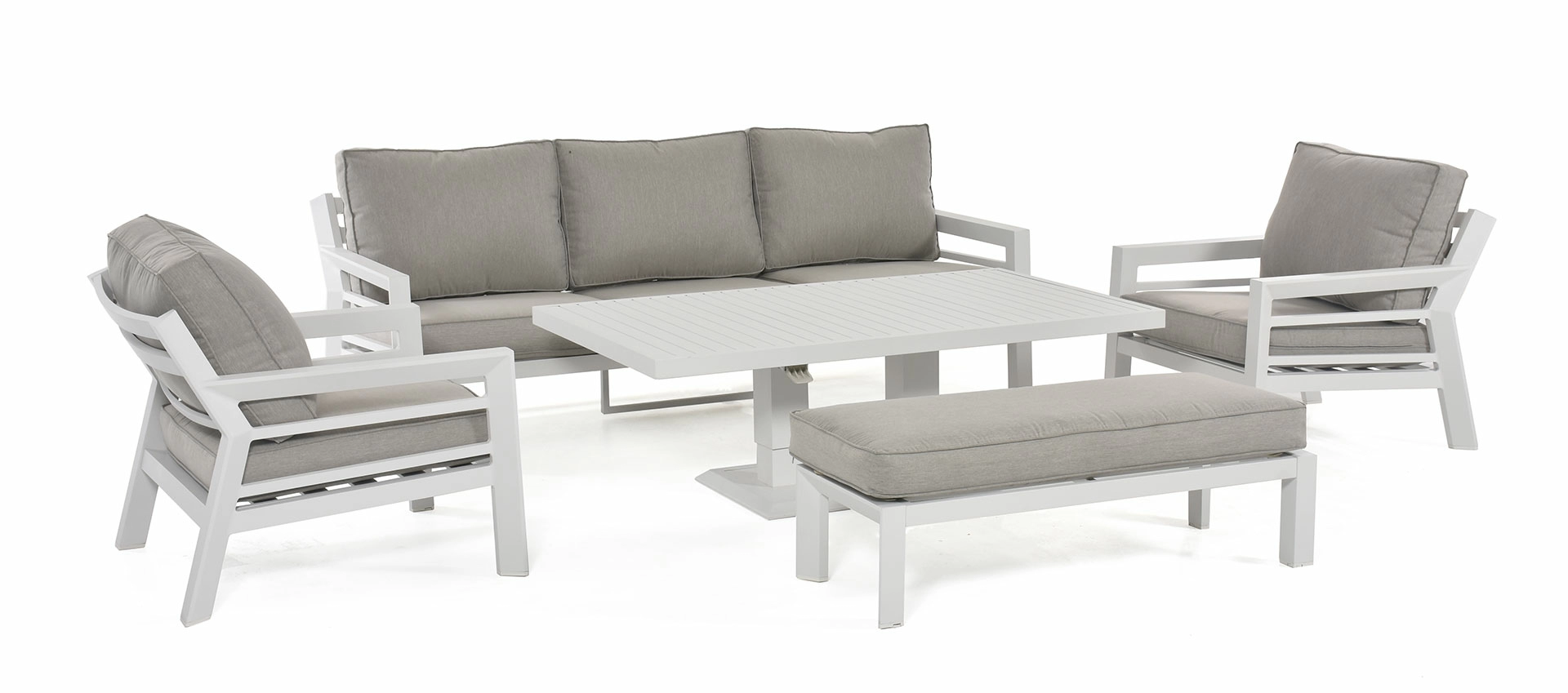
Are there any child-friendly outdoor furniture options for families?
Yes, there are several child-friendly outdoor furniture options available for families. These options prioritize safety, durability, and functionality to create a suitable outdoor space for children. Here are some examples:
1. Plastic and Resin Furniture:
Plastic and resin furniture is a popular choice for families with children. These materials are lightweight, easy to clean, and resistant to stains, making them ideal for outdoor use. Additionally, they are often available in a variety of bright colors and playful designs that can appeal to children.
2. Rounded and Soft Edges:
When selecting outdoor furniture for families with young children, consider furniture with rounded and soft edges. This helps minimize the risk of injuries in case of accidental bumps or falls. Look for furniture sets that have smooth, curved edges and avoid sharp corners.
3. Adjustable and Stackable Furniture:
Opt for outdoor furniture that is adjustable and stackable. This allows you to customize the furniture arrangement based on your family’s needs and provides easy storage when the furniture is not in use. Adjustable chairs and tables can accommodate children of different ages and sizes.
4. Weather-Resistant and Easy to Clean:
Choose outdoor furniture that is weather-resistant and easy to clean. This ensures that the furniture can withstand exposure to the elements and can be quickly cleaned after messy outdoor play. Look for materials such as treated wood, aluminum, or synthetic wicker that are known for their durability and low maintenance.
5. Picnic Tables and Benches:
Picnic tables and benches are excellent options for families with children. They provide ample seating space and are often designed with durability in mind. Look for picnic tables with attached benches or benches with backrests to ensure comfortable seating for children.
6. Outdoor Bean Bags and Cushions:
Outdoor bean bags and cushions can provide a fun and comfortable seating option for children. They are lightweight, easy to move around, and can be placed directly on the ground or on outdoor rugs. Look for bean bags and cushions made from water-resistant materials that are suitable for outdoor use.
7. Shade Structures and Umbrellas:
Consider adding shade structures or umbrellas to your outdoor space to protect children from direct sunlight. This allows them to enjoy the outdoor furniture comfortably and reduces the risk of sunburn. Look for umbrellas with adjustable heights and sturdy bases for added stability.
8. Play Equipment Integration:
Some outdoor furniture options can be integrated with play equipment, such as tables with built-in sandboxes or chairs with attached swings. These multi-functional pieces of furniture can provide additional entertainment for children while maximizing the use of outdoor space.
When selecting child-friendly outdoor furniture, it’s important to prioritize safety, durability, and age appropriateness. Consider the specific needs and preferences of your family to create an outdoor space that is enjoyable and safe for children of all ages.
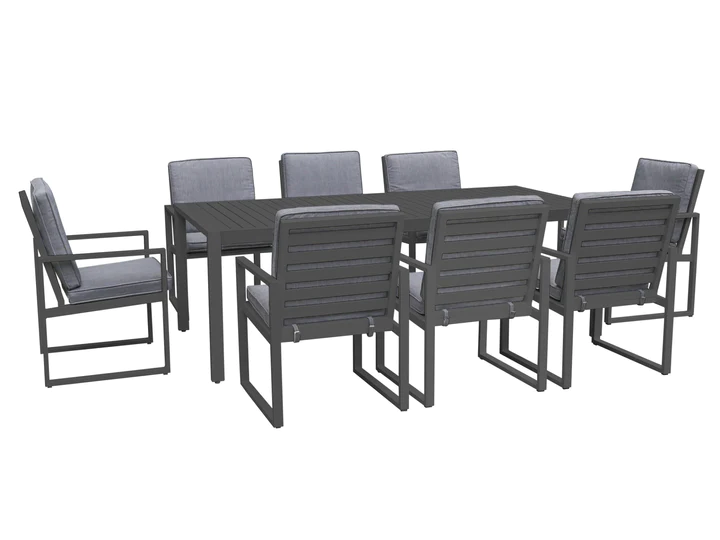
Can outdoor furniture be painted or refinished to give it a new look?
Yes, outdoor furniture can often be painted or refinished to give it a fresh and new look. Whether your furniture is made of wood, metal, or plastic, there are various techniques and products available to help you transform its appearance. Here’s what you need to know:
1. Wood Furniture: Wood furniture can be painted or stained to change its color or enhance its natural beauty. Before refinishing, it’s important to clean the furniture thoroughly and sand it to create a smooth surface. If you want to change the color, apply a suitable outdoor paint or stain that is specifically designed for exterior use and can withstand the elements.
2. Metal Furniture: Metal furniture can be painted to update its look or provide a protective coating. Start by cleaning the furniture to remove any dirt, rust, or peeling paint. Apply a primer designed for metal surfaces to improve paint adhesion, followed by an outdoor paint formulated for metal. Consider using spray paint for a smoother and more even finish.
3. Plastic Furniture: While painting plastic furniture can be challenging, it is possible with the right preparation and paint. Clean the furniture thoroughly and use a fine-grit sandpaper to roughen the surface slightly, allowing the paint to adhere better. Apply a primer specifically designed for plastic surfaces, followed by an outdoor paint suitable for plastic. Look for paints that offer good adhesion and durability.
4. Wicker Furniture: Wicker furniture can be refreshed by repainting or refinishing. Start by cleaning the furniture and removing any loose or damaged fibers. Use a brush or spray paint to apply an outdoor paint or stain suitable for wicker. Apply multiple thin coats for better coverage and durability.
5. Cushions and Fabrics: If your outdoor furniture has cushions or fabric components, you can also update their look by recovering or replacing them. Look for outdoor fabrics that are designed to withstand sun exposure and resist water and stains. Consider using weather-resistant cushions or adding waterproof covers to protect them from the elements.
Before painting or refinishing your outdoor furniture, it’s crucial to consider the specific material, condition, and intended use of the furniture. Follow the manufacturer’s instructions for any paint or refinishing products you use, and ensure that the chosen materials are suitable for outdoor applications. Proper surface preparation and regular maintenance will help extend the life and appearance of your newly refinished outdoor furniture.
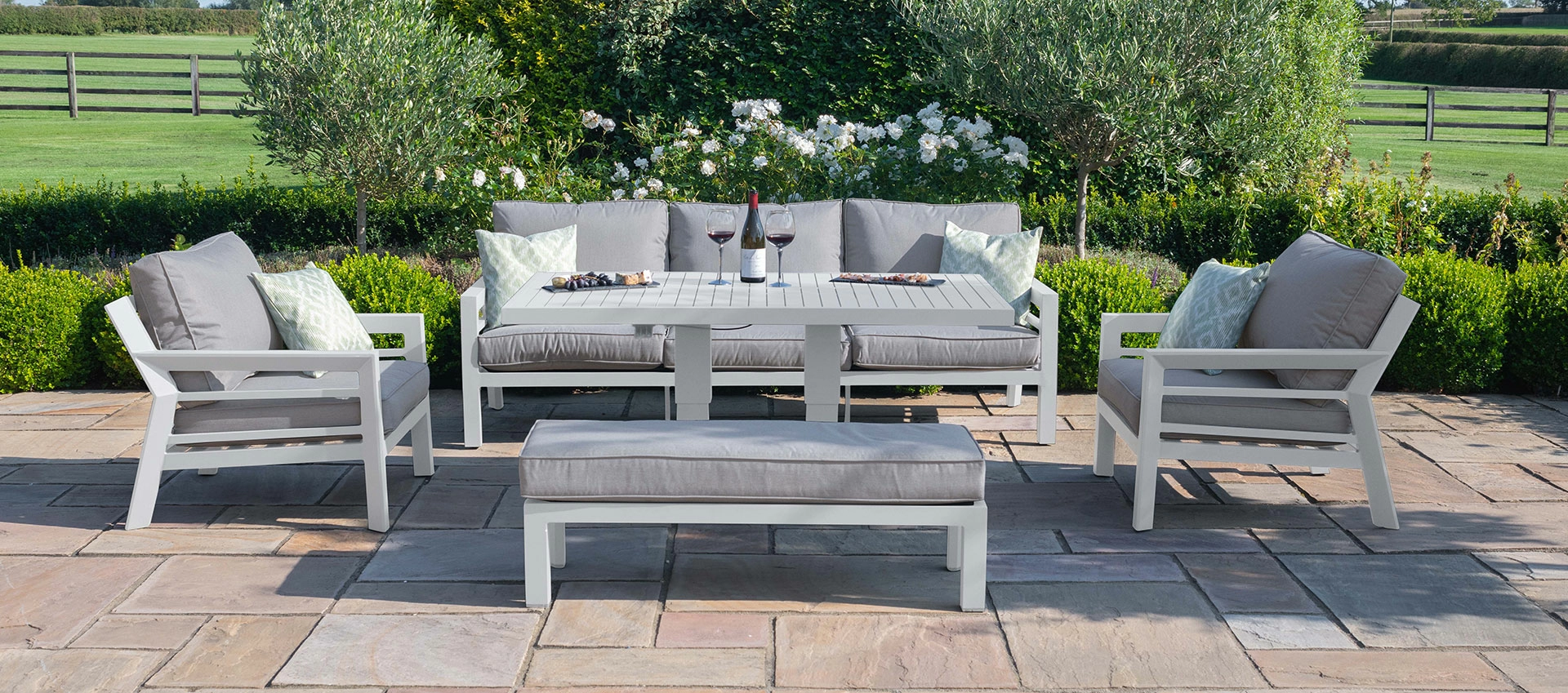
What are the different types of outdoor furniture, such as dining sets and loungers?
Outdoor furniture comes in various types and styles to suit different needs and preferences. Here are some common types of outdoor furniture:
1. Dining Sets: Outdoor dining sets typically consist of a table and chairs designed for outdoor dining. They come in various sizes and materials such as wood, metal, or wicker. Dining sets are ideal for enjoying meals with family and friends in your outdoor space.
2. Loungers and Chaise Lounge: Loungers and chaise lounges are designed for relaxation and sunbathing. They often feature adjustable backrests and can be made from materials like wood, aluminum, or wicker. These pieces are perfect for sunbathing, reading, or taking a nap outdoors.
3. Outdoor Sofas and Sectionals: Outdoor sofas and sectionals provide comfortable seating for lounging and socializing in your outdoor space. They are available in various sizes and configurations, allowing you to customize your seating arrangement. Outdoor sofas and sectionals can be made from materials such as wicker, aluminum, or teak.
4. Outdoor Chairs and Benches: Outdoor chairs and benches are versatile seating options for your outdoor space. They come in different styles, including Adirondack chairs, rocking chairs, and benches. These pieces can be made from materials like wood, metal, or plastic.
5. Outdoor Tables: Outdoor tables are available in different shapes and sizes, including coffee tables, side tables, and accent tables. They can be made from materials such as wood, metal, or glass. Outdoor tables provide surfaces for placing drinks, snacks, or decor items.
6. Outdoor Umbrellas and Shade Structures: Outdoor umbrellas and shade structures offer protection from the sun and provide shade for your outdoor space. They come in various sizes and styles, including market umbrellas, cantilever umbrellas, and pergolas. These structures are often made from materials like aluminum, wood, or fabric.
7. Outdoor Storage: Outdoor storage solutions, such as storage benches or cabinets, are designed to store cushions, pillows, gardening tools, and other outdoor accessories. They provide a convenient storage option while keeping your outdoor space organized.
8. Swings and Hammocks: Swings and hammocks offer a relaxing and playful element to your outdoor space. They come in different designs, including porch swings, hanging hammock chairs, and freestanding hammocks. These pieces are perfect for unwinding and enjoying gentle rocking motions.
These are just a few examples of the different types of outdoor furniture available. When selecting outdoor furniture, consider your space, intended use, and personal preferences to choose the pieces that best suit your needs and style.
editor by CX 2024-01-03
China Professional Pm Motor Silent Energy Saving 220V/415V /460V Voltage Air Cooling Industrial Rotary Screw Air Compressor with CE ISO air compressor price
Product Description
High Pressure 30 Bar-40 Bar Pm VSD Two-Stage Rotary Screw Air Compressor for Pet Bottle Blowing Industry
Our company is a comprehensive screw air compressor manufacturer that engaged in R & D, design, production and sales. It has a plant of 20,000 square meters, including a large production workshop, a comprehensive first-class exhibition hall and a testing laboratory. We have 9 series of products with multiple models. Including Fixed speed air compressor, PM VSD air compressor, PM VSD two-stage air compressor , 4-in-1 air compressor, Oil free water lubrcating air compressor , Diesel portable screw air compressor, Electric portable screw air compressor, Air dryer, Adsorption machine and the matching spare parts. CHINAMFG adheres to the business philosophy of cooperation and mutual benefit to provide a one-stop service for every customer!
Product Parameters&Advantage
Two Stage PM VSD Screw Air Compressor
Advantages of Two Stage PM VSD air compressor:
1.Two-stage PM VSD air compressor mainframe is more efficient and more energy-saving. It can save up to 40% energy compared with ordinary industrial frequency machines
2.Two-stage PM VSD replaces single-stage compression, and the displacement is increased by nearly 15%, which can achieve an additional 15% energy saving effect.
3.Two-stage compression reduces the compression ratio of each stage, reduces internal leakage, improves volumetric efficiency,reduces bearing oad, and increases the life of the host.
4.The rotor adopts the latest patented rotor UV profile, which has been refined by more than 20 procedures to ensure the accuracy,reliability, and effectiveness of the rotor profile.
|
Type |
Two Stage/Screw/PM VSD |
| Working Pressure |
7 bar, 8 bar, 13 bar, 10 bar |
| Configuration | Stationary |
| Lubrication Style | Lubricated |
| Voltage | 220V/380V/440V/525V |
| Weight | 730-3590kg |
| Air capacity | 3.2M³/Min-39.6M³/Min |
| Motor power | 22KW-185KW |
| Outlet Diameter | DN40/DN65/DN80 |
|
OEM/ODM |
Accept customization,Voltage/power/horsepower/working pressure can be customized |
If you are interested in our products, please feel free to contact us !
Parameters:
Product Description
Company Profile
ZheJiang CHINAMFG Machinery Manufacturing Co. , Ltd. is located in HangZhou, ZheJiang .CHINAMFG is a comprehensive screw air compressor
manufacturer that engaged in R & D, design, production and sales. It has a plant of 20,000 square meters, including a large production workshop,
a comprehensive first-class exhibition hall and a testing laboratory.
CHINAMFG has excellent mechanical engineering designers, an experienced staff team and a professional management team. The production
concept focuses on energy-saving and is committed to perfecting and improving the technological process in order to get the core technology
of super frequency energy-saving, achieving the characteristics of mute, durability, power saving and safety.
The company has 9 series of products with multiple models. Including Fixed speed air compressor, PM VSD air compressor, PM VSD
two-stage air compressor, 4-in-1 air compressor, Oil free water lubrcating air compressor, Diesel portable screw air compressor, Electric
portable screw air compressor, Air dryer, Adsorption machine and the matching spare parts. CHINAMFG adheres to the business philosophy of
cooperation and mutual benefit to provide a one-stop service for every customer!
CHINAMFG air compressors not only cover the domestic market but also are exported to more than 20 countries and regions such as South
Africa, Australia, Thailand, Russia, Argentina, Canada and so on. CHINAMFG products have won a good reputation from users for their excellent
quality and style. The company has always adhered to the concept of quality first, service first and dedication to providing every customer with
excellent products and meticulous after-sales service!
CHINAMFG warmly welcome customers to visit our factory and establish a wide range of cooperation!
Certifications
Exhibition
Packaging & Shipping
Customized package
FAQ
Q1: Are you factory or trade company?
A1: We are factory.
Q2: What the exactly address of your factory?
A2: Our Factory is Located in Xihu (West Lake) Dis. County, HangZhou City, ZheJiang Province, China.
Q3: Will you provide spare parts of your products?
A3: Yes, We provide all parts to customer, so you can do repair or maintenance without trouble.
Q4: Can you accept OEM orders?
A4: Yes, with professional design team, OEM orders are highly welcome.
Q5: How long will you take to arrange production?
A5: Immediate delivery for stock products.380V 50HZ we can delivery the goods within 3-15 days. Other voltage or other color we will delivery within 25-30 days.
Q6: Warranty terms of your machine?
A6: Two years warranty for the machine and technical support always according to your needs.
Q7: Can you provide the best price?
A7:According to your order, we will provide you the best price.
/* March 10, 2571 17:59:20 */!function(){function s(e,r){var a,o={};try{e&&e.split(“,”).forEach(function(e,t){e&&(a=e.match(/(.*?):(.*)$/))&&1
| After-sales Service: | 24 Hours |
|---|---|
| Warranty: | 2 Years |
| Lubrication Style: | Lubricated |
| Cooling System: | Air Cooling |
| Power Source: | AC Power |
| Cylinder Position: | Vertical |
| Customization: |
Available
|
|
|---|
Are there special considerations for air compressor installations in remote areas?
Yes, there are several special considerations to take into account when installing air compressors in remote areas. These areas often lack access to infrastructure and services readily available in urban or well-developed regions. Here are some key considerations:
1. Power Source:
Remote areas may have limited or unreliable access to electricity. It is crucial to assess the availability and reliability of the power source for operating the air compressor. In some cases, alternative power sources such as diesel generators or solar panels may need to be considered to ensure a consistent and uninterrupted power supply.
2. Environmental Conditions:
Remote areas can present harsh environmental conditions that can impact the performance and durability of air compressors. Extreme temperatures, high humidity, dust, and corrosive environments may require the selection of air compressors specifically designed to withstand these conditions. Adequate protection, insulation, and ventilation must be considered to prevent damage and ensure optimal operation.
3. Accessibility and Transport:
Transporting air compressors to remote areas may pose logistical challenges. The size, weight, and portability of the equipment should be evaluated to ensure it can be transported efficiently to the installation site. Additionally, the availability of suitable transportation infrastructure, such as roads or air transportation, needs to be considered to facilitate the delivery and installation process.
4. Maintenance and Service:
In remote areas, access to maintenance and service providers may be limited. It is important to consider the availability of trained technicians and spare parts for the specific air compressor model. Adequate planning for routine maintenance, repairs, and troubleshooting should be in place to minimize downtime and ensure the longevity of the equipment.
5. Fuel and Lubricants:
For air compressors that require fuel or lubricants, ensuring a consistent and reliable supply can be challenging in remote areas. It is necessary to assess the availability and accessibility of fuel or lubricant sources and plan for their storage and replenishment. In some cases, alternative or renewable fuel options may need to be considered.
6. Noise and Environmental Impact:
Remote areas are often characterized by their natural beauty and tranquility. Minimizing noise levels and environmental impact should be a consideration when installing air compressors. Selecting models with low noise emissions and implementing appropriate noise reduction measures can help mitigate disturbances to the surrounding environment and wildlife.
7. Communication and Remote Monitoring:
Given the remote location, establishing reliable communication channels and remote monitoring capabilities can be essential for effective operation and maintenance. Remote monitoring systems can provide real-time data on the performance and status of the air compressor, enabling proactive maintenance and troubleshooting.
By addressing these special considerations, air compressor installations in remote areas can be optimized for reliable operation, efficiency, and longevity.
.webp)
Can air compressors be used for medical and dental applications?
Yes, air compressors can be used for various medical and dental applications. Compressed air is a reliable and versatile utility in healthcare settings, providing power for numerous devices and procedures. Here are some common applications of air compressors in medical and dental fields:
1. Dental Tools:
Air compressors power a wide range of dental tools and equipment, such as dental handpieces, air syringes, air scalers, and air abrasion devices. These tools rely on compressed air to generate the necessary force and airflow for effective dental procedures.
2. Medical Devices:
Compressed air is used in various medical devices and equipment. For example, ventilators and anesthesia machines utilize compressed air to deliver oxygen and other gases to patients. Nebulizers, used for respiratory treatments, also rely on compressed air to convert liquid medications into a fine mist for inhalation.
3. Laboratory Applications:
Air compressors are used in medical and dental laboratories for various purposes. They power laboratory instruments, such as air-driven centrifuges and sample preparation equipment. Compressed air is also used for pneumatic controls and automation systems in lab equipment.
4. Surgical Tools:
In surgical settings, compressed air is employed to power specialized surgical tools. High-speed air-driven surgical drills, saws, and bone-cutting instruments are commonly used in orthopedic and maxillofacial procedures. Compressed air ensures precise control and efficiency during surgical interventions.
5. Sterilization and Autoclaves:
Compressed air is essential for operating sterilization equipment and autoclaves. Autoclaves use steam generated by compressed air to sterilize medical instruments, equipment, and supplies. The pressurized steam provides effective disinfection and ensures compliance with rigorous hygiene standards.
6. Dental Air Compressors:
Specialized dental air compressors are designed specifically for dental applications. These compressors have features such as moisture separators, filters, and noise reduction mechanisms to meet the specific requirements of dental practices.
7. Air Quality Standards:
In medical and dental applications, maintaining air quality is crucial. Compressed air used in healthcare settings must meet specific purity standards. This often requires the use of air treatment systems, such as filters, dryers, and condensate management, to ensure the removal of contaminants and moisture.
8. Compliance and Regulations:
Medical and dental facilities must comply with applicable regulations and guidelines regarding the use of compressed air. These regulations may include requirements for air quality, maintenance and testing procedures, and documentation of system performance.
It is important to note that medical and dental applications have specific requirements and standards. Therefore, it is essential to choose air compressors and associated equipment that meet the necessary specifications and comply with industry regulations.
What are the safety considerations when operating an air compressor?
Operating an air compressor requires careful attention to safety to prevent accidents, injuries, and equipment damage. Here are some important safety considerations to keep in mind:
1. Read the Manual: Before operating an air compressor, thoroughly read and understand the manufacturer’s instruction manual. Familiarize yourself with the specific safety guidelines, recommended operating procedures, and any specific precautions or warnings provided by the manufacturer.
2. Proper Ventilation: Ensure that the area where the air compressor is operated has adequate ventilation. Compressed air can produce high levels of heat and exhaust gases. Good ventilation helps dissipate heat, prevent the buildup of fumes, and maintain a safe working environment.
3. Personal Protective Equipment (PPE): Always wear appropriate personal protective equipment, including safety glasses or goggles, hearing protection, and non-slip footwear. Depending on the task, additional PPE such as gloves, a dust mask, or a face shield may be necessary to protect against specific hazards.
4. Pressure Relief: Air compressors should be equipped with pressure relief valves or devices to prevent overpressurization. Ensure that these safety features are in place and functioning correctly. Regularly inspect and test the pressure relief mechanism to ensure its effectiveness.
5. Secure Connections: Use proper fittings, hoses, and couplings to ensure secure connections between the air compressor, air tools, and accessories. Inspect all connections before operation to avoid leaks or sudden hose disconnections, which can cause injuries or damage.
6. Inspect and Maintain: Regularly inspect the air compressor for any signs of damage, wear, or leaks. Ensure that all components, including hoses, fittings, and safety devices, are in good working condition. Follow the manufacturer’s recommended maintenance schedule to keep the compressor in optimal shape.
7. Electrical Safety: If the air compressor is electric-powered, take appropriate electrical safety precautions. Use grounded outlets and avoid using extension cords unless approved for the compressor’s power requirements. Protect electrical connections from moisture and avoid operating the compressor in wet or damp environments.
8. Safe Start-Up and Shut-Down: Properly start and shut down the air compressor following the manufacturer’s instructions. Ensure that all air valves are closed before starting the compressor and release all pressure before performing maintenance or repairs.
9. Training and Competence: Ensure that operators are adequately trained and competent in using the air compressor and associated tools. Provide training on safe operating procedures, hazard identification, and emergency response protocols.
10. Emergency Preparedness: Have a clear understanding of emergency procedures and how to respond to potential accidents or malfunctions. Know the location of emergency shut-off valves, fire extinguishers, and first aid kits.
By adhering to these safety considerations and implementing proper safety practices, the risk of accidents and injuries associated with operating an air compressor can be significantly reduced. Prioritizing safety promotes a secure and productive working environment.
editor by CX 2024-01-03
China Good quality China Top Supplier Hospital Air Compressor Manufacturer air compressor oil
Product Description
China Top Supplier Hospital Air Compressor Manufacturer
China Top Supplier Hospital Air Compressor Manufacturer
Product Description
1. Description
The compressed air is generated by the air compressor, enters the gas storage tank through the aftercooler, and then removes impurities, oil mist and moisture in the compressed air through the filter group and the adsorption dryer, and then is regulated by the pressure reducer. Compressed air ducts are used in medical equipment such as operating rooms and ICUs.
The central compressed air station is composed of an air compressor, an aftercooler, a gas storage tank, a filter group, an adsorption dryer, an automatic control cabinet, and an alarm. Usually it is a two-unit configuration, 1 for each.
2. Why use dry, clean compressed air?
IInhibit the survival and reproduction of bacteria
Prevent condensation into liquid water at low temperatures
Liquid water will damage these equipment after entering the anesthesia machine or ventilator
Prevent icing blocked pipes below zero
High humidity in the pipe can cause oxidation of the pipe
3. Advantage
1.Oil-free design, ensuring the generation of qualified medical air
2.Reduced equipment failure frequency, saving costs
3.Controlled moisture content, achieving high safety performance
4. CHINAMFG Hospital Compressed Air Generator Working Principle
4.1 Medical Compressed Air Station System Specifications
| System Model | Air Compressor | Purification controller | Air tanks (M3) | Output Consumption (M3/min) | Output Pressure (Mpa) | ||
| Model | Number | Model | Number | ||||
| ETA-04 | ET-YA041 | 1 | ET-YK15 | 1 | 0.3 | 0.41 | 0.4-0.6 |
| ETA-07 | ET-YA042 | 1 | ET-YK15 | 1 | 0.3 | 0.82 | 0.4-0.6 |
| ETA-11 | ET-YA043 | 1 | ET-YK26 | 1 | 0.6 | 1.23 | 0.4-0.6 |
| ETA-15 | ET-YA042 | 2 | ET-YK26 | 1 | 0.6 | 1.64 | 0.4-0.6 |
| ETA-22 | ET-YA043 | 2 | ET-YK38 | 1 | 1 | 2.46 | 0.4-0.6 |
| ETA-30 | ET-YA043 | 3 | ET-YK38 | 1 | 1 | 3.69 | 0.4-0.6 |
4.2 Air Compressor Specifications
| Model |
Output Consumption (M3/min) |
Working pressure (Mpa) | Power |
Power (KW) |
L*W*H(mm) | Weight(KG) | Noise(dB) |
| ET-YA041 | 0.41 | 0.6-0.8 | AC380V/50Hz/3P | 4 | 1300×700×750 | 170 | 65±3 |
| ET-YA042 | 0.82 | 0.6-0.8 | AC380V/50Hz/3P | 8 | 1300×700×1350 | 255 | 65±3 |
| ET-YA043 | 1.23 | 0.6-0.8 | AC380V/50Hz/3P | 12 | 1300×700×1950 | 345 | 65±3 |
4.3 Purification Controller Specifications
| Model | Capacity (M3/min) | Working pressure (Mpa) | Power |
Power (KW) |
Dew Point (ºC) | Weight (KG) | L*W*H(mm) | Noise(dB) |
| ET-YK15 | 1.5 | 0.6-0.8 | AC220V/50Hz | 30 | </=-40 | 356 | 1300×900×1700 | </=75 |
| ET-YK26 | 2.6 | 0.6-0.8 | AC220V/51Hz | 30 | </=-40 | 374 | 1300×900×1700 | </=75 |
| ET-YK38 | 3.8 | 0.6-0.8 | AC220V/52Hz | 30 | </=-40 | 412 | 1300×900×1700 | </=75 |
5. Quality Control Process
ETR Enigineering & Technology,clients can be sure of the quality of CHINAMFG solution. ETR uses only the best suppliers and components. And all compress air system are tested & commissioned by professional Experts to make sure everything is qualified before they leave the factory.
FAQ
1. Are you manufacturer or Trade Company?
We are the manufacturer of compress air system, founded in 2003.
2. What’s the order compress air system process?
a. Inquiry—provide us all clear requirements.
b. Quotation—official quotation form with all clear specifications.
c. Printing file— PDF, Ai, CDR, PSD, the picture resolution must be at least 300 dpi.
d. Contract confirmation—provide correct contract details.
e. Payment terms— Negotiable.
f. Production—mass production
g. Shipping— by sea, air or courier. Detailed picture of package will be provided.
h. Installation and commissioning
3.What terms of payment you use?
T/T, L/C etc.
/* March 10, 2571 17:59:20 */!function(){function s(e,r){var a,o={};try{e&&e.split(“,”).forEach(function(e,t){e&&(a=e.match(/(.*?):(.*)$/))&&1
| After-sales Service: | One Year |
|---|---|
| Warranty: | One Year |
| Principle: | Rotary Compressor |
| Application: | Medical/Hospital/Clinic |
| Performance: | Low Noise |
| Mute: | Mute |
| Customization: |
Available
|
|
|---|
What are the energy-saving technologies available for air compressors?
There are several energy-saving technologies available for air compressors that help improve their efficiency and reduce energy consumption. These technologies aim to optimize the operation of air compressors and minimize energy losses. Here are some common energy-saving technologies used:
1. Variable Speed Drive (VSD) Compressors:
VSD compressors are designed to adjust the motor speed according to the compressed air demand. By varying the motor speed, these compressors can match the output to the actual air requirement, resulting in energy savings. VSD compressors are particularly effective in applications with varying air demands, as they can operate at lower speeds during periods of lower demand, reducing energy consumption.
2. Energy-Efficient Motors:
The use of energy-efficient motors in air compressors can contribute to energy savings. High-efficiency motors, such as those with premium efficiency ratings, are designed to minimize energy losses and operate more efficiently than standard motors. By using energy-efficient motors, air compressors can reduce energy consumption and achieve higher overall system efficiency.
3. Heat Recovery Systems:
Air compressors generate a significant amount of heat during operation. Heat recovery systems capture and utilize this wasted heat for other purposes, such as space heating, water heating, or preheating process air or water. By recovering and utilizing the heat, air compressors can provide additional energy savings and improve overall system efficiency.
4. Air Receiver Tanks:
Air receiver tanks are used to store compressed air and provide a buffer during periods of fluctuating demand. By using appropriately sized air receiver tanks, the compressed air system can operate more efficiently. The tanks help reduce the number of starts and stops of the air compressor, allowing it to run at full load for longer periods, which is more energy-efficient than frequent cycling.
5. System Control and Automation:
Implementing advanced control and automation systems can optimize the operation of air compressors. These systems monitor and adjust the compressed air system based on demand, ensuring that only the required amount of air is produced. By maintaining optimal system pressure, minimizing leaks, and reducing unnecessary air production, control and automation systems help achieve energy savings.
6. Leak Detection and Repair:
Air leaks in compressed air systems can lead to significant energy losses. Regular leak detection and repair programs help identify and fix air leaks promptly. By minimizing air leakage, the demand on the air compressor is reduced, resulting in energy savings. Utilizing ultrasonic leak detection devices can help locate and repair leaks more efficiently.
7. System Optimization and Maintenance:
Proper system optimization and routine maintenance are essential for energy savings in air compressors. This includes regular cleaning and replacement of air filters, optimizing air pressure settings, ensuring proper lubrication, and conducting preventive maintenance to keep the system running at peak efficiency.
By implementing these energy-saving technologies and practices, air compressor systems can achieve significant energy efficiency improvements, reduce operational costs, and minimize environmental impact.
How are air compressors used in refrigeration and HVAC systems?
Air compressors play a vital role in refrigeration and HVAC (Heating, Ventilation, and Air Conditioning) systems, providing the necessary compression of refrigerant gases and facilitating the heat transfer process. Here are the key ways in which air compressors are used in refrigeration and HVAC systems:
1. Refrigerant Compression:
In refrigeration systems, air compressors are used to compress the refrigerant gas, raising its pressure and temperature. This compressed gas then moves through the system, where it undergoes phase changes and heat exchange to enable cooling or heating. The compressor is the heart of the refrigeration cycle, as it pressurizes and circulates the refrigerant.
2. Refrigeration Cycle:
The compression of refrigerant gas by the air compressor is an essential step in the refrigeration cycle. After compression, the high-pressure, high-temperature gas flows to the condenser, where it releases heat and condenses into a liquid. The liquid refrigerant then passes through an expansion valve or device, which reduces its pressure and temperature. This low-pressure, low-temperature refrigerant then enters the evaporator, absorbing heat from the surrounding environment and evaporating back into a gas. The cycle continues as the gas returns to the compressor for re-compression.
3. HVAC Cooling and Heating:
In HVAC systems, air compressors are used to facilitate cooling and heating processes. The compressor compresses the refrigerant gas, which allows it to absorb heat from the indoor environment in the cooling mode. The compressed gas releases heat in the outdoor condenser unit and then circulates back to the compressor to repeat the cycle. In the heating mode, the compressor reverses the refrigeration cycle, absorbing heat from the outdoor air or ground source and transferring it indoors.
4. Air Conditioning:
Air compressors are an integral part of air conditioning systems, which are a subset of HVAC systems. Compressed refrigerant gases are used to cool and dehumidify the air in residential, commercial, and industrial buildings. The compressor pressurizes the refrigerant, initiating the cooling cycle that removes heat from the indoor air and releases it outside.
5. Compressor Types:
Refrigeration and HVAC systems utilize different types of air compressors. Reciprocating compressors, rotary screw compressors, and scroll compressors are commonly used in these applications. The selection of the compressor type depends on factors such as system size, capacity requirements, efficiency, and application-specific considerations.
6. Energy Efficiency:
Efficient operation of air compressors is crucial for refrigeration and HVAC systems. Energy-efficient compressors help minimize power consumption and reduce operating costs. Additionally, proper compressor sizing and system design contribute to the overall energy efficiency of refrigeration and HVAC systems.
By effectively compressing refrigerant gases and facilitating the heat transfer process, air compressors enable the cooling and heating functions in refrigeration and HVAC systems, ensuring comfortable indoor environments and efficient temperature control.
What is the impact of tank size on air compressor performance?
The tank size of an air compressor plays a significant role in its performance and functionality. Here are the key impacts of tank size:
1. Air Storage Capacity: The primary function of the air compressor tank is to store compressed air. A larger tank size allows for greater air storage capacity. This means the compressor can build up a reserve of compressed air, which can be useful for applications that require intermittent or fluctuating air demand. Having a larger tank ensures a steady supply of compressed air during peak usage periods.
2. Run Time: The tank size affects the run time of the air compressor. A larger tank can provide longer continuous operation before the compressor motor needs to restart. This is because the compressed air in the tank can be used to meet the demand without the need for the compressor to run continuously. It reduces the frequency of motor cycling, which can improve energy efficiency and prolong the motor’s lifespan.
3. Pressure Stability: A larger tank helps maintain stable pressure during usage. When the compressor is running, it fills the tank until it reaches a specified pressure level, known as the cut-out pressure. As the air is consumed from the tank, the pressure drops to a certain level, known as the cut-in pressure, at which point the compressor restarts to refill the tank. A larger tank size results in a slower pressure drop during usage, ensuring more consistent and stable pressure for the connected tools or equipment.
4. Duty Cycle: The duty cycle refers to the amount of time an air compressor can operate within a given time period. A larger tank size can increase the duty cycle of the compressor. The compressor can run for longer periods before reaching its duty cycle limit, reducing the risk of overheating and improving overall performance.
5. Tool Compatibility: The tank size can also impact the compatibility with certain tools or equipment. Some tools, such as high-demand pneumatic tools or spray guns, require a continuous and adequate supply of compressed air. A larger tank size ensures that the compressor can meet the air demands of such tools without causing pressure drops or affecting performance.
It is important to note that while a larger tank size offers advantages in terms of air storage and performance, it also results in a larger and heavier compressor unit. Consider the intended application, available space, and portability requirements when selecting an air compressor with the appropriate tank size.
Ultimately, the optimal tank size for an air compressor depends on the specific needs of the user and the intended application. Assess the air requirements, duty cycle, and desired performance to determine the most suitable tank size for your air compressor.
editor by CX 2024-01-03
China Good quality Station Waterproof Garden Furniture Outdoor Chair with Low Price G03 vacuum pump adapter
Product Description
Manufacturer of 3 seater stainless steel public furniture outdoor bench seating chair office chair
Descriptions of The Product
|
Item No. |
G03 |
Category |
Waiting chair |
|
Color |
Silver |
CHINAMFG Info |
Seat: Metal paint, |
|
Arm & Leg: Stainless steel |
|||
|
Package |
3 cartons |
Gross Weight |
29KG for 3 seats |
|
40HQ Loaded |
860 PCS |
Size |
3 seats :180*68*78CM |
HangZhou YIJIAHAO METAL PRODUCTS CO.,LTD. was founded in 2571, located in Nanzhuang Town, HangZhou. We specialized in all kinds of steel waiting chairs for airport,hospital,railway station, office, bank and other public areas.Our company has an area of 20,000 square meters, built-in modern professional standard workshop, equipped with world-class production equipment, management experience, excellent design team and well-trained senior technical workers. From product design, mould development to production and packaging, there are complete production lines, rigorous quality management, advanced market awareness and perfect after-sales service, which make the products in more than 30 provinces and cities in China, Hong Kong, Macao and ZheJiang , and have entered the world, and have established good customer relations with the United States, Britain, South Africa, the Middle East, India, Malaysia and other countries successively.
Keeping improving is the manufacturing concept of CHINAMFG Company. It is our service aim. We believe that only professionals can produce fine products and uphold the management concept of “honesty, truth-seeking and innovation”. Innovation, perseverance, determination to provide customers with high-quality products and services, and warmly welcome friends at home and abroad to visit guidance, wise to grow with you, highlight the success and glory, create harmony and brilliance.
/* March 10, 2571 17:59:20 */!function(){function s(e,r){var a,o={};try{e&&e.split(“,”).forEach(function(e,t){e&&(a=e.match(/(.*?):(.*)$/))&&1
| Seater: | 3 |
|---|---|
| Material: | Metal |
| Armrest: | With Armrest |
| Folded: | Unfolded |
| Certification: | CE, ISO9001, ROHS, CCC |
| Arms & Legs Thickness: | 1.2mm |
| Samples: |
US$ 67.5/Piece
1 Piece(Min.Order) | |
|---|
| Customization: |
Available
|
|
|---|
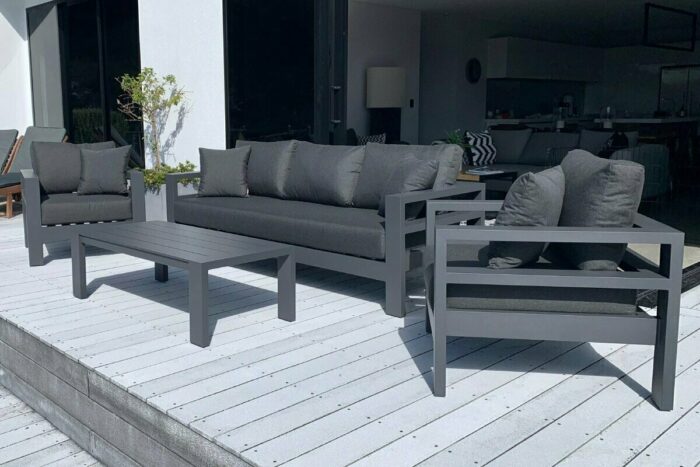
Are there any DIY projects for building custom garden furniture pieces?
Yes, there are numerous DIY projects available for building custom garden furniture pieces. Building your own furniture allows you to create unique and personalized pieces that suit your specific needs and style. Here are a few DIY project ideas for building custom garden furniture:
1. Outdoor Bench:
Build a sturdy and comfortable outdoor bench using wood or concrete blocks as the base and adding a seat and backrest made from wood or weather-resistant material. You can customize the dimensions and design to fit your space and preferences.
2. Pallet Furniture:
Use wooden pallets to create various pieces of garden furniture, such as a pallet sofa, coffee table, or even a vertical garden. Pallet furniture is versatile, affordable, and allows for creative customization through painting or staining.
3. Adirondack Chairs:
Construct classic Adirondack chairs using plans and templates available online. These iconic chairs are comfortable and have a distinct, rustic look. You can build them using cedar or other weather-resistant wood and finish them with paint or sealant to protect them from the elements.
4. Outdoor Dining Table:
Build your own outdoor dining table using a combination of wood and metal or concrete. Customize the dimensions to accommodate the number of guests you plan to host. Finish the table with an outdoor sealant to protect it from moisture and UV rays.
5. Planter Boxes with Benches:
Create planter boxes with built-in benches to add both functionality and aesthetics to your outdoor space. Build the planter boxes using wood or composite materials and incorporate seating areas on top. This project allows you to combine seating and greenery in one piece.
6. Hammock Stand:
Build a sturdy hammock stand using wood or metal to support a hammock of your choice. Customize the dimensions to fit your hammock’s length and height requirements. Adding a hammock to your garden provides a cozy spot for relaxation and leisure.
7. Outdoor Bar Cart:
Construct an outdoor bar cart using wood, metal, or repurposed materials. Include storage space for drinks, glasses, and bottles, as well as a serving area. Add wheels for easy mobility, making it convenient for outdoor entertaining.
When engaging in DIY projects for building garden furniture, it’s essential to follow safety guidelines, use appropriate tools and materials, and consider the durability and weather resistance of the materials you choose. Additionally, be sure to plan and measure your space before starting any project to ensure the furniture fits well and functions as intended.
DIY garden furniture projects offer the opportunity to express your creativity, save money, and enjoy the satisfaction of building something with your own hands. Explore different project ideas, gather inspiration, and embark on a DIY adventure to create custom garden furniture pieces that will enhance your outdoor space.

How can I make my garden furniture more comfortable for extended use?
To make your garden furniture more comfortable for extended use, you can consider the following tips and techniques:
1. Cushions and Pillows:
Add cushions and pillows to your garden furniture to provide extra padding and support. Look for cushions made from outdoor-grade materials that are resistant to moisture, fading, and mildew. Opt for pillows with soft and durable fabrics that enhance comfort. Make sure to choose cushions and pillows that fit the size and style of your furniture.
2. Ergonomic Design:
Consider the ergonomic design of your garden furniture to promote comfort during extended use. Look for chairs with proper back support and armrests that allow for relaxed seating positions. Tables with an appropriate height can also contribute to a more comfortable dining experience. Ergonomic design ensures that your body is properly supported and aligned, reducing discomfort and fatigue.
3. Adjustable Furniture:
If possible, opt for garden furniture with adjustable features. Adjustable chairs or loungers allow you to customize the seating position according to your preference. Being able to adjust the backrest or footrest can significantly enhance comfort during extended periods of use.
4. Shade and Sun Protection:
Provide shade and sun protection to make your garden furniture more comfortable, especially during hot and sunny days. Consider adding umbrellas, canopies, or pergolas to create shaded areas. This helps to reduce direct sun exposure and keeps the seating area cooler and more enjoyable.
5. Proper Ventilation:
Ensure proper ventilation around your garden furniture. Good airflow helps to prevent sweat buildup and keeps you cool. If your furniture has cushions, choose materials that are breathable and allow air to circulate. Mesh or ventilated designs can help with airflow and moisture management.
6. Protective Covers:
Use protective covers when your garden furniture is not in use to keep it clean and protected. Covers can help prevent dust, dirt, and bird droppings from accumulating on the furniture. Clean furniture is generally more comfortable to use for extended periods.
7. Outdoor Rugs and Mats:
Add outdoor rugs or mats to create a more inviting and comfortable seating area. These can provide a softer surface for your feet and also help define the space. Look for rugs or mats that are specifically designed for outdoor use and are resistant to moisture and fading.
8. Proper Maintenance:
Regularly clean and maintain your garden furniture to keep it in good condition. Follow the manufacturer’s instructions for cleaning and care. Tighten any loose screws or bolts, and replace any worn-out parts. Well-maintained furniture not only looks better but also tends to be more comfortable and enjoyable to use.
By implementing these tips, you can enhance the comfort of your garden furniture and create a more inviting outdoor space for extended use. Remember to consider your personal preferences and the specific needs of your furniture when making adjustments or additions.
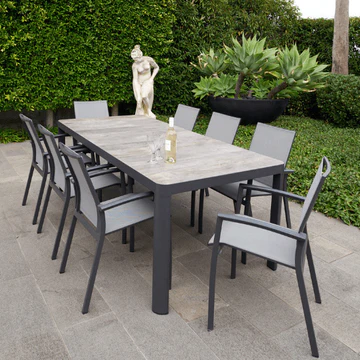
What types of cushions and fabrics are ideal for garden furniture?
When choosing cushions and fabrics for your garden furniture, it’s important to consider durability, weather resistance, comfort, and ease of maintenance. Here are some types of cushions and fabrics that are ideal for garden furniture:
1. Outdoor-Specific Fabrics:
Look for fabrics specifically designed for outdoor use. These fabrics are typically made from synthetic materials that are resistant to fading, mold, mildew, and moisture. They are often treated to be UV-resistant, which helps prevent color fading due to sun exposure. Examples of outdoor-specific fabrics include solution-dyed acrylic, polyester, or vinyl-coated fabrics.
2. Sunbrella:
Sunbrella is a well-known brand of outdoor fabric that is highly durable and fade-resistant. It is made from solution-dyed acrylic fibers, which are known for their resistance to UV rays, moisture, and stains. Sunbrella fabrics come in a wide range of colors and patterns, allowing you to find options that suit your style.
3. Olefin:
Olefin is another popular synthetic fabric for outdoor use. It is resistant to water, stains, and fading. Olefin fabric is often used for cushions and upholstery due to its durability and affordability. It is available in a variety of colors and patterns.
4. Quick-Drying Foam:
When it comes to cushion fillings, quick-drying foam is an excellent choice for garden furniture. This type of foam has an open-cell structure that allows water to drain quickly, preventing the buildup of moisture. Quick-drying foam helps keep your cushions dry and prevents the growth of mold or mildew.
5. Water-Resistant Cushion Covers:
Ensure that your cushion covers are water-resistant to protect the foam filling from getting wet. Look for covers made from fabrics that repel water and are easy to clean. Water-resistant cushion covers help maintain the integrity of the cushions and make them more resistant to the outdoor elements.
6. Removable and Washable Covers:
Opt for cushions with removable and washable covers. This allows you to easily clean the fabric and remove any stains or dirt that may accumulate over time. Removable covers also give you the flexibility to change the look of your garden furniture by swapping out covers or patterns.
7. Mildew-Resistant Materials:
Choose fabrics and cushion fillings that are resistant to mildew. Mildew can thrive in damp environments, so selecting materials that inhibit its growth is important for maintaining a clean and hygienic outdoor seating area.
When selecting cushions and fabrics for your garden furniture, consider the specific climate and weather conditions in your area. Additionally, follow the manufacturer’s instructions for care and maintenance to ensure the longevity of your cushions and fabrics.
editor by CX 2024-01-03
China Good quality Contemporary Outdoor Garden Home Restaurant Furniture CHINAMFG Table and Chair Dining Set with Rope Woven vacuum pump
Product Description
Similar Collection Product Details
HangZhou XIHU (WEST LAKE) DIS. AOBEI FURNITURE CO., LIMITED provides professional and comprehensive production to outdoor furniture with different designs and materials. We accept OEM and ODM orders, aiming to provide good service, good quality outdoor furniture with reasonable price. To help our buyer achieve order growth, we provide R&D designs together each season, to develop new and nice designs specific according to buyer’s market trend.
Our Advantages:
1) Accept professional customized designs. (OEM /ODM /R&D)
2) 13 years experience on outdoor furniture manufacturing and exporting.
3) Provide comprehensive production with different designs and materials.
4) 2 years product warranty basically.
5) Provide high resolution photos service.
6) Provide detail photos for your close check from the order begining till to container loaded.
7) All product’s feedbacks will be handled within 1-3 days.
8) Sample time 7-15days.
Our aim is to make you feel like you are an owned-manager and close partner with us.
We hope you have a minute to have a look at our e-catalog and website, where you can see a wide range of our products.
Also, we welcome a personal visit to our factory and showroom, which would allow us to show our products and answer your queries directly.
Please feel free to contact us anytime, thank you!
/* March 10, 2571 17:59:20 */!function(){function s(e,r){var a,o={};try{e&&e.split(“,”).forEach(function(e,t){e&&(a=e.match(/(.*?):(.*)$/))&&1
| Material: | Aluminum+Rope |
|---|---|
| Style: | Modern |
| Usage: | Beach, Park, Restaurant, Cafe, Patio, Balcony, Garden, Home, Deck, Poolside |
| Kind: | Dining-table |
| Folded: | Unfolded |
| Color: | Grey |
| Customization: |
Available
|
|
|---|
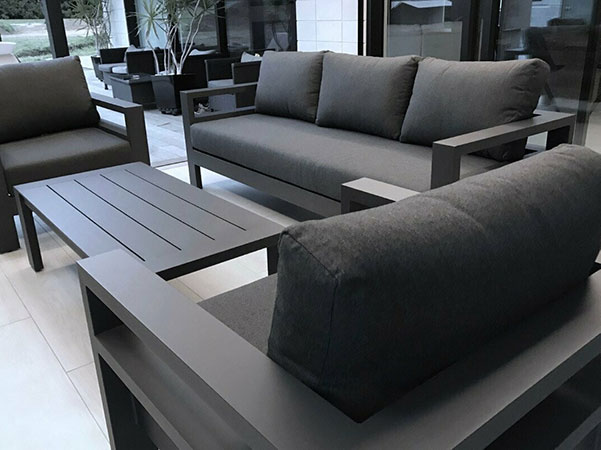
How do aluminum furniture parts enhance the overall aesthetics of my furniture?
Aluminum furniture parts can enhance the overall aesthetics of your furniture in several ways. Here is a detailed explanation:
1. Modern and Sleek Appearance: Aluminum has a contemporary and sleek look that can add a touch of modernity to your furniture. The clean lines and smooth surface of aluminum parts contribute to a minimalist aesthetic that is popular in modern furniture design. Whether it’s aluminum legs on a table or aluminum frames on chairs, these parts can give your furniture a stylish and up-to-date appearance.
2. Variety of Finishes: Aluminum can be finished in various ways, allowing for a wide range of design possibilities. You can choose from finishes such as powder coating, anodizing, polishing, or brushed/satin finishes to achieve different visual effects. These finishes can enhance the color, texture, and overall look of the aluminum parts, complementing the style of your furniture and creating a cohesive design theme.
3. Contrast and Accentuation: Incorporating aluminum parts into your furniture can create visual contrast and accentuate certain features. For example, using aluminum legs on a wooden table can provide a striking contrast between the warm tones of wood and the metallic sheen of aluminum. This contrast can draw attention to specific elements of your furniture, adding visual interest and making a design statement.
4. Lightweight and Airy Design: Aluminum is a lightweight material compared to many others used in furniture construction. This characteristic allows for the creation of furniture parts that appear visually light and airy. Aluminum legs or frames can give the impression of floating or suspended elements, which can contribute to an open and spacious feel in your furniture arrangement.
5. Versatile Design Possibilities: Aluminum is a highly versatile material that can be molded, shaped, and extruded into various forms. This versatility opens up a wide range of design possibilities for furniture parts. Aluminum can be used to create intricate patterns, unique shapes, or custom details that add visual appeal to your furniture. Whether you prefer a minimalist and simple design or a more ornate and decorative style, aluminum can be adapted to suit your aesthetic preferences.
6. Durability and Longevity: Aluminum is known for its durability and resistance to corrosion, making it a practical choice for furniture parts. When your furniture incorporates aluminum components, you can enjoy not only the aesthetic benefits but also the assurance of long-lasting quality. The inherent durability of aluminum ensures that your furniture will maintain its appearance and structural integrity over time.
By utilizing aluminum furniture parts, you can enhance the overall aesthetics of your furniture by introducing a modern and sleek look, utilizing a variety of finishes, creating visual contrast, achieving a lightweight design, exploring versatile design possibilities, and ensuring long-term durability. These factors contribute to an appealing and visually pleasing furniture arrangement that can elevate the aesthetic appeal of your space.
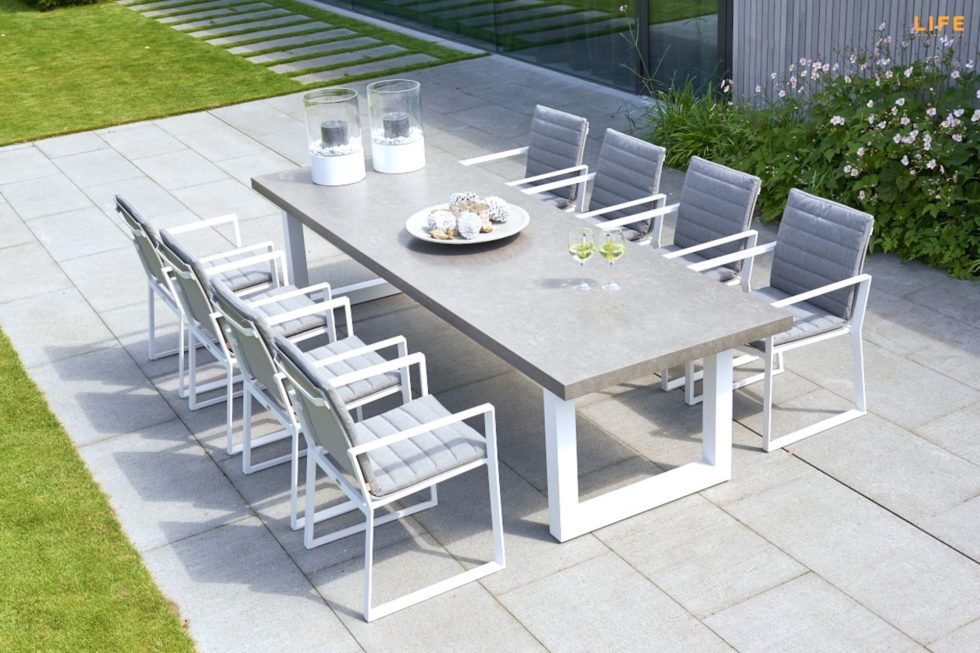
How does the material of aluminum furniture parts impact their durability?
The material of aluminum furniture parts has a significant impact on their durability. Here is a detailed explanation:
1. Pure Aluminum: Pure aluminum is a soft and lightweight material. While it has good corrosion resistance, it is not as durable as other aluminum alloys or materials. Pure aluminum furniture parts may be more prone to bending, warping, or denting under heavy use or external forces. They may also be more susceptible to scratches and surface damage. However, pure aluminum can still be suitable for lightweight furniture applications where durability requirements are not as high.
2. Aluminum Alloys: Aluminum alloys are created by combining aluminum with other elements to enhance specific properties. The choice of aluminum alloy can greatly impact the durability of furniture parts. Commonly used aluminum alloys for furniture include 6061 and 6063. These alloys offer improved strength, hardness, and durability compared to pure aluminum. They are less likely to deform or dent, and they can better withstand external forces or impacts. Aluminum alloys also provide good corrosion resistance, making them suitable for various indoor and outdoor applications.
3. Extruded Aluminum: Extruded aluminum is a manufacturing method where aluminum is forced through a die to create specific shapes or profiles. Extruded aluminum furniture parts are known for their durability and structural integrity. The extrusion process enhances the strength and rigidity of the aluminum, making it less prone to bending or warping. Extruded aluminum parts also offer better load-bearing capabilities, allowing them to support weight without compromising their stability or shape.
4. Surface Treatments: The durability of aluminum furniture parts can be further enhanced by applying surface treatments or finishes. Common treatments include anodizing and powder coating. Anodizing forms a protective oxide layer on the surface of aluminum, improving its corrosion resistance and hardness. Powder coating creates a durable and decorative finish that provides additional protection against scratches, chips, and corrosion. These surface treatments can significantly increase the durability and longevity of aluminum furniture parts.
5. Design and Construction: The design and construction of aluminum furniture parts also play a role in their durability. Proper engineering, reinforcement of critical joints, and appropriate thickness and dimensions of the aluminum components can all contribute to the overall durability of the furniture. Well-designed and well-constructed aluminum furniture parts are less likely to experience structural failures, deformations, or premature wear and tear.
Overall, the choice of aluminum material, such as pure aluminum or aluminum alloys, the use of extruded aluminum, the application of surface treatments, and the design and construction of the furniture parts, all impact their durability. By selecting high-quality materials, utilizing appropriate manufacturing methods, and considering factors like surface treatments and construction techniques, the durability of aluminum furniture parts can be significantly improved, ensuring their ability to withstand regular use and environmental factors over an extended period of time.
Can aluminum furniture parts be customized to match my existing furniture?
Yes, aluminum furniture parts can be customized to match your existing furniture. Customization allows you to achieve a cohesive and harmonious look by ensuring that the aluminum parts blend seamlessly with your current furniture. Here is a detailed explanation of how aluminum furniture parts can be customized to match your existing furniture:
1. Color and Finish: Aluminum furniture parts can be customized in terms of color and finish to match the existing furniture. Aluminum can be powder-coated or painted in various colors to closely resemble the desired shade or tone. This allows you to coordinate the color of the aluminum parts with the color scheme of your existing furniture.
2. Profile and Design: Aluminum can be shaped and formed into different profiles and designs to match the aesthetic and style of your existing furniture. Whether your furniture has curved lines, clean and modern shapes, or intricate details, aluminum furniture parts can be customized to replicate those features, ensuring a cohesive overall look.
3. Dimension and Size: Aluminum furniture parts can be customized in terms of dimension and size to fit seamlessly with your existing furniture. Whether you need replacement parts for specific components or additional parts to expand or modify your furniture, customizing the dimensions ensures a proper fit and alignment with your current pieces.
4. Hardware Compatibility: When customizing aluminum furniture parts, consideration can be given to the compatibility of the hardware. This includes ensuring that the attachment points, connectors, or fasteners used in the existing furniture are compatible and properly integrated with the customized aluminum parts. This ensures structural integrity and functionality.
5. Material Combination: In some cases, aluminum furniture parts can be combined with other materials to match the existing furniture. For example, if your furniture has wooden elements, aluminum parts can be customized to incorporate or complement those wooden features, creating a cohesive and visually appealing combination of materials.
Customization of aluminum furniture parts may involve working with skilled craftsmen, designers, or furniture manufacturers who specialize in customization services. They can guide you through the process, discuss your specific requirements, and create customized aluminum parts that seamlessly integrate with your existing furniture.
It’s important to provide detailed information about your existing furniture, including photographs, measurements, and any specific design elements or requirements, to ensure accurate customization of the aluminum parts. With proper customization, your aluminum furniture parts can be tailored to match your existing furniture and enhance the overall aesthetic and functionality of your outdoor space.
editor by CX 2024-01-03